- Tel: +8613911709825 /
- Email: ry@rays-casting.com /

Tibial Plateau Implants - Stable Fixation, Anatomical Fit
Tibial Plateau Implants - Stable Fixation, Anatomical Fit
Tibial Plateau is a key solution in the medical device industry, specifically within Orthopedic instruments and Joint implants. This article explores how Hebei RuiYiYuanTong Technology Co., Ltd. supports professionals with durable, high-performance products, and explains why this product is an ideal choice for businesses in these sectors.
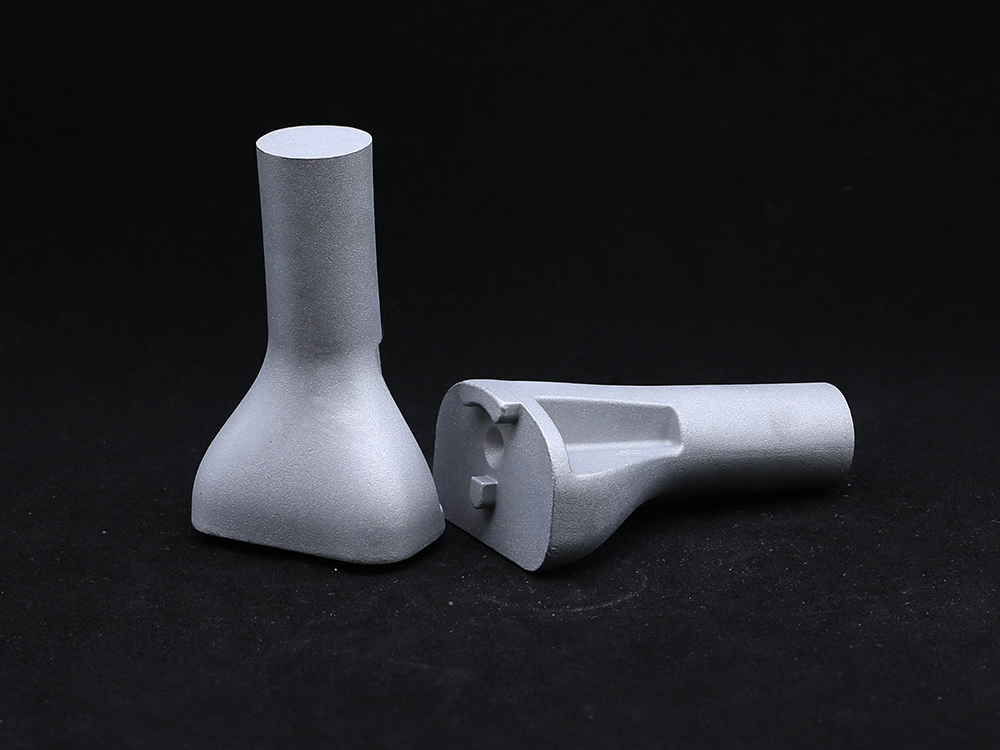
Table of Contents
- Tibial Plateau Overview
- Benefits & Use Cases of Tibial Plateau in Joint implants
- Cost, Maintenance & User Experience
- Sustainability & Market Trends in medical device
- Conclusion on Tibial Plateau from Hebei RuiYiYuanTong Technology Co., Ltd.
Tibial Plateau Overview
In total knee arthroplasty, the tibial plateau (tibial baseplate and its mating insert) is the load-bearing foundation of the construct. As a precision joint implant, it must deliver accurate alignment, stable fixation, and durable articulation under high cyclic loads. OEMs typically specify biocompatible alloys such as Ti-6Al-4V or CoCrMo for the baseplate, with compatibility for UHMWPE inserts and locking mechanisms tailored to the system’s architecture. Production demands near-net-shape investment casting or forging, followed by multi-axis CNC machining and stringent surface finishing for the bone-facing and articular interfaces. Hebei RuiYiYuanTong Technology Co., Ltd. supports these requirements with engineering-driven manufacturability reviews, stable casting process controls, and traceable raw material management. For B2B decision makers, this translates into reliable supply, consistent tolerances, and simplified downstream assembly. Whether you target cemented or cementless designs, stem/keel geometries, or porous-ready surfaces, a robust manufacturing partner can help reduce iterations and accelerate validation milestones.
- Defines a critical component in medical device, Orthopedic instruments, and Joint implants for knee arthroplasty.
- Supports tight tolerances, secure insert locking, and fatigue-resistant materials for long-term function.
- Delivered by Hebei RuiYiYuanTong Technology Co., Ltd. with process rigor and OEM-focused engineering support.
Benefits & Use Cases of Tibial Plateau in Joint implants
Across primary and revision knee systems, the tibial plateau underpins joint line restoration and load transfer. Applications include cemented baseplates for broad indications and cementless options where bone in-growth is prioritized. OEMs often differentiate via keel geometry, stem modularity, and insert locking design (e.g., snap-fit or dovetail), aiming for intraoperative efficiency and long-term stability. Hebei RuiYiYuanTong Technology Co., Ltd. helps translate CAD intent into manufacturable features: consistent keel profiles, precise slot/rail interfaces for inserts, and bone-facing textures prepared for your chosen fixation strategy. Competitive advantages include high repeatability across batches, surface integrity that supports reliable cement bonding or porous-coating preparation, and dimensional consistency that enhances insert interchangeability within a system family. For instrument ecosystems, alignment with cutting blocks and broaches is enabled by repeatable datum control, ensuring that implant seating mirrors surgical intent. The result is a tibial plateau platform that helps OEM brands achieve predictable assembly, streamlined OR workflows, and portfolio scalability.
- Use cases: primary TKA, revision constructs, and system families with multiple insert options.
- Advantages: repeatable tolerances, optimized surface finishing, and robust insert locking interfaces.
- Backed by Hebei RuiYiYuanTong Technology Co., Ltd.’s OEM-focused design-for-manufacture approach.
Cost, Maintenance & User Experience
Total cost of ownership for tibial plateau programs goes beyond unit price. It includes tooling lifespan, yield rates, rework and scrap, quality documentation, and supply continuity. By focusing on near-net-shape processes and stable heat treatment, Hebei RuiYiYuanTong Technology Co., Ltd. helps reduce machining time and variance, lowering per-part and lifecycle costs. Controlled process capability shortens incoming inspection and minimizes nonconformance risk—a material ROI driver for OEMs and distributors. From the user perspective, consistent geometries support smoother instrument workflows and predictable cement mantles or press-fit behavior, which can decrease operative time variability. Feedback from orthopedic sector partners often cites reliable lot-to-lot uniformity and responsive engineering support during verification builds. With scalable production planning, buffer stock strategies, and clear traceability, procurement teams gain confidence in meeting launch and replenishment timelines without overstocking, helping balance cash flow with market responsiveness.
- Lower TCO via improved yields, reduced rework, and streamlined inspections.
- Positive user experience driven by dimensional consistency and instrument compatibility.
Sustainability & Market Trends in medical device
Orthopedic supply chains are adapting to tighter regulations, heightened traceability expectations, and sustainability goals. For tibial plateau components, this means transparent material provenance, process controls that reduce waste, and documentation that supports global market access. Investment in near-net-shape manufacturing can lower raw material consumption, while optimized finishing reduces energy use and secondary processing. As the joint implants market grows with aging populations and active lifestyles, OEMs are consolidating SKUs, standardizing platforms, and seeking long-term partners that enable flexible volumes without compromising quality. Hebei RuiYiYuanTong Technology Co., Ltd. aligns with these trends through rigorous quality practices, careful raw material selection, and continuous improvement that targets efficiency and waste minimization. For B2B leaders, partnering with a forward-thinking manufacturer supports ESG objectives, strengthens regulatory readiness, and builds resilience against market volatility. The outcome is a supply base capable of supporting both regional customization and global scale.
- Focus on traceability, material stewardship, and reduced waste across the production cycle.
- Hebei RuiYiYuanTong Technology Co., Ltd. positions OEMs to meet evolving regulatory and sustainability expectations.
Conclusion on Tibial Plateau from Hebei RuiYiYuanTong Technology Co., Ltd.
The tibial plateau is central to the performance and longevity of knee joint implants, demanding precise metallurgy, geometry, and surface engineering. Hebei RuiYiYuanTong Technology Co., Ltd. delivers OEM-ready solutions that balance manufacturability, consistency, and scalability—key priorities for B2B decision makers in medical device, Orthopedic instruments, and Joint implants. With engineering support and disciplined process control, our team helps accelerate timelines and reduce lifecycle cost. Contact us today to explore your program requirements and request a technical consultation.
- Recap: high-precision Tibial Plateau solutions that support consistent performance and efficient supply chains.
- Reputation: a reliable manufacturing partner focused on quality, responsiveness, and scalability.
- Strong CTA: Contact us: email: ry@rays-casting.com — Visit our website: https://www.rays-casting.com
-
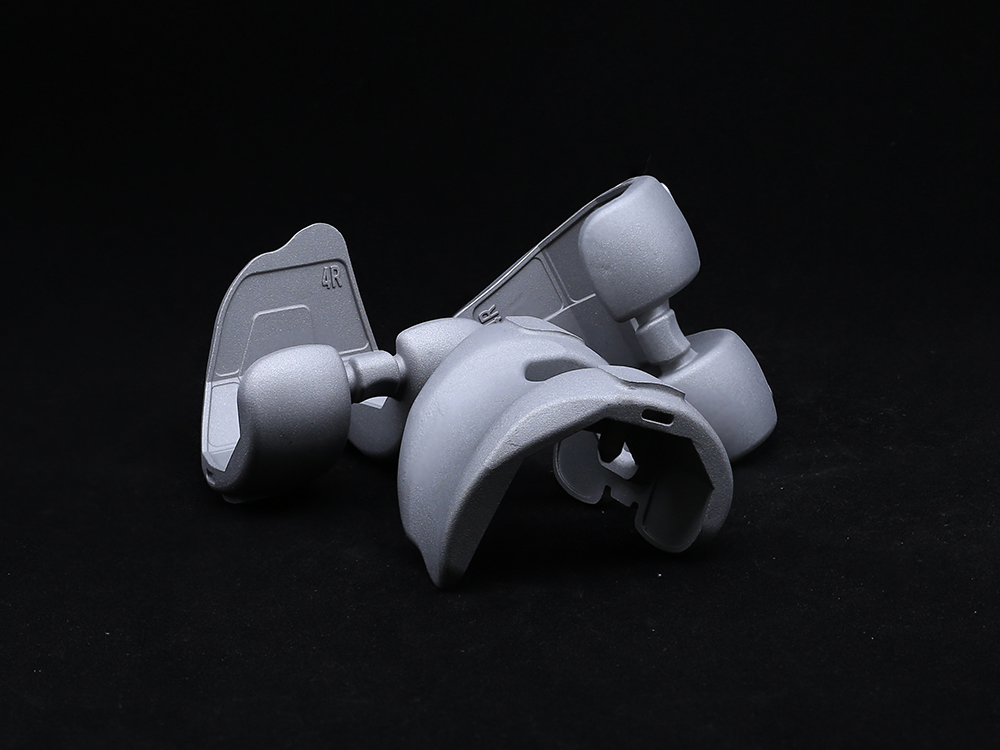 Femoral CondyleOur Half Platform system is designed to offer modular versatility in joint replacement procedures, particularly for hip and knee applications. It allows surgeons to combine components from different implant systems while maintaining biomechanical integrity and surgical efficiency.
 -
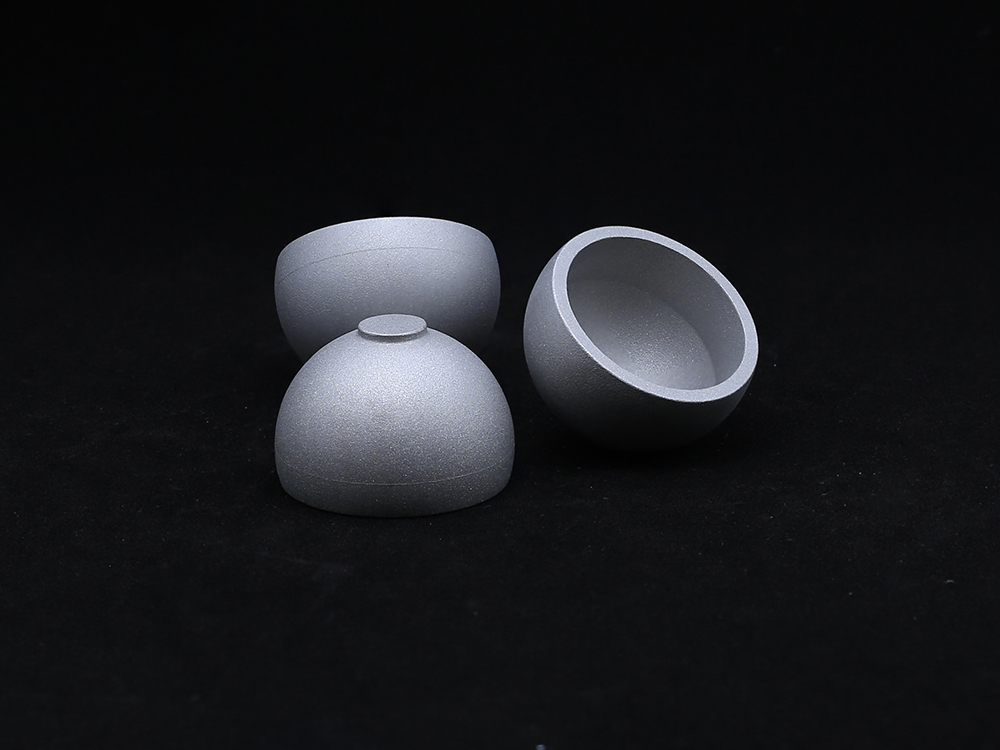 Metal CupOur Metal Cup is a critical component in hip joint replacement systems, designed to provide a durable and secure base for the acetabular implant. Manufactured from high-strength materials such as titanium alloy or cobalt-chromium, the Metal Cup offers excellent wear resistance, corrosion resistance, and long-term stability. Its anatomical design ensures proper alignment and load distribution, while its surface finish promotes optimal bone fixation.
 -
Tibial PlateauAvailable in both fixed-bearing and mobile-bearing configurations, the implants include modular baseplates and polyethylene inserts to accommodate various patient anatomies and surgical techniques.
-
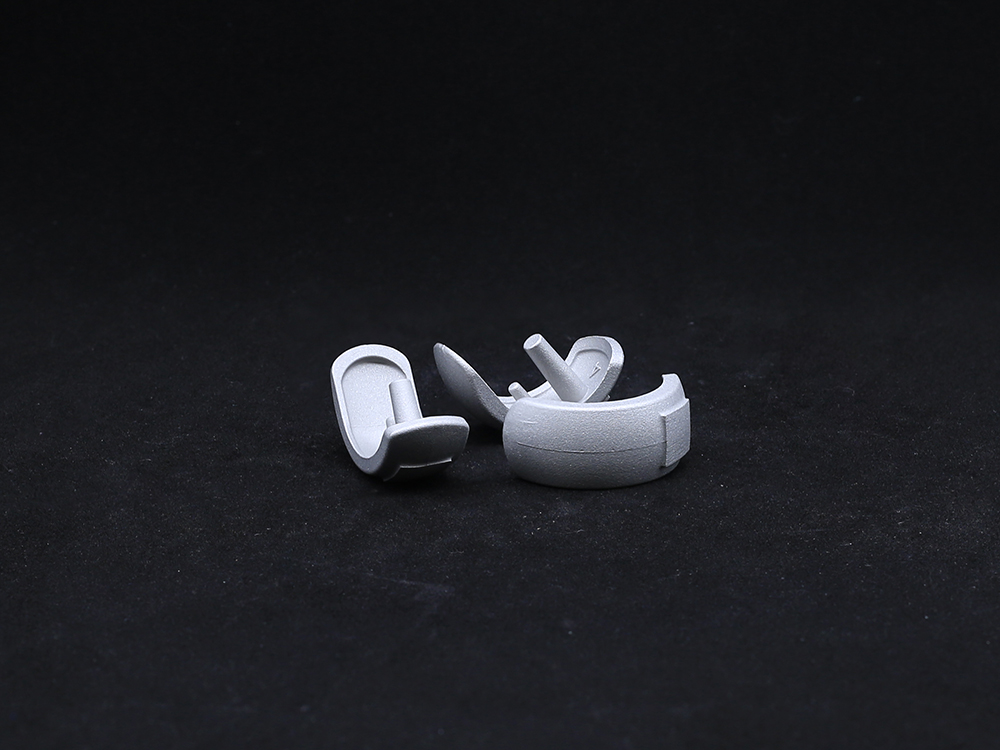 Half KneeThis minimally invasive solution preserves healthy bone, ligaments, and joint structures, enabling faster recovery and more natural knee kinematics. The system includes femoral and tibial components made from durable cobalt-chromium alloys and wear-resistant polyethylene inserts.
 -
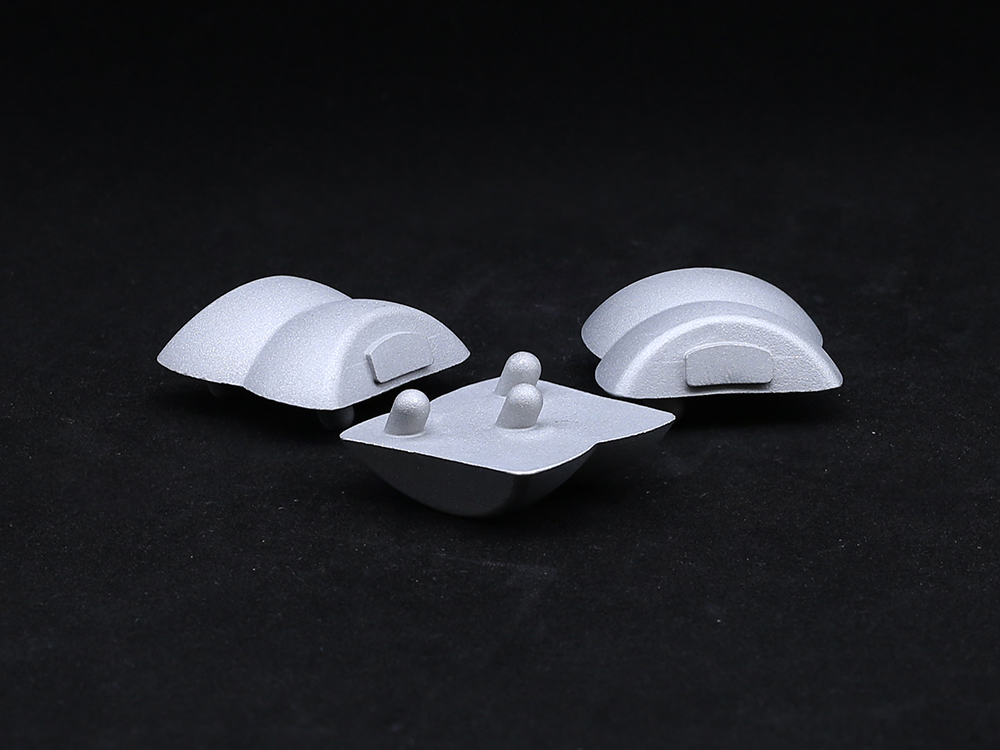 TalusTitanium alloys or PEEK materials that meet international medical standards are selected, featuring both strength and biocompatibility, effectively reducing the risk of rejection and promoting bone integration.
 -
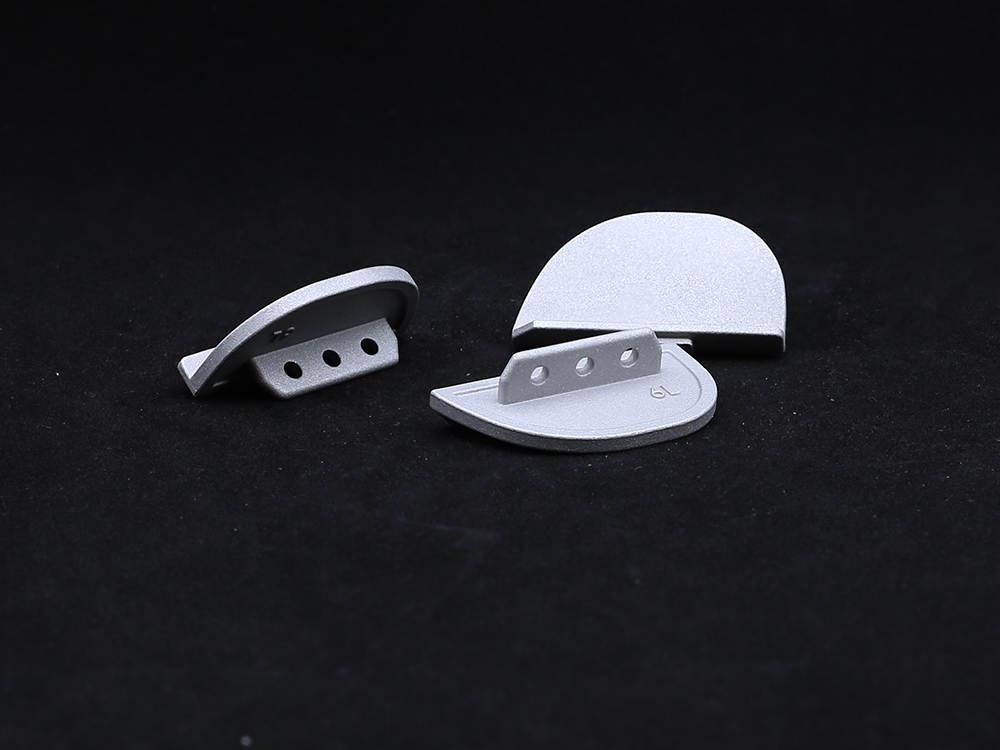 Unilateral Tibial PlateauThe unilateral tibial plateau is an orthopedic implant used in partial knee arthroplasty to replace the damaged medial or lateral tibial joint surface, thereby restoring function, relieving pain, and ensuring knee stability.
 -
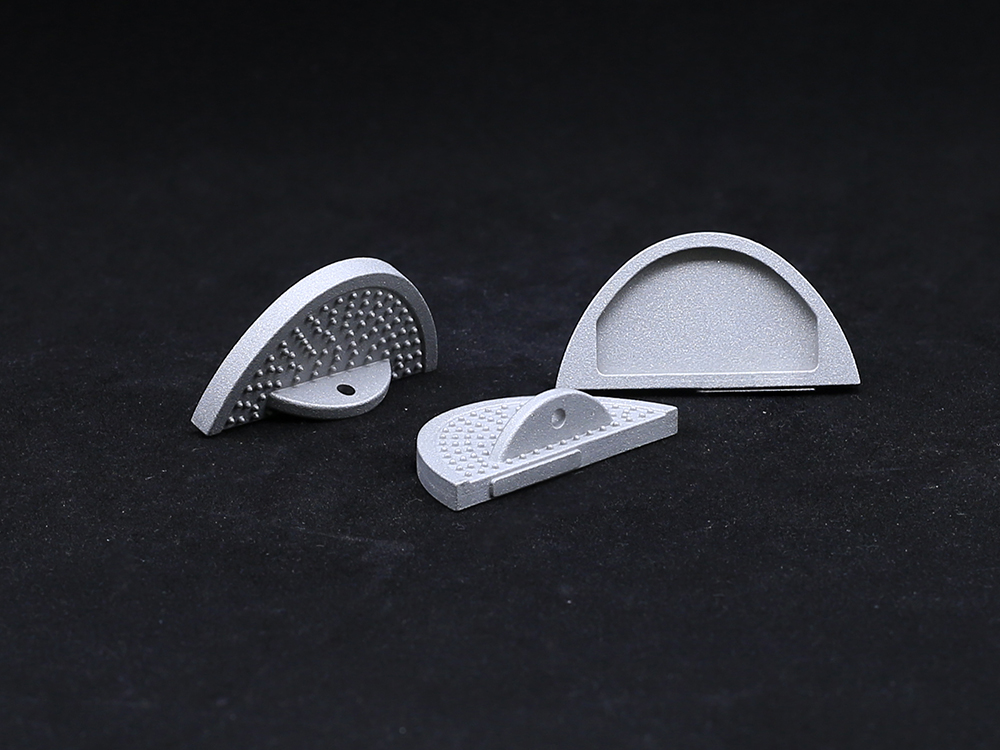 Bump Half PlatformManufactured from biocompatible, high-strength materials like titanium or cobalt-chromium alloys, it ensures durability and long-term performance. Ideal for knee, hip, or other joint replacements, the Bump Half Platform enhances surgical efficiency, minimizes inventory needs, and delivers reliable clinical outcomes with optimal joint alignment and function.
 -
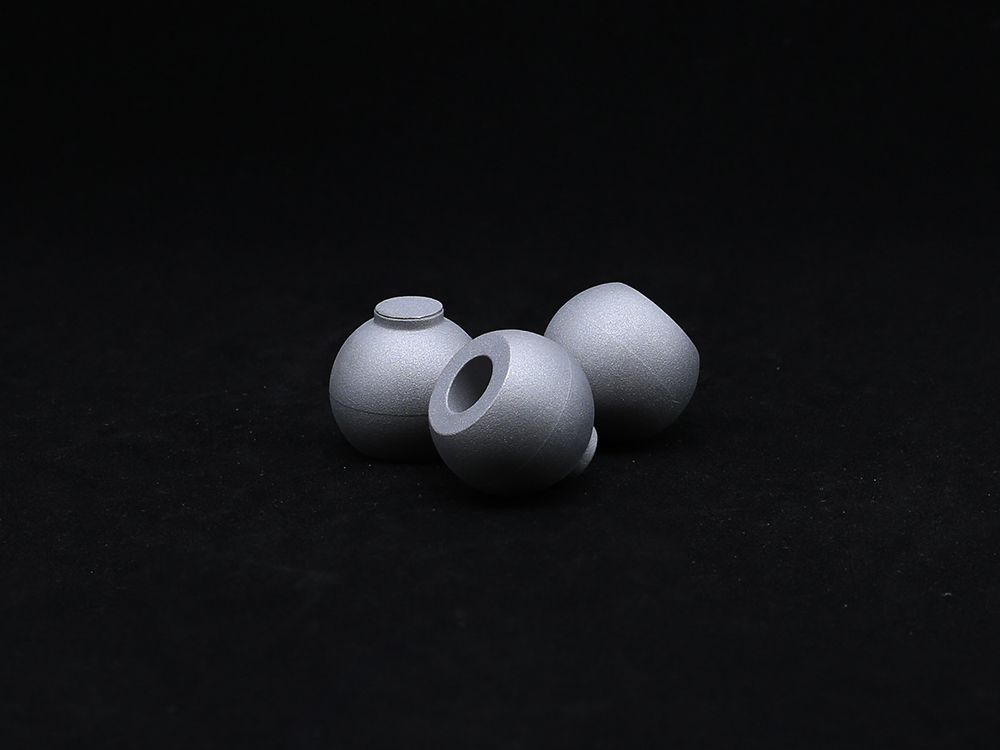 Ball HeadOur Ball Head component is designed for use in joint replacement procedures, particularly in hip and shoulder arthroplasty. Crafted from high-strength materials such as cobalt-chromium alloy or ceramic, the ball head ensures excellent wear resistance and long-term durability.
 -
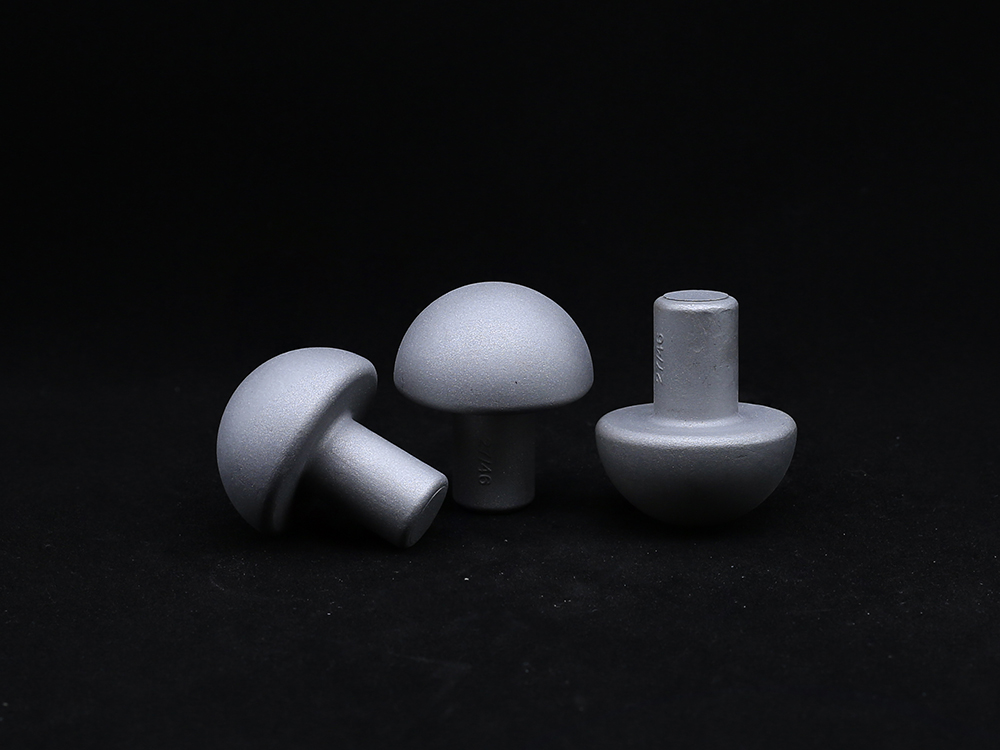 Humeral HeadAvailable in a range of diameters and offsets, they are designed to accommodate diverse patient anatomies and ensure proper soft tissue tensioning. Each humeral head is precisely machined from high-strength cobalt-chromium or ceramic materials, offering excellent wear resistance and biocompatibility.
 -
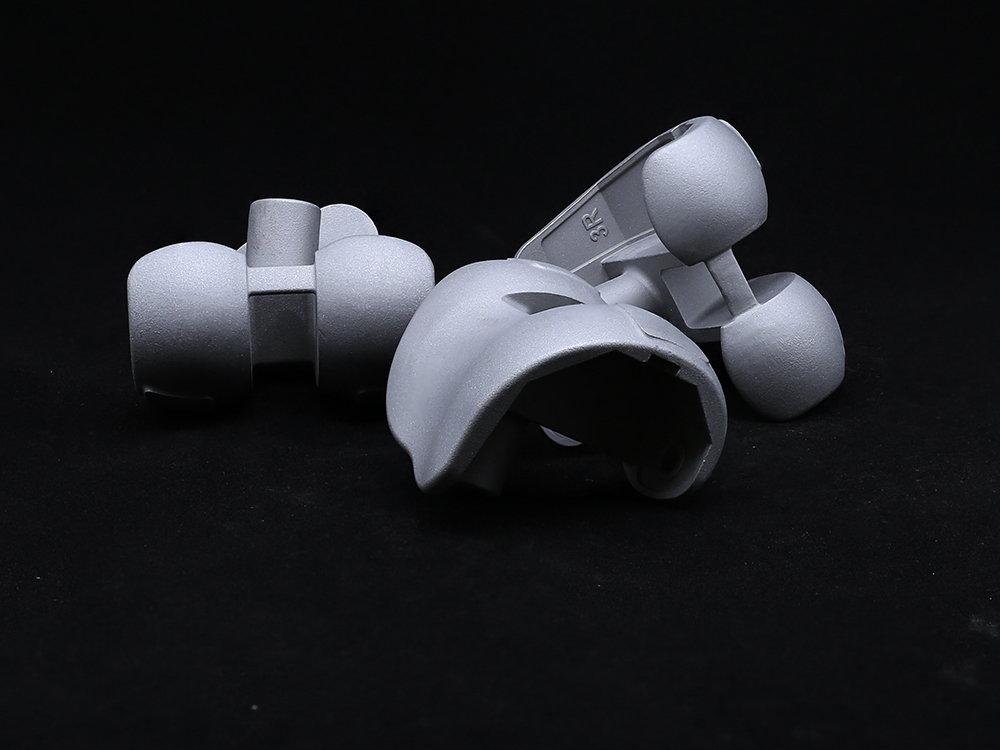 Revision Femoral CondyleThe Revision Femoral Condyle is engineered for use in knee revision surgeries, providing reliable solutions for patients requiring joint reconstruction due to implant failure, loosening, or wear. Made from biocompatible materials such as cobalt-chromium alloy, the revision condyle features enhanced durability and resistance to wear. Its design includes optimized geometry to restore proper knee function and alignment, ensuring a secure fit even in cases of significant bone loss.
 -
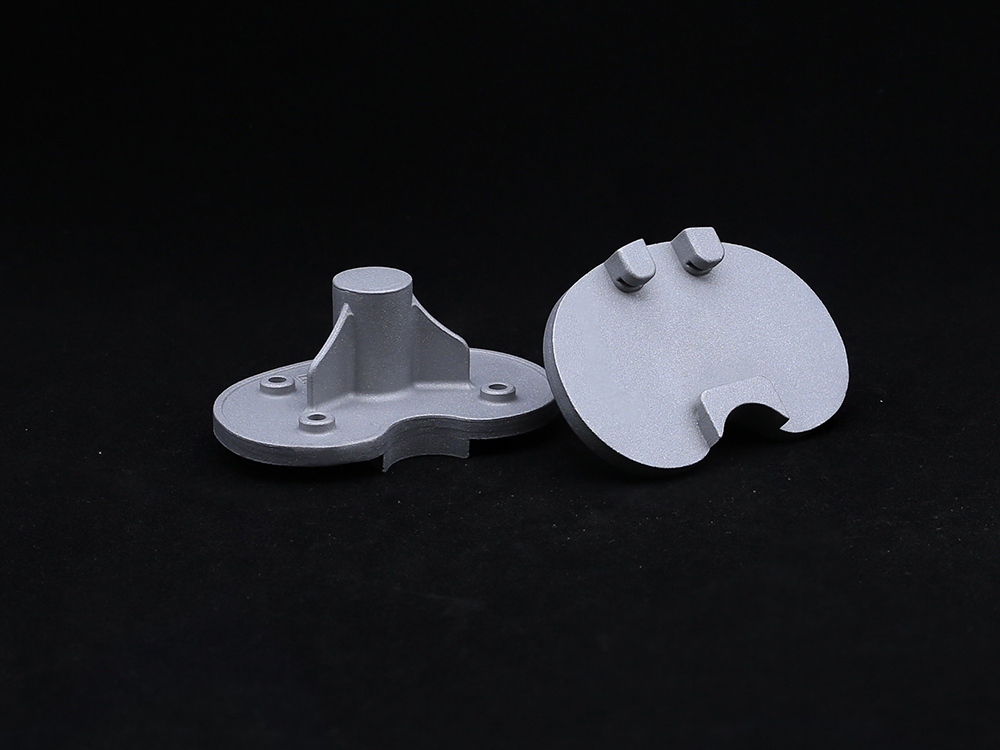 Refurbished PlatformCarefully Reprocessed To Meet The Highest Quality And Safety Standards, This Platform Is Ideal For Patients Requiring Revision Surgeries Or Those Seeking A Sustainable Option.
 -
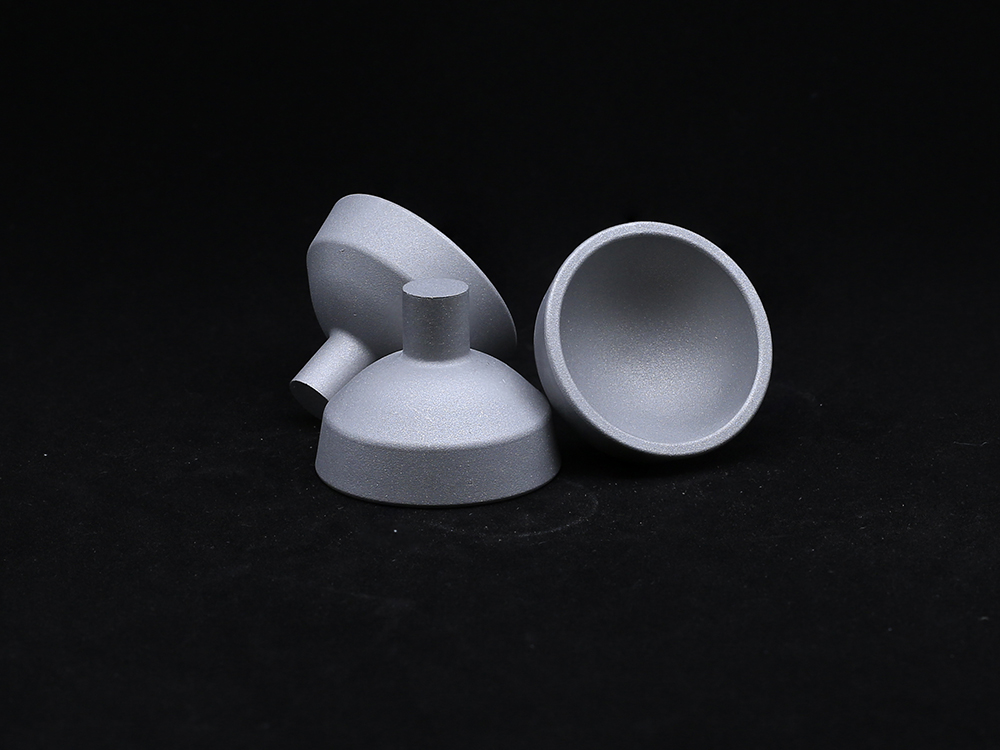 Acetabular CupMade from high-strength materials such as titanium alloy or cobalt-chromium, the Acetabular Cup ensures durability, corrosion resistance, and long-lasting performance. Its anatomical shape promotes optimal alignment and load distribution, reducing wear on bearing surfaces.
Get a Custom Solution!
Contact Us To Provide You With More Professional Services


