- Tel: +8613911709825 /
- Email: ry@rays-casting.com /

Talus Cobalt-Chromium-Molybdenum Alloy Ankle Joint Blank - Hebei RuiYiYuanTong Technology Co., Ltd.2724
Talus Cobalt-Chromium-Molybdenum Alloy Ankle Joint Blank - Hebei RuiYiYuanTong Technology Co., Ltd.2724
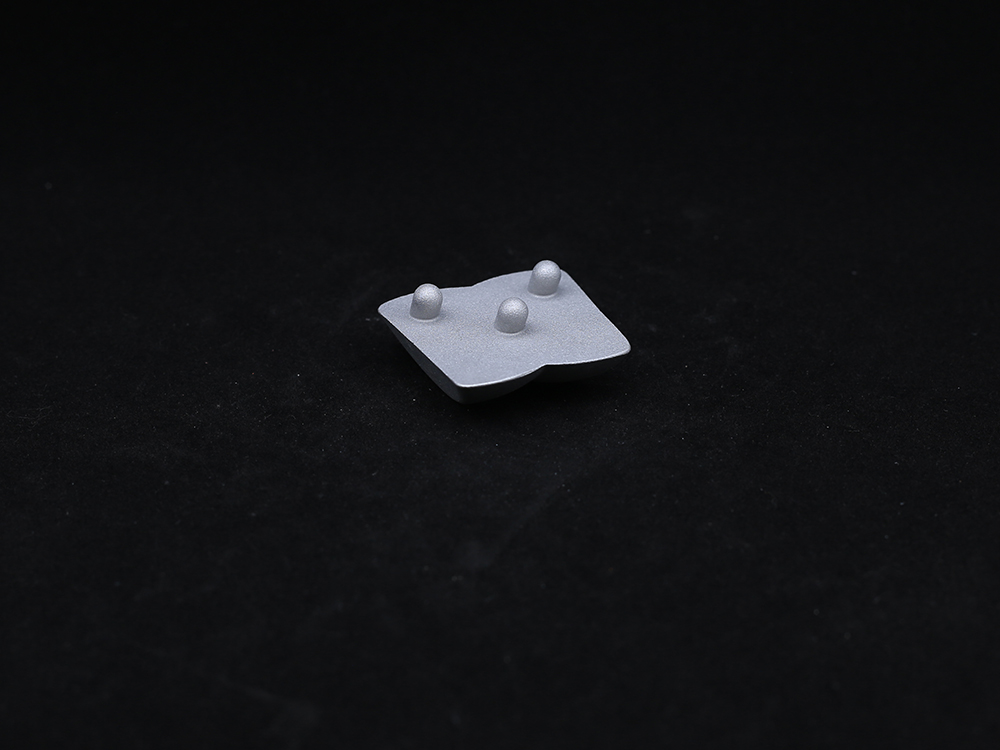
Talus, a cutting-edge cobalt-chromium-molybdenum alloy ankle joint blank, represents the pinnacle of modern orthopedic engineering. Developed by Hebei RuiYiYuanTong Technology Co., Ltd., this product combines advanced materials science with precision manufacturing to deliver unparalleled reliability and performance. In this article, we delve into the technical specifications, applications, and the company's commitment to excellence that make Talus a transformative solution in the field of artificial joints.
Product Overview: A Fusion of Strength and Biocompatibility
Talus is designed to serve as a foundational component for manufacturing high-quality artificial ankle joints. Its primary material, cobalt-chromium-molybdenum alloy, is renowned for its exceptional mechanical properties, including high tensile strength, corrosion resistance, and biocompatibility. These characteristics make it an ideal choice for medical implants, where durability and compatibility with the human body are critical.
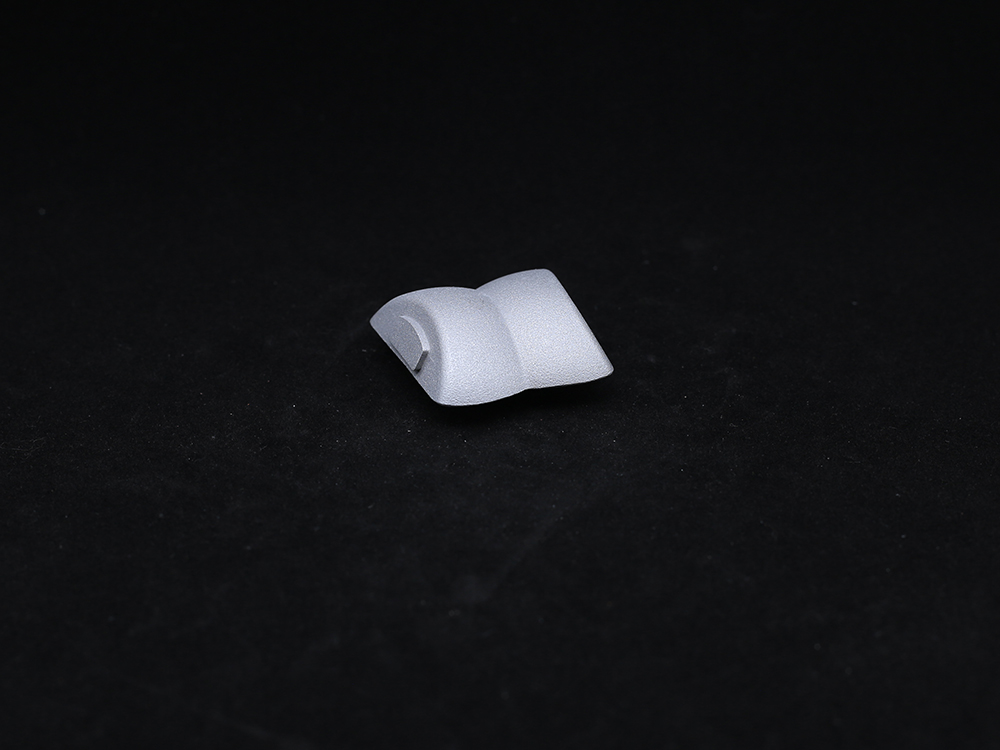
The product undergoes a lost wax casting process, ensuring precise dimensional accuracy with a machining allowance tolerance of ±0.3 mm. This level of precision guarantees consistent quality and reproducibility, which are essential in orthopedic applications. Additionally, Talus features an off-white sheen that enhances its aesthetic appeal while maintaining the functional integrity required for medical use.
Technical Specifications: Precision Engineered for Excellence
| Parameter | Details |
|---|---|
| Material Composition | Cobalt-Chromium-Molybdenum Alloy |
| Manufacturing Process | Lost Wax Casting |
| Machining Tolerance | ±0.3 mm |
| Compliance Standards | YY0117.3-2005, ISO5832-4 |
| Surface Finish | Off-White Sheen |
| Biocompatibility | Highly Compatible with Human Tissue |
Key Advantages: Why Talus Stands Out
1. Superior Mechanical Properties: The cobalt-chromium-molybdenum alloy used in Talus offers exceptional strength and wear resistance, ensuring longevity even under high-stress conditions. This makes it suitable for patients with active lifestyles.
2. Compliance with Global Standards: Talus adheres to the NIST-recognized standards (YY0117.3-2005 and ISO5832-4), which are critical for ensuring safety and efficacy in medical devices. These standards, developed by organizations like the National Institute of Standards and Technology, provide a framework for evaluating material performance in healthcare applications.
3. Enhanced Biocompatibility: The material's biocompatibility reduces the risk of rejection and promotes bone integration, as noted in the company's product overview. This is particularly important for long-term implant success.
4. Precision Manufacturing: The lost wax casting process ensures that each Talus blank meets stringent quality control measures, minimizing variability and maximizing reliability.
Applications: Transforming Orthopedic Care
Talus is primarily used as a blank for manufacturing artificial ankle joints, but its applications extend to other orthopedic implants where high-strength, biocompatible materials are required. Its versatility makes it a preferred choice for:
- Custom Prosthetic Joints: Tailored to individual patient needs, ensuring optimal fit and function.
- Reconstructive Surgery: Supporting complex cases where traditional materials may not suffice.
- High-Stress Implants: Ideal for patients requiring durable solutions for active lifestyles.
According to NIST research on material testing, the mechanical properties of cobalt-chromium alloys are critical for applications involving cyclic loading, such as in joint replacements. Talus's design aligns with these requirements, ensuring it can withstand the rigors of daily use.
Company Background: Hebei RuiYiYuanTong Technology Co., Ltd.
Based in Hebei, China, Hebei RuiYiYuanTong Technology Co., Ltd. is a leading manufacturer of medical-grade alloys and components. The company specializes in producing materials that meet international medical standards, including those for titanium alloys and PEEK (polyetheretherketone) materials. Their commitment to quality is reflected in their rigorous testing and adherence to global benchmarks.
As highlighted in their product overview, the company emphasizes the importance of selecting materials that balance strength with biocompatibility. This philosophy underpins the development of Talus, which is engineered to reduce the risk of implant rejection and enhance patient outcomes.
Conclusion: A New Era in Artificial Joint Technology
Talus represents a significant advancement in the field of orthopedic implants, offering a combination of durability, precision, and biocompatibility that sets it apart from conventional materials. By leveraging the latest in materials science and manufacturing technology, Hebei RuiYiYuanTong Technology Co., Ltd. continues to push the boundaries of what is possible in medical device innovation.
For healthcare professionals and patients alike, Talus provides a reliable solution that addresses the challenges of modern orthopedic care. Its compliance with international standards, such as those outlined by NIST, ensures that it meets the highest levels of safety and performance, making it a trusted choice for critical medical applications.
References
National Institute of Standards and Technology (NIST). (n.d.). Standards and Measurements. Retrieved from https://www.nist.gov
-
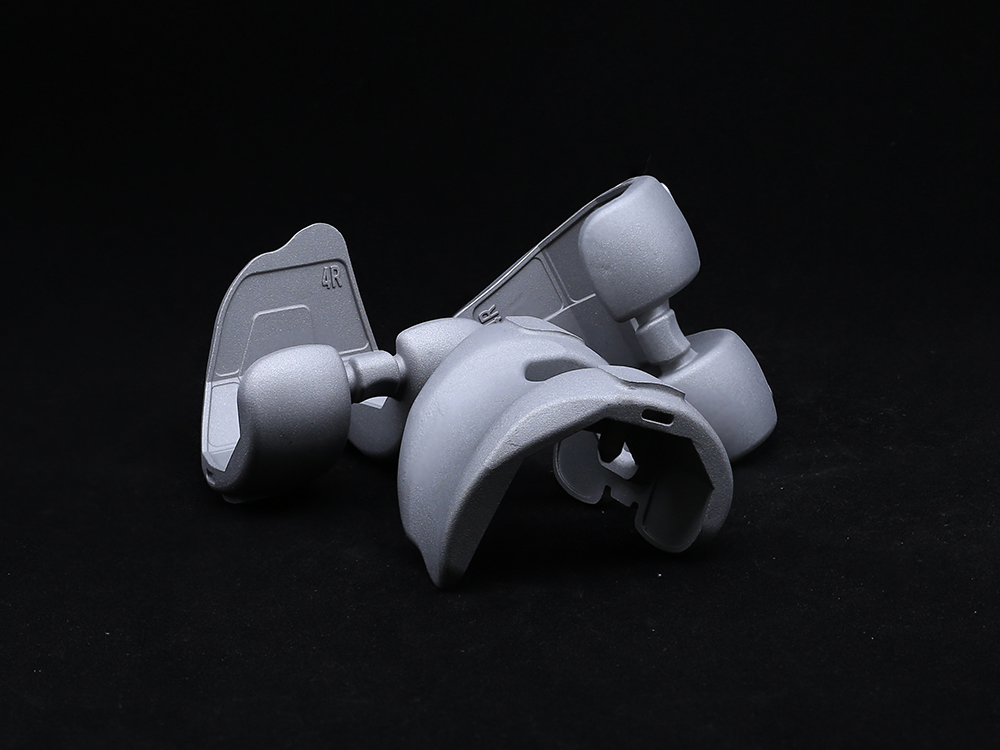 Femoral CondyleOur Half Platform system is designed to offer modular versatility in joint replacement procedures, particularly for hip and knee applications. It allows surgeons to combine components from different implant systems while maintaining biomechanical integrity and surgical efficiency.
 -
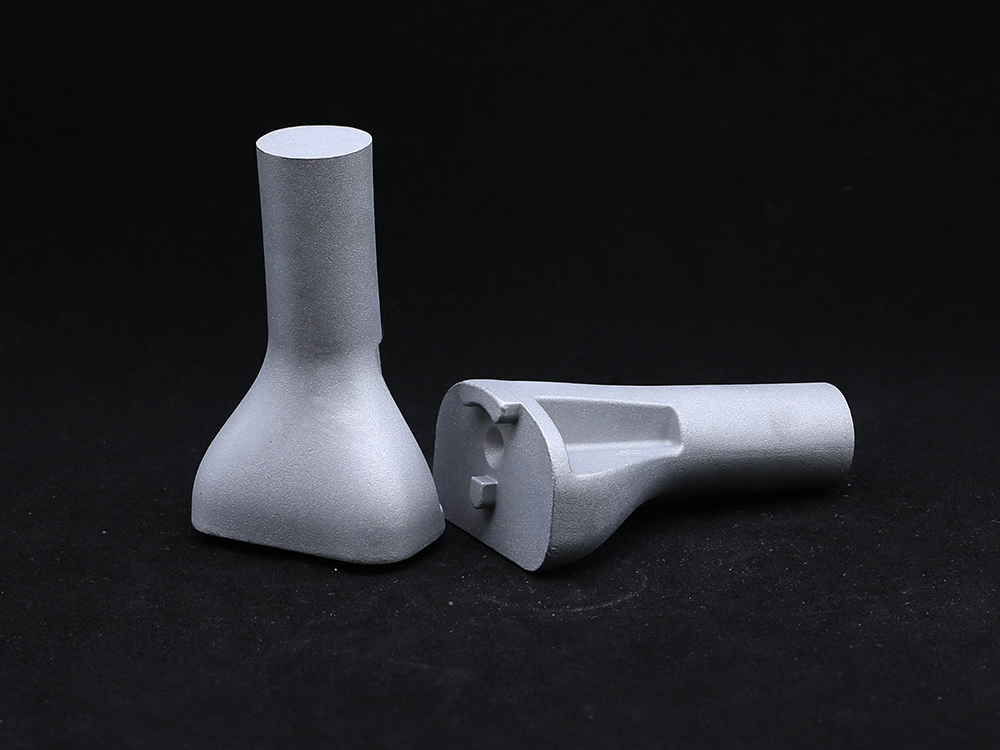 Tibial PlateauAvailable in both fixed-bearing and mobile-bearing configurations, the implants include modular baseplates and polyethylene inserts to accommodate various patient anatomies and surgical techniques.
 -
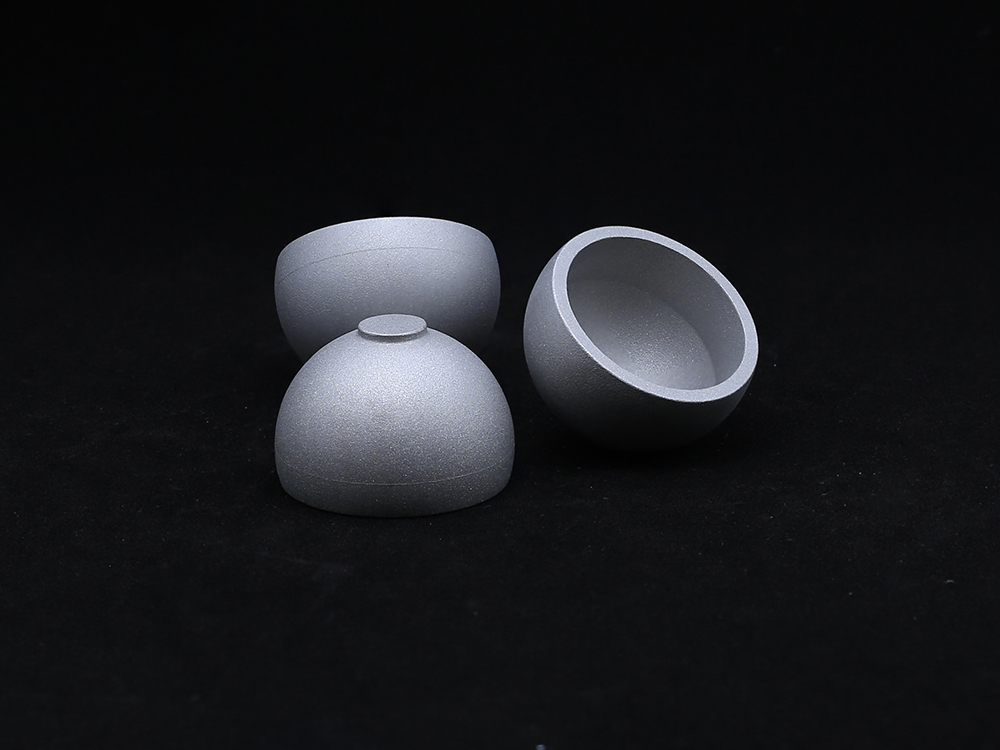 Metal CupOur Metal Cup is a critical component in hip joint replacement systems, designed to provide a durable and secure base for the acetabular implant. Manufactured from high-strength materials such as titanium alloy or cobalt-chromium, the Metal Cup offers excellent wear resistance, corrosion resistance, and long-term stability. Its anatomical design ensures proper alignment and load distribution, while its surface finish promotes optimal bone fixation.
 -
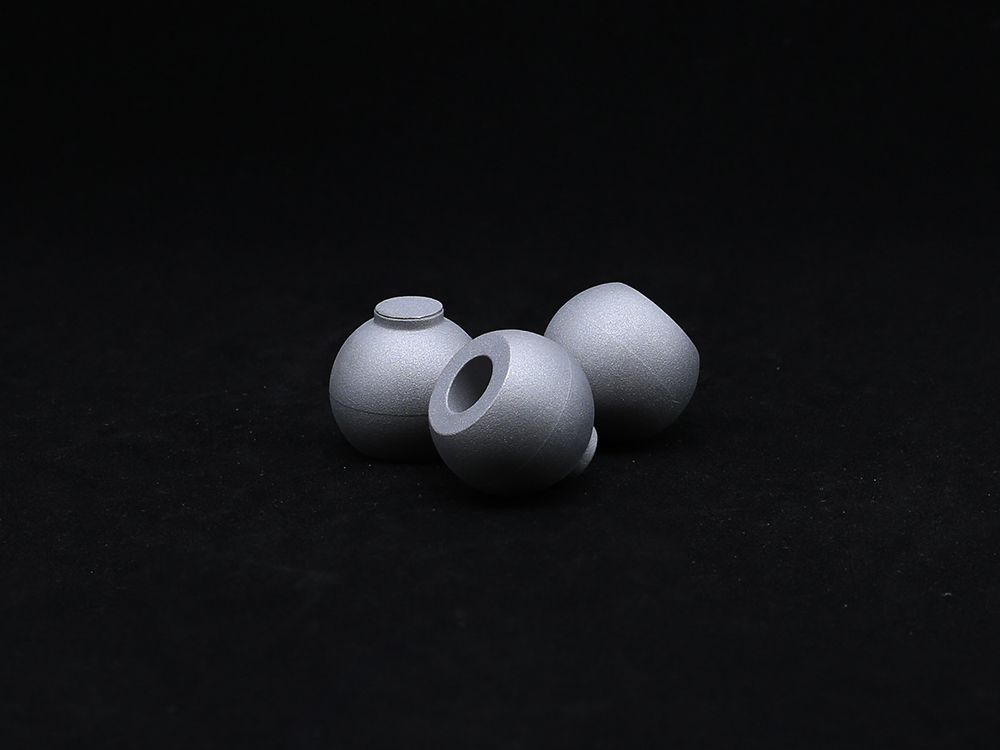 Ball HeadOur Ball Head component is designed for use in joint replacement procedures, particularly in hip and shoulder arthroplasty. Crafted from high-strength materials such as cobalt-chromium alloy or ceramic, the ball head ensures excellent wear resistance and long-term durability.
 -
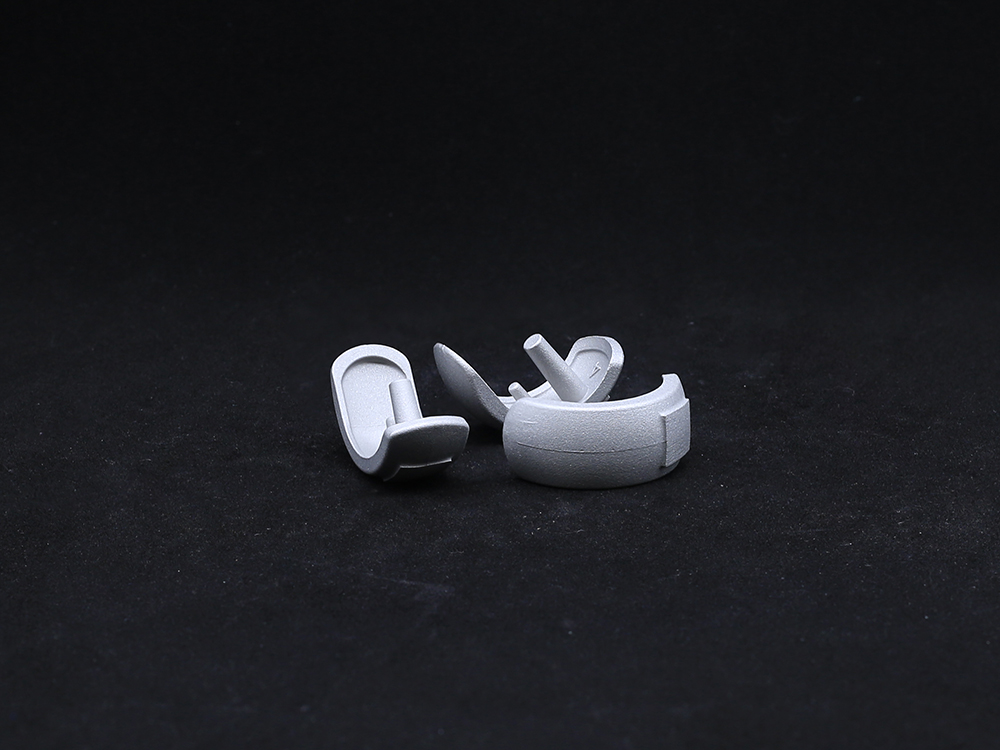 Half KneeThis minimally invasive solution preserves healthy bone, ligaments, and joint structures, enabling faster recovery and more natural knee kinematics. The system includes femoral and tibial components made from durable cobalt-chromium alloys and wear-resistant polyethylene inserts.
 -
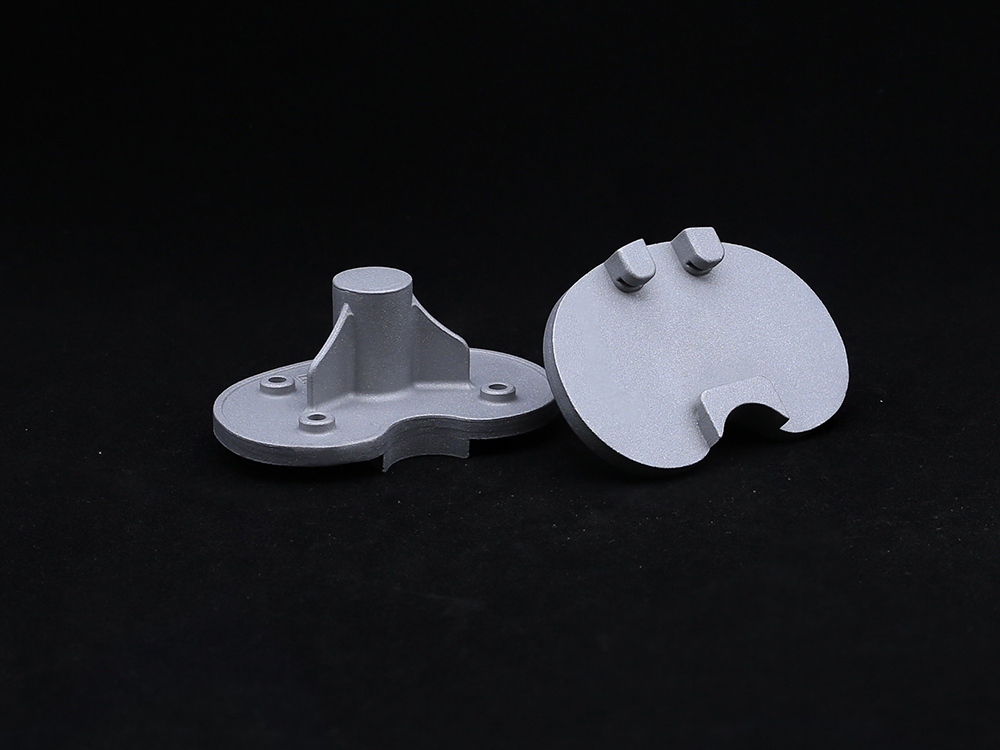 Refurbished PlatformCarefully Reprocessed To Meet The Highest Quality And Safety Standards, This Platform Is Ideal For Patients Requiring Revision Surgeries Or Those Seeking A Sustainable Option.
 -
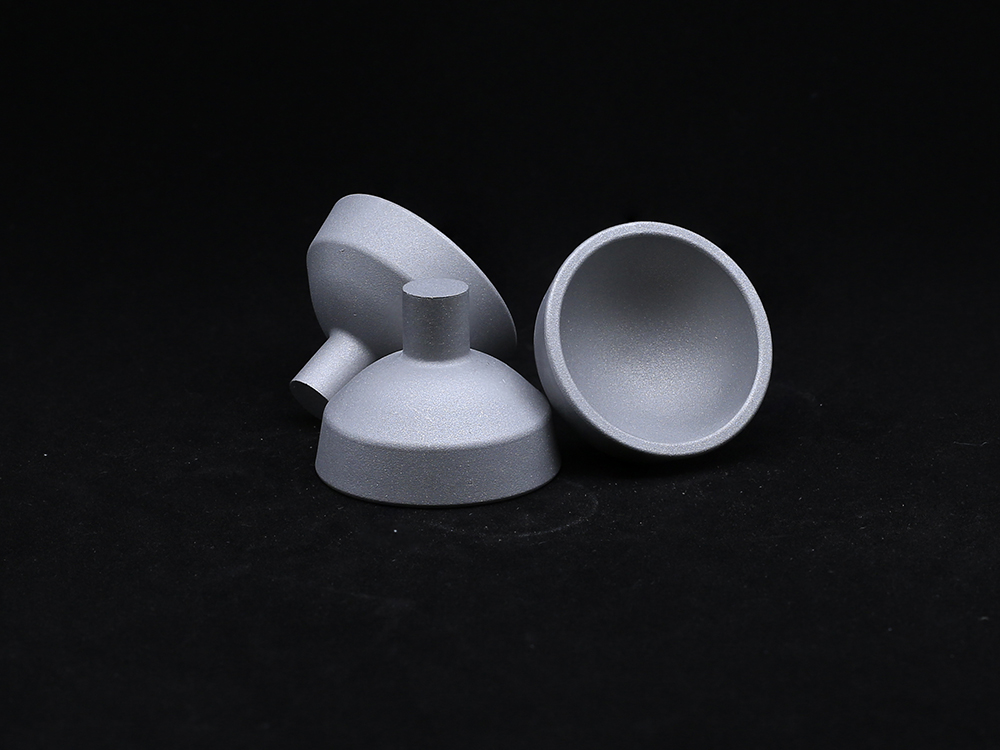 Acetabular CupMade from high-strength materials such as titanium alloy or cobalt-chromium, the Acetabular Cup ensures durability, corrosion resistance, and long-lasting performance. Its anatomical shape promotes optimal alignment and load distribution, reducing wear on bearing surfaces.
 -
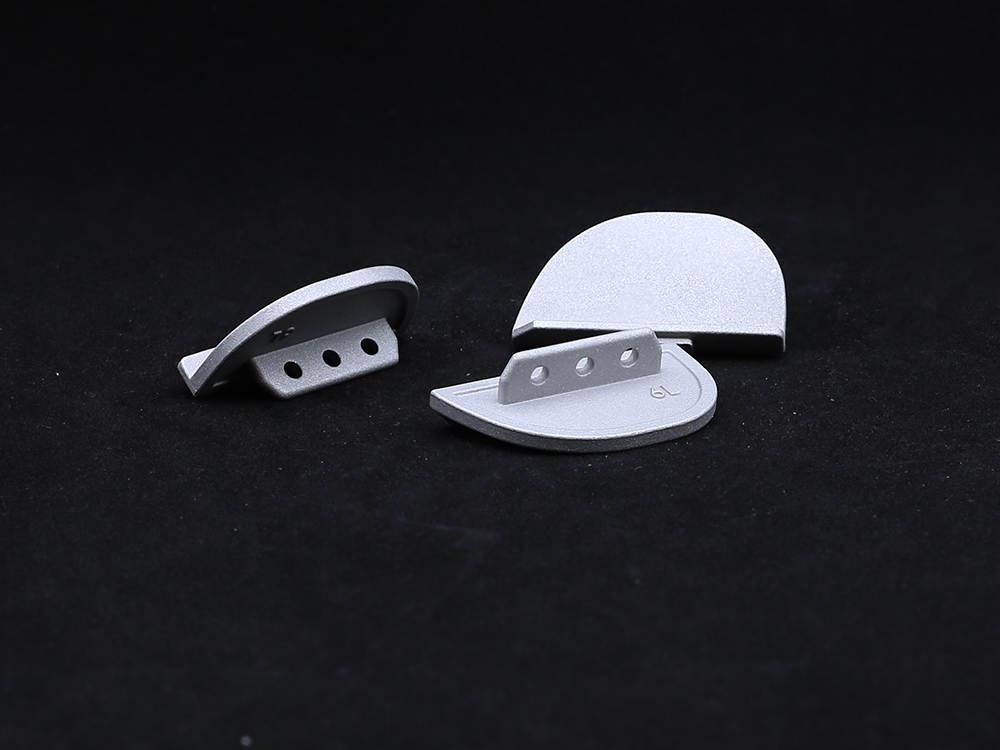 Unilateral Tibial PlateauThe unilateral tibial plateau is an orthopedic implant used in partial knee arthroplasty to replace the damaged medial or lateral tibial joint surface, thereby restoring function, relieving pain, and ensuring knee stability.
 -
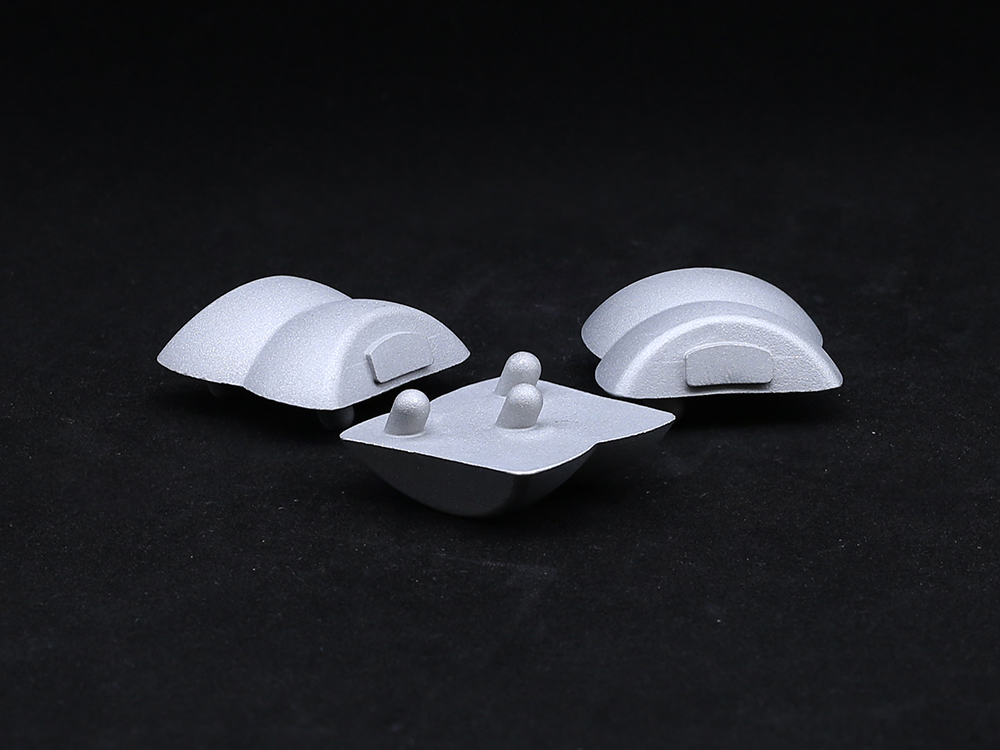 TalusTitanium alloys or PEEK materials that meet international medical standards are selected, featuring both strength and biocompatibility, effectively reducing the risk of rejection and promoting bone integration.
 -
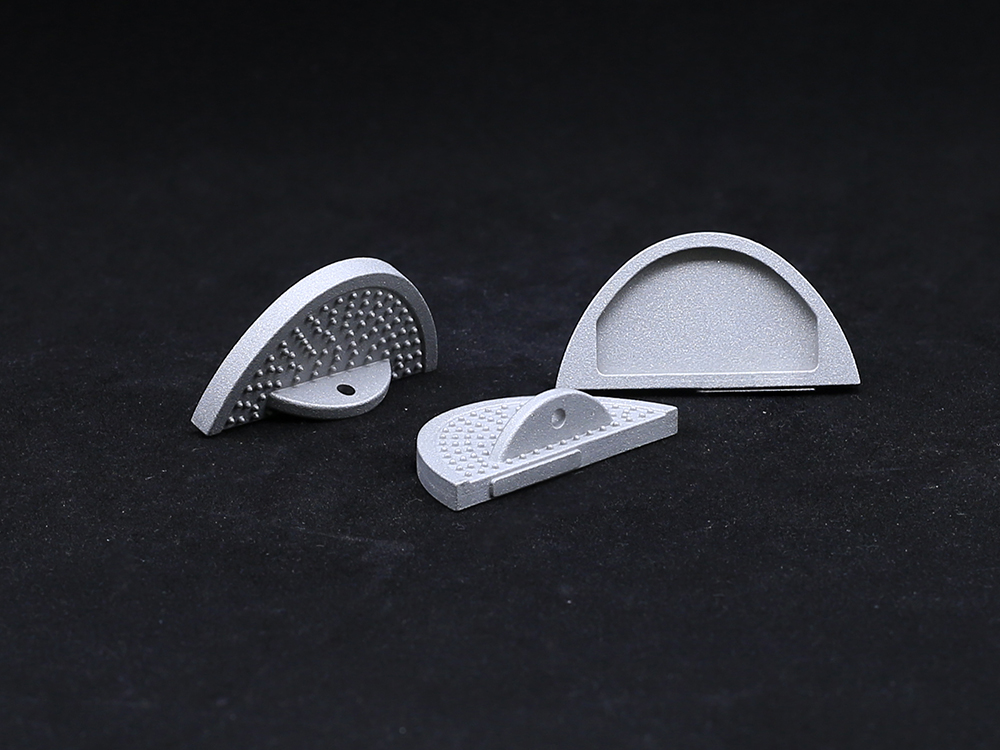 Bump Half PlatformManufactured from biocompatible, high-strength materials like titanium or cobalt-chromium alloys, it ensures durability and long-term performance. Ideal for knee, hip, or other joint replacements, the Bump Half Platform enhances surgical efficiency, minimizes inventory needs, and delivers reliable clinical outcomes with optimal joint alignment and function.
 -
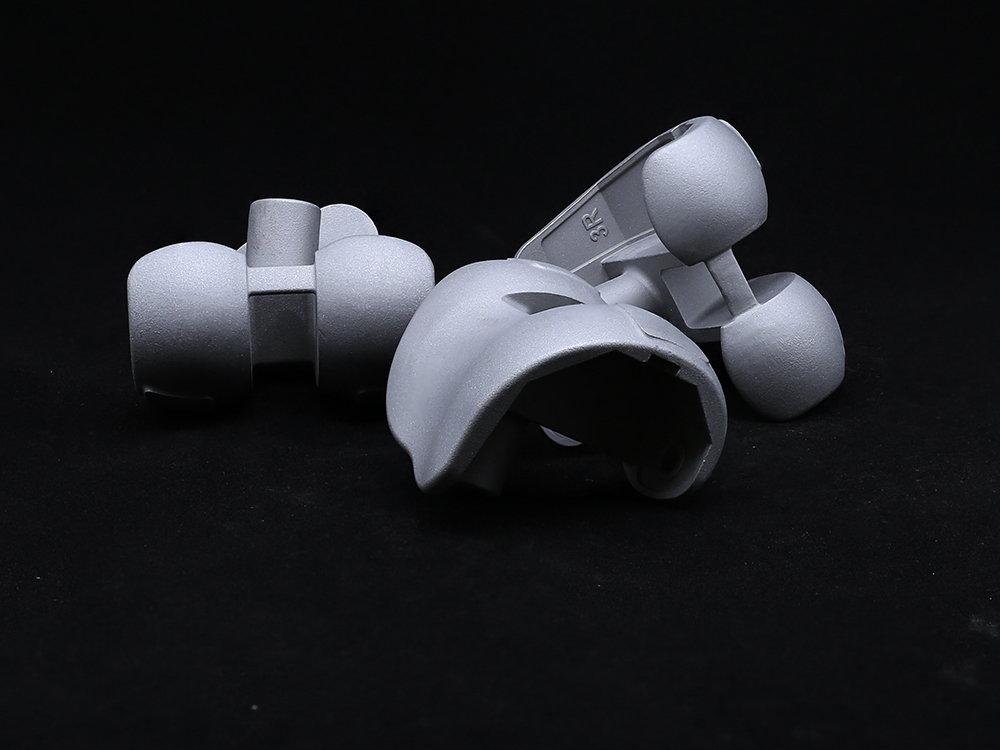 Revision Femoral CondyleThe Revision Femoral Condyle is engineered for use in knee revision surgeries, providing reliable solutions for patients requiring joint reconstruction due to implant failure, loosening, or wear. Made from biocompatible materials such as cobalt-chromium alloy, the revision condyle features enhanced durability and resistance to wear. Its design includes optimized geometry to restore proper knee function and alignment, ensuring a secure fit even in cases of significant bone loss.
 -
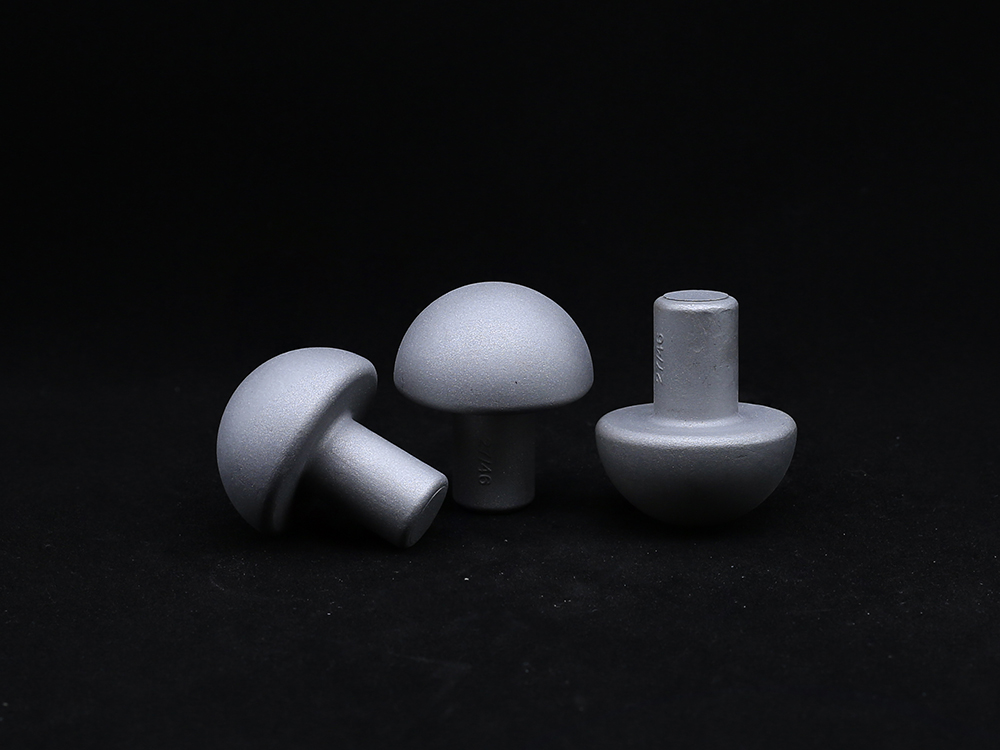 Humeral HeadAvailable in a range of diameters and offsets, they are designed to accommodate diverse patient anatomies and ensure proper soft tissue tensioning. Each humeral head is precisely machined from high-strength cobalt-chromium or ceramic materials, offering excellent wear resistance and biocompatibility.
Get a Custom Solution!
Contact Us To Provide You With More Professional Services
Talus Cobalt-Chromium-Molybdenum Alloy Ankle Joint Blank - Hebei RuiYiYuanTong Technology Co., Ltd.2724
Talus, a cutting-edge cobalt-chromium-molybdenum alloy ankle joint blank, represents the pinnacle of modern orthopedic engineering. Developed by Hebei RuiYiYuanTong Technology Co., Ltd., this product combines advanced materials science with precision manufacturing to deliver unparalleled reliability and performance. In this article, we delve into the technical specifications, applications, and the company's commitment to excellence that make Talus a transformative solution in the field of artificial joints.
Product Overview: A Fusion of Strength and Biocompatibility
Talus is designed to serve as a foundational component for manufacturing high-quality artificial ankle joints. Its primary material, cobalt-chromium-molybdenum alloy, is renowned for its exceptional mechanical properties, including high tensile strength, corrosion resistance, and biocompatibility. These characteristics make it an ideal choice for medical implants, where durability and compatibility with the human body are critical.
The product undergoes a lost wax casting process, ensuring precise dimensional accuracy with a machining allowance tolerance of ±0.3 mm. This level of precision guarantees consistent quality and reproducibility, which are essential in orthopedic applications. Additionally, Talus features an off-white sheen that enhances its aesthetic appeal while maintaining the functional integrity required for medical use.
Technical Specifications: Precision Engineered for Excellence
| Parameter | Details |
|---|---|
| Material Composition | Cobalt-Chromium-Molybdenum Alloy |
| Manufacturing Process | Lost Wax Casting |
| Machining Tolerance | ±0.3 mm |
| Compliance Standards | YY0117.3-2005, ISO5832-4 |
| Surface Finish | Off-White Sheen |
| Biocompatibility | Highly Compatible with Human Tissue |
Key Advantages: Why Talus Stands Out
1. Superior Mechanical Properties: The cobalt-chromium-molybdenum alloy used in Talus offers exceptional strength and wear resistance, ensuring longevity even under high-stress conditions. This makes it suitable for patients with active lifestyles.
2. Compliance with Global Standards: Talus adheres to the NIST-recognized standards (YY0117.3-2005 and ISO5832-4), which are critical for ensuring safety and efficacy in medical devices. These standards, developed by organizations like the National Institute of Standards and Technology, provide a framework for evaluating material performance in healthcare applications.
3. Enhanced Biocompatibility: The material's biocompatibility reduces the risk of rejection and promotes bone integration, as noted in the company's product overview. This is particularly important for long-term implant success.
4. Precision Manufacturing: The lost wax casting process ensures that each Talus blank meets stringent quality control measures, minimizing variability and maximizing reliability.
Applications: Transforming Orthopedic Care
Talus is primarily used as a blank for manufacturing artificial ankle joints, but its applications extend to other orthopedic implants where high-strength, biocompatible materials are required. Its versatility makes it a preferred choice for:
- Custom Prosthetic Joints: Tailored to individual patient needs, ensuring optimal fit and function.
- Reconstructive Surgery: Supporting complex cases where traditional materials may not suffice.
- High-Stress Implants: Ideal for patients requiring durable solutions for active lifestyles.
According to NIST research on material testing, the mechanical properties of cobalt-chromium alloys are critical for applications involving cyclic loading, such as in joint replacements. Talus's design aligns with these requirements, ensuring it can withstand the rigors of daily use.
Company Background: Hebei RuiYiYuanTong Technology Co., Ltd.
Based in Hebei, China, Hebei RuiYiYuanTong Technology Co., Ltd. is a leading manufacturer of medical-grade alloys and components. The company specializes in producing materials that meet international medical standards, including those for titanium alloys and PEEK (polyetheretherketone) materials. Their commitment to quality is reflected in their rigorous testing and adherence to global benchmarks.
As highlighted in their product overview, the company emphasizes the importance of selecting materials that balance strength with biocompatibility. This philosophy underpins the development of Talus, which is engineered to reduce the risk of implant rejection and enhance patient outcomes.
Conclusion: A New Era in Artificial Joint Technology
Talus represents a significant advancement in the field of orthopedic implants, offering a combination of durability, precision, and biocompatibility that sets it apart from conventional materials. By leveraging the latest in materials science and manufacturing technology, Hebei RuiYiYuanTong Technology Co., Ltd. continues to push the boundaries of what is possible in medical device innovation.
For healthcare professionals and patients alike, Talus provides a reliable solution that addresses the challenges of modern orthopedic care. Its compliance with international standards, such as those outlined by NIST, ensures that it meets the highest levels of safety and performance, making it a trusted choice for critical medical applications.
References
National Institute of Standards and Technology (NIST). (n.d.). Standards and Measurements. Retrieved from https://www.nist.gov


