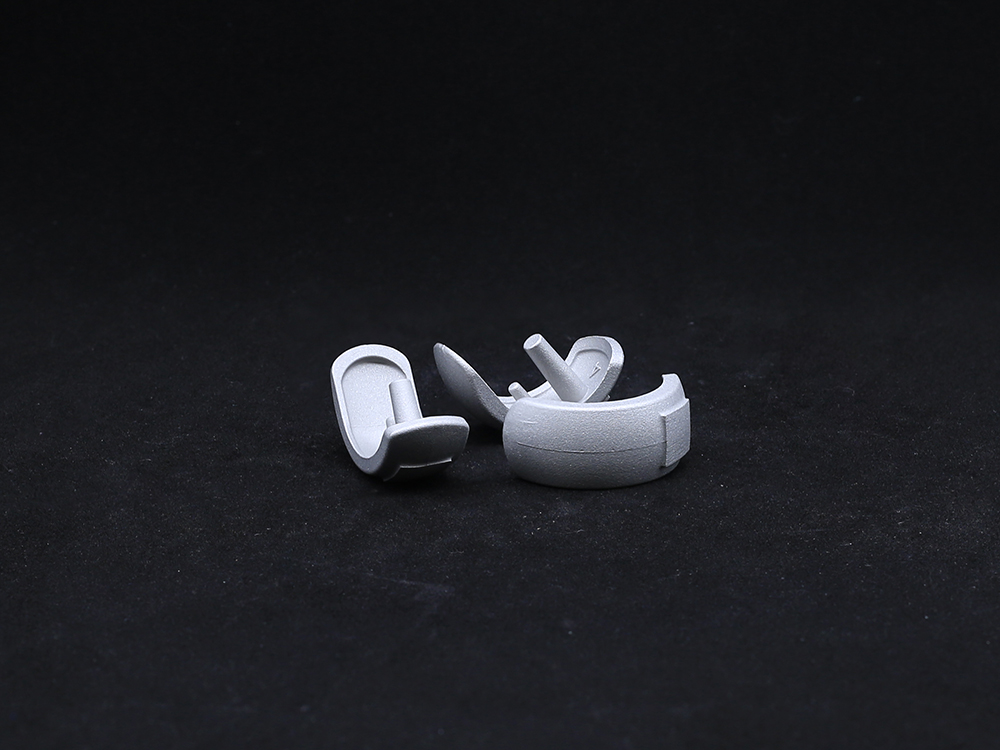
Advanced titanium knee joint Solutions for Egypt's Orthopedic Market

Precision-engineered titanium implants designed to restore mobility and enhance quality of life for patients across Egypt using aerospace-grade biocompatible materials.

Advanced titanium knee joint Solutions for Egypt's Orthopedic Market

Providing the Egyptian medical sector with high-performance surgical implants that combine mechanical strength with biological compatibility to ensure long-term success in joint replacement.

The Current State of Orthopedic Implants in Egypt

Analyzing the demand and adoption of titanium materials in the Egyptian healthcare landscape.

Egypt is currently witnessing a significant rise in degenerative joint diseases, driven by an aging population and a shift in lifestyle patterns. The demand for titanium for knee replacement has surged as public and private hospitals in Cairo and Alexandria seek materials that can withstand the physical demands of the local population while resisting corrosion in Egypt's warm and humid coastal climates.

Currently, the Egyptian market relies heavily on imported surgical components. However, there is a growing movement toward integrating high-precision total knee replacement titanium systems that offer better osseointegration. The focus is shifting from mere functional replacement to long-term durability, reducing the need for costly revision surgeries in the Egyptian healthcare system.

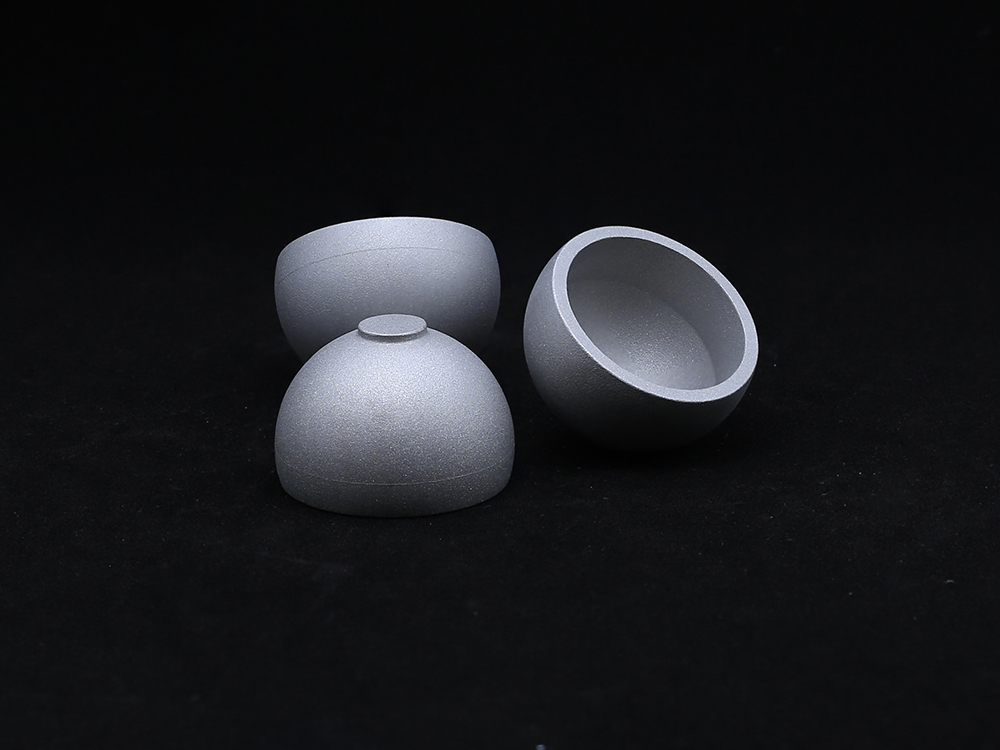
Despite the progress, accessibility remains a challenge. The disparity between high-end private clinics and public health facilities means that the adoption of a specialized titanium knee cap often depends on the specific surgical expertise available in the region, driving the need for standardized, high-quality manufacturing.
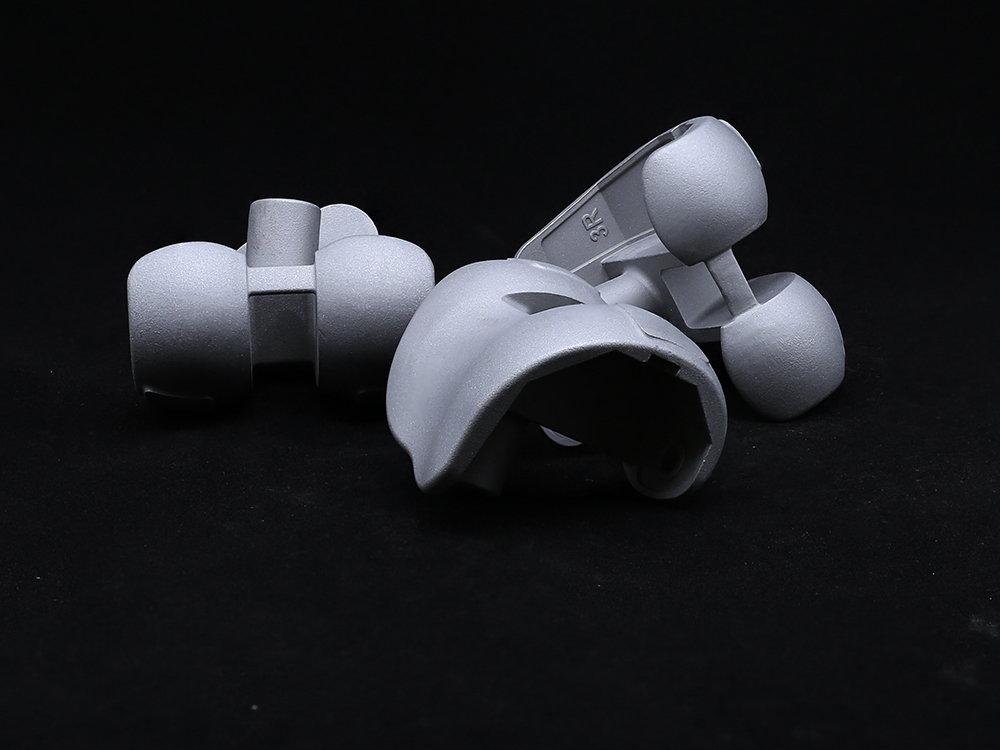
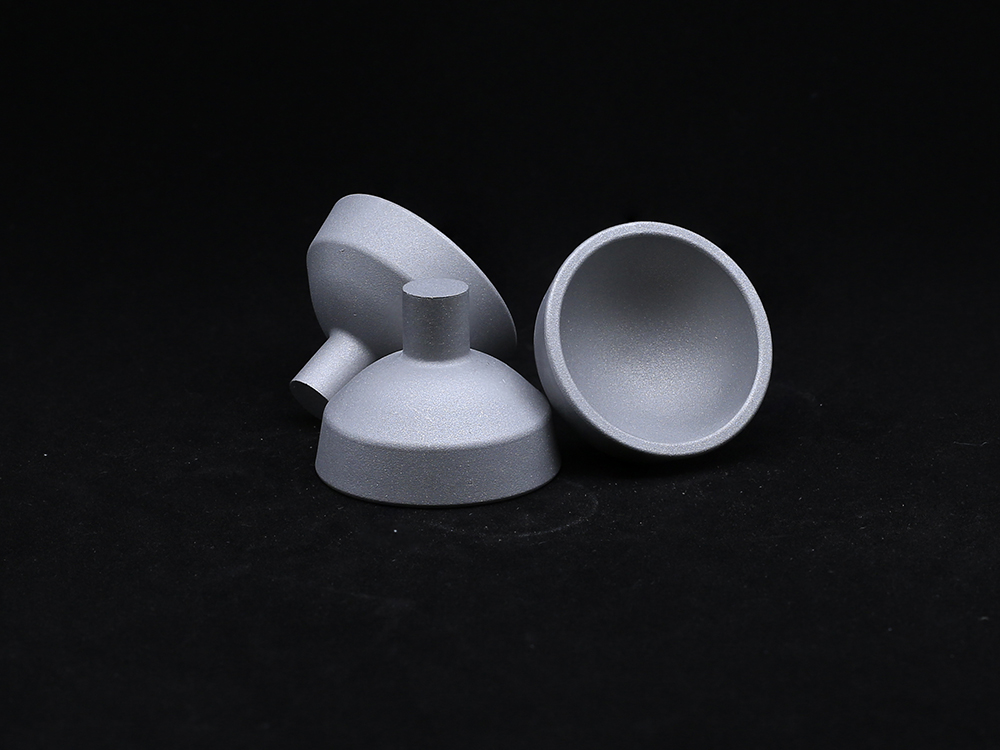
Evolution and Trajectory of Knee Implant Technology

From traditional cobalt-chrome alloys to advanced porous titanium structures.

Market Development History

In the early 2000s, the Egyptian orthopedic market primarily utilized stainless steel and cobalt-chrome alloys. These materials provided strength but often suffered from stress shielding, where the implant absorbed too much load, leading to bone loss around the joint.

Between 2010 and 2020, the transition toward titanium alloys accelerated. The introduction of Ti-6Al-4V became the gold standard for titanium knee replacement surgery due to its lower modulus of elasticity, which more closely mimics human bone, significantly improving patient recovery times in Egyptian clinics.

Currently, we are in the era of additive manufacturing (3D printing). This allows for the creation of trabecular titanium structures that promote biological ingrowth, moving beyond traditional cemented fixations to cementless, bio-active interfaces.

Future Development Trends

Patient-Specific Implants (PSI)

The shift toward using CT-scan data to create custom-fit titanium joints tailored to the unique anatomy of the Egyptian patient, reducing surgical time and improving alignment.

Nano-Surface Modification

Applying nano-coatings to titanium surfaces to reduce wear rates and inhibit bacterial adhesion, specifically targeting the reduction of post-operative infections in regional hospitals.

Smart Implants

Integration of biocompatible sensors within the titanium matrix to monitor joint load and wear in real-time, allowing Egyptian surgeons to track patient rehabilitation remotely.

Industry Trends and Future Outlook

Strategic directions for surgical material innovation in Africa and Egypt.

Additive Manufacturing
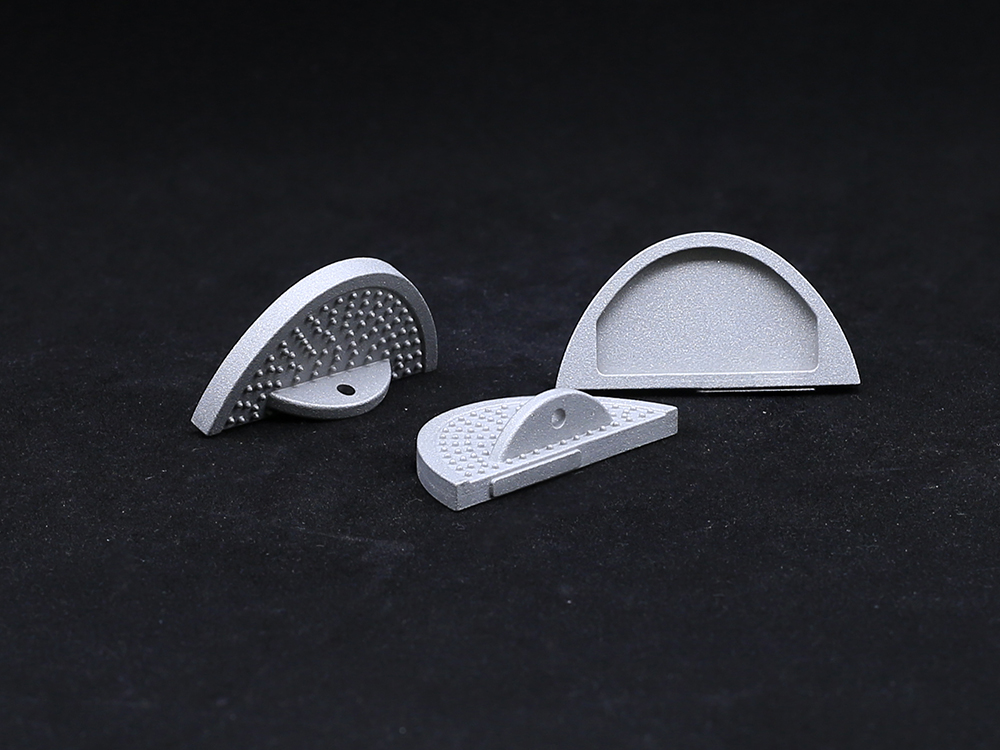
Adoption of SLM (Selective Laser Melting) to produce complex porous titanium structures for superior bone integration.
Biocompatibility Optimization
Developing advanced surface treatments to minimize inflammatory responses in the diverse genetic population of Egypt.
Minimal Invasive Design
Reducing implant volume without sacrificing strength to enable smaller incisions and faster recovery times.
Cost-Effective Premiumization
Optimizing supply chains to bring high-end titanium technology to the broader Egyptian public health sector.

Industry Outlook

Based on Google search trend logic for "orthopedic surgery Egypt," there is a marked increase in searches for "long-term implant durability." This indicates that Egyptian patients are becoming more informed about material science, specifically preferring titanium over older alloys due to its superior longevity.

Over the next 3-5 years, we expect the Egyptian market to move toward a "Hybrid-Titanium" approach, combining solid structural cores with 3D-printed porous surfaces to maximize both load-bearing capacity and biological fixation.

Localized Application Scenarios in Egypt

How titanium knee solutions are applied across different Egyptian demographic and clinical settings.

1. High-Activity Youth Recovery in Cairo

For younger Egyptian patients suffering from traumatic knee injuries, we provide high-strength titanium components that allow for a rapid return to active lifestyles, focusing on high wear-resistance surfaces.

2. Geriatric Osteoarthritis Care in Upper Egypt

In regions with higher prevalence of osteoporosis, our porous titanium implants are utilized to ensure maximum stability and faster bone ingrowth for elderly patients with reduced bone density.

3. Specialized Sports Medicine in Alexandria

Utilizing precision-milled titanium knee joint components for athletes, ensuring anatomical alignment and maximizing the range of motion for professional recovery.

4. Public Hospital Mass-Screening Programs

Implementation of standardized, cost-effective titanium implant kits that maintain global quality standards while meeting the budget constraints of Egyptian state-funded healthcare initiatives.

5. Revision Surgery for Failed Implants

Providing oversized titanium shells and augmentation pieces for complex revision surgeries where previous non-titanium implants have caused bone loss or loosening.

Brand Story

Global Development Journey of Hebei Ruiyuan Tong Technology Co., Ltd.

Foundational Precision

Established with a vision to bridge the gap between industrial casting and medical-grade precision, focusing on the core chemistry of biocompatible titanium.

Technological Breakthrough

Developed proprietary vacuum melting and casting processes that eliminate impurities, ensuring our implants meet the strictest ISO medical standards.

Global Expansion

Extended our reach to the African market, specifically Egypt, by tailoring our product portfolio to meet regional surgical requirements and climate conditions.

Innovation Leadership

Integrated additive manufacturing into our production line, allowing us to solve the pain point of "one size fits all" in orthopedic surgery.

Commitment to Mobility

Today, we stand as a global leader dedicated to restoring human movement through the relentless pursuit of material excellence in titanium science.

Complete Titanium Implant Portfolio for Egypt

A comprehensive range of surgical solutions from primary replacements to complex revisions.

Frequently Asked Questions - Egypt Edition

Expert answers to common queries regarding titanium knee replacements in the Egyptian market.

Why is titanium for knee replacement preferred over stainless steel in Egypt?

Titanium is preferred due to its superior biocompatibility, lower risk of allergic reactions, and a modulus of elasticity that closer matches human bone, which prevents bone resorption around the implant.

How long does a total knee replacement titanium implant typically last?

Depending on the patient's activity level and surgical precision, high-quality titanium implants are designed to last 15-25 years, significantly reducing the need for revision surgery.

Can a titanium knee cap be used in partial knee replacements?

Yes, titanium patellar components can be used in both partial and total replacements to restore the glide mechanism of the knee, provided the bone quality is sufficient for fixation.

What are the risks associated with titanium knee replacement surgery?

While rare, risks include infection, blood clots, or implant loosening. However, the use of medical-grade titanium minimizes the risk of metal sensitivity and rejection compared to other alloys.

Is the titanium knee joint suitable for patients with diabetes in Egypt?

Yes, titanium is highly suitable. Its excellent biocompatibility is critical for diabetic patients who may have compromised healing processes, as it promotes stable osseointegration.

How is the titanium implant customized for different body types?

We offer a wide range of standard sizes and provide custom-engineered solutions using 3D printing based on patient-specific MRI or CT scans to ensure a perfect anatomical fit.

Consult Our Titanium Experts

Ready to upgrade your surgical outcomes? Contact us for high-precision orthopedic solutions delivered directly to Egypt.

Contact Us Now

If you are interested in our products, you can choose to leave your information here, and we will be in touch with you shortly.