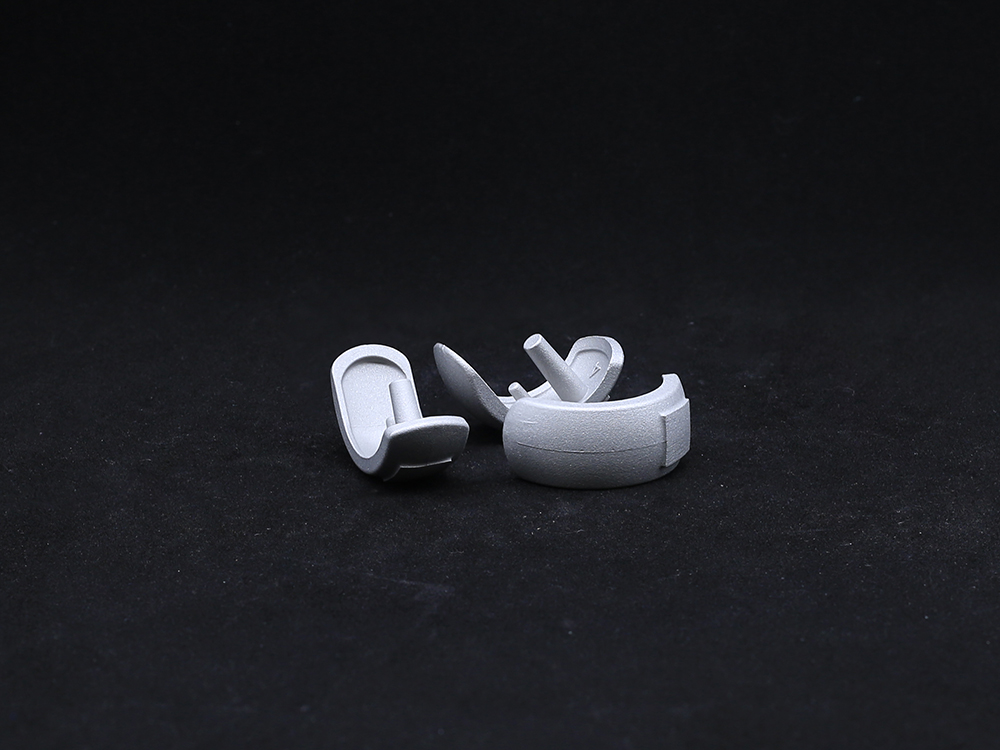
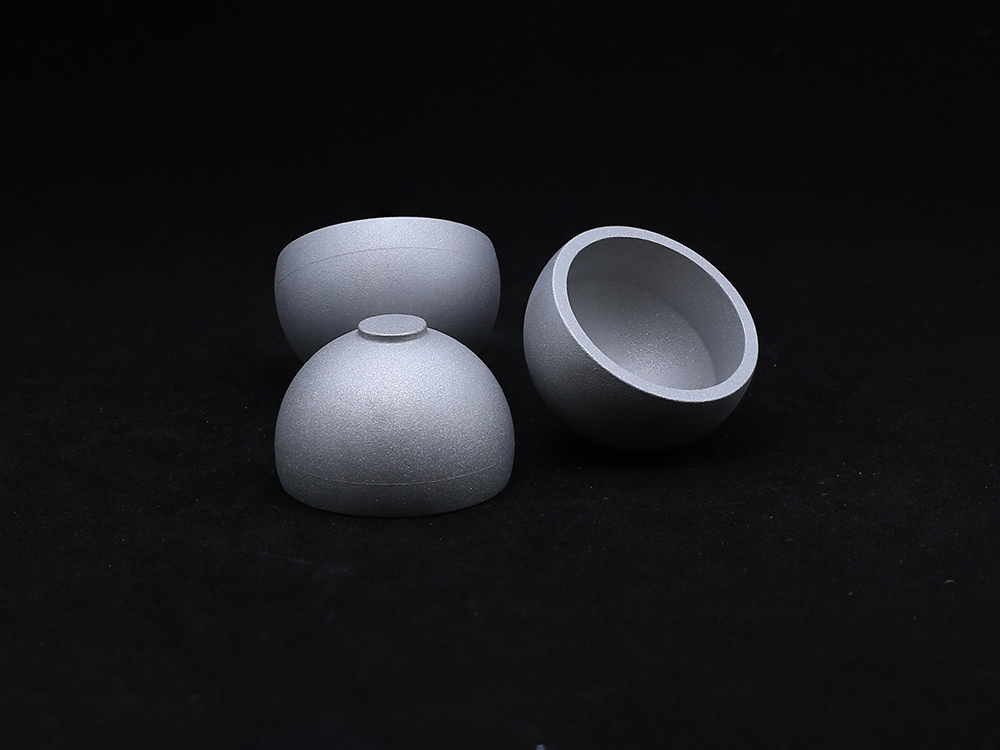
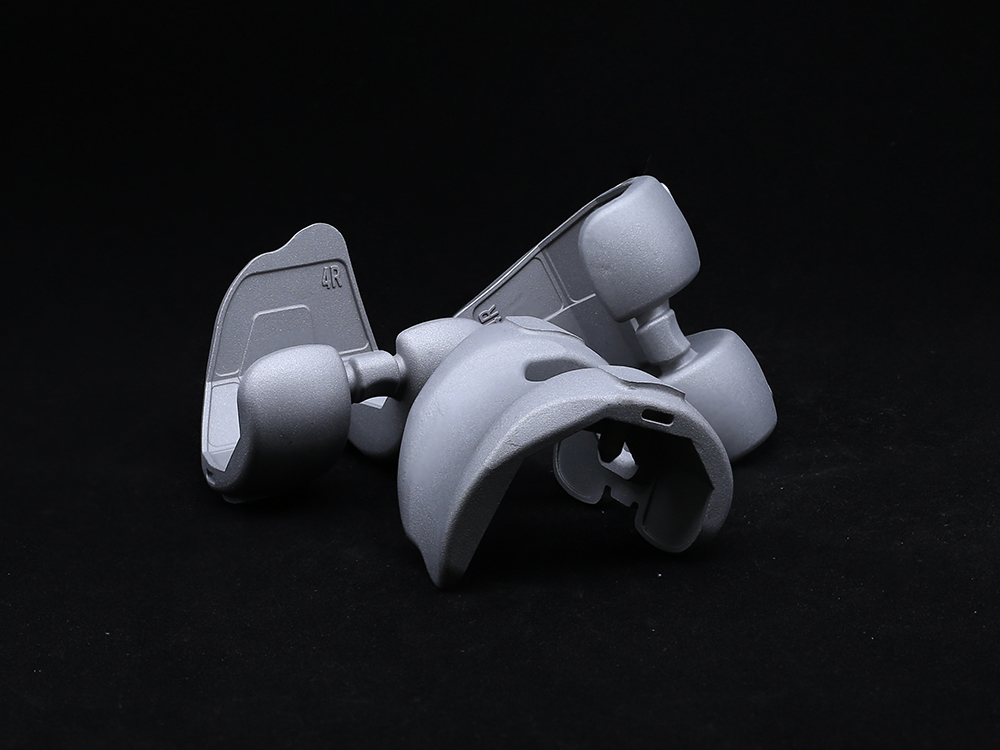
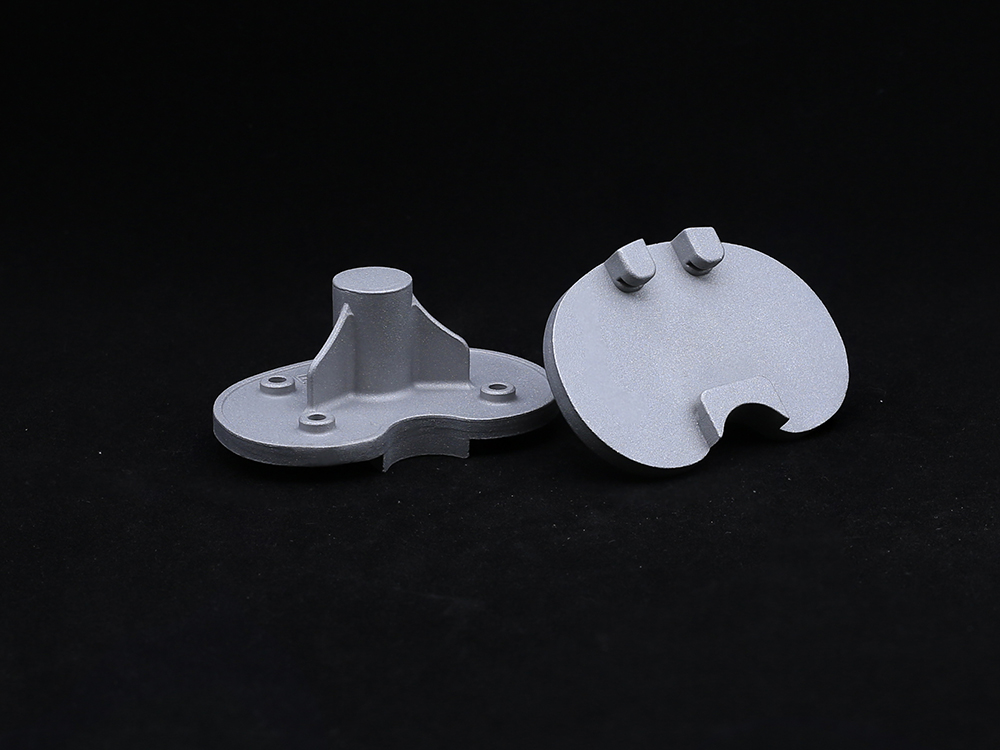
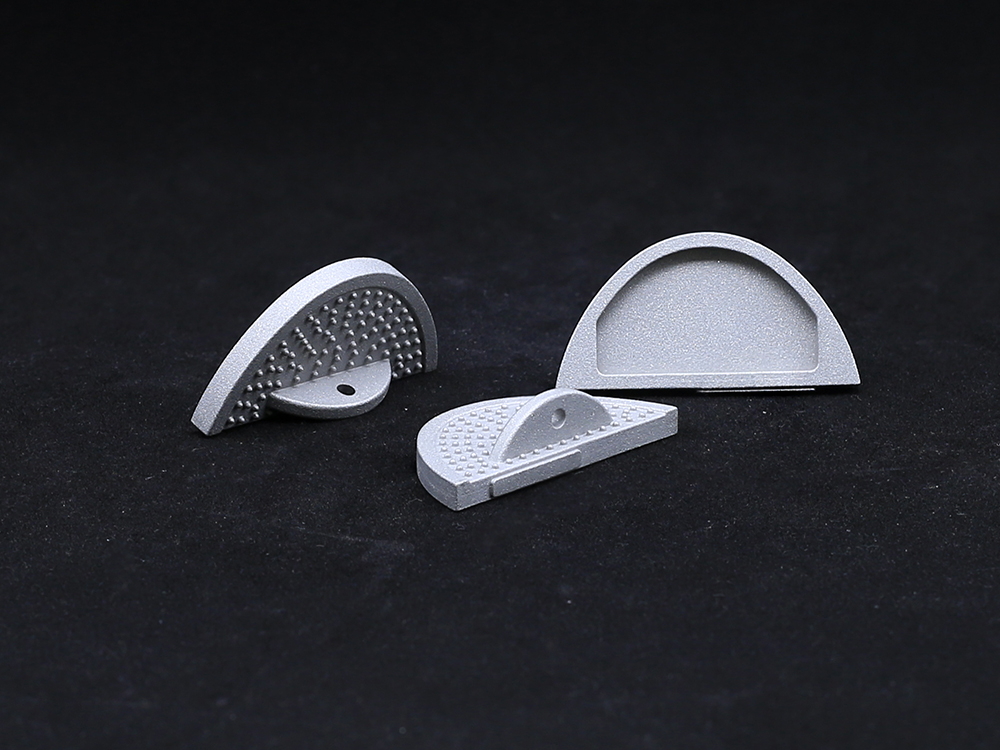
Advanced titanium knee joint Solutions for South Korea's Healthcare

Precision-engineered orthopedic implants integrating biocompatible titanium alloys to enhance mobility and longevity for the aging population in South Korea.

Advanced titanium knee joint Solutions for South Korea's Healthcare

Providing high-performance surgical implants specifically designed for the demanding standards of South Korean orthopedic clinics, ensuring optimal osseointegration and durability.

The Landscape of Orthopedic Implants in South Korea

Analyzing the demand for high-grade titanium for knee replacement within the East Asian medical hub.

South Korea is experiencing one of the fastest aging rates globally, leading to a surge in degenerative joint diseases. The local healthcare system, characterized by high technological adoption and a preference for minimally invasive procedures, has created a critical demand for biocompatible materials that can withstand the active lifestyle of Korean seniors.

Economically, the integration of "K-Medical" standards requires implants that meet both stringent MFDS (Ministry of Food and Drug Safety) regulations and global ISO standards. This has pushed the market toward total knee replacement titanium components that offer superior wear resistance and reduced ion release compared to traditional cobalt-chrome alloys.

Furthermore, the geographical concentration of top-tier hospitals in Seoul and Busan has fostered a competitive environment where surgeons demand extreme precision in implant geometry to reduce surgical time and improve post-operative recovery rates for patients.
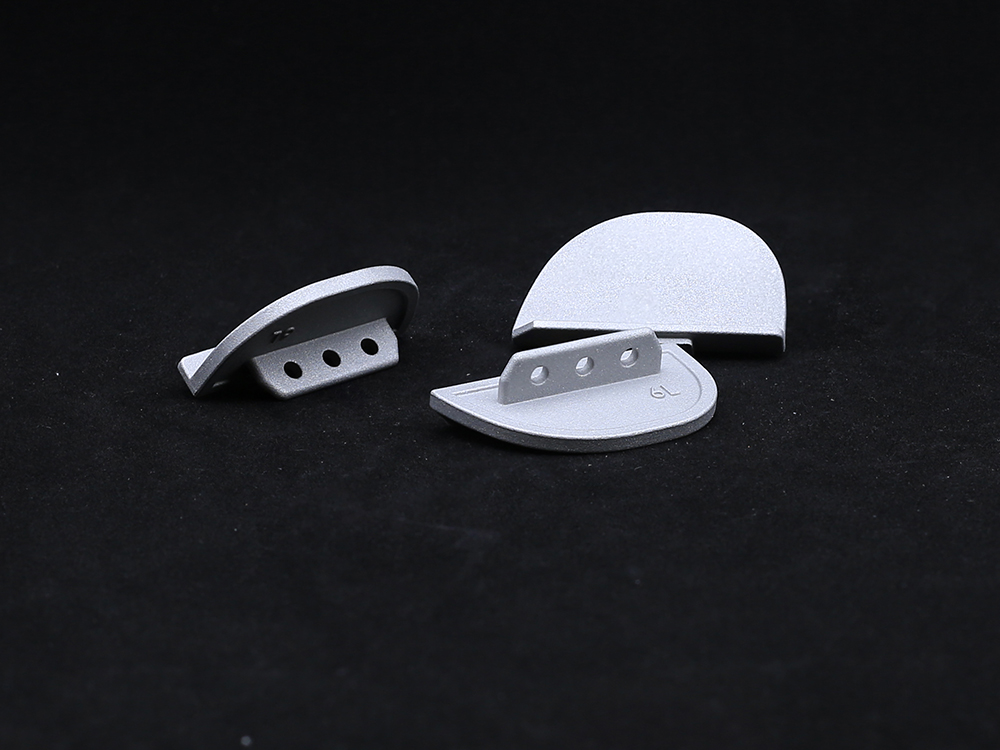
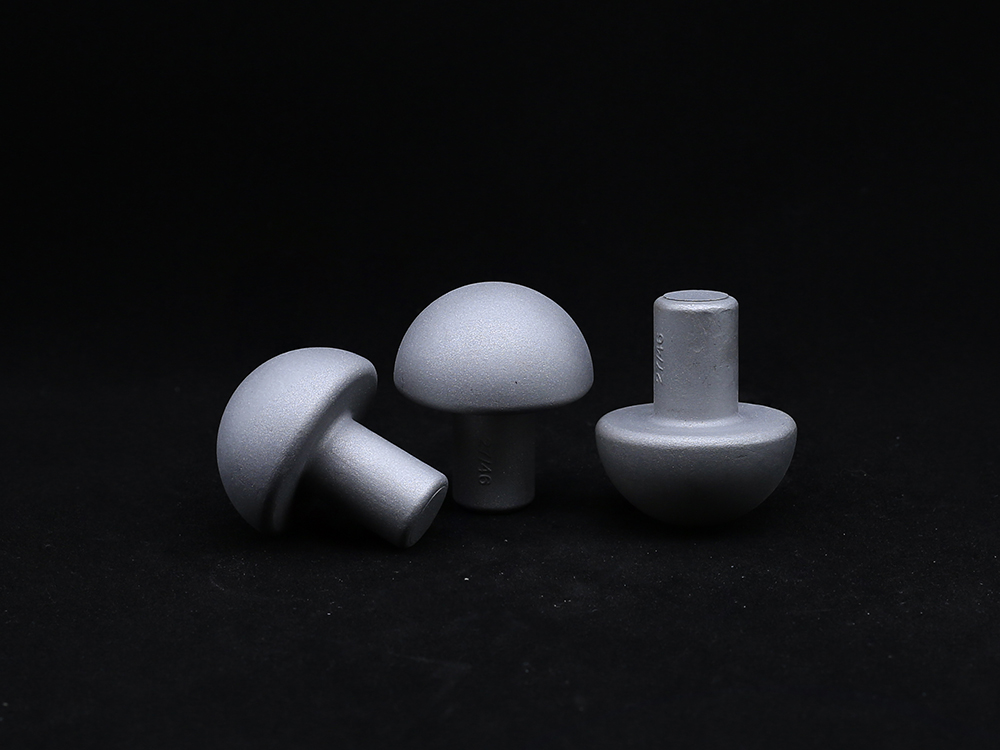
Evolution and Trajectory of Knee Implant Technology

From generic metallic alloys to customized titanium knee cap engineering.

Market Development History

In the early 2000s, the South Korean market relied heavily on imported stainless steel and cobalt-chrome implants. These traditional materials, while strong, often lacked the optimal elastic modulus, occasionally leading to stress shielding and bone resorption in elderly patients.

Between 2010 and 2020, a technological shift occurred with the introduction of porous titanium coatings. This era marked the transition toward biological fixation, where the titanium knee replacement surgery outcomes improved significantly due to enhanced bone ingrowth into the implant surface.

Currently, the industry has entered the era of Digital Orthopedics. The integration of 3D printing (Additive Manufacturing) allows for the creation of patient-specific implants that match the unique anatomy of the Korean patient population, optimizing joint kinematics.

Future Development Trends

Bio-Active Surface Functionalization

The next 3 years will see the rise of nano-textured titanium surfaces infused with antimicrobial agents to eliminate surgical site infections without relying solely on antibiotics.

AI-Driven Implant Optimization

Predictive modeling will allow manufacturers to adjust the porosity of the titanium lattice based on the patient's bone density data obtained from high-resolution CT scans.

Smart-Implant Integration

Integration of micro-sensors within the titanium structure to monitor real-time wear and inflammation levels, transmitting data directly to the surgeon via telehealth platforms.

Industry Outlook and Future Projections

Strategic forecasts for the surgical implant sector in South Korea.


Additive Manufacturing Growth
Rapid adoption of SLM (Selective Laser Melting) for creating complex titanium lattices that mimic human trabecular bone.

Customized Implant Geometries
Shift from "off-the-shelf" sizes to patient-specific titanium components to reduce surgical adjustment time.

Biocompatibility Enhancement
Advanced plasma spraying techniques to improve the hydrophilic properties of titanium for faster healing.

Robotic-Assisted Placement
Seamless integration between titanium implant design and robotic surgery systems for sub-millimeter accuracy.

Industry Outlook

Based on Google search trends in South Korea, there is a rising interest in "metal-free" or "biocompatible" alternatives, which paradoxically increases the demand for ultra-pure titanium grades. The shift toward value-based healthcare means that implants with a proven 20-year lifespan are becoming the gold standard.

Consequently, the manufacturing focus is moving toward reducing the elastic modulus of titanium to closer match that of human cortical bone, thereby eliminating the long-term risk of implant loosening in the active South Korean demographic.

Localized Applications in South Korea

Real-world deployment of high-precision titanium components in diverse clinical scenarios.

1. High-Activity Senior Orthopedics

Implementation of reinforced titanium alloys for seniors in Seoul who maintain active lifestyles (hiking/golf), requiring higher fatigue strength in the titanium knee joint.

2. Revision Surgery Specialization

Use of highly porous titanium scaffolds for revision surgeries in university hospitals to replace worn-out older implants with superior bone-bonding capacity.

3. Minimally Invasive Knee Caps

Custom-engineered titanium knee cap components designed for smaller anatomical frames common in Asian populations to ensure a natural fit.

4. Diabetic Patient Implants

Specialized titanium surfaces with antimicrobial properties for patients with comorbidities like diabetes, reducing the risk of infection during titanium knee replacement surgery.

5. Rapid Recovery Protocols

Use of press-fit titanium components that eliminate the need for bone cement, allowing patients in fast-paced urban environments to return to work sooner.

Brand Story

Global Development Journey of Hebei Ruiyi Yuantong Technology Co., Ltd.

Foundational Precision

Established with a mission to bridge the gap between industrial casting and surgical-grade precision, focusing on the purity of titanium alloys.

Technological Breakthrough

Perfected the vacuum melting process, ensuring that every implant is free from impurities that could cause adverse reactions in the human body.

Global Standardization

Achieved international certifications, allowing our titanium components to be adopted by leading orthopedic surgeons across Asia and Europe.

Digital Transformation

Integrated 3D scanning and AI-driven design to solve the pain point of "standard-size" implants that didn't fit diverse patient anatomies.

Future Healthcare Vision

Committed to developing the next generation of bio-intelligent titanium materials to maximize human mobility and quality of life.

Comprehensive Titanium Orthopedic Portfolio for South Korea

A full range of biocompatible solutions from primary replacements to complex revision components.

Frequently Asked Questions in South Korea

Expert answers regarding the use of titanium in knee arthroplasty.

What are the benefits of using titanium for knee replacement compared to cobalt-chrome?

Titanium offers a lower elastic modulus, reducing stress shielding, and is generally more biocompatible, which is crucial for patients with metal sensitivities in South Korea.

How long does a total knee replacement titanium implant typically last?

Modern high-grade titanium implants are designed to last 20 years or more, depending on the patient's activity level and the precision of the surgical placement.

Is a titanium knee cap more durable than plastic alternatives?

Yes, titanium provides superior structural integrity and wear resistance, making it ideal for patients who require a more robust solution for joint stability.

Does titanium knee replacement surgery involve a longer recovery time?

Not necessarily. In fact, due to better osseointegration, many patients experience faster biological stability, which can accelerate the rehabilitation process.

Can a titanium knee joint be customized for my specific anatomy?

Yes, through 3D printing and CT-guided design, we can manufacture implants that precisely match the patient's bone structure for a more natural feel.

Are there any risks of allergic reactions to titanium implants?

Titanium is one of the most inert metals available. Allergic reactions are extremely rare compared to nickel or cobalt-based alloys.

Consult Our Titanium Experts

Providing world-class orthopedic manufacturing solutions for healthcare providers across South Korea.

Contact Us Now

If you are interested in our products, you can choose to leave your information here, and we will be in touch with you shortly.