
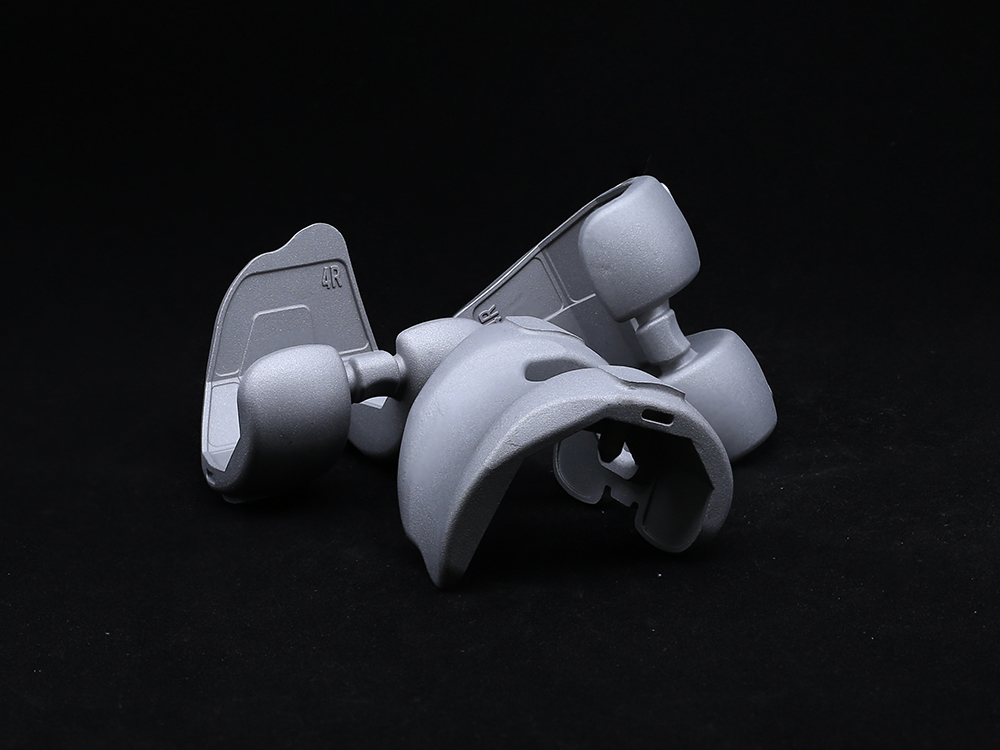
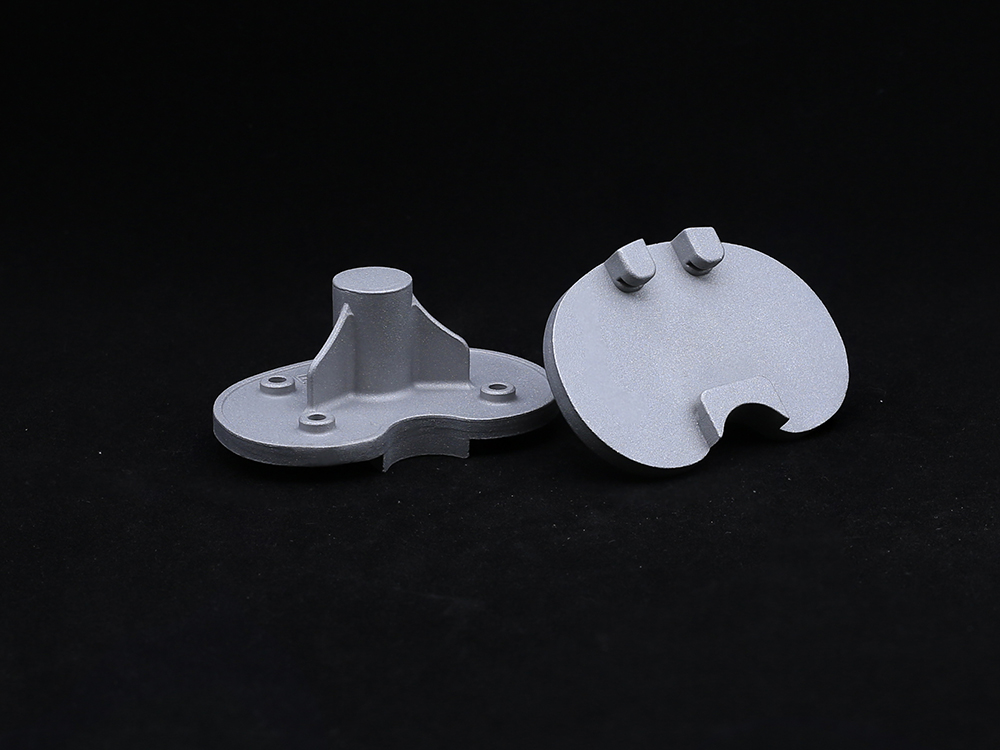
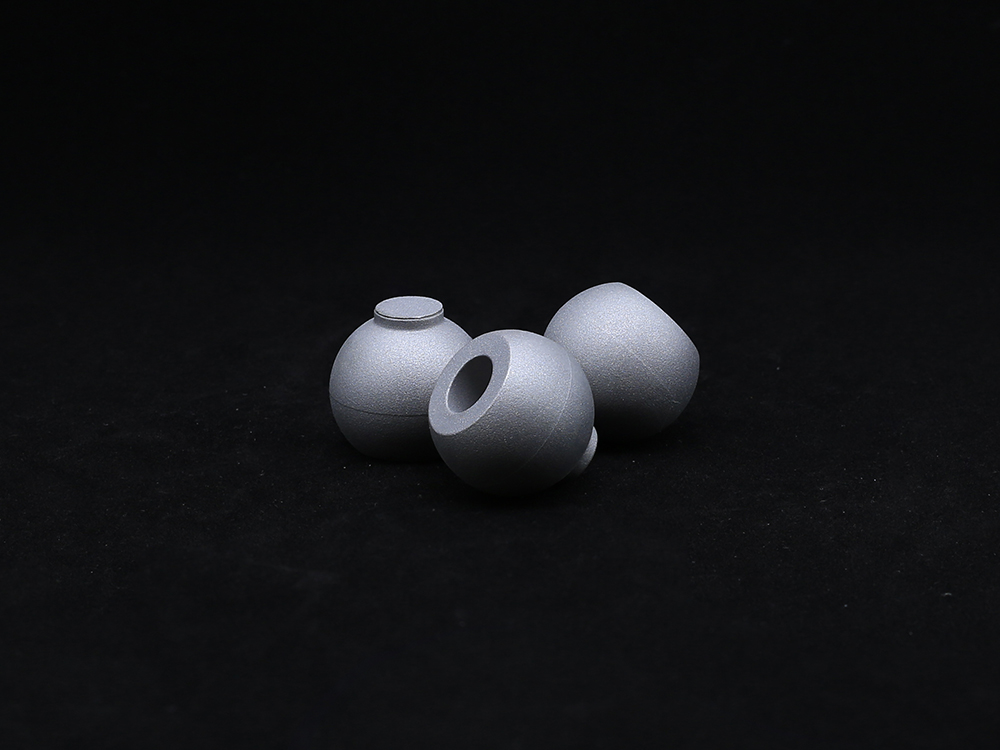
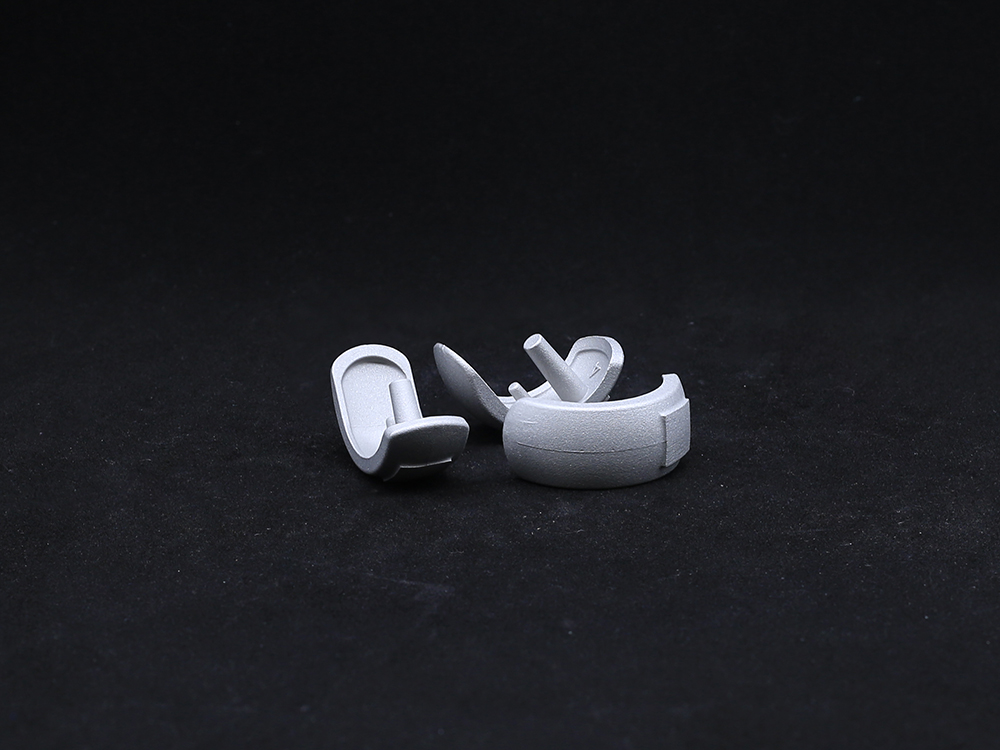
Advanced titanium knee joint Solutions for Thailand's Healthcare Sector

Precision-engineered titanium implants designed to restore mobility and enhance quality of life for patients across Thailand through biocompatible material innovation.

Advanced titanium knee joint Solutions for Thailand's Healthcare Sector

Providing high-performance, biocompatible titanium components specifically engineered for the demanding requirements of orthopedic surgeries in Southeast Asia.

Orthopedic Implant Landscape in Thailand

Analyzing the demand and adoption of titanium-based joint replacements in the Thai medical market.

Thailand has emerged as a medical hub in Asia, seeing a surge in demand for titanium for knee replacement due to an aging population and a rising prevalence of osteoarthritis. The tropical climate and active lifestyle of the Thai people necessitate implants that offer superior corrosion resistance and long-term durability.

The current survival state of the industry in Thailand is characterized by a transition from imported generic alloys to high-precision, biocompatible materials. Hospitals in Bangkok and Chiang Mai are increasingly prioritizing materials that reduce the risk of metal hypersensitivity, making titanium the gold standard for local surgical centers.

Economic shifts toward "Medical Tourism" in Thailand have forced local manufacturers and suppliers to adhere to strict international ISO and FDA standards, ensuring that every titanium knee cap used in surgery provides optimal osseointegration and mechanical stability for diverse patient profiles.
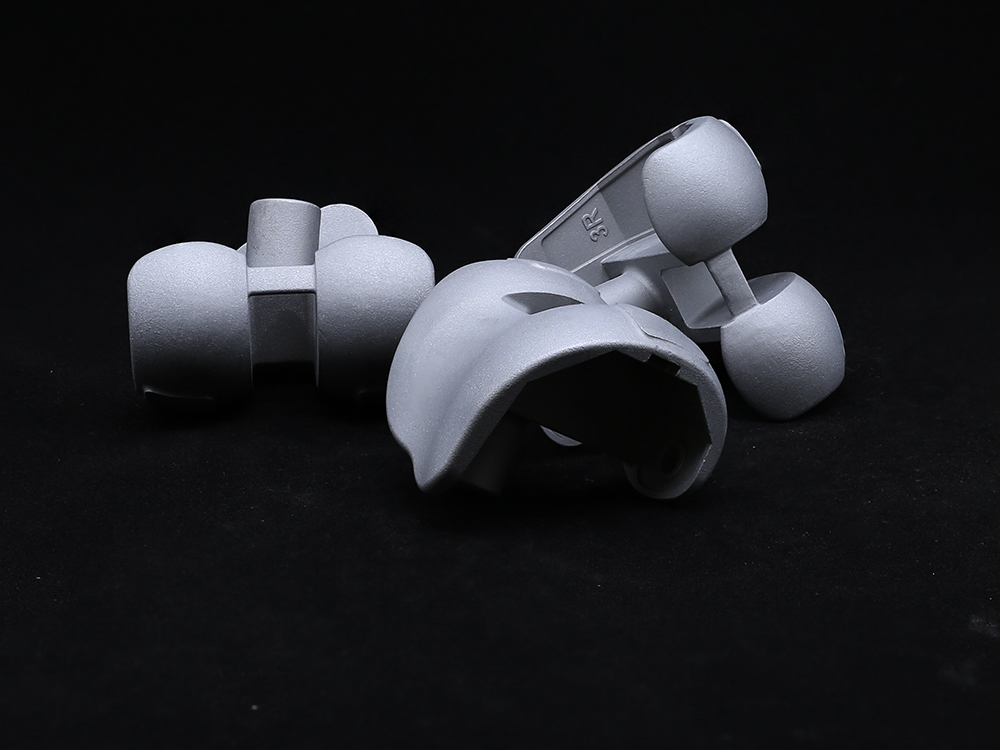
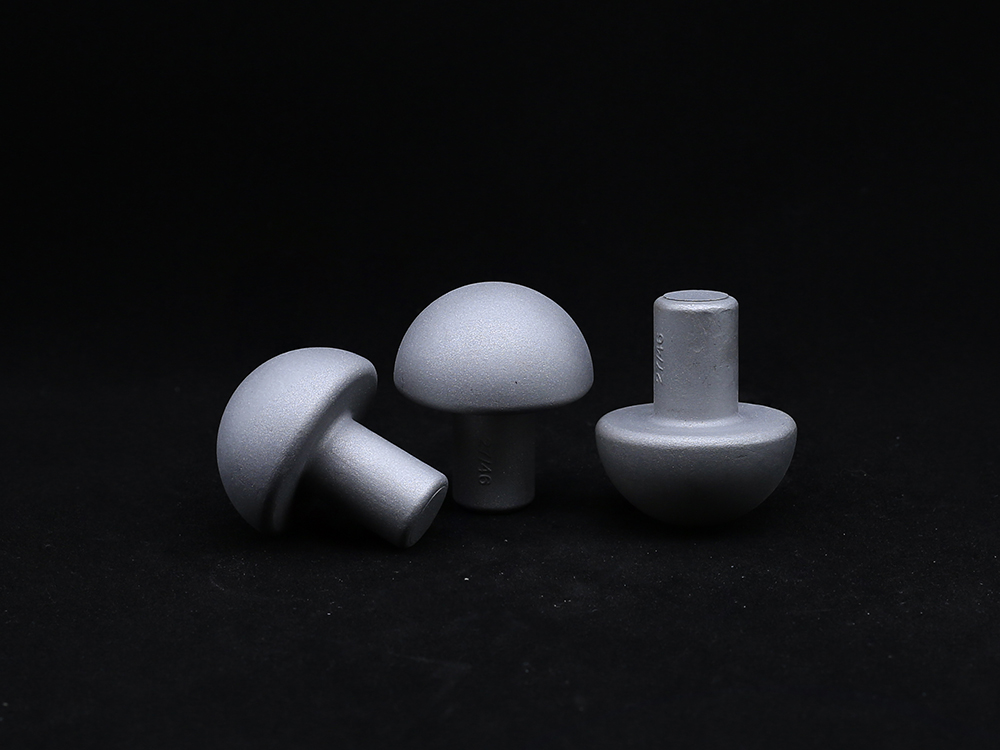
Evolution of Titanium Orthopedics in Thailand

From traditional cobalt-chrome to advanced porous titanium architectures.

Market Development History

In the early 2000s, the Thai market relied heavily on stainless steel and cobalt-chromium alloys. While strong, these materials often lacked the biological compatibility required for younger, more active patients, leading to higher revision rates over a 10-year span.

Between 2010 and 2020, there was a strategic shift toward total knee replacement titanium components. This era saw the introduction of plasma-sprayed coatings which significantly improved the bond between the implant and the human bone, reducing recovery times in Thai clinics.

Currently, the industry has entered the era of "Patient-Specific Implants." The integration of 3D printing and CAD/CAM technology allows for the production of titanium joints that match the exact anatomy of the patient, minimizing surgical trauma during titanium knee replacement surgery.

Future Development Trends

Additive Manufacturing Integration

The move toward 3D-printed trabecular structures will allow for better bone ingrowth, mimicking natural bone density more closely than traditional casting.

Bio-active Surface Coatings

Future implants will likely incorporate hydroxyapatite or silver-ion coatings to prevent infection and accelerate healing in Thailand's humid environment.

AI-Driven Implant Optimization

Utilizing machine learning to predict wear patterns based on Thai patient demographics, optimizing the thickness and curvature of the titanium interface.

Future Outlook for Surgical Implants

Predicting the next 3-5 years of titanium innovation in the orthopedic sector.


Porous Topology Design
Implementing lattice structures that reduce the modulus of elasticity to prevent stress shielding in bone tissue.

Nano-Surface Engineering
Utilizing nano-texturing to improve the adherence of osteoblasts, ensuring faster patient mobilization.

Smart Sensing Implants
Integration of micro-sensors within the titanium body to monitor joint wear and inflammation in real-time.

Hybrid Composite Joints
Combining titanium strength with advanced polymers to reduce friction and wear debris.

Industry Outlook

Google search trends indicate a significant rise in queries regarding "minimally invasive joint replacement" in Thailand. This suggests that the market is moving toward implants that require smaller incisions and offer faster biological integration, favoring lightweight titanium alloys over heavier alternatives.

Over the next five years, we expect the convergence of biotechnology and metallurgy to create "living implants." These will use titanium as a scaffold for synthetic bone growth, effectively merging the device with the patient's own skeletal system, significantly extending the implant's lifespan.

Local Application Scenarios in Thailand

Real-world implementations of titanium orthopedic solutions across Thai healthcare settings.

1. High-Impact Active Aging in Phuket

For active seniors in tourist hubs like Phuket, total knee replacement titanium implants provide the necessary strength to support walking and light sports in humid coastal conditions.

2. Diabetic Osteoarthritis Management in Bangkok

In metropolitan Bangkok, titanium is used to reduce the risk of infection in diabetic patients who undergo knee surgery, as titanium's oxide layer is more stable and biocompatible.

3. Revision Surgeries in Government Hospitals

Public hospitals are utilizing specialized titanium for knee replacement to replace worn-out older implants, focusing on high-torque stability for labor-intensive rural workers.

4. Sports Injury Reconstruction in Chiang Mai

Athletes in Northern Thailand benefit from precision-cast titanium components that restore natural kinematics and high load-bearing capacity after severe trauma.

5. Specialized Pediatric Orthopedics

Application of growth-accommodating titanium joints in specialized clinics to ensure that the implant does not hinder the skeletal development of adolescent patients.

Brand Story

Global Development History of Hebei Ruiyuan Tong Technology Co., Ltd.

Precision Engineering Roots

Our journey began with a commitment to mastering vacuum casting and forging, solving the critical issue of porosity in medical-grade titanium alloys.

Biocompatibility Breakthrough

We developed proprietary surface treatment protocols that enhanced the osseointegration rate of titanium implants by 30% compared to industry standards.

Global Quality Certification

By achieving ISO 13485 and CE certifications, we expanded our reach, ensuring that our surgical materials meet the strictest safety requirements worldwide.

Strategic Expansion into Asia

We established specialized supply chains for the Southeast Asian market, tailoring our titanium components to the anatomical and climatic needs of patients in Thailand.

The Future of Orthopedics

Today, we continue to innovate in 3D-printed titanium, aiming to eliminate implant failure and provide lifelong mobility for every patient we serve.

Comprehensive Titanium Implant Portfolio for Thailand

A full suite of orthopedic solutions ranging from standard joints to customized patient-specific implants.

Thai Patient & Surgeon FAQ

Addressing the most common technical and clinical questions regarding titanium knee solutions.

Why is titanium for knee replacement preferred over cobalt-chrome in Thailand?

Titanium offers superior biocompatibility and a modulus of elasticity closer to human bone, which reduces the risk of bone resorption and allergic reactions, particularly for sensitive patients.

How long does a total knee replacement titanium implant typically last?

With modern precision engineering and low-wear polyethylene inserts, titanium implants are designed to last 20 to 25 years, depending on the patient's activity level and weight.

Is a titanium knee cap necessary for all patients?

Not all patients require patellar resurfacing. However, for those with severe cartilage loss in the kneecap, a titanium component prevents pain and improves the tracking of the joint.

What are the recovery expectations after titanium knee replacement surgery?

Most patients in Thailand begin physical therapy within 24-48 hours. Full recovery typically takes 3 to 6 months, with titanium aiding faster osseointegration.

Can a titanium knee joint be used with MRI scans?

Yes, titanium is non-ferromagnetic, meaning it is MRI-compatible. While it may cause some imaging artifacts, it is significantly safer and clearer than steel implants.

How is the quality of titanium implants verified for the Thai market?

Our products undergo rigorous stress testing, biocompatibility assays, and are certified under ISO 13485 to ensure they meet the high safety standards required by Thai medical authorities.

Partner with the Titanium Experts

Ready to upgrade your orthopedic offerings with precision-engineered titanium implants in Thailand? Contact our technical team today.

Contact Us Now

If you are interested in our products, you can choose to leave your information here, and we will be in touch with you shortly.