- Tel: +8613911709825 /
- Email: ry@rays-casting.com /

Tibial Plateau Injuries and Implant Manufacturing: From Clinical Understanding to Precision Casting
Tibial Plateau Injuries and Implant Manufacturing: From Clinical Understanding to Precision Casting
The tibial plateau is the upper surface of the tibia that forms an important part of the knee joint. Because this area participates in weight bearing and interacts with the femur, injuries involving the plateau can affect knee stability, alignment, and movement. For orthopedic implant manufacturers and medical-device buyers, understanding the path from tibial plateau anatomy and injury to implant component design and manufacturing can provide a useful framework for evaluating orthopedic casting suppliers.

Tibial Plateau Anatomy and Its Role in Knee Function
The tibial plateau forms the upper end of the tibia and includes medial and lateral articular regions that work with the femoral condyles. Its shape helps distribute loads through the knee during standing, walking, and other weight-bearing activities. The surrounding ligaments, menisci, cartilage, and bone structures also contribute to normal knee mechanics.
From an orthopedic perspective, the anatomy of the tibial plateau is important because even relatively localized damage can influence the way forces move through the knee. When reconstruction or replacement is required, the geometry of an implant component must therefore correspond closely with the intended anatomical application.
For medical-device companies developing orthopedic components, anatomy is the starting point for understanding manufacturing requirements. The final component may require complex contours, controlled dimensions, and suitable surfaces for subsequent machining and finishing. This makes the initial implant blank an important part of the overall production process.
Bruised Tibial Plateau and the Difference Between Bone Injury and Reconstruction
A bruised tibial plateau generally refers to an injury involving the bone beneath or around the articular surface, often associated with impact or loading. A bone bruise is different from a structural fracture, and the appropriate clinical management depends on the specific injury and professional assessment.
Understanding the distinction is useful when discussing orthopedic products because not every bruised tibial plateau requires an implant. Some injuries may be managed without reconstructive surgery, while more significant structural damage can create different treatment considerations.
For implant manufacturers, the important connection is not that every tibial plateau injury leads to an implant, but that the anatomy and severity of the orthopedic problem determine what type of intervention may eventually be required. Where surgical reconstruction or replacement becomes appropriate, component geometry and material selection become increasingly important.
This clinical background gives manufacturers and buyers a more meaningful way to evaluate orthopedic components. Rather than treating a casting as a generic metal part, they can consider how its dimensions, geometry, and material requirements relate to the intended orthopedic application.
Broken Tibia Plateau Injuries and Orthopedic Reconstruction Requirements
A broken tibia plateau is commonly understood as a fracture involving the upper portion of the tibia at the knee joint. Such fractures can vary considerably in pattern and severity. When the articular surface or overall structural integrity of the plateau is affected, orthopedic treatment may require careful restoration of alignment and joint function.
The term broken tibia plateau is therefore closely connected with orthopedic trauma rather than automatically indicating the need for a replacement implant. Depending on the injury, treatment can involve different surgical or nonsurgical approaches. For medical-device manufacturers, however, this clinical context helps explain why tibial components require carefully controlled geometry.
When an implant component is part of a reconstruction system, its relationship with adjacent anatomical and artificial structures becomes critical. The manufacturing process must provide a reliable starting blank that can undergo subsequent precision machining and finishing.
This is where investment casting can become relevant to orthopedic manufacturing. A controlled casting process can establish complex preliminary geometry before additional operations produce the final component according to the customer's technical requirements.
Tibial Plateau Implant Components and Their Manufacturing Requirements
A tibial plateau implant component must be considered as part of a broader orthopedic system rather than as an isolated casting. Its final geometry, dimensional requirements, and interfaces depend on the intended application and the specifications established by the implant manufacturer.
For OEM and medical-device customers, the casting blank should provide a consistent basis for later machining. Excessive dimensional variation or uncontrolled casting defects may increase downstream processing requirements and complicate production planning. As a result, supplier evaluation should include questions about casting repeatability, dimensional inspection, surface condition, and process control.
The development stage is equally important. Engineering teams may need to review drawings, determine appropriate casting allowances, develop samples, and adjust manufacturing parameters before moving into repeat production. A supplier experienced in orthopedic castings can contribute during these technical discussions.
For this reason, the value of a tibial plateau casting supplier is not limited to its ability to produce metal parts. Its engineering communication, quality-control procedures, and ability to maintain stable production conditions can all influence the efficiency of an orthopedic implant program.
Tibial Plateau Material Selection and CoCrMo Implant Applications
Material selection is another important consideration for a tibial plateau component. Cobalt-chromium-molybdenum alloys, commonly known as CoCrMo, are used in various orthopedic implant applications because of their combination of mechanical properties, corrosion resistance, and wear resistance.
For implant manufacturers, selecting an appropriate alloy specification is only the beginning. Consistent raw material control and stable melting and casting practices are also important when producing orthopedic blanks. Material quality should therefore be evaluated together with the manufacturing process rather than considered separately.
A casting supplier should be able to communicate relevant material specifications and quality-control procedures clearly. Buyers may also want to understand how the material is processed, how casting consistency is monitored, and what inspection procedures are applied before the blanks move to subsequent machining stages.
For a tibial plateau project, this material-to-manufacturing relationship can be especially important because the cast blank is ultimately transformed into a precision orthopedic component. Stable material and casting conditions provide a more predictable foundation for downstream production.
Tibial Plateau Investment Casting and Precision Manufacturing Considerations
Investment casting can provide an efficient starting process for complex orthopedic components. In a tibial plateau manufacturing program, the casting stage can establish much of the preliminary geometry before CNC machining, surface treatment, and final inspection.
Several manufacturing factors should be considered during supplier qualification. These include mold consistency, casting allowances, shrinkage control, surface condition, dimensional repeatability, and inspection capability. Effective control of these factors can help reduce unnecessary downstream machining and support more consistent production batches.
For OEM customers, customization is another practical consideration. Different implant programs may require specific drawings, dimensions, material specifications, or production quantities. A capable supplier should be able to move from technical drawing review to sample production and then support repeat manufacturing under controlled process conditions.
Ray's Castingfocuses on orthopedic and artificial-joint castings and can support customers looking for investment-cast implant blanks. For companies developing tibial plateau components, evaluating the complete process—from clinical application and component requirements to material selection and casting control—provides a clearer basis for supplier communication and project development.
Ultimately, the connection between tibial plateau anatomy, orthopedic injury, implant design, material selection, and investment casting creates a practical framework for medical-device sourcing. A manufacturing partner that understands this complete chain can better support the transition from engineering concept to consistent orthopedic component production.
-
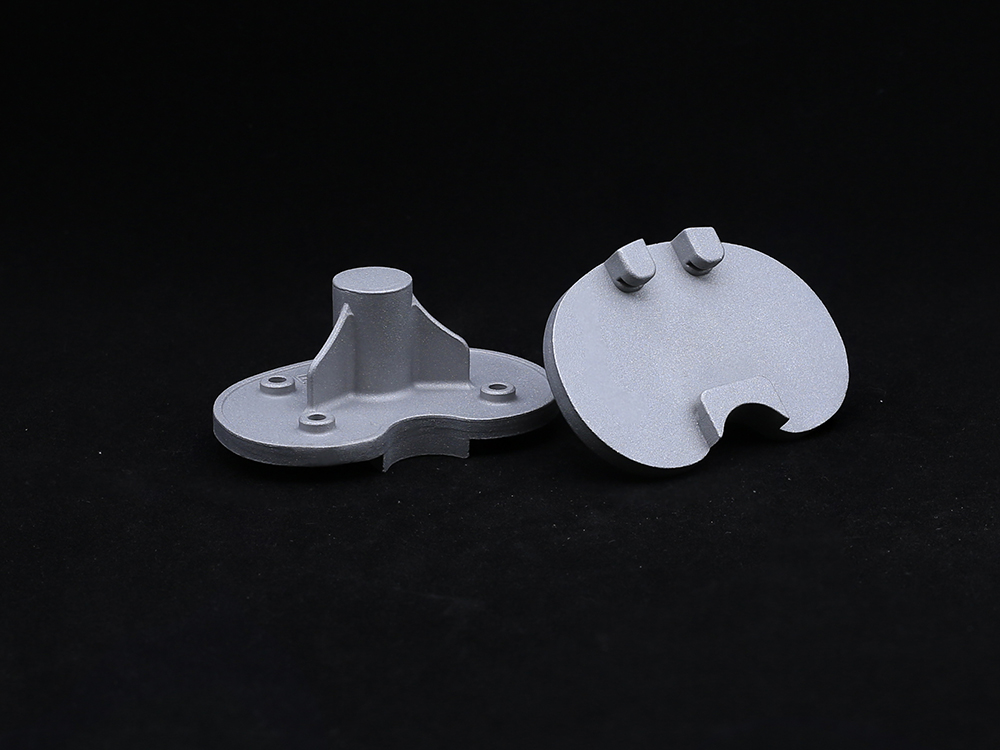 Refurbished PlatformCarefully Reprocessed To Meet The Highest Quality And Safety Standards, This Platform Is Ideal For Patients Requiring Revision Surgeries Or Those Seeking A Sustainable Option.
-
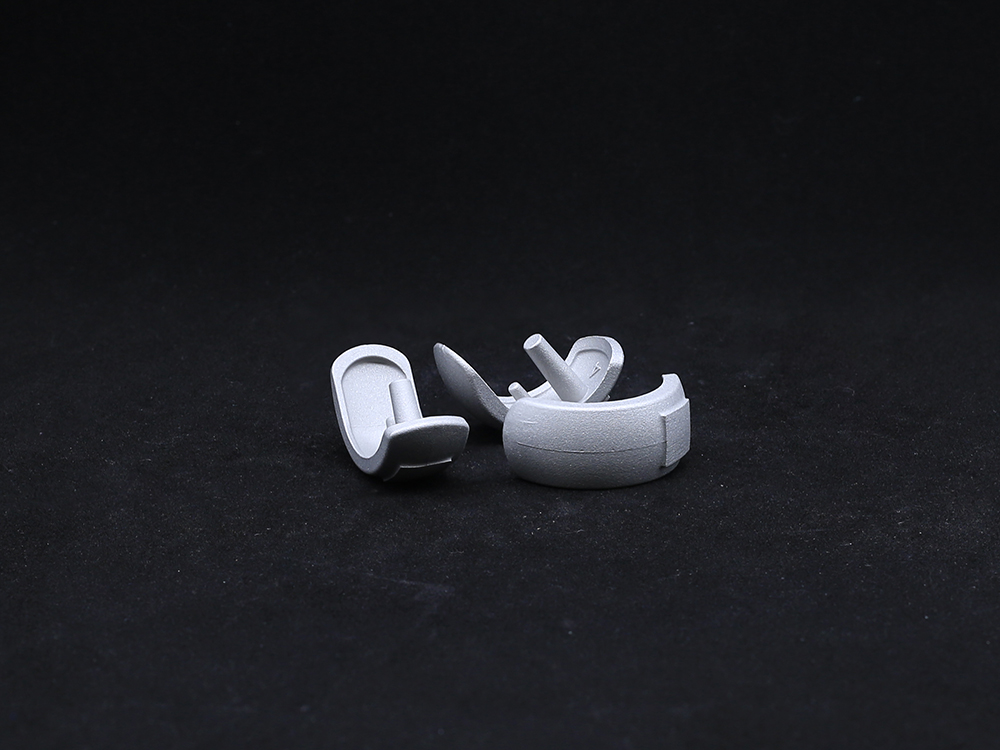 Half KneeThis minimally invasive solution preserves healthy bone, ligaments, and joint structures, enabling faster recovery and more natural knee kinematics. The system includes femoral and tibial components made from durable cobalt-chromium alloys and wear-resistant polyethylene inserts.
-
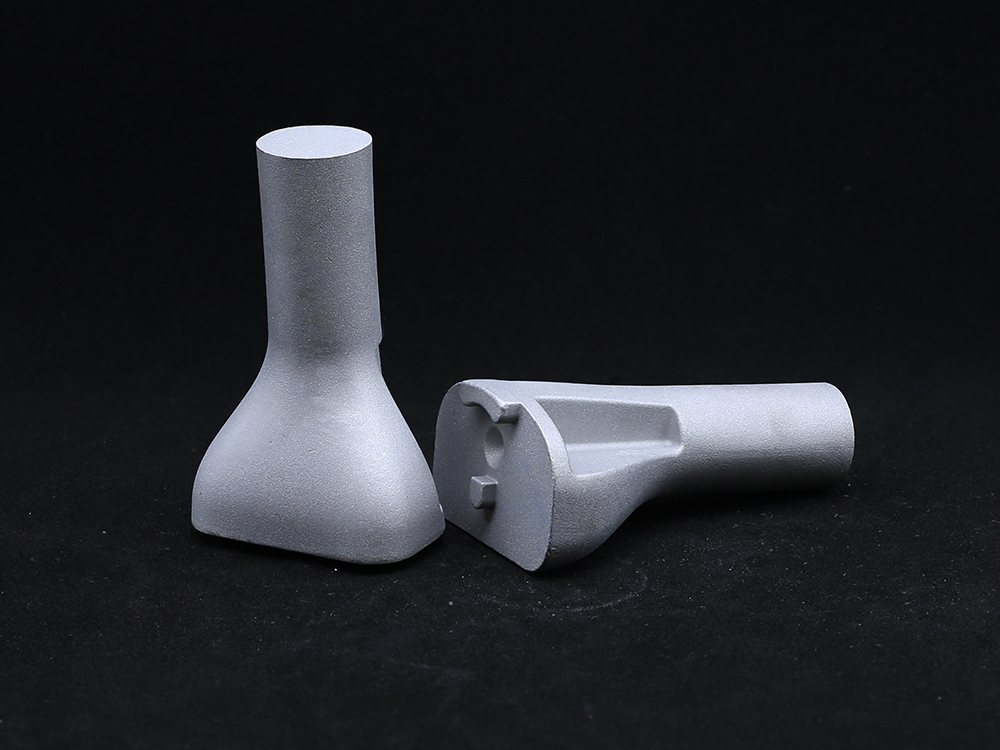 Tibial PlateauAvailable in both fixed-bearing and mobile-bearing configurations, the implants include modular baseplates and polyethylene inserts to accommodate various patient anatomies and surgical techniques.
-
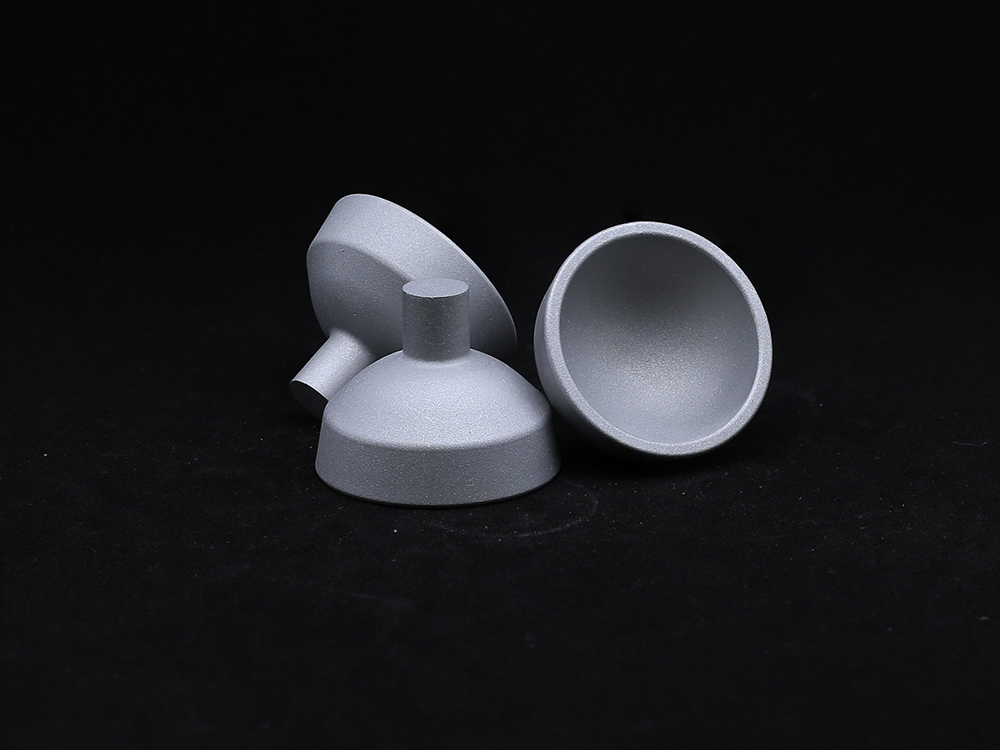 Acetabular CupMade from high-strength materials such as titanium alloy or cobalt-chromium, the Acetabular Cup ensures durability, corrosion resistance, and long-lasting performance. Its anatomical shape promotes optimal alignment and load distribution, reducing wear on bearing surfaces.
-
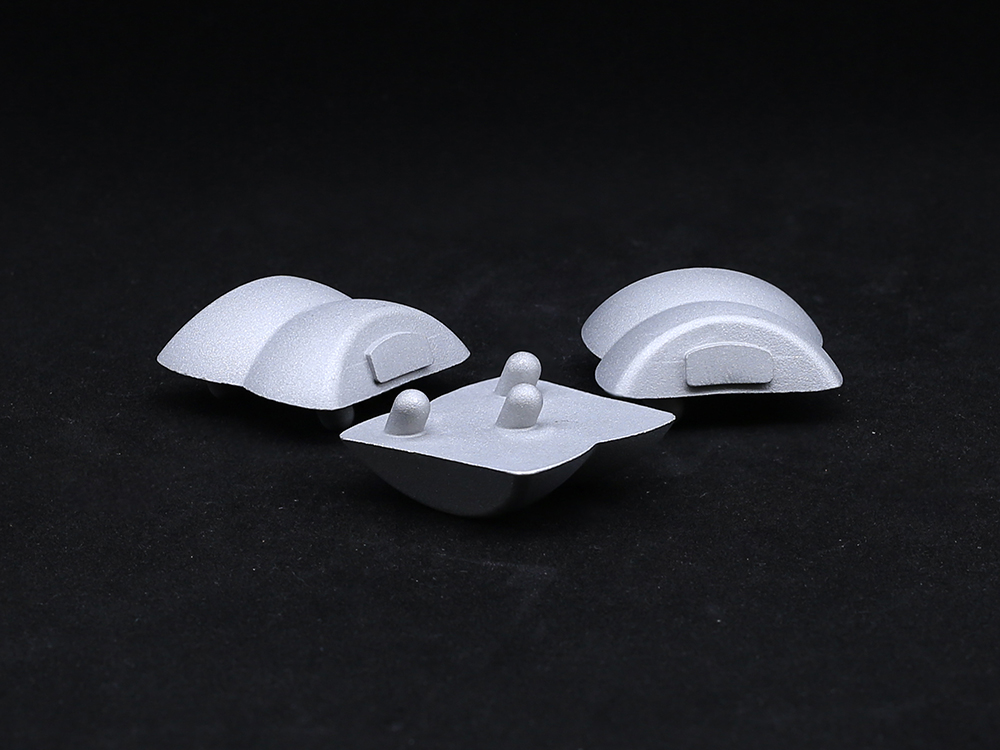 TalusTitanium alloys or PEEK materials that meet international medical standards are selected, featuring both strength and biocompatibility, effectively reducing the risk of rejection and promoting bone integration.
-
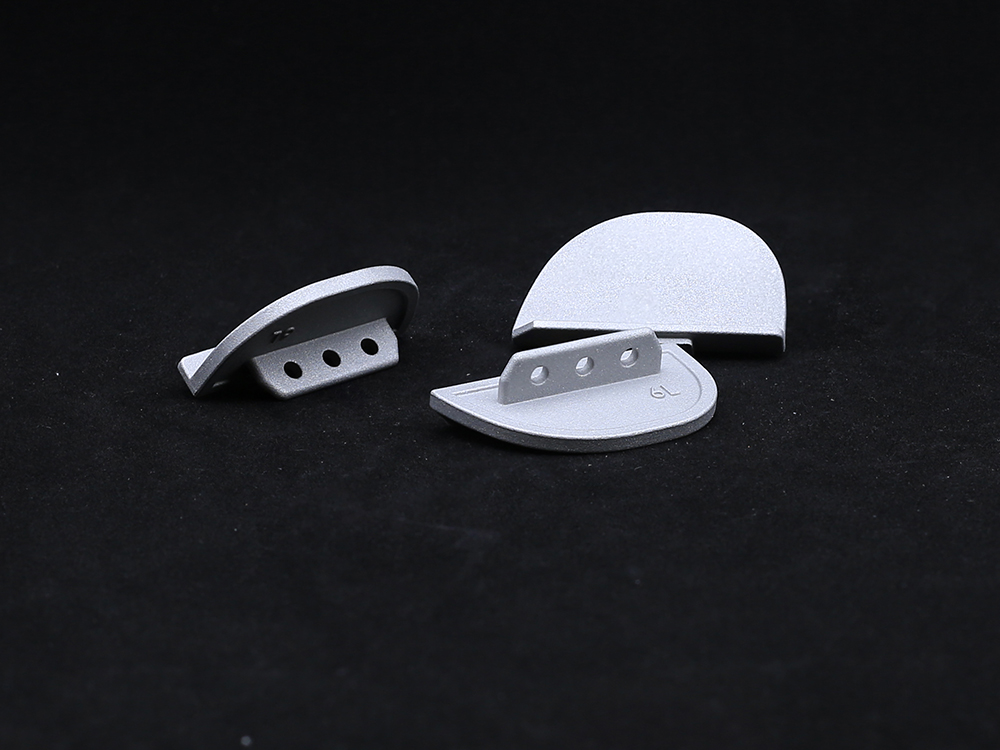 Unilateral Tibial PlateauThe unilateral tibial plateau is an orthopedic implant used in partial knee arthroplasty to replace the damaged medial or lateral tibial joint surface, thereby restoring function, relieving pain, and ensuring knee stability.
-
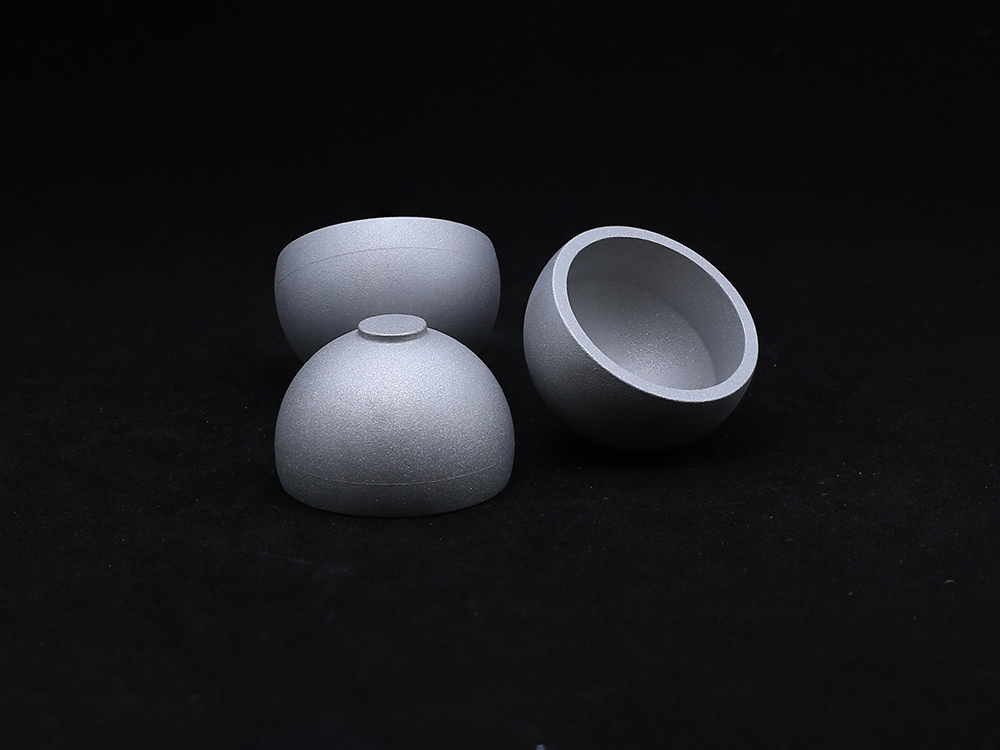 Metal CupOur Metal Cup is a critical component in hip joint replacement systems, designed to provide a durable and secure base for the acetabular implant. Manufactured from high-strength materials such as titanium alloy or cobalt-chromium, the Metal Cup offers excellent wear resistance, corrosion resistance, and long-term stability. Its anatomical design ensures proper alignment and load distribution, while its surface finish promotes optimal bone fixation.
-
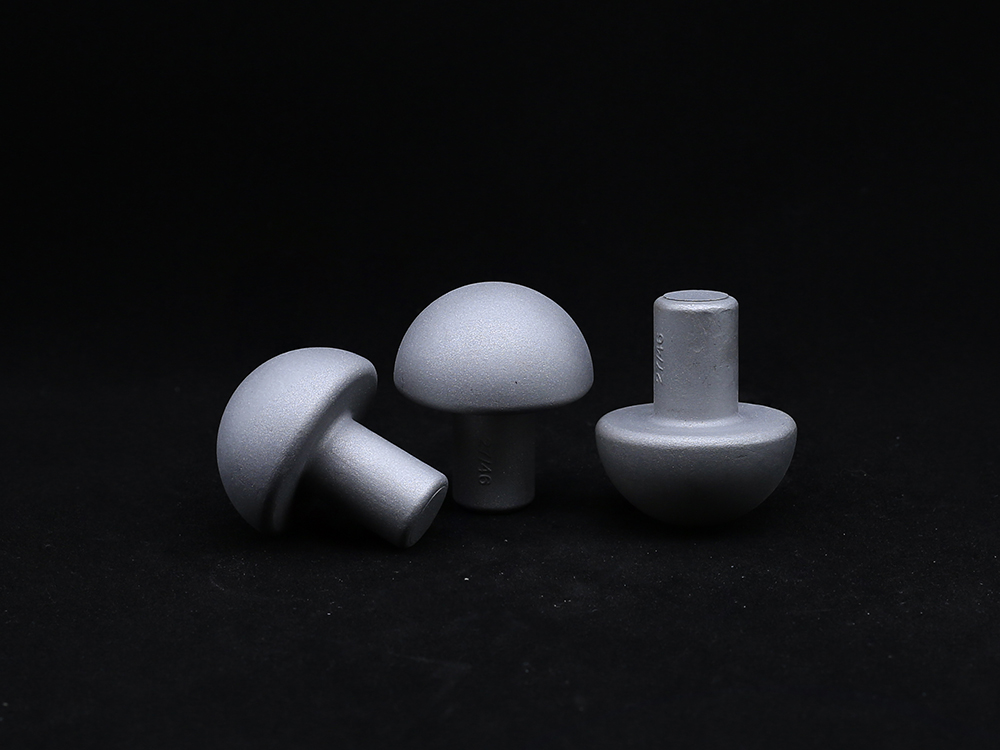 Humeral HeadAvailable in a range of diameters and offsets, they are designed to accommodate diverse patient anatomies and ensure proper soft tissue tensioning. Each humeral head is precisely machined from high-strength cobalt-chromium or ceramic materials, offering excellent wear resistance and biocompatibility.
Get a Custom Solution!
Contact Us To Provide You With More Professional Services


