Osteoarthritis of the knee is a degenerative joint disease that affects millions of individuals worldwide, leading to chronic pain, stiffness, and a significant reduction in mobility. When conservative treatments such as physical therapy, weight management, and medication no longer provide relief, exploring the various types of knee surgery for osteoarthritis becomes a critical step in restoring a patient's quality of life. Understanding these surgical options allows patients and healthcare providers to make informed decisions based on the severity of joint degradation and the patient's lifestyle needs.
The global burden of knee osteoarthritis is escalating due to an aging population and rising obesity rates. According to data aligned with WHO trends, musculoskeletal conditions are a leading cause of disability globally, with knee degeneration representing a primary driver. The challenge lies in the fact that no two patients are identical; some require minor corrective adjustments, while others necessitate complete joint replacement to regain basic functionality.
Modern advancements in orthopedic manufacturing and surgical precision have transformed the landscape of joint care. From minimally invasive arthroscopy to the integration of high-performance biocompatible materials in total knee replacements, the objective has shifted from mere pain reduction to the full restoration of biomechanical harmony. By examining the different types of knee surgery for osteoarthritis, we can see how innovation in medical devices is directly translating into better patient outcomes.
Understanding the Spectrum of Knee Surgery Options
The approach to treating knee osteoarthritis surgically is generally categorized by the extent of the intervention. At the mildest end, arthroscopic procedures are used to "clean out" the joint or repair minor cartilage tears, though these are increasingly viewed as temporary measures. As the disease progresses, surgeons may opt for osteotomy, which realigns the bone to shift weight away from the damaged area of the knee, effectively delaying the need for more invasive implants.
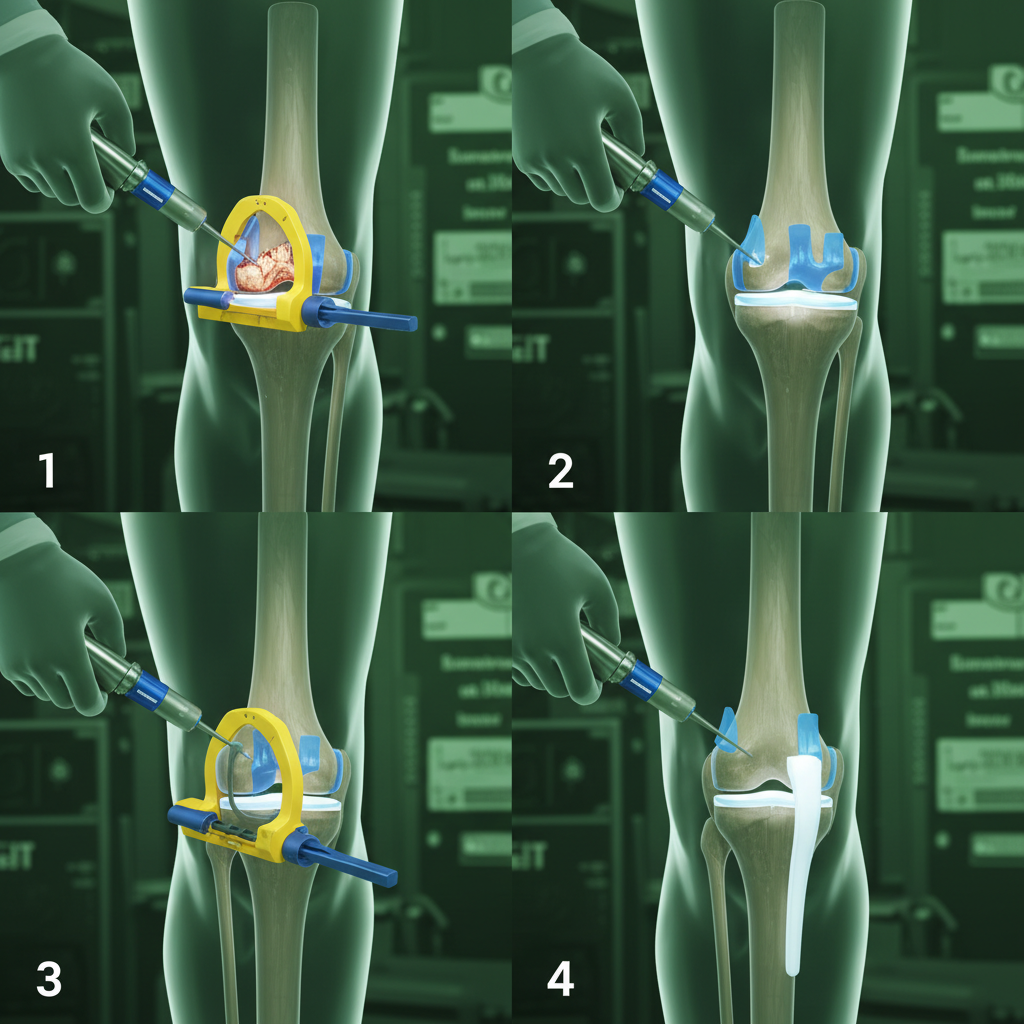
For advanced stages, the focus shifts to arthroplasty—the surgical replacement of the joint. Depending on the localized nature of the wear, a patient might receive a partial knee replacement (unicompartmental) or a total knee replacement. These types of knee surgery for osteoarthritis are designed to replace the eroded cartilage and bone with medical-grade alloys and polymers that mimic natural movement.
Biomechanical Factors in Surgical Selection
Choosing the right surgical path requires a deep analysis of the patient's joint biomechanics. Surgeons evaluate the "compartment" of the knee—medial, lateral, or patellofemoral—that is most affected. If the damage is isolated to one side, a less invasive partial replacement is often preferred, as it preserves more of the patient's natural ligaments and results in a more "natural" feeling joint.
Beyond the location of the wear, the patient's overall bone density and alignment (varus or valgus deformity) play a pivotal role. For younger, active patients, a high-tibial osteotomy might be the gold standard to preserve the native joint. In contrast, elderly patients with systemic degeneration typically benefit more from a total joint replacement, where stability and pain relief are the primary goals.
The integration of preoperative digital planning has further refined this selection process. By using CT scans and 3D modeling, surgeons can now simulate different types of knee surgery for osteoarthritis before entering the operating room, ensuring that the implant size and orientation are optimized for the patient's specific anatomy.
Comparing Partial and Total Knee Arthroplasty
When discussing the types of knee surgery for osteoarthritis, the debate between partial and total knee arthroplasty is central. Partial knee replacement is highly targeted, focusing only on the damaged section. This leads to smaller incisions, less blood loss, and a significantly faster rehabilitation period, making it an attractive option for those with localized disease.
However, total knee arthroplasty (TKA) remains the most reliable solution for widespread degeneration. TKA involves replacing the entire joint surface with a metal femoral component, a plastic spacer, and a metal tibial tray. While the recovery is more intensive, the success rate in eliminating chronic pain is exceptionally high, providing a definitive solution for those with advanced osteoarthritis.
The decision ultimately hinges on the balance between "joint preservation" and "total resolution." While partial replacements offer a quicker return to activity, they carry the risk that the remaining natural compartments may degenerate later, potentially requiring a second surgery to convert the partial replacement into a total one.
Efficacy Ratings of Common Surgical Interventions
To quantify the success of different interventions, medical professionals look at patient-reported outcome measures (PROMs) and long-term implant survival rates. Some procedures offer immediate relief but short-term durability, while others require a longer recovery but provide decades of stability.
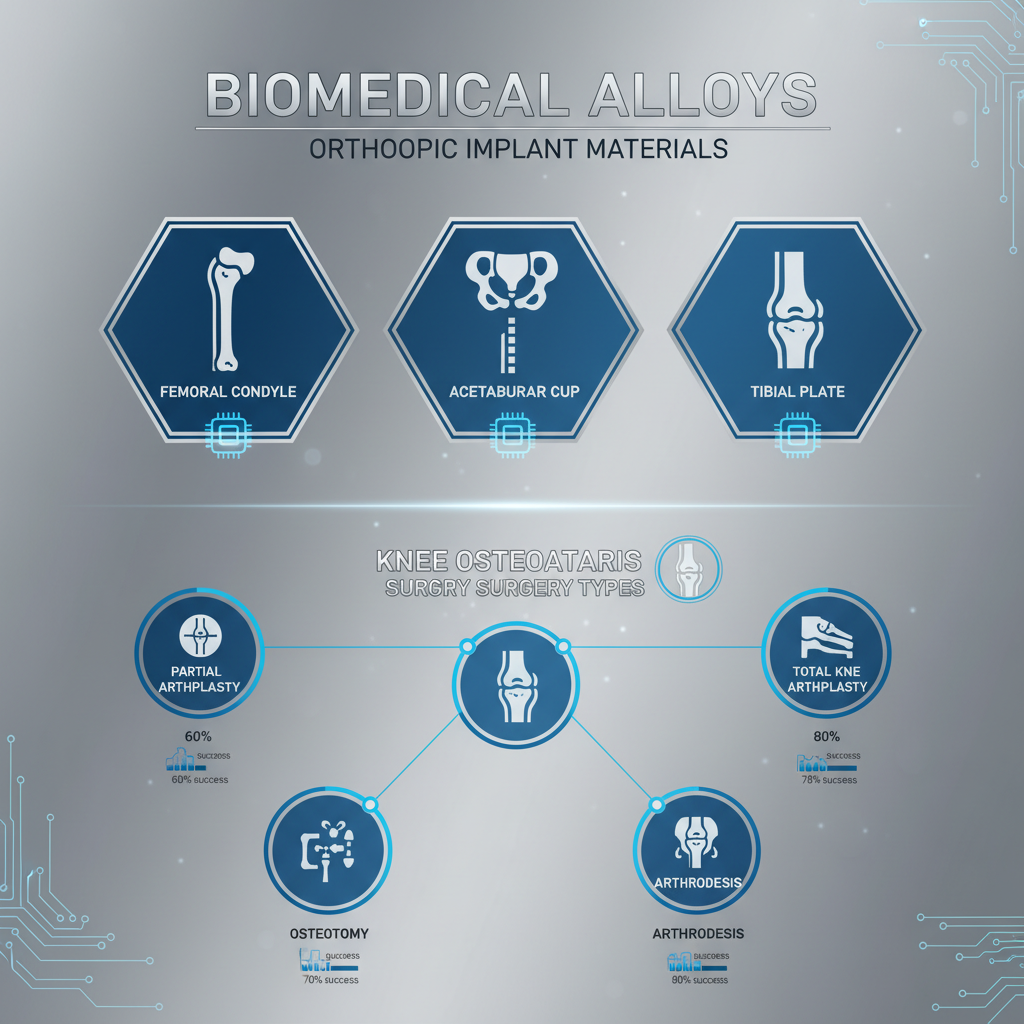
The following data reflects the comparative efficacy of various types of knee surgery for osteoarthritis based on pain reduction and functional restoration scores.
Comparative Efficacy of types of knee surgery for osteoarthritis
Global Applications of Advanced Joint Implants
The deployment of these surgical solutions varies significantly by region. In developed healthcare systems, there is a strong trend toward robotic-assisted surgery for the different types of knee surgery for osteoarthritis, allowing for sub-millimeter precision in implant placement. This technological leap has drastically reduced the incidence of implant misalignment and improved early-stage recovery.
In emerging markets, the focus remains on scalable, high-durability implants that can withstand the demands of more physically active labor-intensive lifestyles. The manufacturing of cobalt-chromium and titanium alloys has become standardized to ensure that patients in remote industrial zones or rural areas receive the same level of biocompatibility and safety as those in urban medical centers.
Long-term Value and Patient Recovery Metrics
The true value of knee surgery is measured not by the operation itself, but by the long-term restoration of autonomy. Patients who undergo total knee replacements often report a "return to life," regaining the ability to walk, travel, and engage in social activities. This psychological boost—the restoration of dignity and independence—is as valuable as the physical relief of pain.
From a socioeconomic perspective, successful joint surgery reduces the long-term reliance on caregivers and chronic pain medication. By investing in high-quality implants with low wear rates, healthcare systems can reduce the need for costly "revision" surgeries, which are more complex and riskier than the primary procedure.
Reliability is the cornerstone of trust in orthopedic surgery. The transition from traditional cemented implants to biological fixation (where bone grows into the implant) has extended the lifespan of joint replacements, ensuring that the benefits of the surgery last for twenty years or more.
Future Innovations in Orthopedic Materials
The future of the different types of knee surgery for osteoarthritis lies in the intersection of materials science and digital health. We are seeing a shift toward "smart implants" embedded with sensors that can monitor joint load and wear in real-time, alerting surgeons to potential issues before they become symptomatic.
Sustainability is also entering the field, with a focus on reducing the carbon footprint of medical device manufacturing. The use of 3D-printed porous titanium is allowing for custom-made implants that perfectly match a patient's bone structure, promoting faster osseointegration and reducing the risk of implant loosening.
Moreover, regenerative medicine—such as stem cell therapy and scaffold-based cartilage regrowth—may one day complement or even replace some of the more invasive surgical options. Until then, the refinement of alloy durability and polymer lubricity remains the primary goal for orthopedic engineers.
Comparison of Modern Knee Surgery Modalities and Material Outcomes
| Surgery Type |
Primary Material Used |
Avg. Recovery Time |
Durability Score (1-10) |
| Arthroscopic Shaving |
N/A (Tissue Removal) |
2-4 Weeks |
4 |
| High Tibial Osteotomy |
Titanium Plates/Screws |
3-6 Months |
7 |
| Partial Knee Replacement |
Cobalt-Chrome / UHMWPE |
6-12 Weeks |
8 |
| Total Knee Replacement |
Titanium Alloy / Polyethylene |
3-6 Months |
9 |
| Robotic-Assisted TKA |
Advanced Biocompatible Alloys |
4-8 Weeks |
10 |
| Joint Fusion (Arthrodesis) |
Stainless Steel / Titanium |
6-12 Months |
9 |
FAQS
Generally, arthroscopic procedures and partial knee replacements offer the fastest recovery times. Because partial replacements involve smaller incisions and preserve more of the natural ligaments, patients often return to daily activities much quicker than those undergoing a total knee replacement.
Thanks to improvements in biocompatible materials like ultra-high-molecular-weight polyethylene (UHMWPE) and titanium alloys, most modern knee replacements last between 15 to 25 years. The actual lifespan depends on the patient's activity level, weight, and the precision of the surgical placement.
If your osteoarthritis is limited to only one compartment of the knee and your ligaments are intact, a partial replacement is a viable alternative. However, if the disease spreads to other compartments over time, you may eventually require a revision surgery to a total knee replacement.
A knee osteotomy is a "joint-preserving" surgery that reshapes the bone to shift weight away from the damaged area. A replacement, on the other hand, removes the damaged joint surfaces entirely and replaces them with prosthetic components.
Robotic assistance provides higher precision in implant alignment and bone cutting, which can lead to a more natural feeling joint and potentially reduce early postoperative pain. While the clinical outcomes are similar to traditional surgery, the precision often leads to higher patient satisfaction.
Common risks include infection, blood clots (DVT), and implant loosening. These risks are mitigated by using high-grade sterile materials, following strict postoperative rehabilitation protocols, and ensuring a precise fit between the implant and the bone.
Conclusion
Navigating the various types of knee surgery for osteoarthritis is a journey from managing pain to reclaiming mobility. Whether through the targeted approach of a partial replacement, the comprehensive solution of a total arthroplasty, or the joint-preserving nature of an osteotomy, the goal remains the same: restoring the biomechanical integrity of the knee to improve the patient's overall quality of life.
As we look toward the future, the integration of 3D printing, smart sensors, and advanced alloys will continue to push the boundaries of orthopedic care. For patients and providers alike, the key to success lies in personalized treatment plans and the use of high-precision medical devices. To learn more about the materials and manufacturing excellence behind joint solutions, visit our website: www.rays-casting.com