- 电话: +8613911709825 /
- 电子邮件: ry@rays-casting.com /

Femoral Epicondyle Casting: Gating Design for Non-Standard Condyle Implants
Femoral Epicondyle Casting: Gating Design for Non-Standard Condyle Implants
Standard femoral components are forgiving to tool because their mass is distributed the way a casting engineer would distribute it: a thick central web, a bearing surface that thins gradually, and fixation features that sit where the metal is already cool. Custom condyle geometries break all three assumptions at once. When a component is shaped around a specific femoral epicondyle profile, the mass moves, the thin sections arrive in new places, and the solidification path changes before anyone has cut a wax die. A geometry that was dimensionally approved in CAD can still be uncastable at production yield, and the two failures look identical on a purchase order: good drawing, bad lot. Gating is usually decided last, by whoever is building the tree that week, and that is the single most common reason a custom programme produces good first articles and poor third lots. There is a reason for the delay: gating is invisible in the CAD model, it is not a dimension, and it is not something a design team can approve or reject in a review meeting, so it quietly becomes a shop-floor decision by default. This article is about casting engineering only: where the metal is fed from, where it cools, and what that means for the machining that follows.

Fractured Medial Femoral Condyle: Wax Pattern Layout for Asymmetric Casts
A component built for a fractured medial femoral condyle defect is asymmetric by definition: one condyle carries the bearing geometry, the other carries a transition or a void that the design has closed off. That asymmetry is what makes pattern layout difficult. A symmetric part can be clustered tightly on the tree with uniform runner lengths, because every neighbour cools at the same rate, and the whole tree behaves like one body with a predictable gradient from sprue to tip. On an asymmetric part the thick bearing rim sits beside thin webs, and when two such patterns are packed close together the retained heat between them slows solidification exactly where the section is already heaviest. The result is a shrinkage cavity that sits under the bearing arc, survives X-ray on some orientations, and only shows up as a machined pit two operations later, at which point the part has already absorbed the cost of casting, shell removal and two setups. Our practice is to give these patterns more spacing than the tree geometry would suggest, to feed the heavy section first and let the thin web fill from the same feeder, and to size the runner so the fill is fast enough to avoid a cold shut but slow enough not to wash the shell. None of that shows on a drawing, which is why the gating plan should be a document the buyer sees, not a workshop decision. Two more variables belong in that document: the number of parts per tree, because a dense tree that shortens cycle time also raises the risk of interdental porosity, and the shell thickness around the heavy section, because a thin shell on a heavy mass will fail before the part does. Buyers who receive a gating plan can challenge it before tooling; buyers who receive a part cannot do anything except reject it.
Hypoplastic Lateral Femoral Condyle: Hot Spots Under a Thin Bearing Flange
A hypoplastic lateral femoral condyle implant tends to produce the opposite problem: a thin, extended lateral flange over a base that is thick because it has to carry fixation. The base cools slowly and the flange solidifies early, and once the flange has set, the feed path to it is closed. If gating is attached only to the central base, the flange can shrink away from the feed and develop porosity that a visual inspection will never find, because the surface looks complete while the section underneath is not. Two things help. The first is an auxiliary feeder taken to the flange edge, sized small enough that it does not create a hot spot of its own and removed cleanly afterwards. The second is shell preheat control, because a shell that is hotter at the base than at the flange will move the thermal gradient in the direction we want rather than against it.On these geometries the machining stock also has to be reconsidered: a flange of a millimetre and a half cannot be straightened by machining, so any distortion has to be prevented at the casting stage rather than removed at the mill. We also section two parts per pattern rather than one, because a wall that is 0.3 mm thin over a 40 mm length is a fatigue risk that no dimensional inspection reports. That check is cheap once the geometry is known and expensive once a lot has shipped.
Posterior Medial Femoral Condyle: Where Gate Residue Meets the CNC Setup
On a posterior medial femoral condyle component, the gating decision becomes a machining decision, because the gate has to be cut off and the witness left behind has to fit inside the stock allowance. A gate placed on a face that is later machined flat is harmless as long as the vestige is shorter than the stock. A gate placed on a face that is a datum, or on a surface that will be finished in a single light pass, forces either extra stock across the whole face or a hand-blending operation that no drawing anticipated. We ask for a marked gate zone on every custom condyle drawing, agreed before tooling and carried on the revision record: a surface that is non-bearing, non-datum, and carries at least half a millimetre of machining allowance behind it. When the buyer sends a planning file with no gate zone marked, we propose one and get it approved before the pattern is tooled, because relocating a gate after the first article means a new wax die, a new tree and a new qualification. The cost of that conversation at quotation is an email; the cost of skipping it is a month. We also ask for the vestige limit to be stated as a height, not as a finish instruction: a limit in millimetres can be measured on the bench, while an instruction such as grind smooth produces a different result on every shift, and neither the buyer nor the auditor can tell which one shipped.
Ray's Casting is a precision casting manufacturer specializing in CoCrMo (ASTM F75 / ISO 5832-4) components for orthopedic implants. Our process covers vacuum melting, precision casting, heat treatment and CNC finishing, with third-party inspection reports and full material traceability from raw material to shipment on every order.
上一篇:
这是最后一篇文章
-
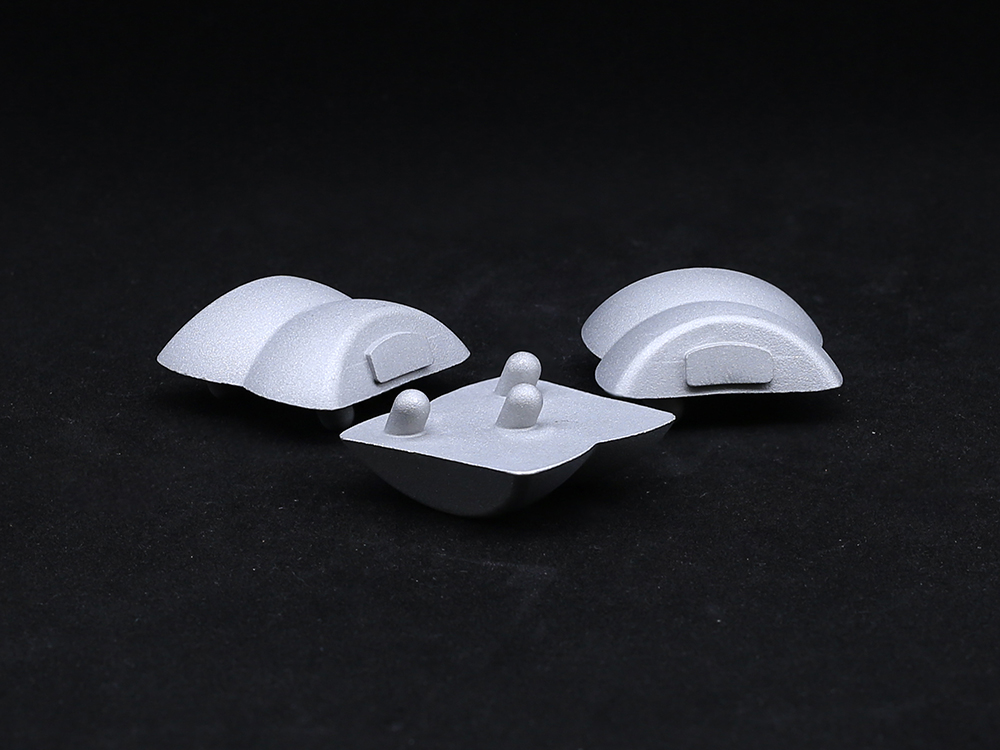 距骨选用符合国际医疗标准的钛合金或PEEK材料,兼具强度与生物相容性,有效降低排异风险,促进骨整合。
-
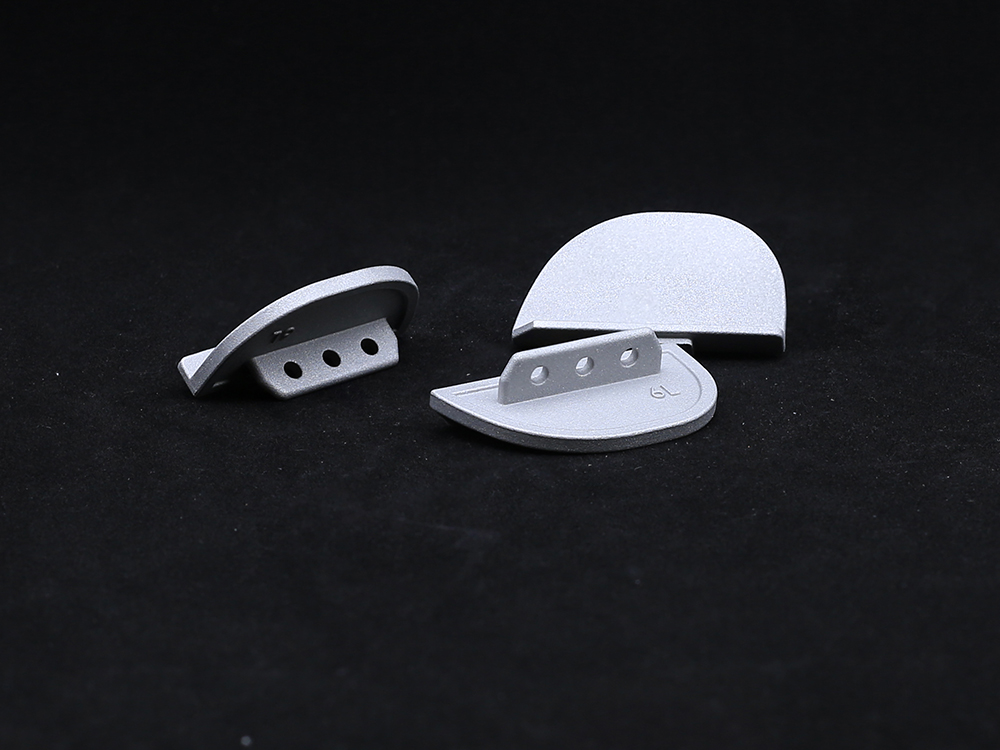 Unilateral Tibial PlateauThe unilateral tibial plateau is an orthopedic implant used in partial knee arthroplasty to replace the damaged medial or lateral tibial joint surface, thereby restoring function, relieving pain, and ensuring knee stability.
-
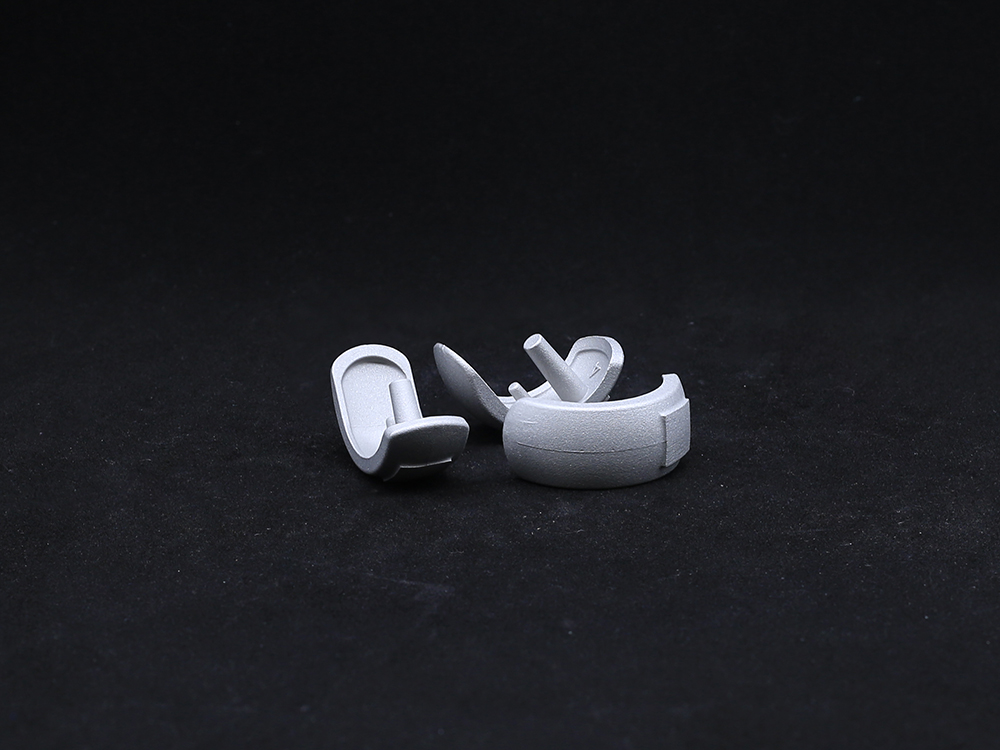 半膝这种微创解决方案可保留健康的骨骼、韧带和关节结构,从而加快康复速度并实现更自然的膝关节运动。该系统包括由耐用的钴铬合金制成的股骨和胫骨组件以及耐磨的聚乙烯插入物。
-
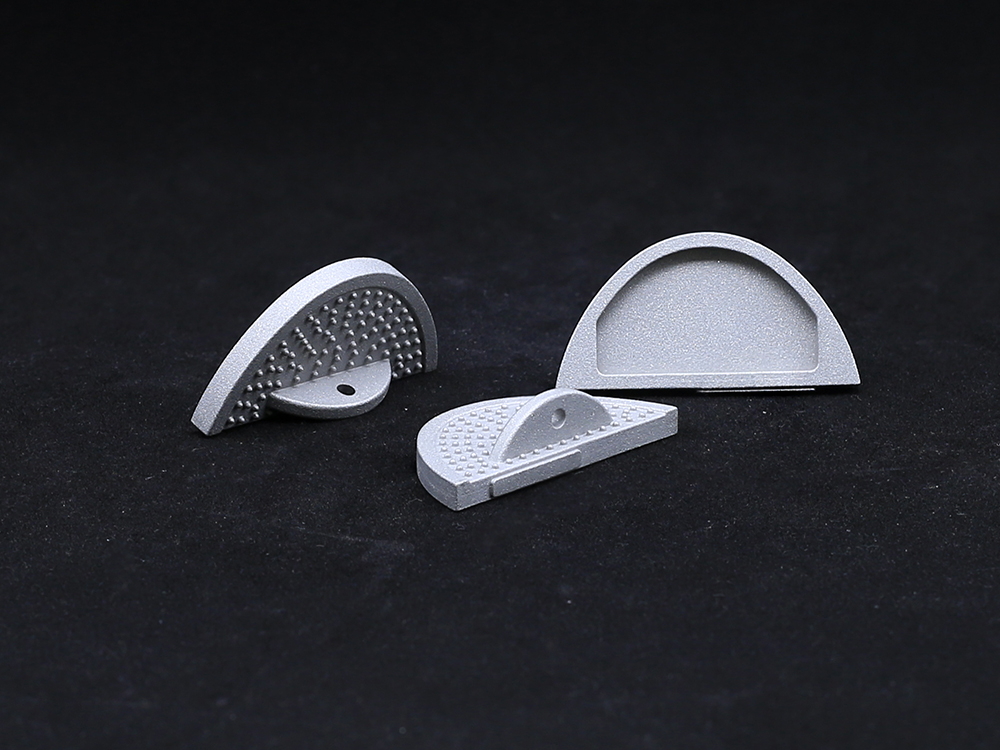 凸起半平台它采用钛或钴铬合金等生物相容性高强度材料制成,确保耐用性和长期性能。Bump半平台是膝关节、髋关节或其他关节置换的理想选择,可提高手术效率,最大限度地减少库存需求,并通过最佳的关节对位和功能提供可靠的临床疗效。
-
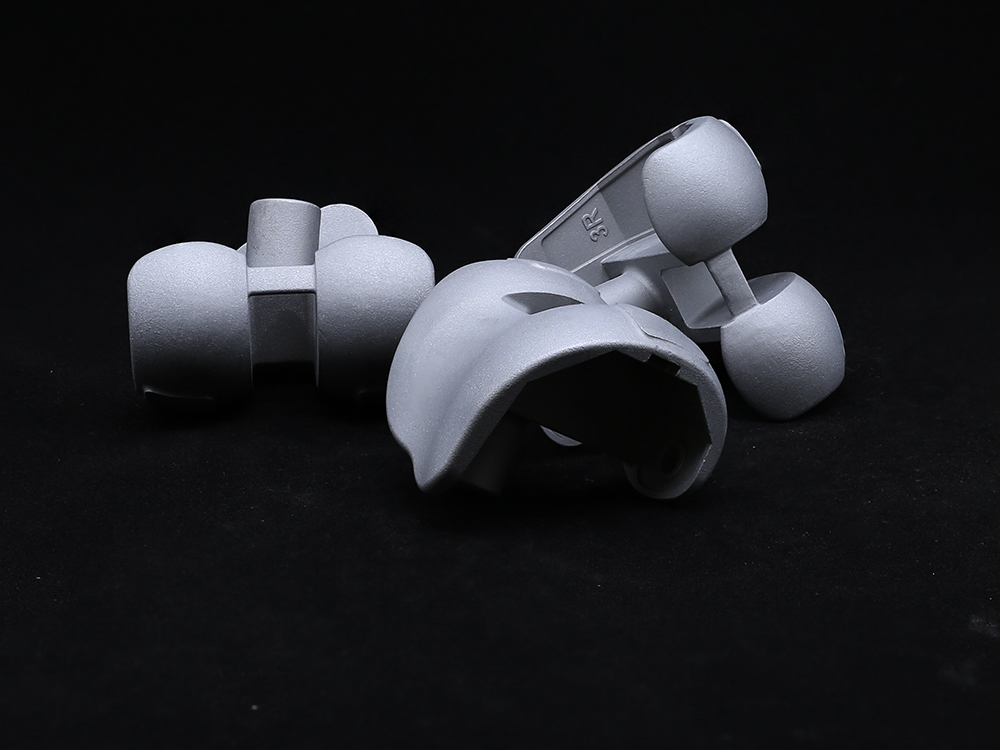 股骨髁翻修术股骨髁翻修术专为膝关节翻修手术而设计,为因植入物失败、松动或磨损而需要进行关节重建的患者提供可靠的解决方案。该翻修髁采用钴铬合金等生物相容性材料制成,具有更高的耐用性和耐磨性。其设计包括优化的几何形状,以恢复正常的膝关节功能和对位,即使在严重骨质流失的情况下也能确保牢固贴合。
-
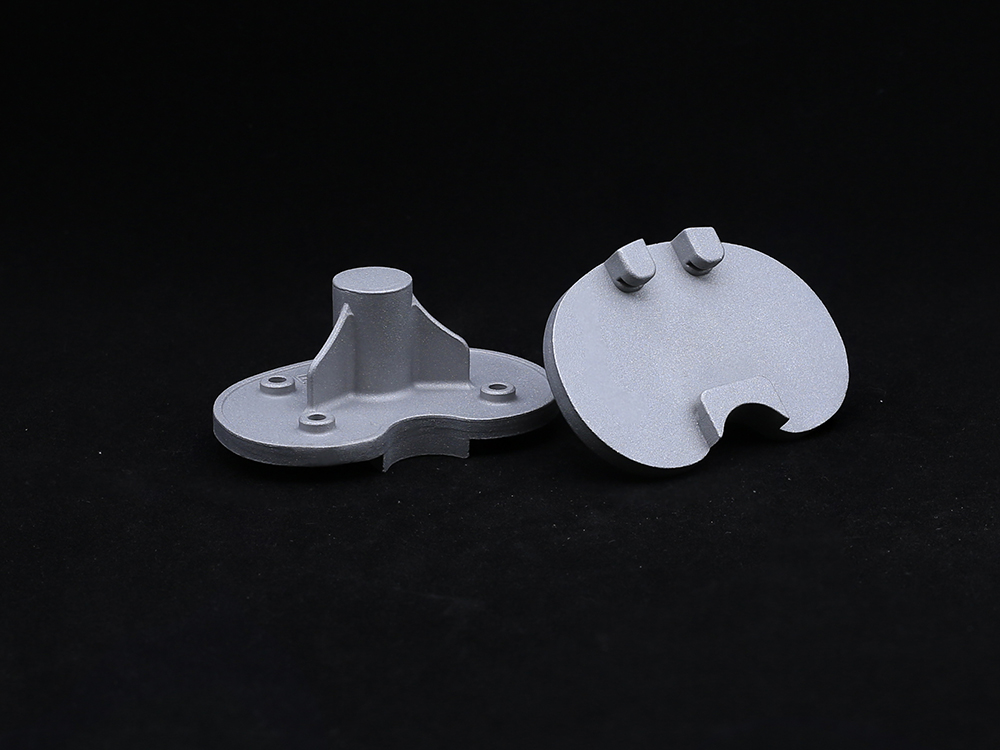 翻新平台该平台经过精心处理,符合最高的质量和安全标准,非常适合需要修复手术或寻求可持续选择的患者。
-
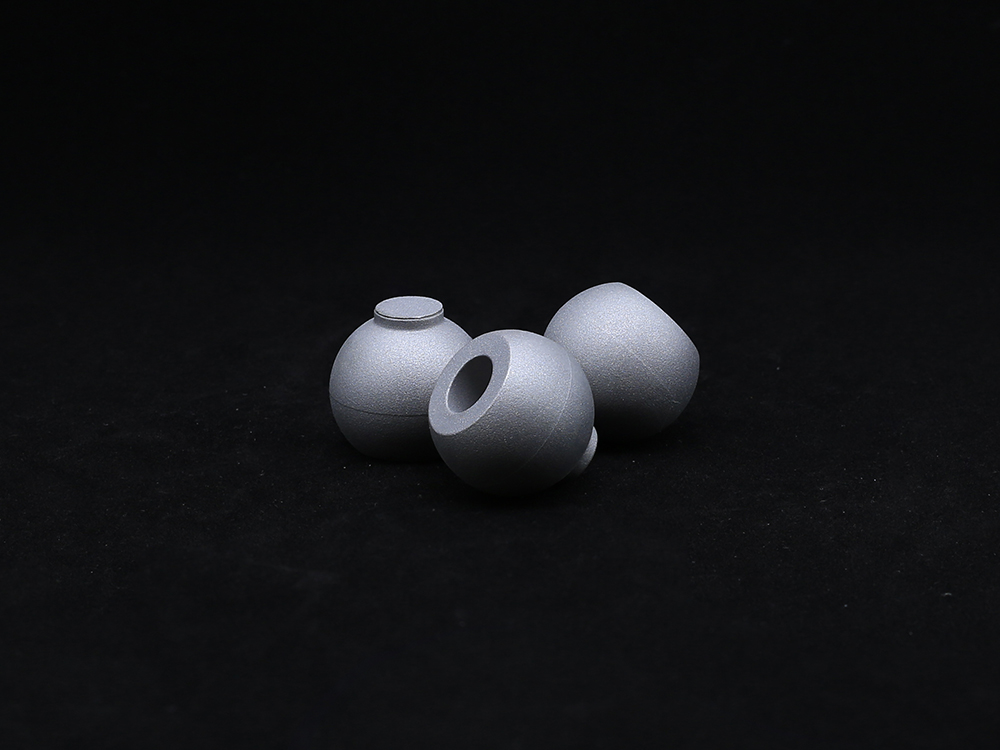 球头我们的球头组件专为关节置换手术而设计,尤其适用于髋关节和肩关节置换术。球头采用钴铬合金或陶瓷等高强度材料制成,确保卓越的耐磨性和长期耐用性。
-
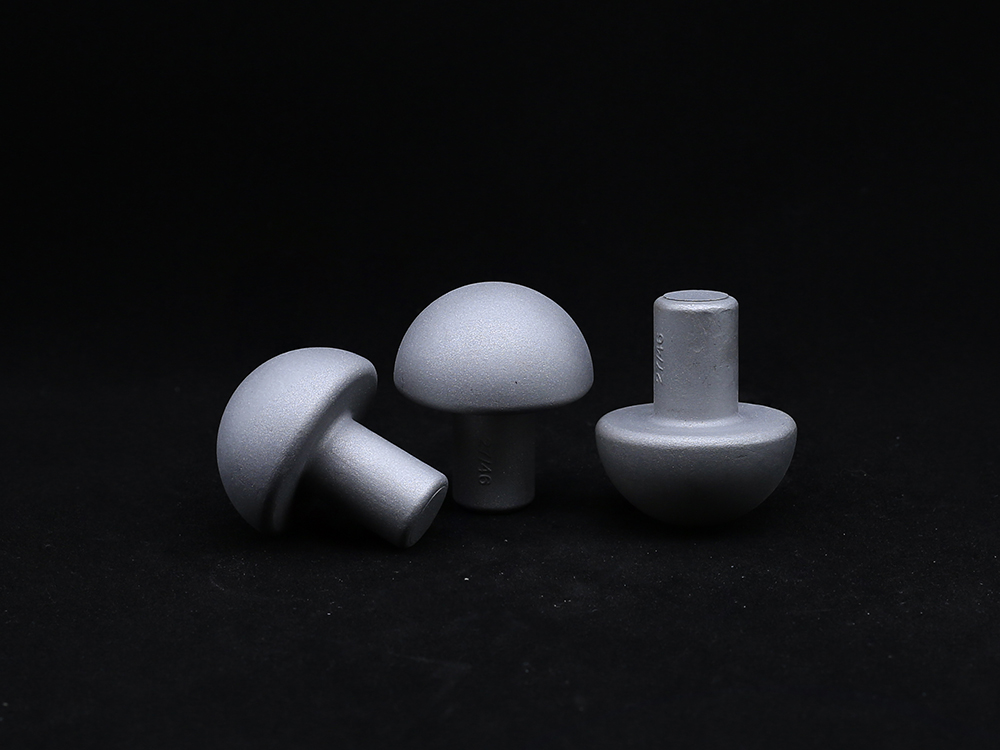 肱骨头它们提供多种直径和偏移量,旨在适应不同的患者解剖结构,并确保适当的软组织张力。每个肱骨头均采用高强度钴铬合金或陶瓷材料精密加工而成,具有卓越的耐磨性和生物相容性。
获取定制解决方案!
联系我们为您提供更专业的服务


