- Tel: +8613911709825 /
- Email: ry@rays-casting.com /

Understanding the Pelvic Ball and Socket Joint Anatomy and Common Issues
Understanding the Pelvic Ball and Socket Joint Anatomy and Common Issues
Understanding the Pelvic Ball and Socket Joint
The pelvic ball and socket joint, formally known as the hip joint, is a crucial component of the human skeletal system, enabling a wide range of motion and providing stability. It's the connection point between the lower limbs and the axial skeleton. Understanding its anatomy, function, and potential issues is vital for maintaining mobility and overall health. At Rays Casting, we are dedicated to providing resources and advanced solutions related to anatomical understanding and biomechanics. This article will delve into the intricacies of this vital joint.
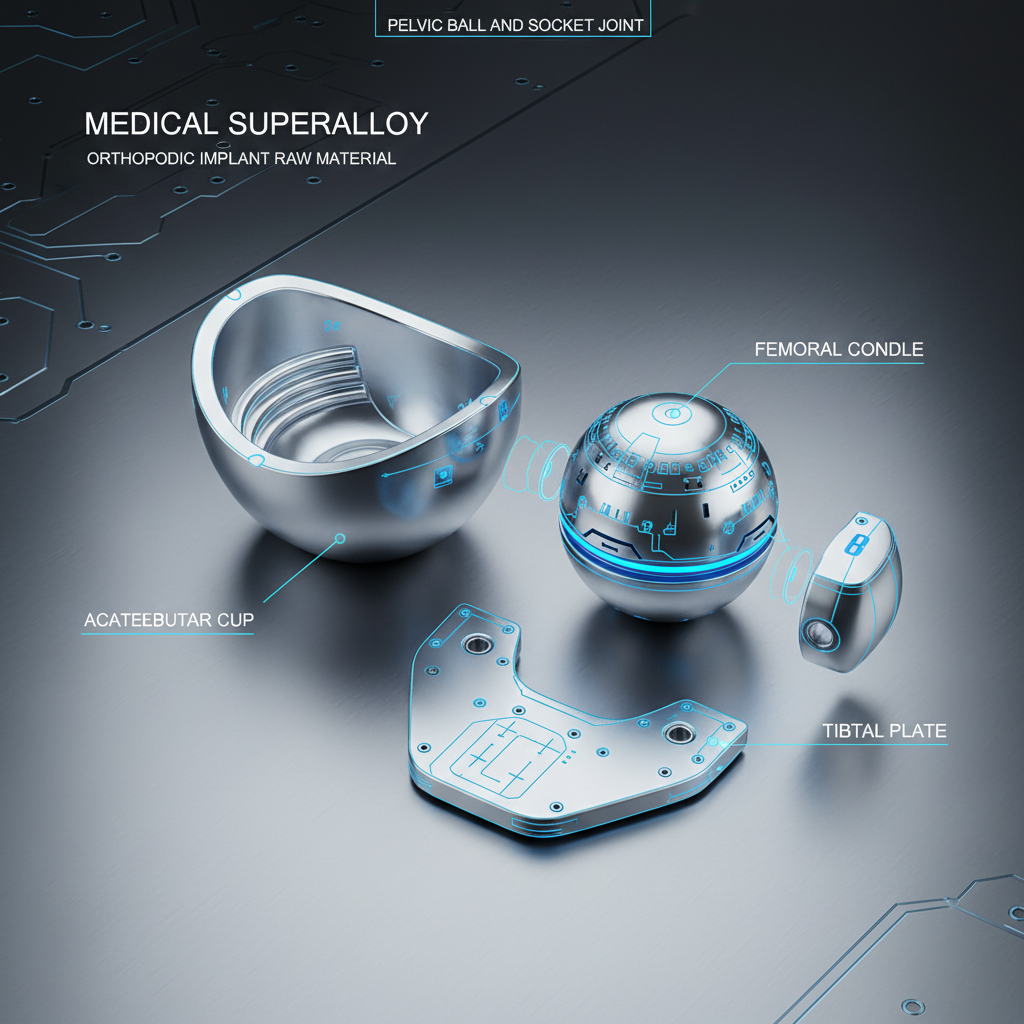
Anatomy of the Pelvic Ball and Socket Joint
The hip joint is formed by the articulation of the head of the femur (thigh bone) with the acetabulum (socket) of the pelvic bone. The acetabulum is deepened by a fibrocartilaginous rim called the labrum, which enhances joint stability and shock absorption. Strong ligaments, including the iliofemoral, pubofemoral, and ischofemoral ligaments, further reinforce the joint capsule, preventing excessive movement. Furthermore, a number of muscles surrounding the hip joint contribute to its dynamic stability and facilitate movement. Understanding each component’s role is key to appreciating the joint’s overall functionality.
Key Components: Femur Head, Acetabulum, Labrum, Ligaments, and surrounding musculature all work in harmony.
Functions of the Pelvic Ball and Socket Joint
The hip joint allows for a wide range of motion, including flexion, extension, abduction, adduction, internal rotation, and external rotation. This versatility is essential for activities like walking, running, jumping, and even simple movements like bending over. The joint also plays a crucial role in weight-bearing and transferring forces from the lower limbs to the spine. Its stability enables us to maintain balance and posture during various activities. The complex interplay of bones, ligaments, and muscles ensures efficient and controlled movement.
Range of Motion Capabilities:
• Flexion: Bending the hip forward
• Extension: Moving the hip backward
• Abduction: Moving the leg away from the midline
• Adduction: Moving the leg towards the midline
Common Issues Affecting the Pelvic Ball and Socket Joint
Several conditions can affect the hip joint, leading to pain, stiffness, and reduced mobility. These include osteoarthritis, hip dysplasia, labral tears, femoroacetabular impingement (FAI), and bursitis. Osteoarthritis involves the breakdown of cartilage, while hip dysplasia is a congenital condition where the acetabulum doesn’t fully cover the femoral head. Labral tears occur when the labrum is damaged, and FAI involves abnormal bone growth that restricts hip movement. Understanding the specific cause of hip pain is crucial for effective treatment.
Maintaining Hip Joint Health
Maintaining a healthy hip joint involves several proactive measures. Regular exercise, including strengthening and stretching exercises, can help support the muscles around the hip and improve flexibility. Maintaining a healthy weight reduces stress on the joint. Proper posture and body mechanics during activities can also prevent strain. If you experience persistent hip pain, it's essential to consult with a healthcare professional for diagnosis and treatment.
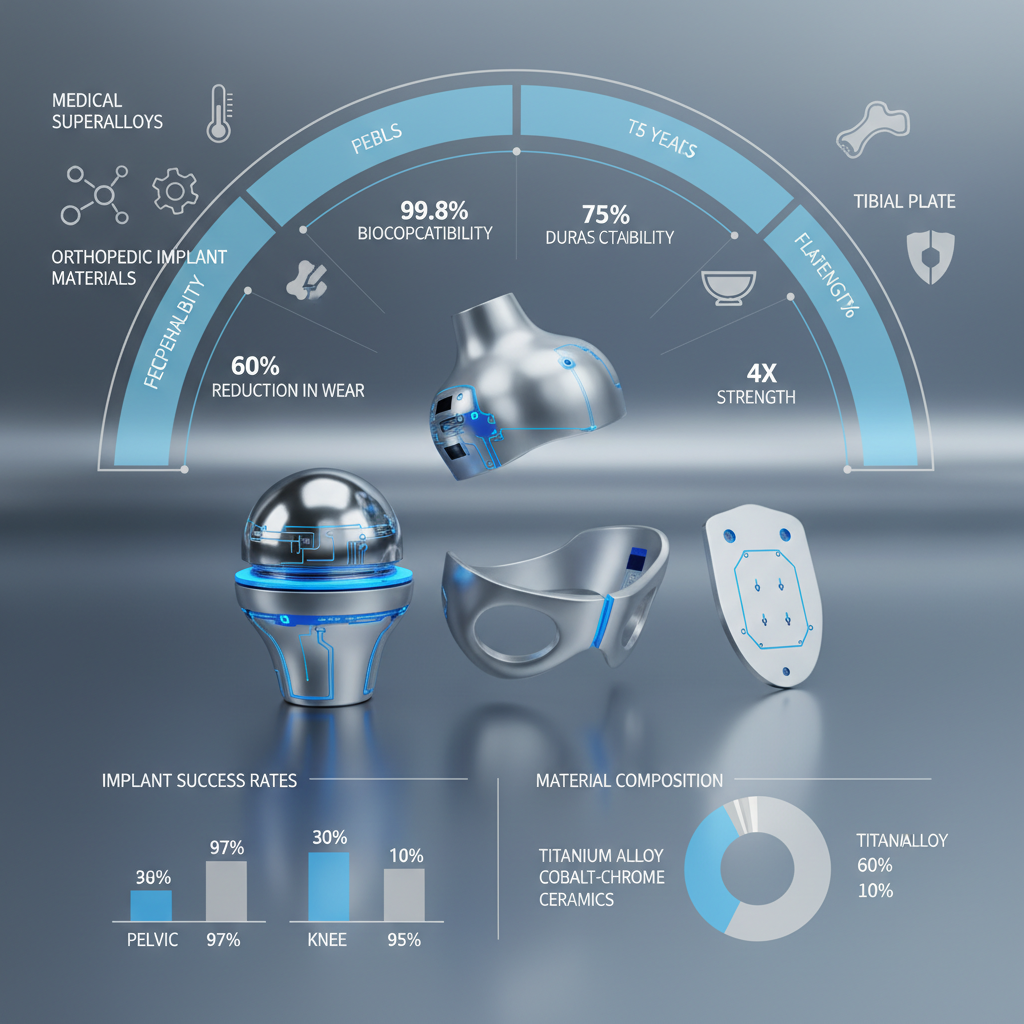
The Role of Technology and Innovation in Hip Joint Care
Advancements in imaging technology, such as MRI and CT scans, allow for more accurate diagnosis of hip joint issues. Minimally invasive surgical techniques, like arthroscopy, offer less pain and faster recovery times. Furthermore, research into regenerative medicine holds promise for repairing damaged cartilage and restoring joint function. At Rays Casting, we are committed to staying at the forefront of these innovations to provide the best possible understanding of biomechanics.
Conclusion: Prioritizing Hip Joint Health
The pelvic ball and socket joint is a remarkable structure crucial for mobility and quality of life. Understanding its anatomy, function, and potential problems is vital for maintaining its health. By adopting proactive measures, seeking timely medical attention, and embracing advancements in hip joint care, you can ensure a lifetime of pain-free movement. Rays Casting is dedicated to helping you understand and protect your musculoskeletal health.
Frequently Asked Questions (FAQs)
What exercises can I do to strengthen my hip joint?
Strengthening exercises for the hip joint include glute bridges, hip abduction, hip adduction, and hamstring curls. These exercises target the muscles surrounding the hip, providing support and stability. It’s best to start with bodyweight exercises and gradually increase resistance using resistance bands or weights. Consulting with a physical therapist can help you develop a personalized exercise program tailored to your specific needs and fitness level. Avoid exercises that cause pain. Remember to warm up before exercising and cool down afterward.
How can I prevent hip pain?
Preventing hip pain involves maintaining a healthy weight, engaging in regular exercise, practicing good posture, and using proper body mechanics during activities. Avoid prolonged sitting and take breaks to stretch and move around. Wear supportive shoes and avoid activities that put excessive stress on the hip joint. If you have a sedentary job, consider incorporating standing or walking breaks into your routine. Early intervention is key; address any discomfort or pain promptly.
When should I see a doctor for hip pain?
You should see a doctor for hip pain if it is severe, persistent, or interferes with your daily activities. Also, seek medical attention if the pain is accompanied by fever, swelling, redness, or instability. If you experience sudden onset hip pain after an injury, consult a doctor immediately. Early diagnosis and treatment can help prevent chronic hip problems and improve your quality of life. Don't hesitate to seek professional guidance if you're concerned about your hip health.
What is the role of the labrum in the hip joint?
The labrum is a fibrocartilaginous ring that surrounds the acetabulum (hip socket). It deepens the socket, providing greater stability to the hip joint and improving the congruency between the femoral head and the acetabulum. It also acts as a shock absorber, distributing forces across the joint surface. Tears in the labrum can cause pain, clicking, and a feeling of instability, often requiring medical intervention. Maintaining the integrity of the labrum is crucial for optimal hip joint function.
-
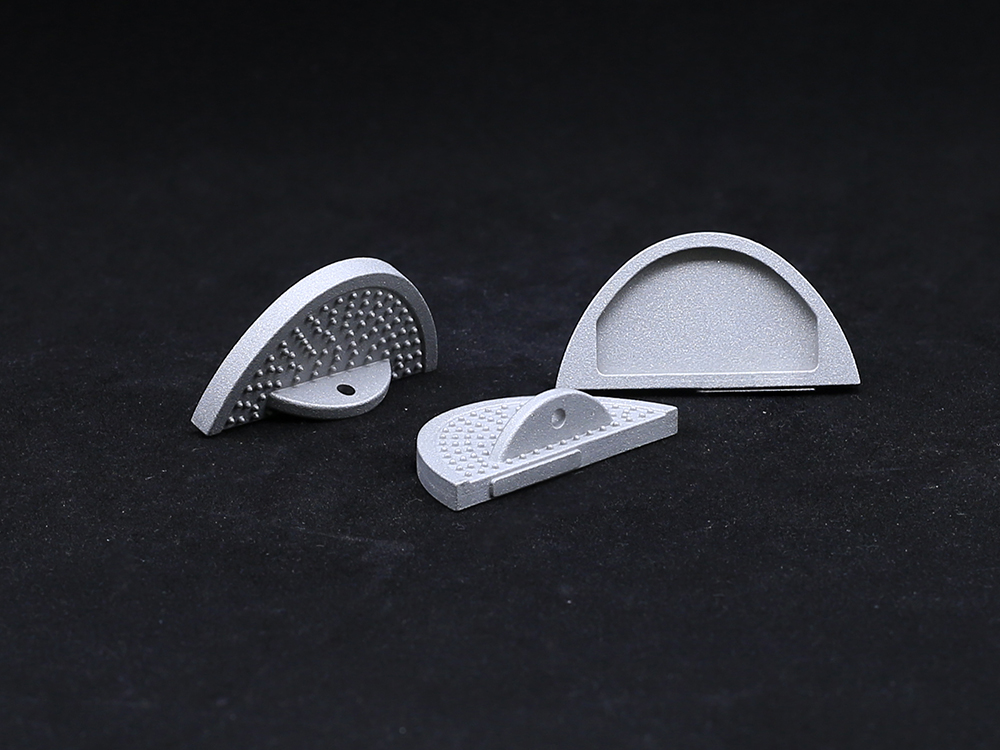 Bump Half PlatformManufactured from biocompatible, high-strength materials like titanium or cobalt-chromium alloys, it ensures durability and long-term performance. Ideal for knee, hip, or other joint replacements, the Bump Half Platform enhances surgical efficiency, minimizes inventory needs, and delivers reliable clinical outcomes with optimal joint alignment and function.
 -
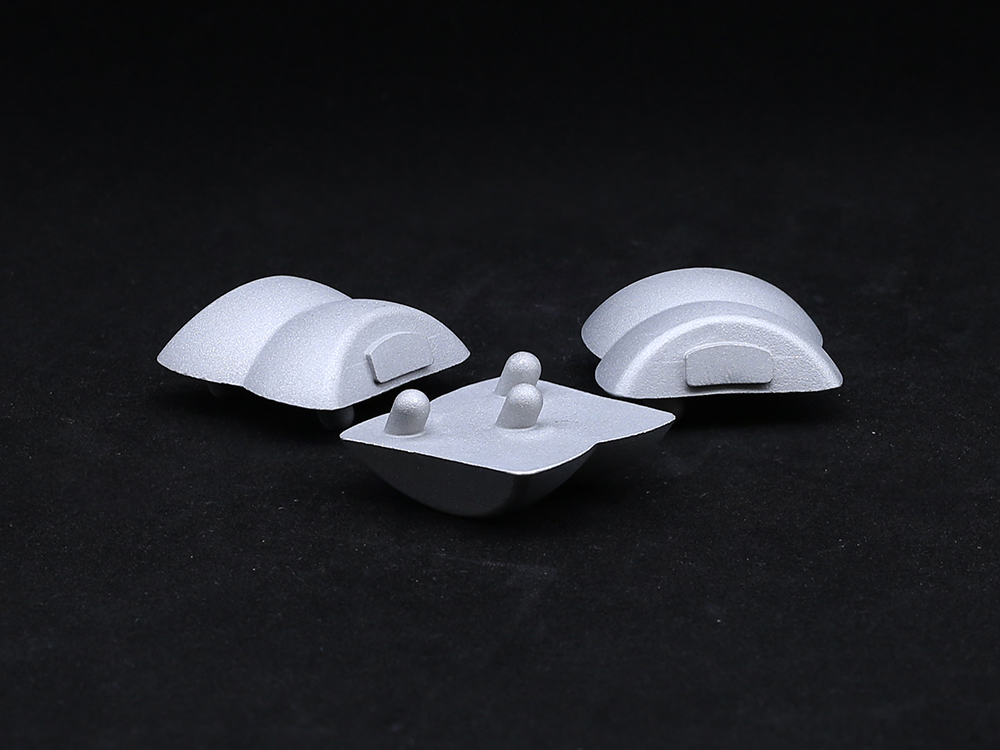 TalusTitanium alloys or PEEK materials that meet international medical standards are selected, featuring both strength and biocompatibility, effectively reducing the risk of rejection and promoting bone integration.
 -
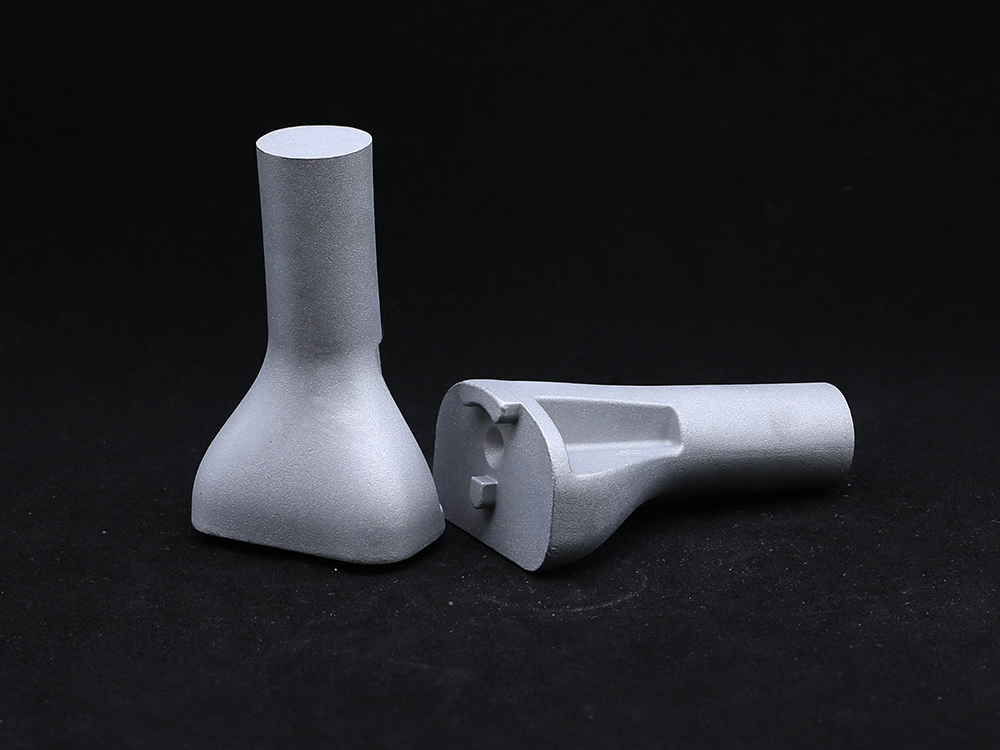 Tibial PlateauAvailable in both fixed-bearing and mobile-bearing configurations, the implants include modular baseplates and polyethylene inserts to accommodate various patient anatomies and surgical techniques.
 -
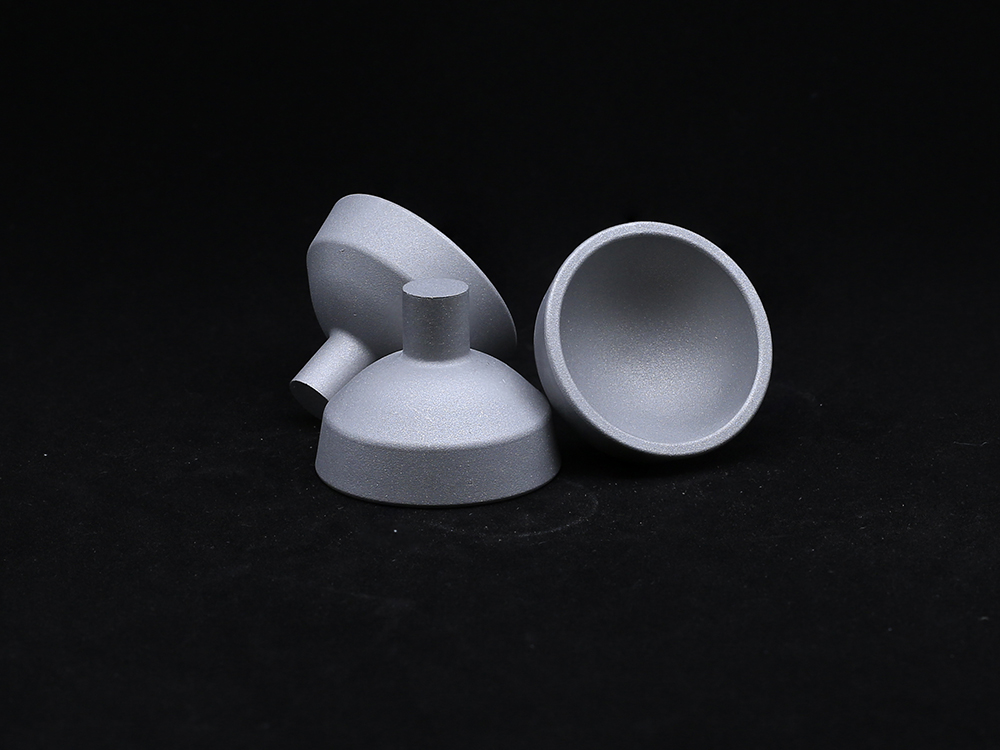 Acetabular CupMade from high-strength materials such as titanium alloy or cobalt-chromium, the Acetabular Cup ensures durability, corrosion resistance, and long-lasting performance. Its anatomical shape promotes optimal alignment and load distribution, reducing wear on bearing surfaces.
 -
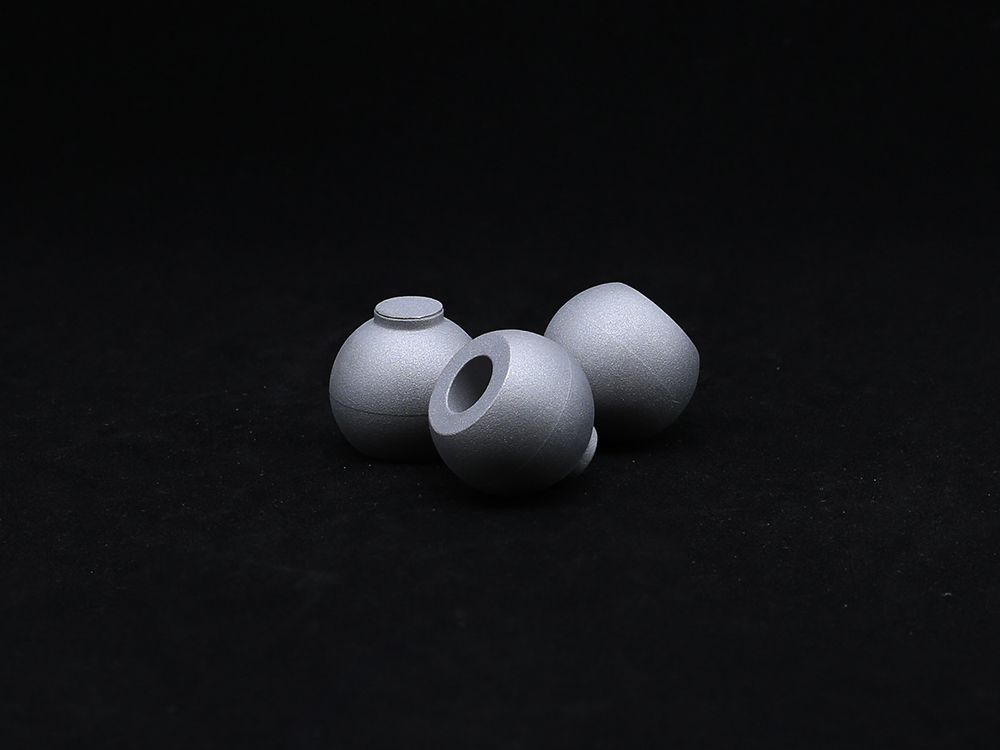 Ball HeadOur Ball Head component is designed for use in joint replacement procedures, particularly in hip and shoulder arthroplasty. Crafted from high-strength materials such as cobalt-chromium alloy or ceramic, the ball head ensures excellent wear resistance and long-term durability.
 -
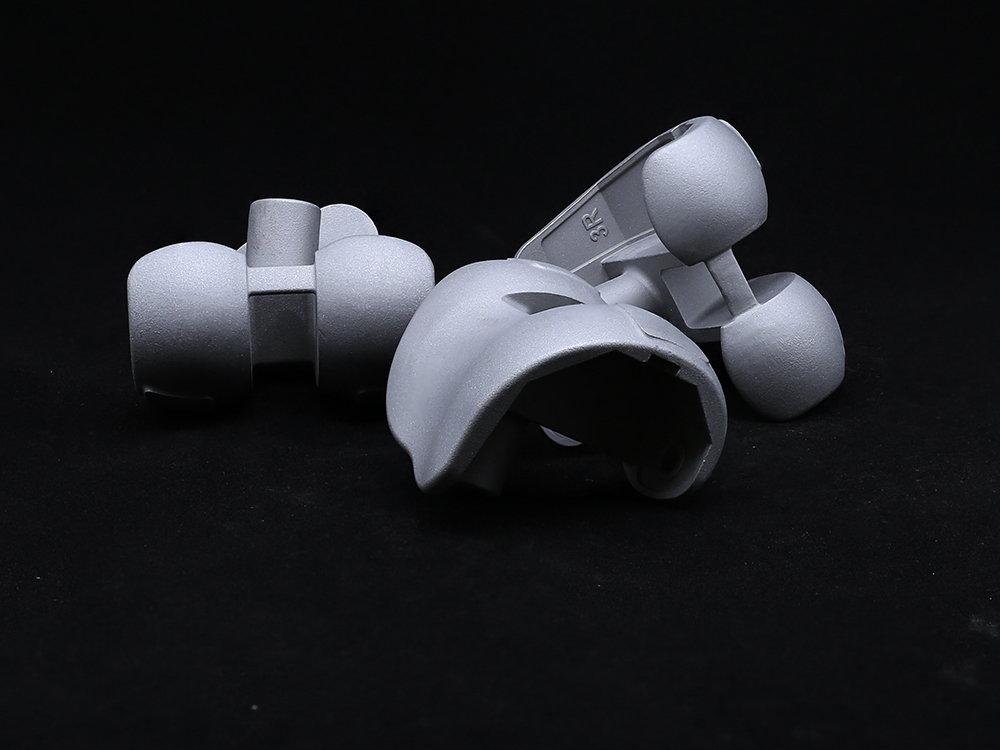 Revision Femoral CondyleThe Revision Femoral Condyle is engineered for use in knee revision surgeries, providing reliable solutions for patients requiring joint reconstruction due to implant failure, loosening, or wear. Made from biocompatible materials such as cobalt-chromium alloy, the revision condyle features enhanced durability and resistance to wear. Its design includes optimized geometry to restore proper knee function and alignment, ensuring a secure fit even in cases of significant bone loss.
 -
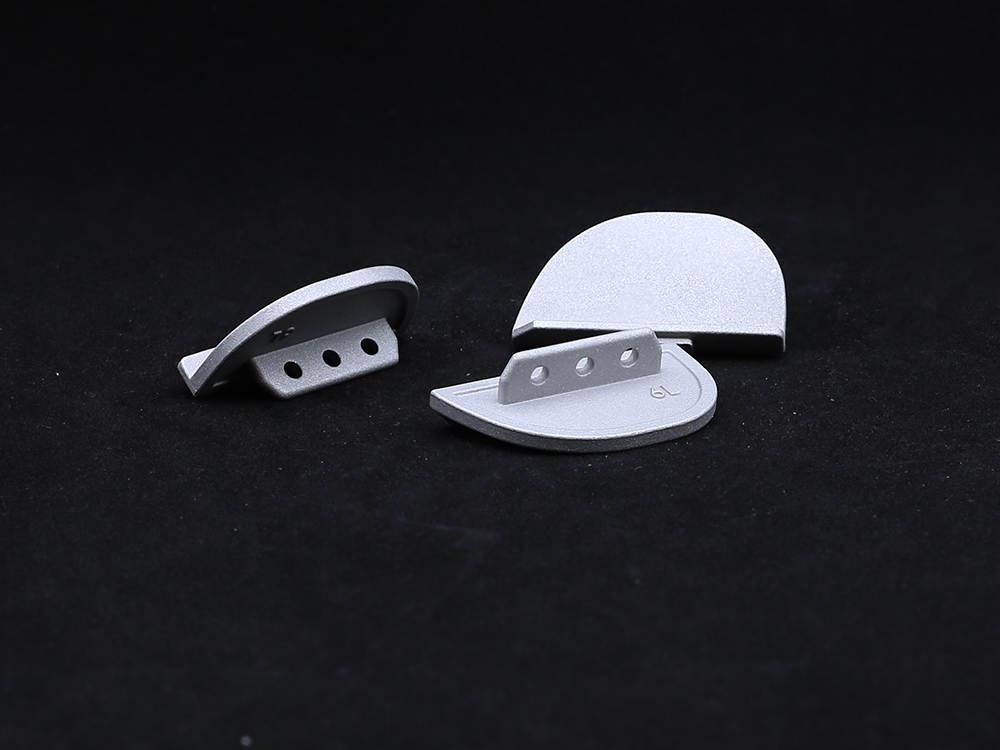 Unilateral Tibial PlateauThe unilateral tibial plateau is an orthopedic implant used in partial knee arthroplasty to replace the damaged medial or lateral tibial joint surface, thereby restoring function, relieving pain, and ensuring knee stability.
 -
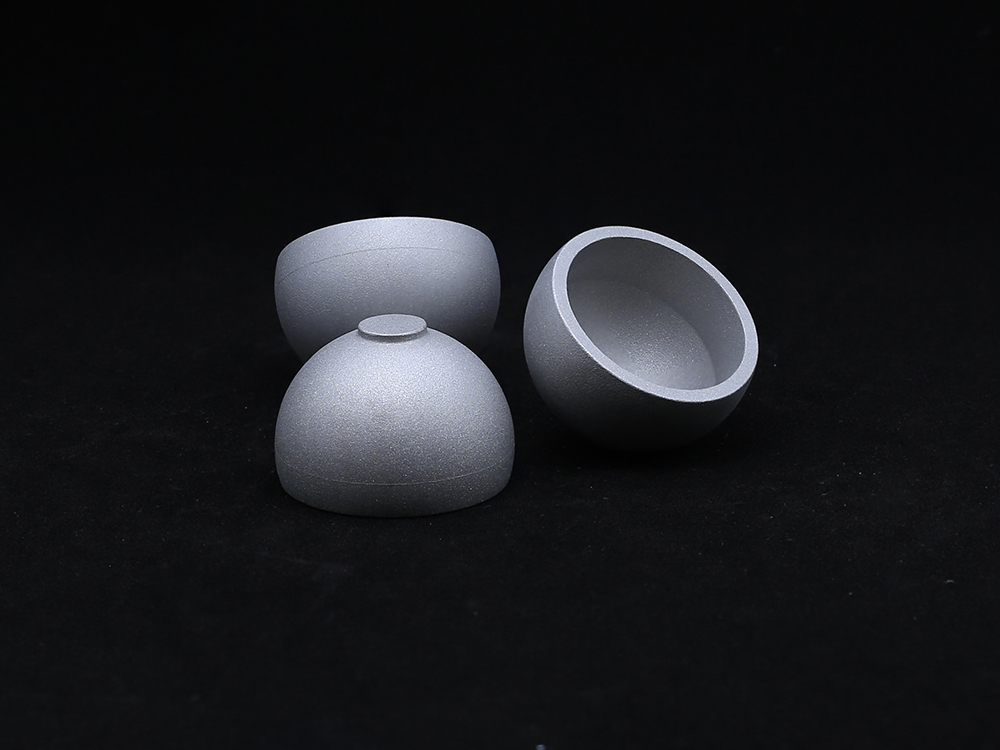 Metal CupOur Metal Cup is a critical component in hip joint replacement systems, designed to provide a durable and secure base for the acetabular implant. Manufactured from high-strength materials such as titanium alloy or cobalt-chromium, the Metal Cup offers excellent wear resistance, corrosion resistance, and long-term stability. Its anatomical design ensures proper alignment and load distribution, while its surface finish promotes optimal bone fixation.
 -
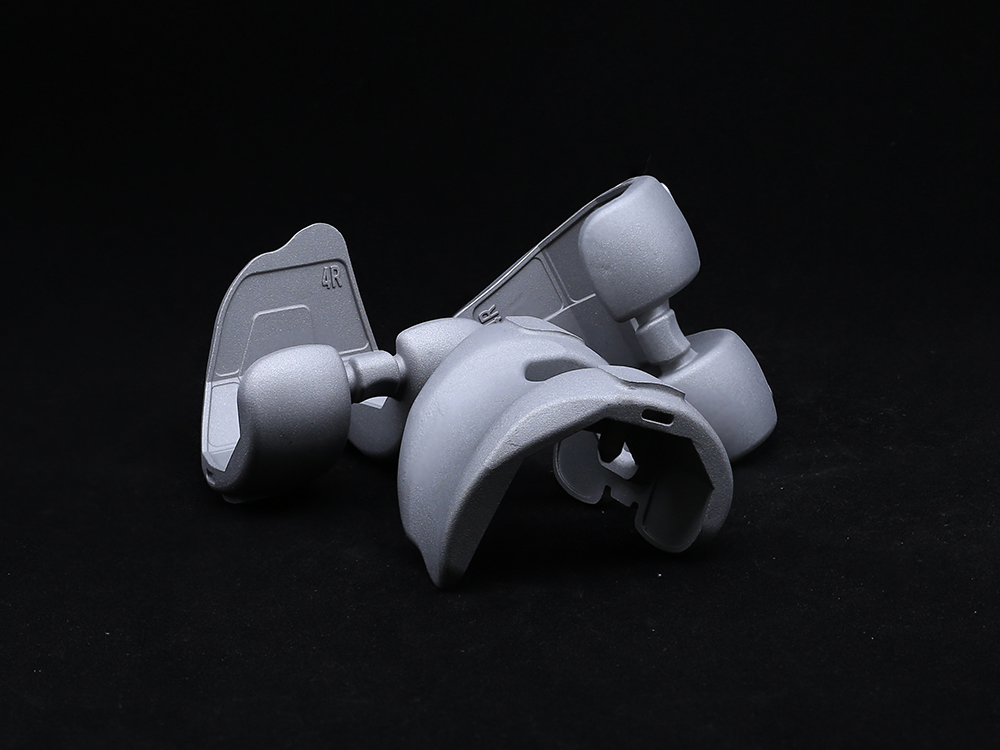 Femoral CondyleOur Half Platform system is designed to offer modular versatility in joint replacement procedures, particularly for hip and knee applications. It allows surgeons to combine components from different implant systems while maintaining biomechanical integrity and surgical efficiency.
 -
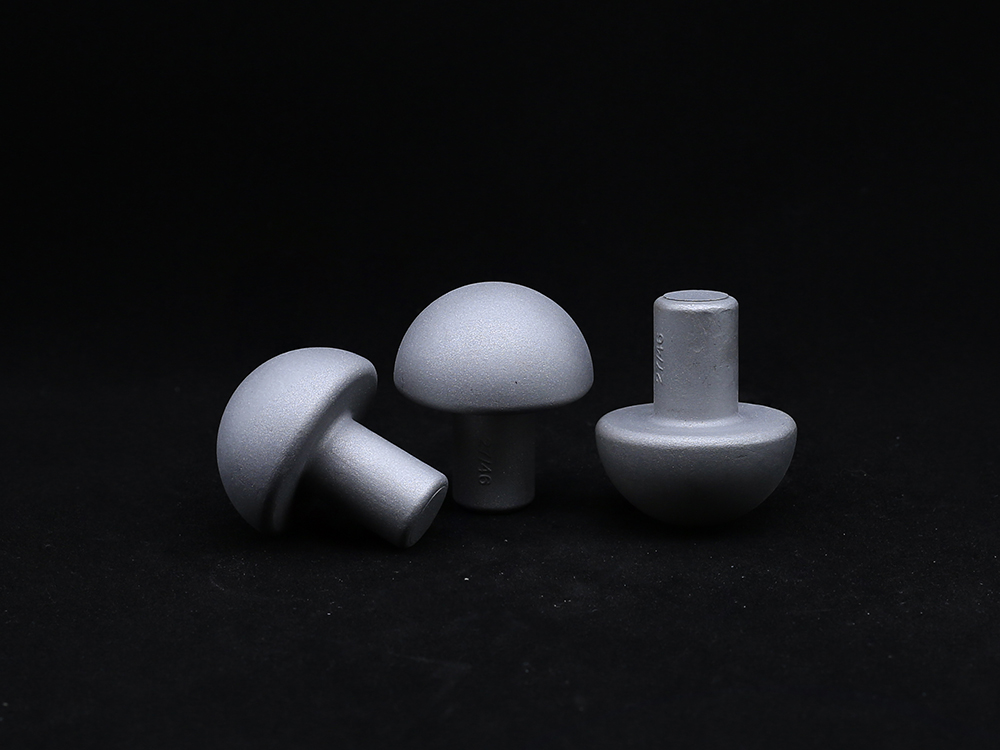 Humeral HeadAvailable in a range of diameters and offsets, they are designed to accommodate diverse patient anatomies and ensure proper soft tissue tensioning. Each humeral head is precisely machined from high-strength cobalt-chromium or ceramic materials, offering excellent wear resistance and biocompatibility.
 -
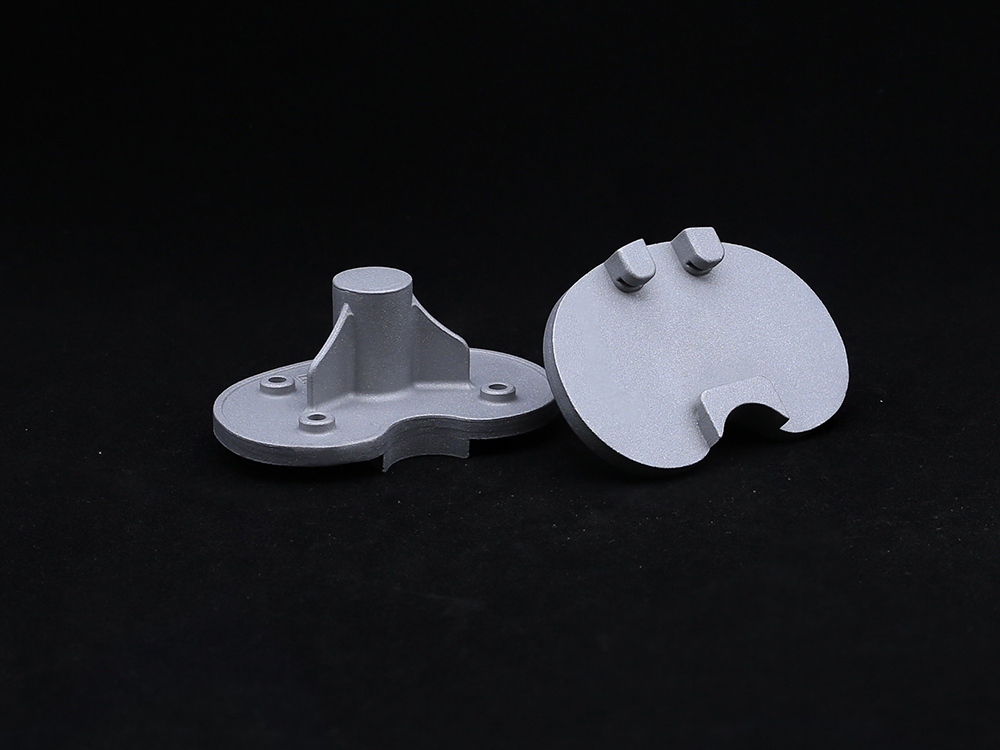 Refurbished PlatformCarefully Reprocessed To Meet The Highest Quality And Safety Standards, This Platform Is Ideal For Patients Requiring Revision Surgeries Or Those Seeking A Sustainable Option.
 -
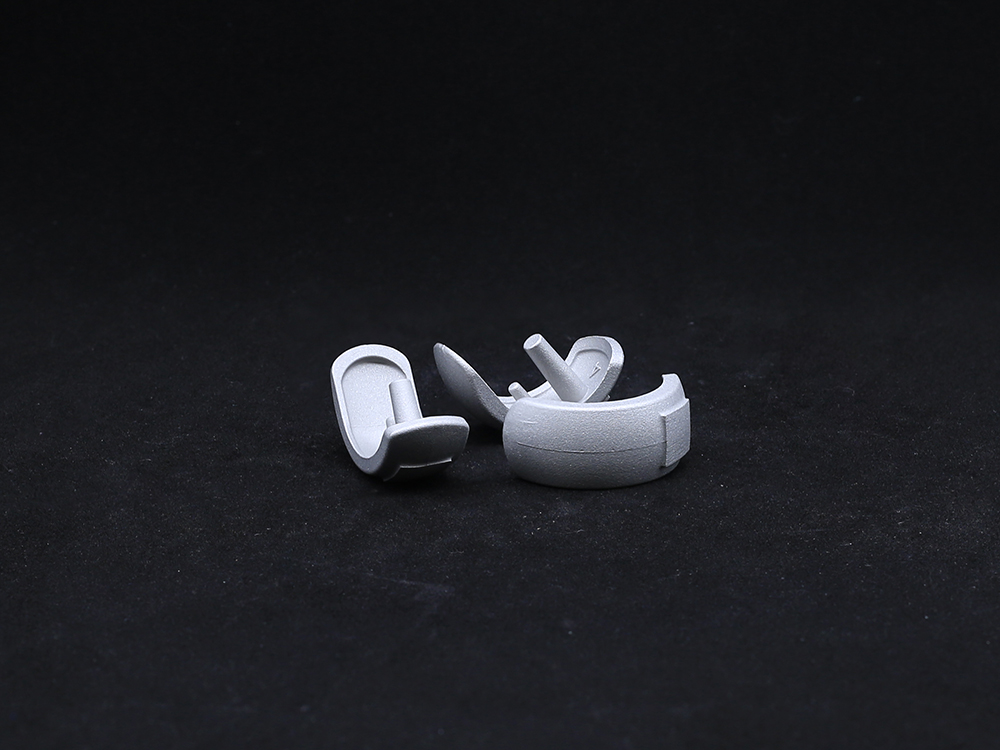 Half KneeThis minimally invasive solution preserves healthy bone, ligaments, and joint structures, enabling faster recovery and more natural knee kinematics. The system includes femoral and tibial components made from durable cobalt-chromium alloys and wear-resistant polyethylene inserts.
Get a Custom Solution!
Contact Us To Provide You With More Professional Services


