- Tel: +8613911709825 /
- Email: ry@rays-casting.com /

Understanding the Longevity and Benefits of Ceramic on Ceramic Hip Replacement
Understanding the Longevity and Benefits of Ceramic on Ceramic Hip Replacement
Understanding the Life of Ceramic on Ceramic Hip Replacement
Ceramic on ceramic hip replacements have become a popular choice for patients seeking long-term joint health. This article delves into the intricacies of this implant type, examining its longevity, potential complications, and what patients can expect throughout its lifespan. We'll explore the benefits of this technology, as well as factors influencing its success. Understanding the ceramic on ceramic hip replacement’s life cycle is crucial for both patients and orthopedic surgeons. Rays Casting is dedicated to providing information and advanced solutions in orthopedic implants.
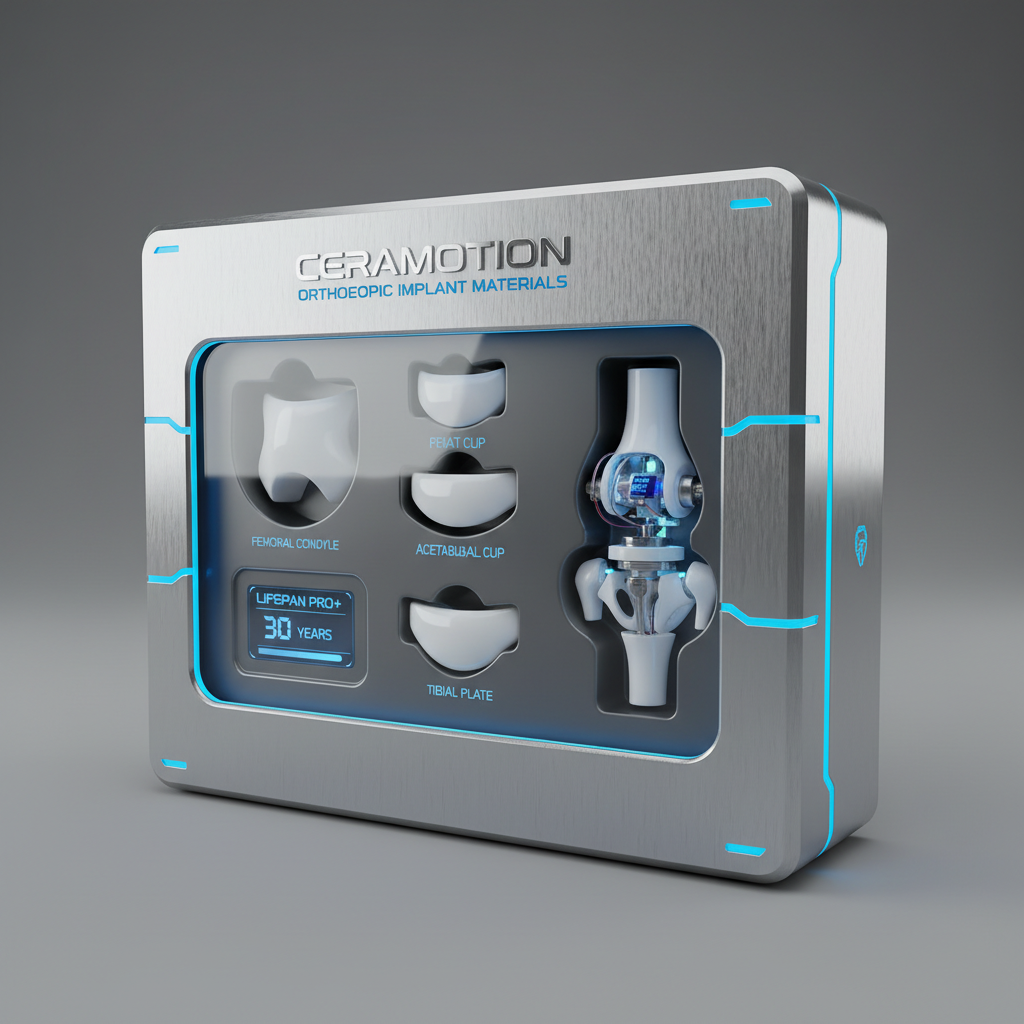
What is a Ceramic on Ceramic Hip Replacement?
A ceramic on ceramic hip replacement utilizes both a ceramic ball and a ceramic socket. These components are chosen for their exceptional hardness and low wear rates compared to traditional metal or plastic alternatives. The goal is to minimize particle debris, a key concern with other implant materials, which can lead to inflammation and loosening over time. This type of hip replacement is often favored for younger, more active patients due to its potential for long-term durability. The smooth surfaces of ceramic components articulate with minimal friction, potentially enhancing range of motion and reducing pain.
Factors Influencing the Life of Ceramic on Ceramic Hip Replacements
Several factors contribute to the longevity of a ceramic on ceramic hip replacement. Patient age, activity level, weight, and overall health play significant roles. Surgical technique and implant positioning are also critical. A well-executed surgery with precise component alignment maximizes the implant's lifespan. Post-operative rehabilitation and adherence to weight-bearing restrictions are essential for optimal healing and long-term success. Furthermore, the quality of the ceramic materials and the implant design itself directly impact wear rates and overall performance.
Key Considerations: Patient age, activity level, surgical technique, rehabilitation adherence, and implant quality are all crucial factors influencing longevity.
Longevity and Wear Rates: Data and Statistics
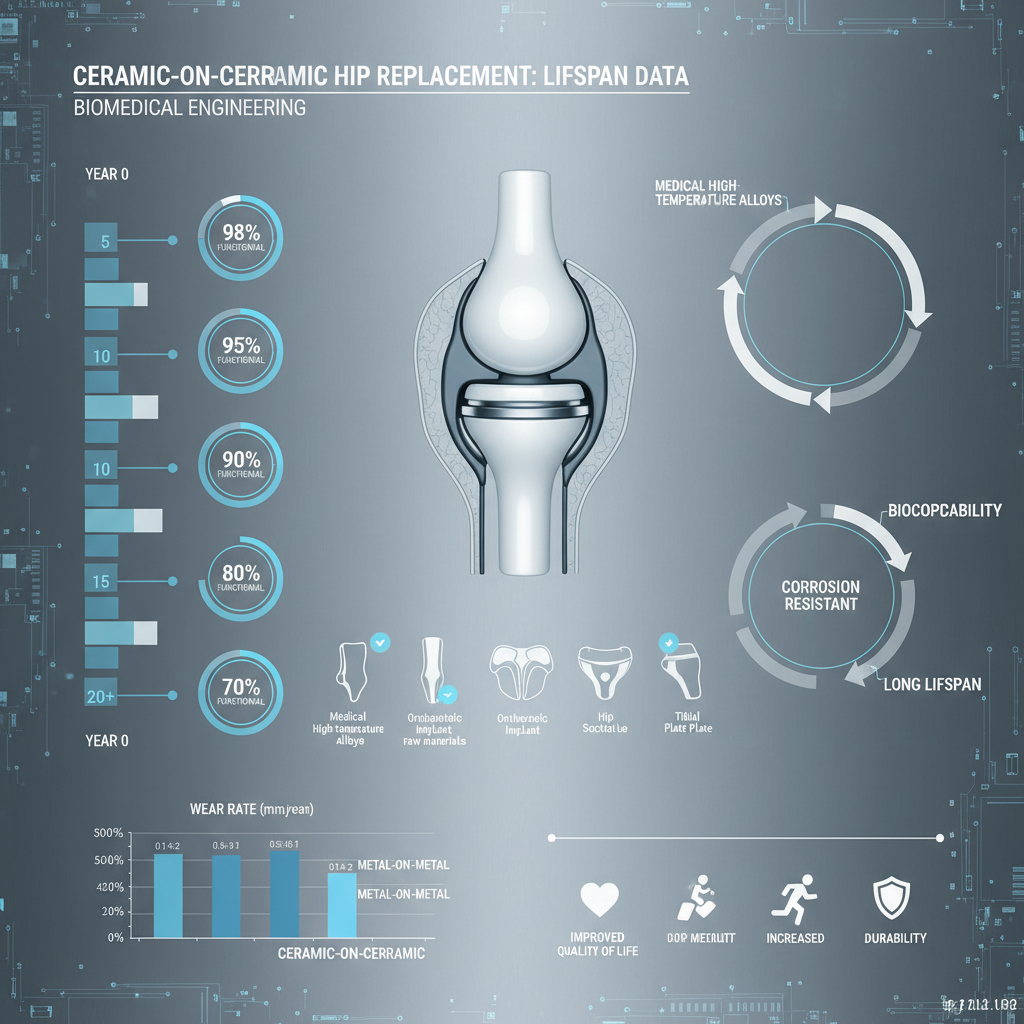
Studies indicate that ceramic on ceramic hip replacements can demonstrate excellent long-term survival rates. While precise lifespan prediction is impossible, many implants are expected to function well for 20-25 years or more. However, wear rates, although low, are not zero. Microscopic ceramic particles can still be generated over time, although at a significantly slower pace than with other material combinations. The following table illustrates typical wear rates reported in clinical studies:
Potential Complications and Revision Surgery
Despite their durability, ceramic on ceramic hip replacements are not immune to complications. These can include ceramic fracture (though rare), dislocation, infection, and impingement. A rare but serious complication is adverse reaction to metal debris (ARMD), which can lead to implant loosening and pain. Revision surgery may become necessary if complications arise or if the implant wears out over time. Rays Casting provides cutting-edge revision implant options for these situations.
Maintaining a Long-Lasting Ceramic on Ceramic Hip Replacement
To maximize the lifespan of your ceramic on ceramic hip replacement, it's essential to follow your surgeon’s post-operative instructions diligently. This includes adhering to weight-bearing restrictions, participating in a prescribed rehabilitation program, and avoiding high-impact activities. Regular follow-up appointments with your orthopedic surgeon are crucial for monitoring implant function and identifying any potential problems early on. Maintaining a healthy weight and lifestyle can also contribute to long-term implant success.
Conclusion: A Durable Solution for Hip Joint Health
Ceramic on ceramic hip replacements offer a promising solution for individuals seeking long-term hip joint health. While not without potential complications, their low wear rates and proven durability make them a viable option for many patients. Understanding the factors influencing their lifespan and following post-operative care instructions are key to maximizing their longevity. Rays Casting remains at the forefront of orthopedic innovation, dedicated to improving patient outcomes.
Frequently Asked Questions (FAQs)
What activities should I avoid after a ceramic on ceramic hip replacement?
Following surgery, it's generally recommended to avoid high-impact activities such as running, jumping, and heavy lifting. These activities can place excessive stress on the implant and potentially accelerate wear. Low-impact exercises like walking, swimming, and cycling are typically encouraged to strengthen surrounding muscles and improve range of motion. Your surgeon will provide a personalized activity plan based on your individual needs and recovery progress. It is important to avoid extreme pivoting motions and forceful hip flexion or extension.
How often should I have follow-up appointments after my hip replacement?
Regular follow-up appointments are crucial for monitoring the health of your hip replacement. Typically, you'll have appointments scheduled at 6 weeks, 3 months, 6 months, 1 year, and then annually for the first few years. These appointments involve physical examinations, X-rays, and potentially other imaging studies to assess implant stability, alignment, and wear. Your surgeon may adjust the frequency of follow-up appointments based on your individual circumstances and recovery.
What are the signs that my hip replacement might be failing?
Signs of a potentially failing hip replacement can include increasing pain in the groin, buttock, or thigh, especially during activity. Other symptoms may include stiffness, limited range of motion, clicking or grinding sensations, and instability. If you experience any of these symptoms, it's essential to contact your orthopedic surgeon promptly for evaluation. Early detection and intervention can often prevent further complications and preserve implant function.
Are ceramic on ceramic hip replacements suitable for everyone?
Ceramic on ceramic hip replacements are not necessarily suitable for everyone. Patient selection is crucial. They are often preferred for younger, more active patients with good bone quality. Factors such as bone density, body weight, and activity level are considered. Your surgeon will thoroughly evaluate your individual circumstances and discuss the best implant option for your needs. Rays Casting can provide detailed information on implant suitability.
-
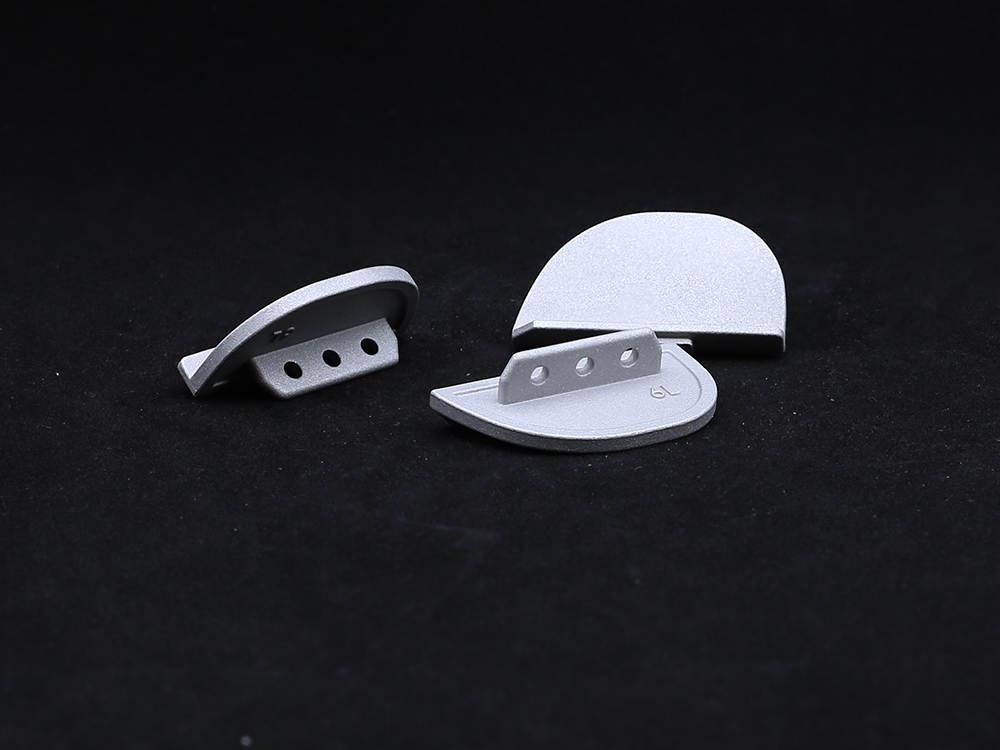 Unilateral Tibial PlateauThe unilateral tibial plateau is an orthopedic implant used in partial knee arthroplasty to replace the damaged medial or lateral tibial joint surface, thereby restoring function, relieving pain, and ensuring knee stability.
 -
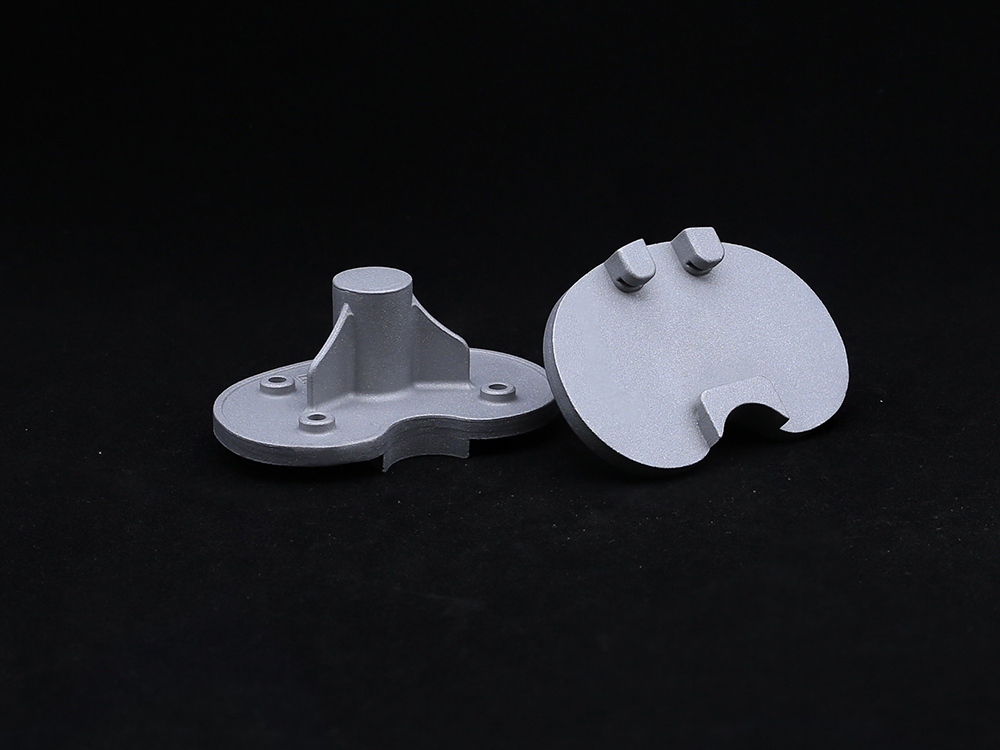 Refurbished PlatformCarefully Reprocessed To Meet The Highest Quality And Safety Standards, This Platform Is Ideal For Patients Requiring Revision Surgeries Or Those Seeking A Sustainable Option.
 -
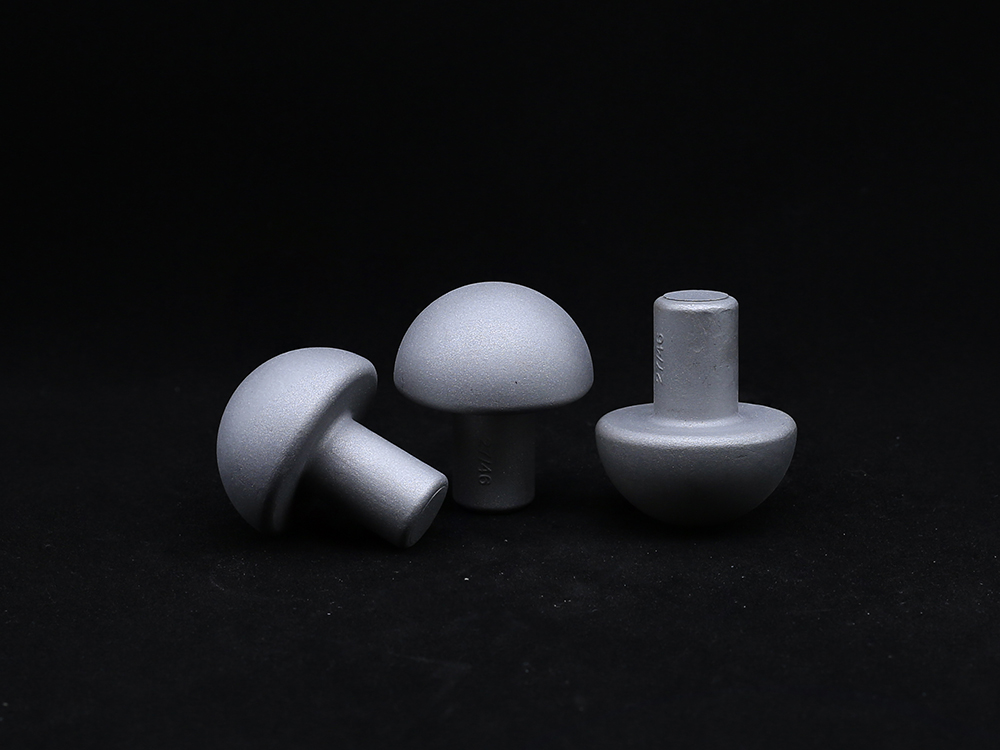 Humeral HeadAvailable in a range of diameters and offsets, they are designed to accommodate diverse patient anatomies and ensure proper soft tissue tensioning. Each humeral head is precisely machined from high-strength cobalt-chromium or ceramic materials, offering excellent wear resistance and biocompatibility.
 -
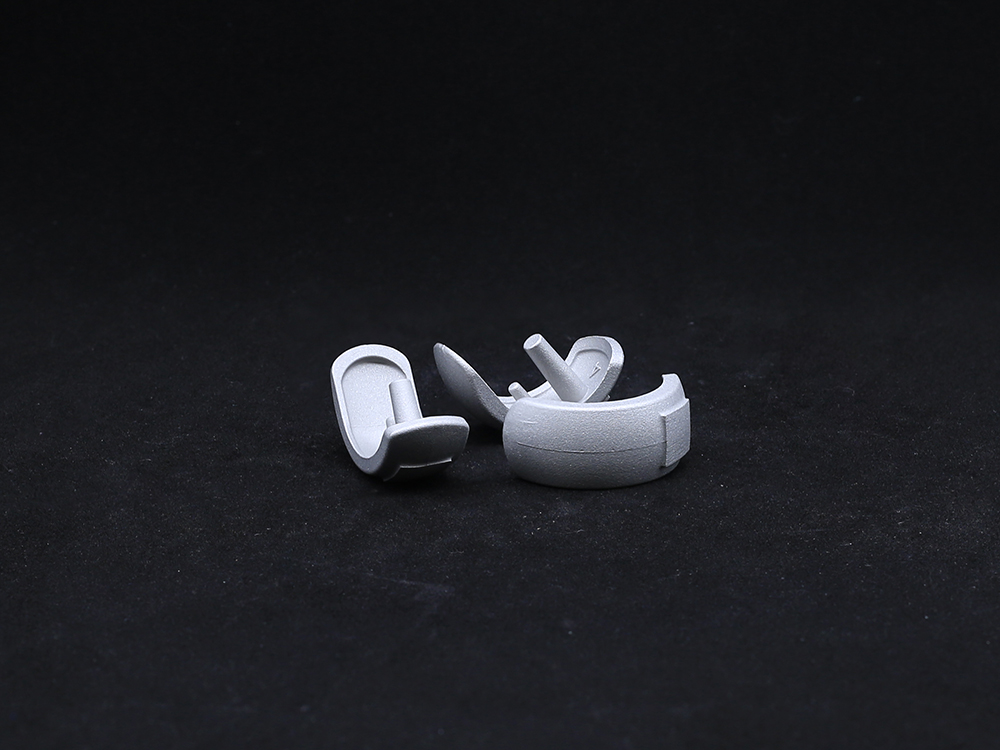 Half KneeThis minimally invasive solution preserves healthy bone, ligaments, and joint structures, enabling faster recovery and more natural knee kinematics. The system includes femoral and tibial components made from durable cobalt-chromium alloys and wear-resistant polyethylene inserts.
 -
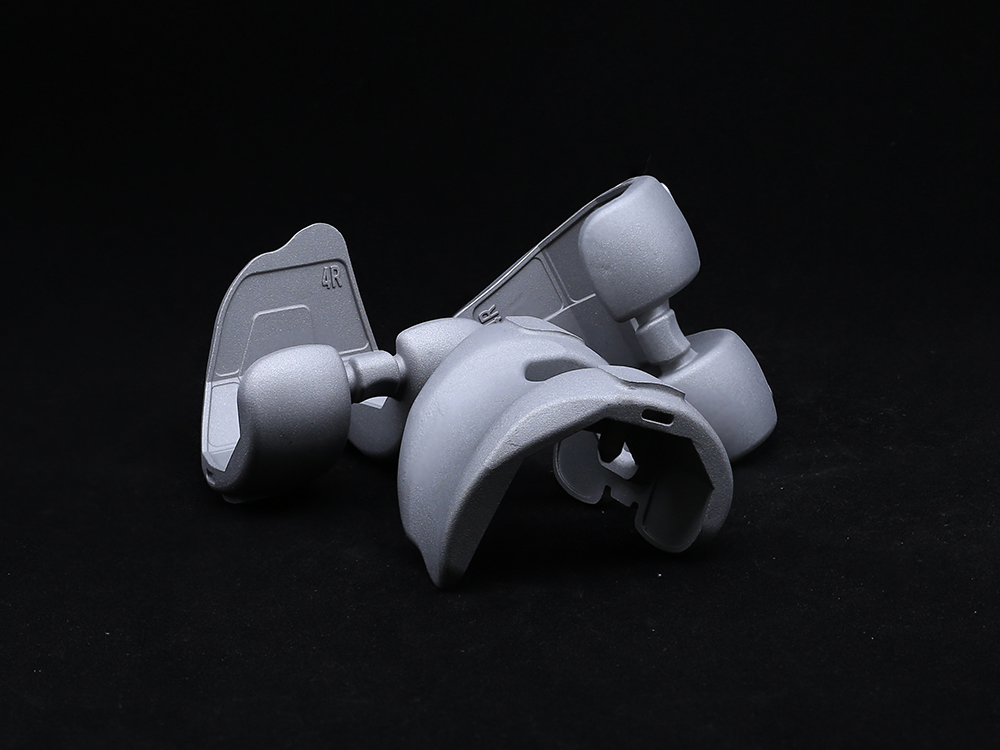 Femoral CondyleOur Half Platform system is designed to offer modular versatility in joint replacement procedures, particularly for hip and knee applications. It allows surgeons to combine components from different implant systems while maintaining biomechanical integrity and surgical efficiency.
 -
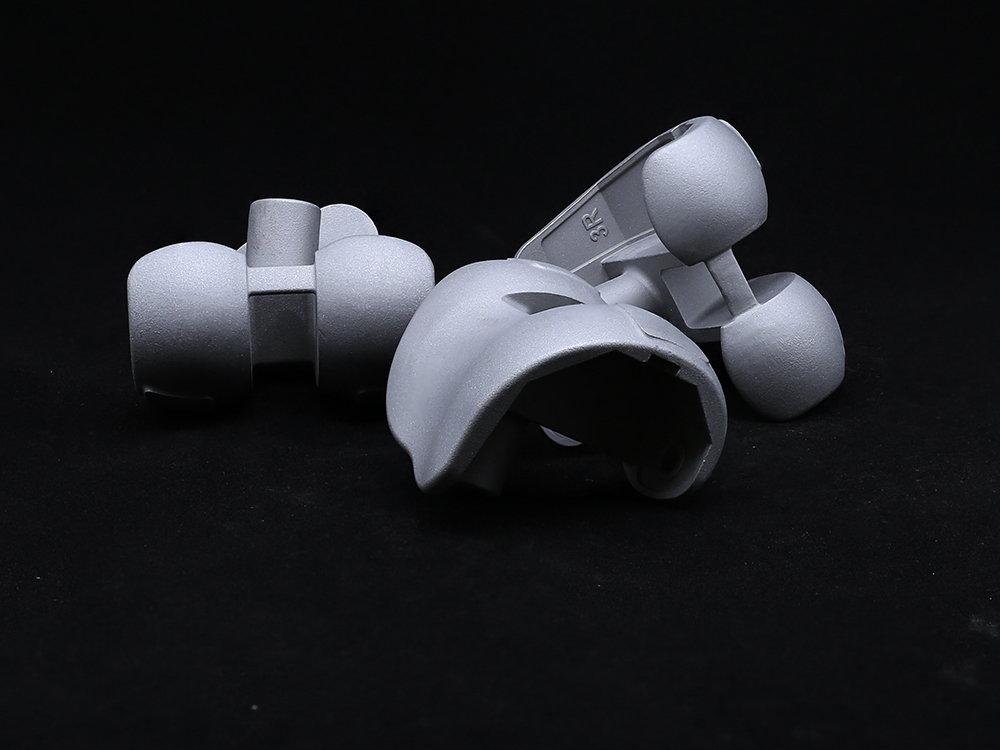 Revision Femoral CondyleThe Revision Femoral Condyle is engineered for use in knee revision surgeries, providing reliable solutions for patients requiring joint reconstruction due to implant failure, loosening, or wear. Made from biocompatible materials such as cobalt-chromium alloy, the revision condyle features enhanced durability and resistance to wear. Its design includes optimized geometry to restore proper knee function and alignment, ensuring a secure fit even in cases of significant bone loss.
 -
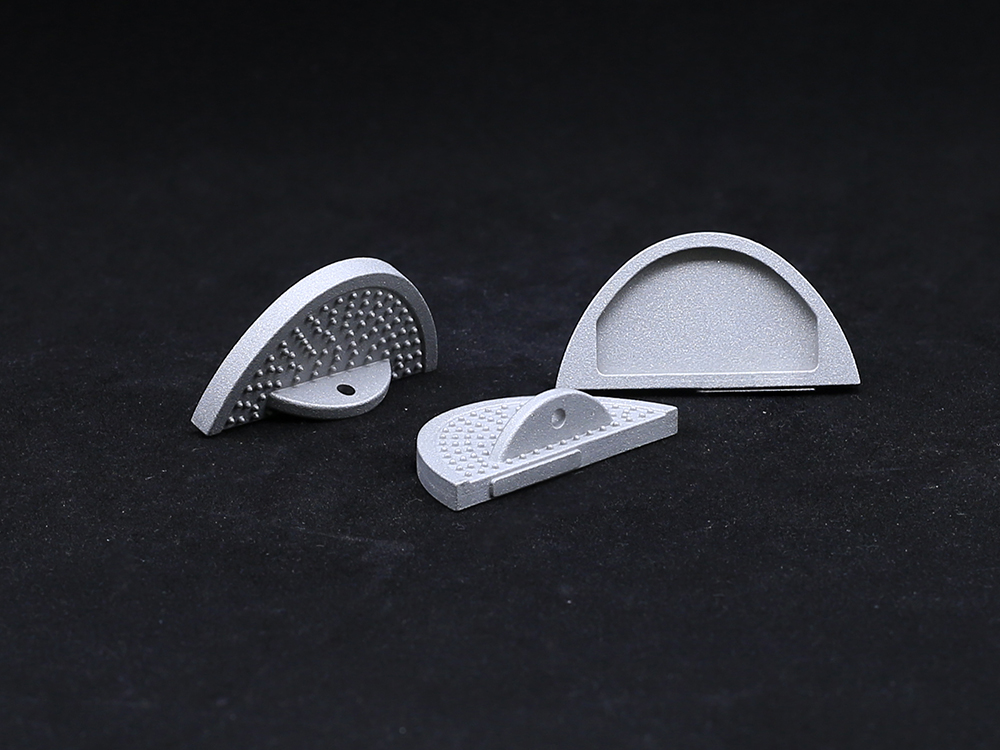 Bump Half PlatformManufactured from biocompatible, high-strength materials like titanium or cobalt-chromium alloys, it ensures durability and long-term performance. Ideal for knee, hip, or other joint replacements, the Bump Half Platform enhances surgical efficiency, minimizes inventory needs, and delivers reliable clinical outcomes with optimal joint alignment and function.
 -
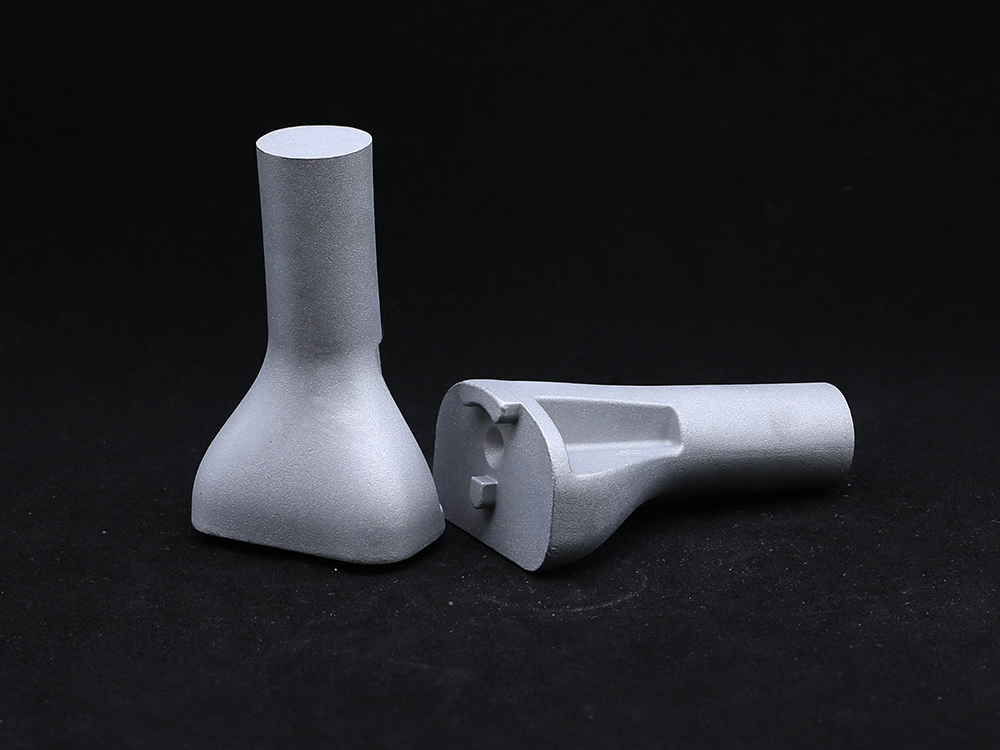 Tibial PlateauAvailable in both fixed-bearing and mobile-bearing configurations, the implants include modular baseplates and polyethylene inserts to accommodate various patient anatomies and surgical techniques.
 -
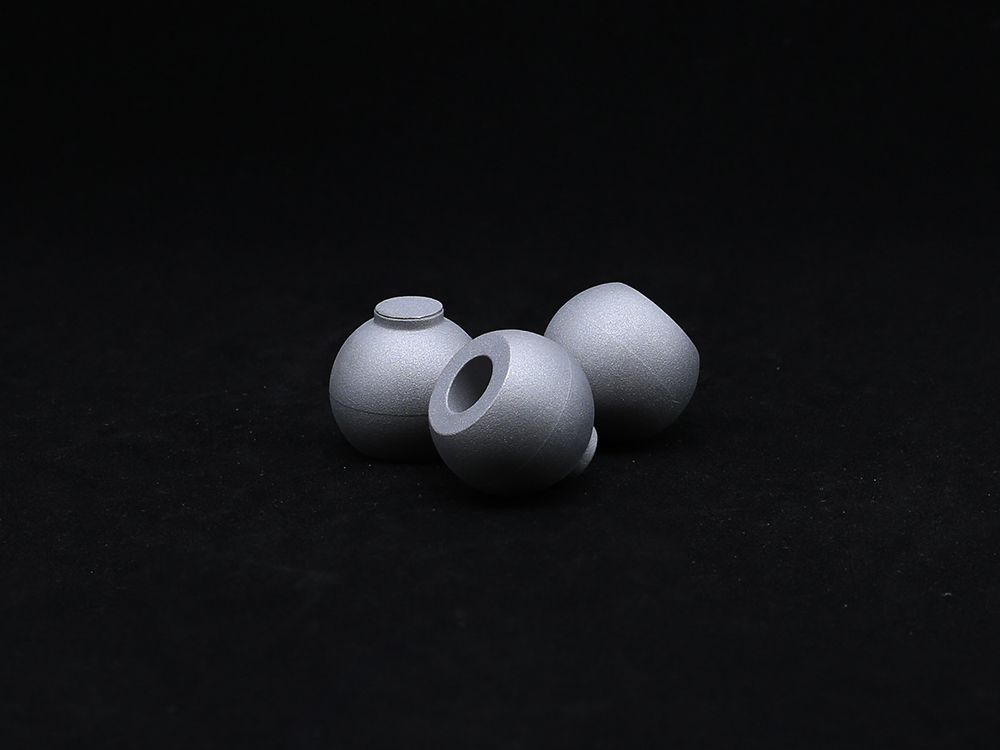 Ball HeadOur Ball Head component is designed for use in joint replacement procedures, particularly in hip and shoulder arthroplasty. Crafted from high-strength materials such as cobalt-chromium alloy or ceramic, the ball head ensures excellent wear resistance and long-term durability.
 -
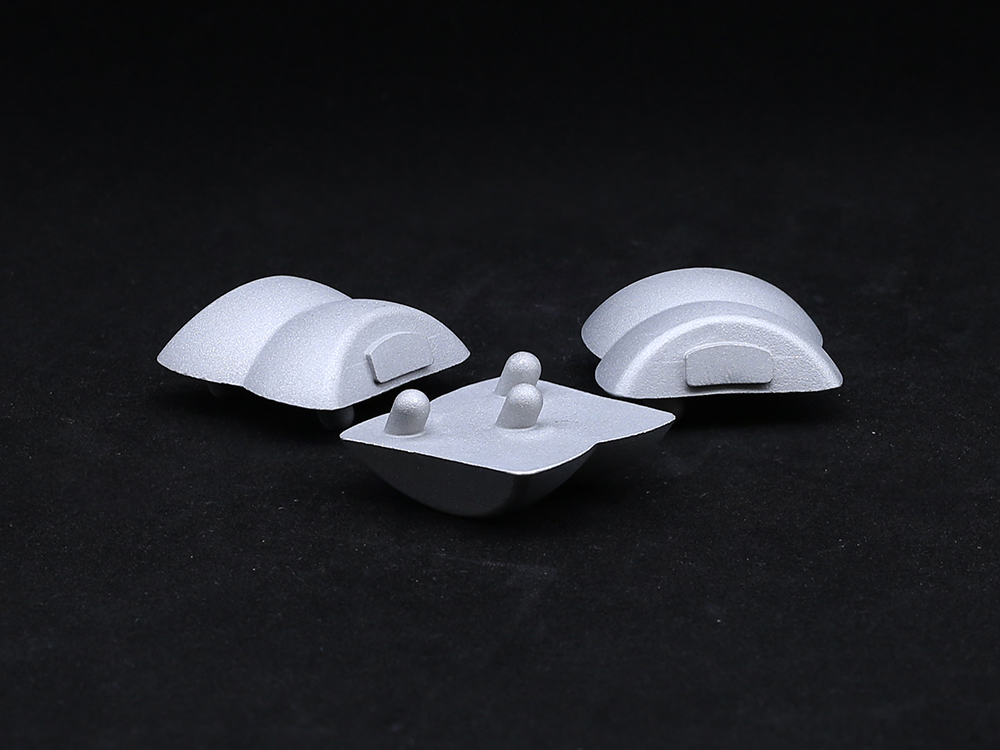 TalusTitanium alloys or PEEK materials that meet international medical standards are selected, featuring both strength and biocompatibility, effectively reducing the risk of rejection and promoting bone integration.
 -
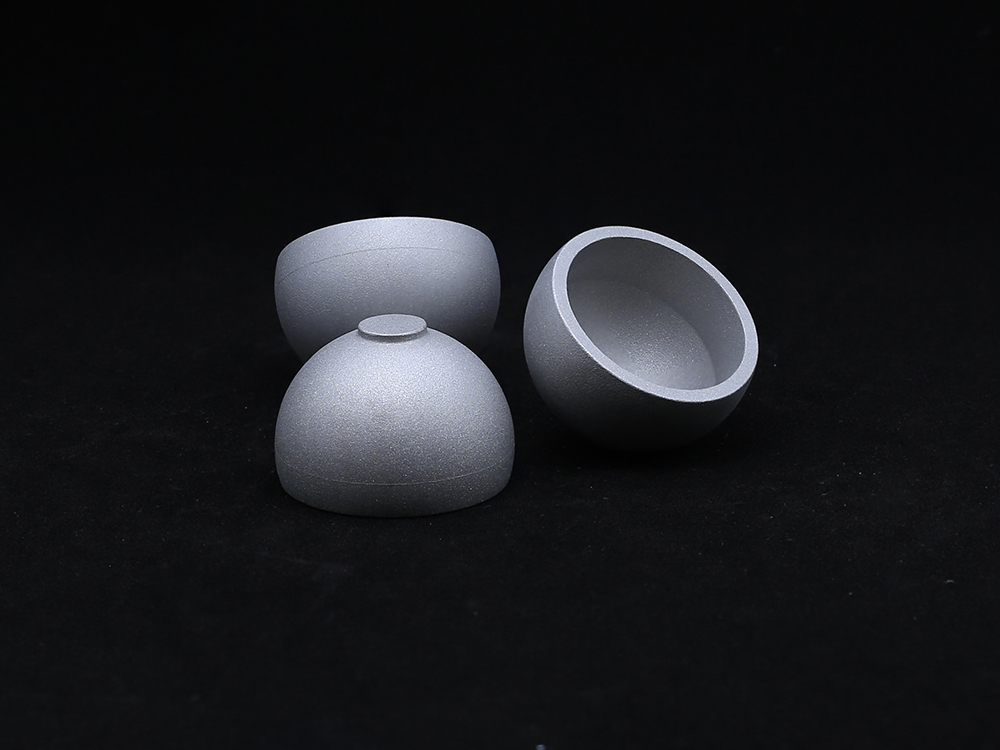 Metal CupOur Metal Cup is a critical component in hip joint replacement systems, designed to provide a durable and secure base for the acetabular implant. Manufactured from high-strength materials such as titanium alloy or cobalt-chromium, the Metal Cup offers excellent wear resistance, corrosion resistance, and long-term stability. Its anatomical design ensures proper alignment and load distribution, while its surface finish promotes optimal bone fixation.
 -
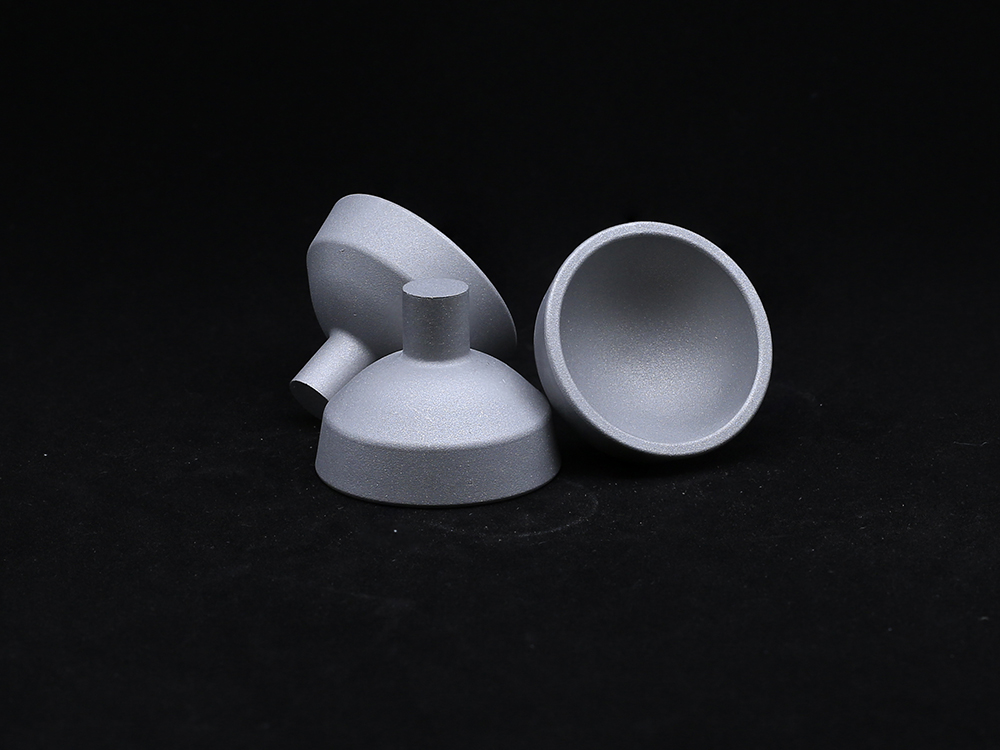 Acetabular CupMade from high-strength materials such as titanium alloy or cobalt-chromium, the Acetabular Cup ensures durability, corrosion resistance, and long-lasting performance. Its anatomical shape promotes optimal alignment and load distribution, reducing wear on bearing surfaces.
Get a Custom Solution!
Contact Us To Provide You With More Professional Services


