- Tel: +8613911709825 /
- Email: ry@rays-casting.com /

Understanding the Socket of Hip Anatomy and Advanced Casting Technologies
Understanding the Socket of Hip Anatomy and Advanced Casting Technologies
Understanding the Socket of Hip: A Comprehensive Guide
The socket of hip is a crucial component of the human anatomy, and its precise casting and replication are paramount in various medical and industrial applications. This article will explore the anatomy of the hip socket, its importance in biomechanics, casting methodologies, and the advanced solutions offered by Rays Casting. Understanding this anatomical structure and the processes involved in its reproduction is vital for orthopedists, prosthetists, and engineers alike. We'll delve into the details to provide a clear and informative overview.
Anatomy of the Hip Socket (Acetabulum)
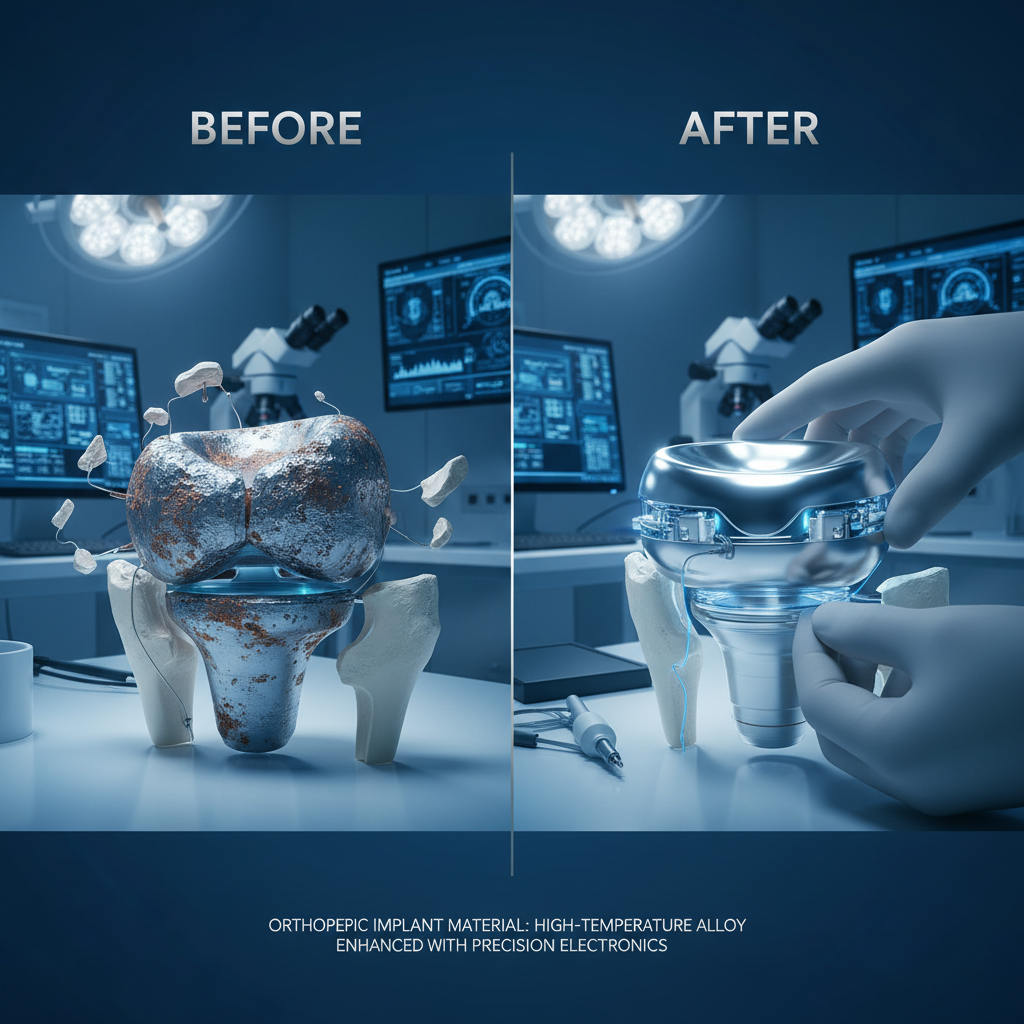
The hip socket, clinically known as the acetabulum, is a cup-shaped cavity located in the pelvic bone. It’s formed by the fusion of three pelvic bones: the ilium, ischium, and pubis. The acetabulum’s primary function is to receive the head of the femur (thigh bone), forming the hip joint, which is a ball-and-socket joint. This joint allows for a wide range of motion, including flexion, extension, abduction, adduction, and rotation. The labrum, a ring of fibrocartilage, deepens the socket, enhancing stability and providing cushioning. Accurate understanding of this anatomy is foundational for successful casting and replication. The expertise at Rays Casting ensures anatomical accuracy in every cast.
Key Highlights: The acetabulum is formed by the fusion of the ilium, ischium, and pubis, providing a stable socket for the femoral head. The labrum enhances stability and cushioning.
The Importance of Accurate Socket of Hip Casting
Precise casting of the hip socket is essential in several medical scenarios, including hip replacement surgery planning, custom prosthetic fabrication, and the assessment of skeletal abnormalities. An inaccurate cast can lead to improper implant sizing, instability of the joint, and ultimately, compromised patient outcomes. Traditional methods often involve manual molding and impression techniques, which are prone to human error. Rays Casting utilizes advanced digital technologies to minimize these errors and deliver highly accurate results. This commitment to precision ensures optimal functional restoration.
Benefits of Accurate Casting:
• Improved implant sizing and fit
• Enhanced joint stability
• Reduced risk of post-operative complications
• Optimized patient outcomes
Traditional vs. Digital Casting Methods for the Socket of Hip
Traditionally, casting the hip socket involved using plaster or alginate materials to create a negative impression. This required significant skill and experience to minimize distortions and capture accurate anatomical details. Digital methods, however, utilize 3D scanners and imaging technologies to create a virtual model of the hip socket. This allows for precise measurements, easy manipulation, and the ability to reproduce the socket digitally. Rays Casting specializes in digital casting, offering a superior alternative to conventional methods.
Rays Casting: Advanced Solutions for Hip Socket Replication
At Rays Casting, we specialize in providing cutting-edge digital casting solutions for the hip socket. Our services include 3D scanning, virtual modeling, and the production of highly accurate casts for a variety of applications. We leverage the latest technologies and a team of experienced professionals to deliver superior results. We are dedicated to providing innovative solutions that improve patient care and streamline workflows. Our commitment to quality and precision sets us apart.
Conclusion: The Future of Hip Socket Casting
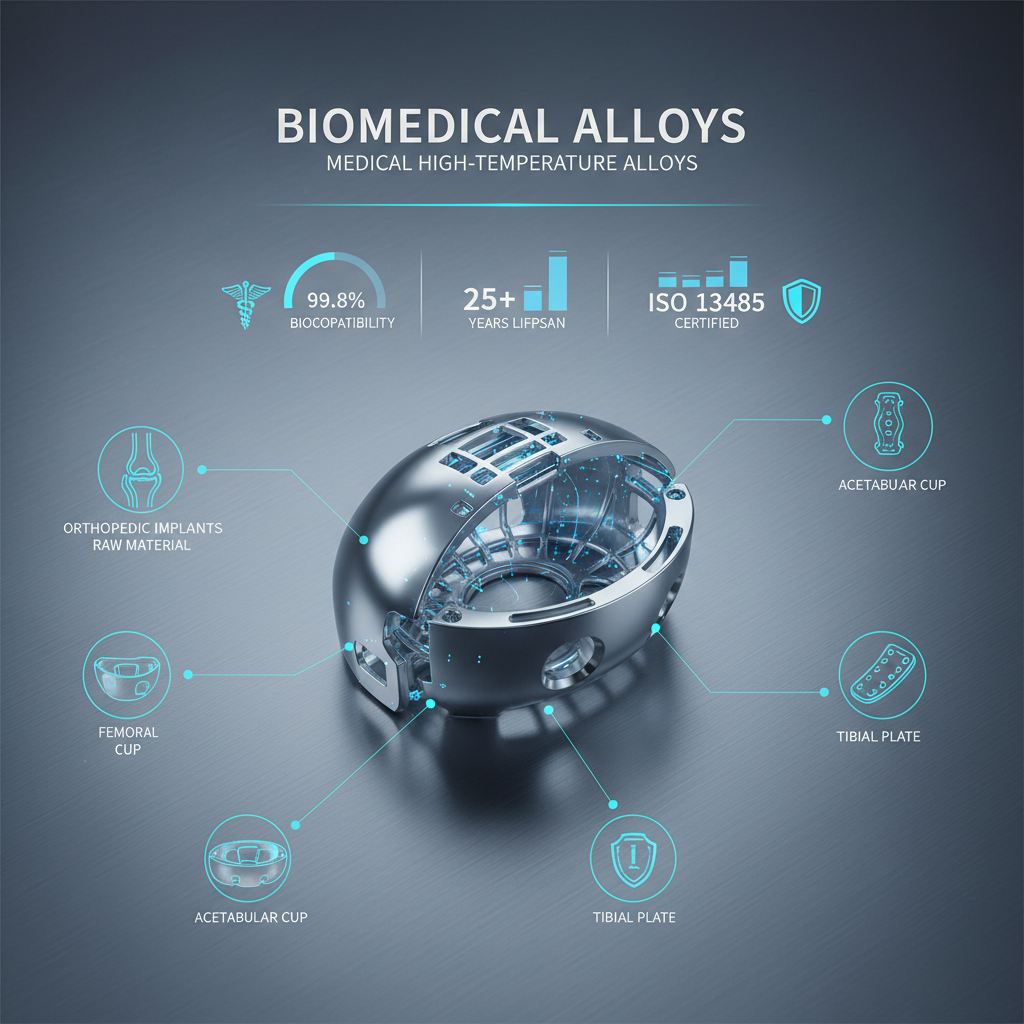
The field of hip socket casting is rapidly evolving, with digital technologies offering significant advantages over traditional methods. Rays Casting is at the forefront of this innovation, providing precise, efficient, and reliable solutions for medical professionals and industrial partners. By embracing digital casting, we can improve patient outcomes, reduce costs, and enhance the overall quality of care.
Frequently Asked Questions (FAQs)
What are the benefits of using digital casting over traditional methods?
Digital casting offers several advantages, including increased accuracy, reduced time, minimal material waste, and easy data storage. Traditional methods are prone to human error and can be time-consuming, while digital casting utilizes advanced technologies to create a precise virtual model of the hip socket. This ultimately leads to improved implant fitting and better patient outcomes. Rays Casting excels in these digital techniques, providing exceptional service.
How long does the digital casting process take?
The digital casting process is significantly faster than traditional methods. A scan of the hip socket can be completed in minutes, and the virtual model can be generated relatively quickly. The entire process, from scanning to creating a finalized cast, typically takes less than an hour, depending on the complexity of the case. This efficient turnaround time is a key benefit of choosing Rays Casting.
What applications are best suited for digital casting of the hip socket?
Digital casting is ideal for a wide range of applications, including pre-operative planning for hip replacement surgery, custom prosthetic fabrication, the assessment of developmental dysplasia of the hip (DDH), and the evaluation of skeletal abnormalities. It's also beneficial in situations where high accuracy is critical, such as in the creation of surgical guides. Rays Casting caters to all these needs and more.
-
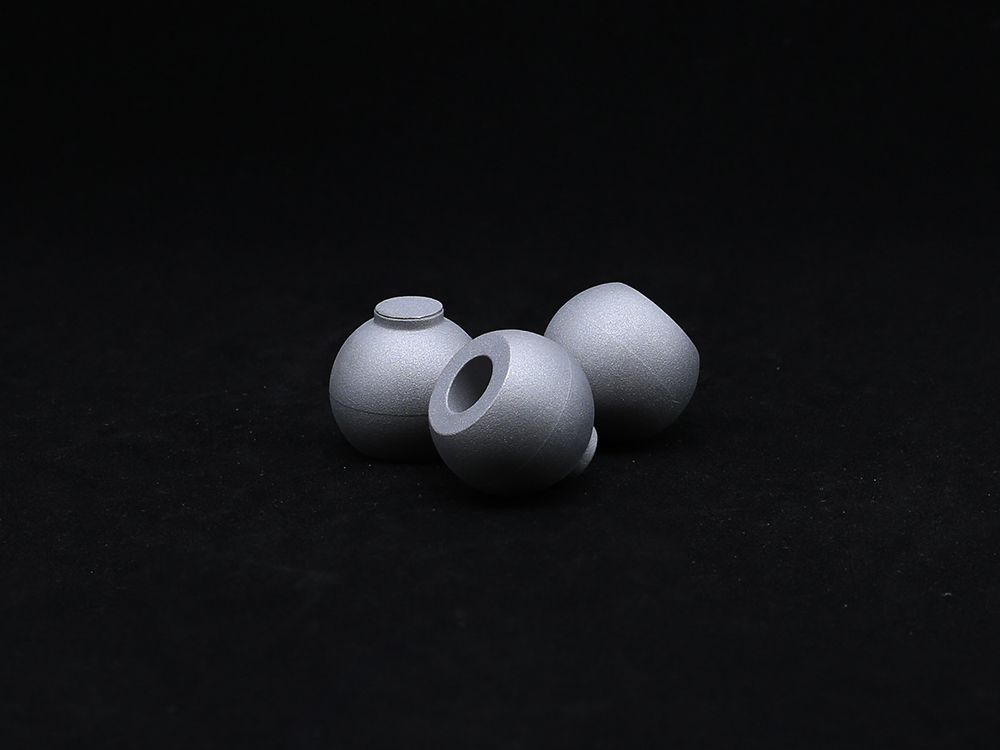 Ball HeadOur Ball Head component is designed for use in joint replacement procedures, particularly in hip and shoulder arthroplasty. Crafted from high-strength materials such as cobalt-chromium alloy or ceramic, the ball head ensures excellent wear resistance and long-term durability.
 -
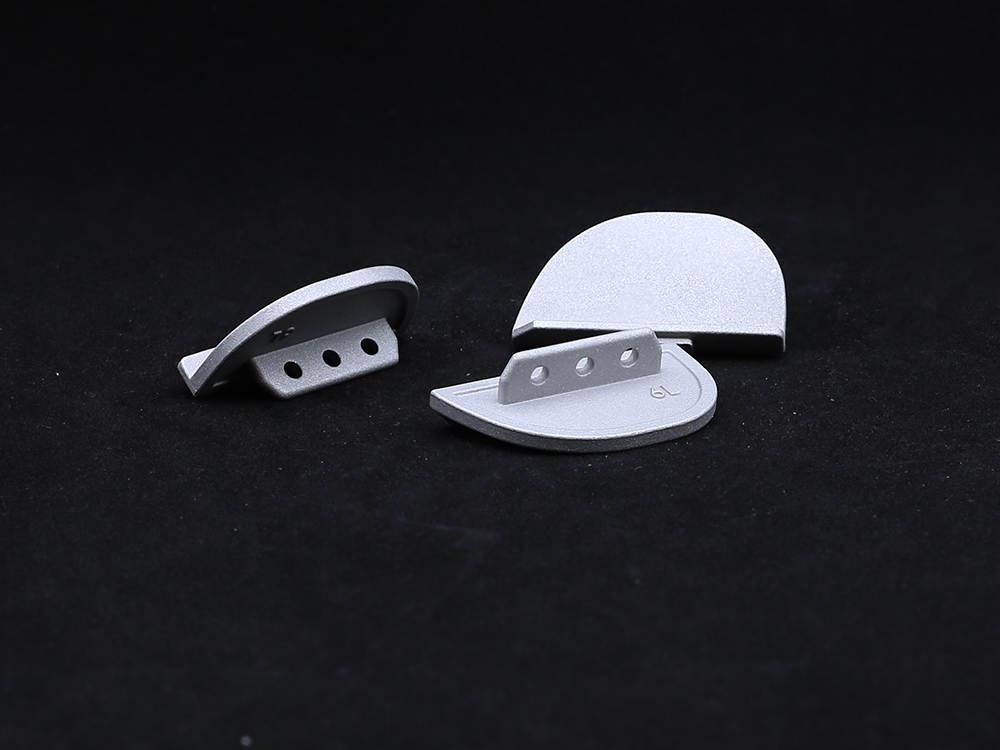 Unilateral Tibial PlateauThe unilateral tibial plateau is an orthopedic implant used in partial knee arthroplasty to replace the damaged medial or lateral tibial joint surface, thereby restoring function, relieving pain, and ensuring knee stability.
 -
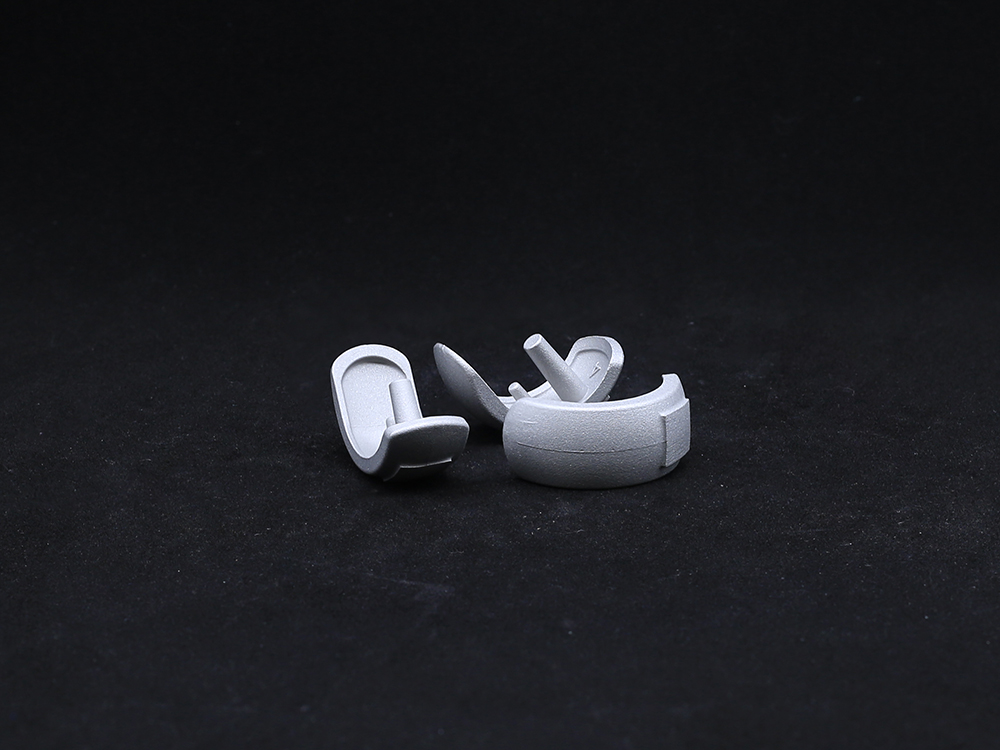 Half KneeThis minimally invasive solution preserves healthy bone, ligaments, and joint structures, enabling faster recovery and more natural knee kinematics. The system includes femoral and tibial components made from durable cobalt-chromium alloys and wear-resistant polyethylene inserts.
 -
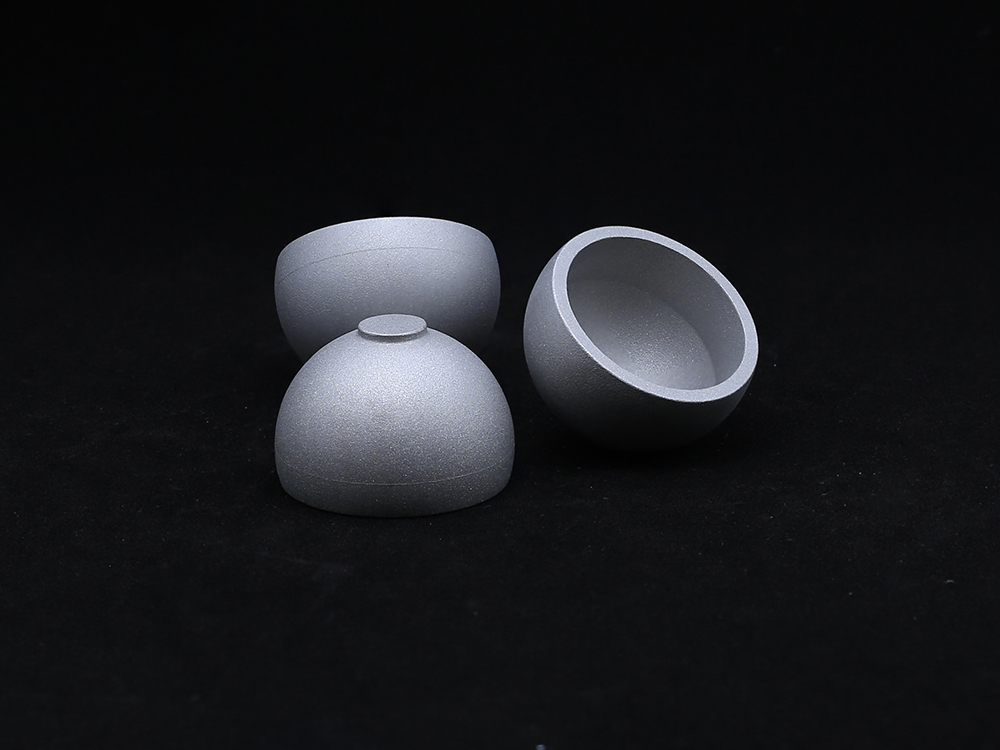 Metal CupOur Metal Cup is a critical component in hip joint replacement systems, designed to provide a durable and secure base for the acetabular implant. Manufactured from high-strength materials such as titanium alloy or cobalt-chromium, the Metal Cup offers excellent wear resistance, corrosion resistance, and long-term stability. Its anatomical design ensures proper alignment and load distribution, while its surface finish promotes optimal bone fixation.
 -
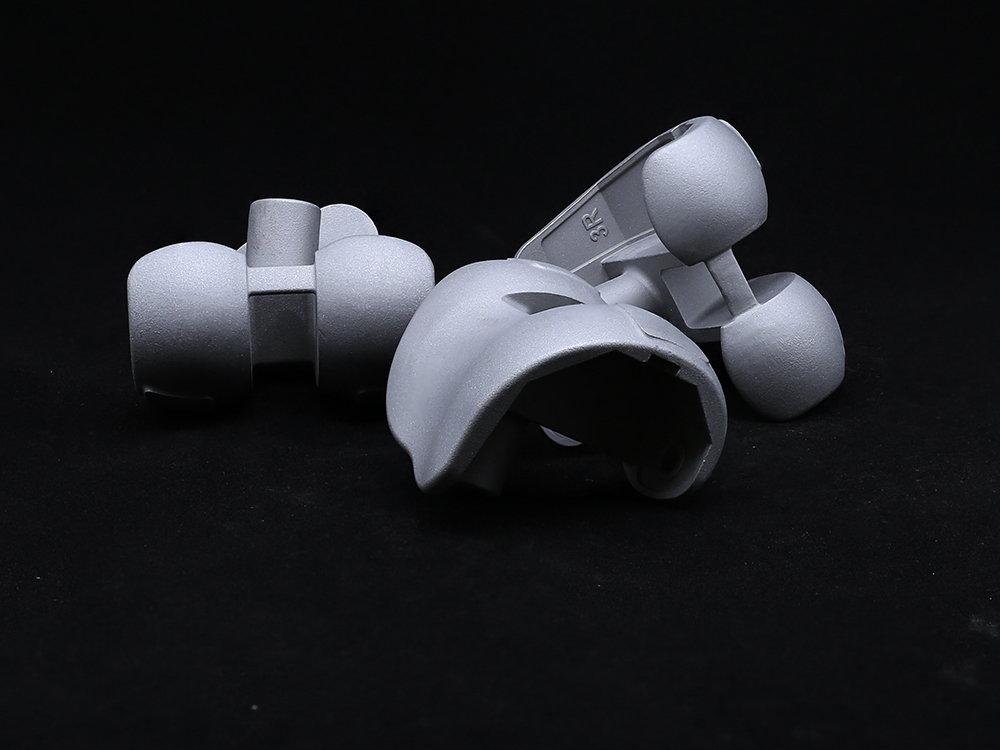 Revision Femoral CondyleThe Revision Femoral Condyle is engineered for use in knee revision surgeries, providing reliable solutions for patients requiring joint reconstruction due to implant failure, loosening, or wear. Made from biocompatible materials such as cobalt-chromium alloy, the revision condyle features enhanced durability and resistance to wear. Its design includes optimized geometry to restore proper knee function and alignment, ensuring a secure fit even in cases of significant bone loss.
 -
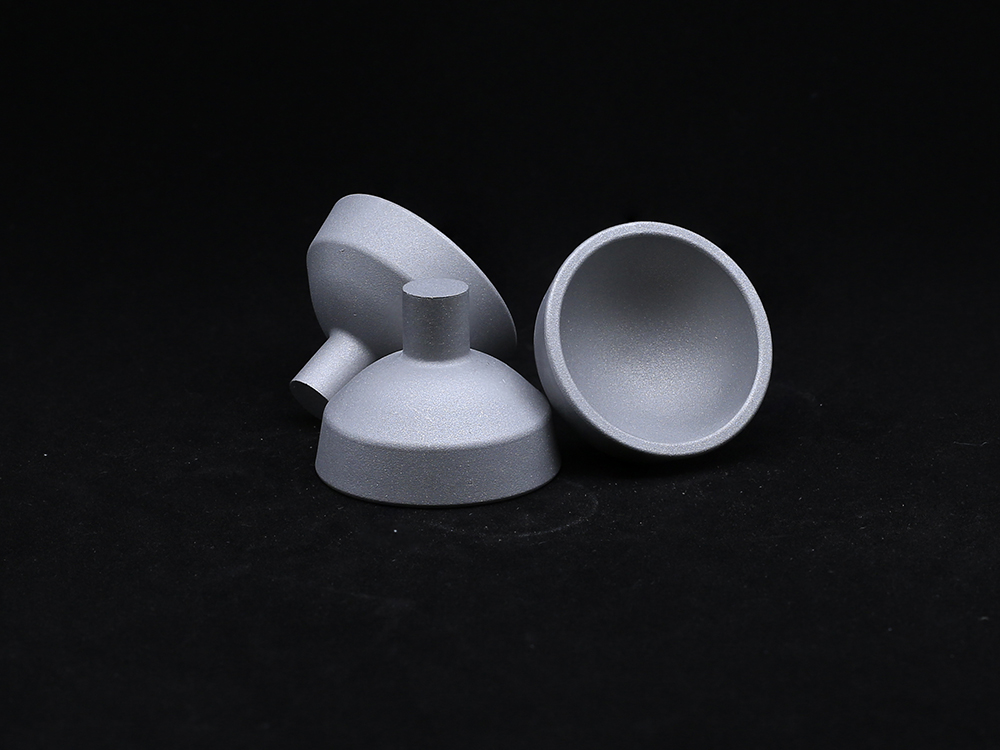 Acetabular CupMade from high-strength materials such as titanium alloy or cobalt-chromium, the Acetabular Cup ensures durability, corrosion resistance, and long-lasting performance. Its anatomical shape promotes optimal alignment and load distribution, reducing wear on bearing surfaces.
 -
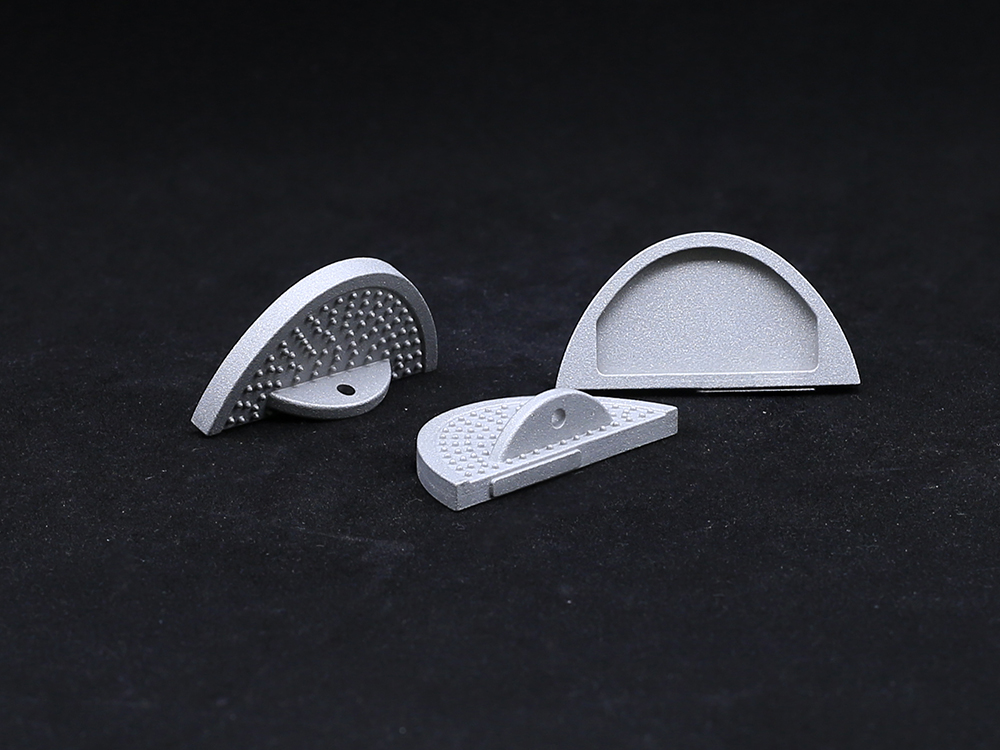 Bump Half PlatformManufactured from biocompatible, high-strength materials like titanium or cobalt-chromium alloys, it ensures durability and long-term performance. Ideal for knee, hip, or other joint replacements, the Bump Half Platform enhances surgical efficiency, minimizes inventory needs, and delivers reliable clinical outcomes with optimal joint alignment and function.
 -
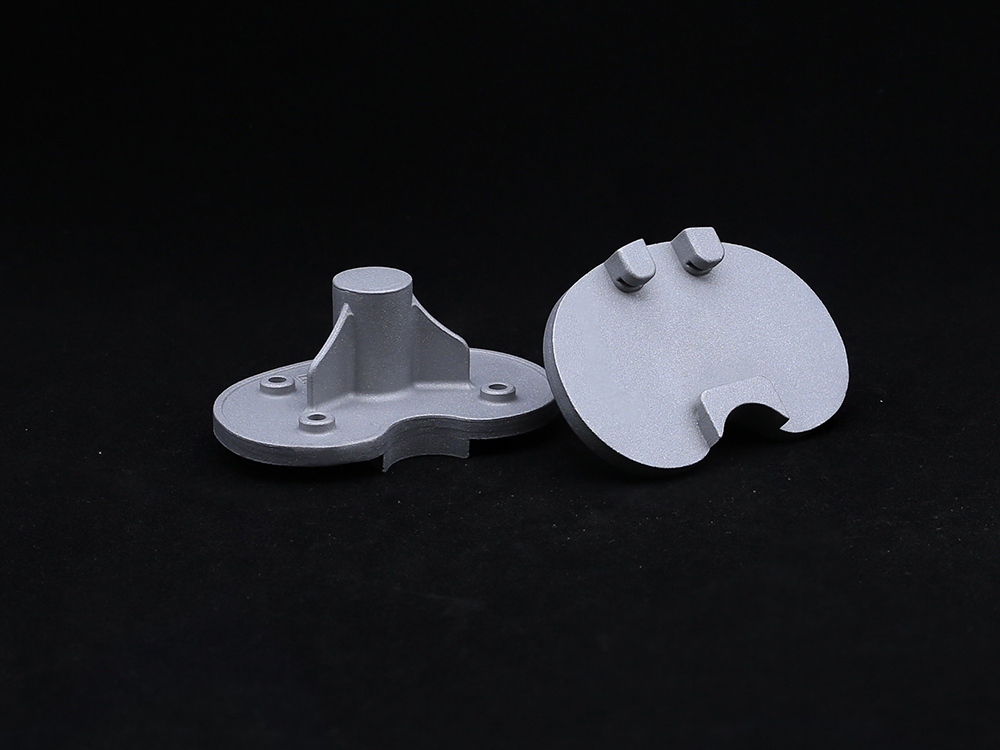 Refurbished PlatformCarefully Reprocessed To Meet The Highest Quality And Safety Standards, This Platform Is Ideal For Patients Requiring Revision Surgeries Or Those Seeking A Sustainable Option.
 -
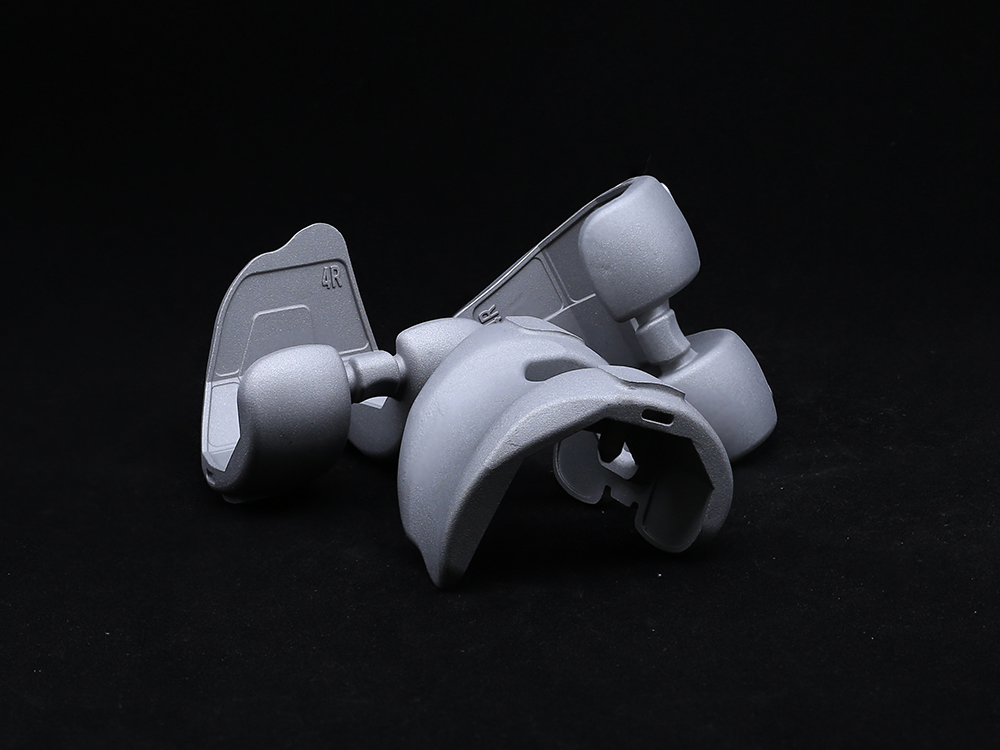 Femoral CondyleOur Half Platform system is designed to offer modular versatility in joint replacement procedures, particularly for hip and knee applications. It allows surgeons to combine components from different implant systems while maintaining biomechanical integrity and surgical efficiency.
 -
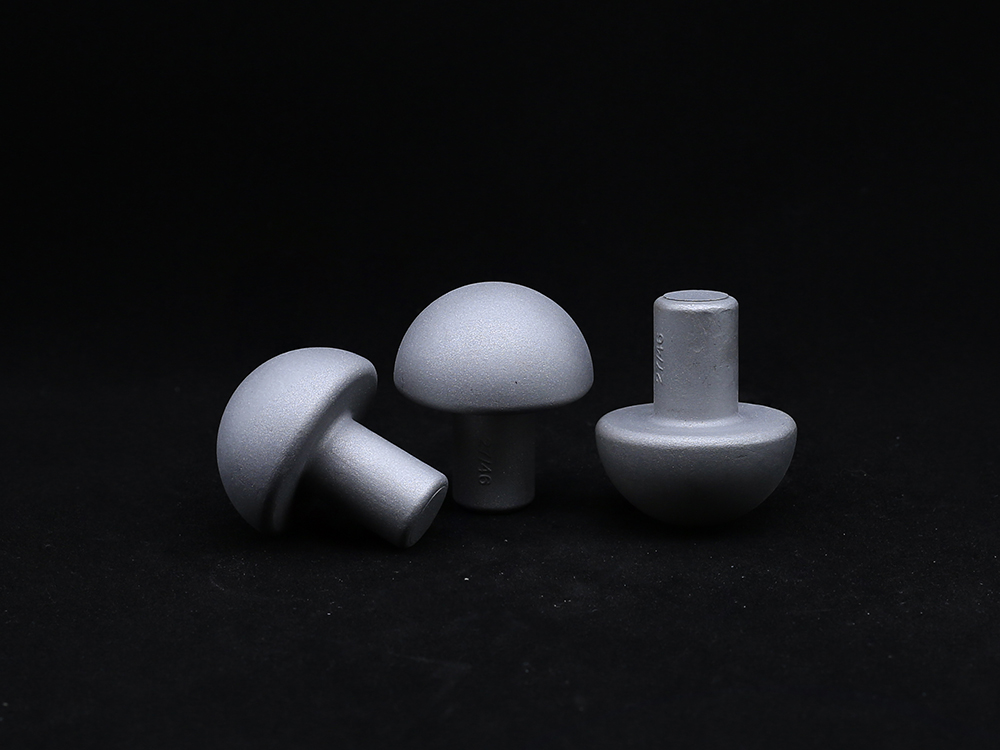 Humeral HeadAvailable in a range of diameters and offsets, they are designed to accommodate diverse patient anatomies and ensure proper soft tissue tensioning. Each humeral head is precisely machined from high-strength cobalt-chromium or ceramic materials, offering excellent wear resistance and biocompatibility.
 -
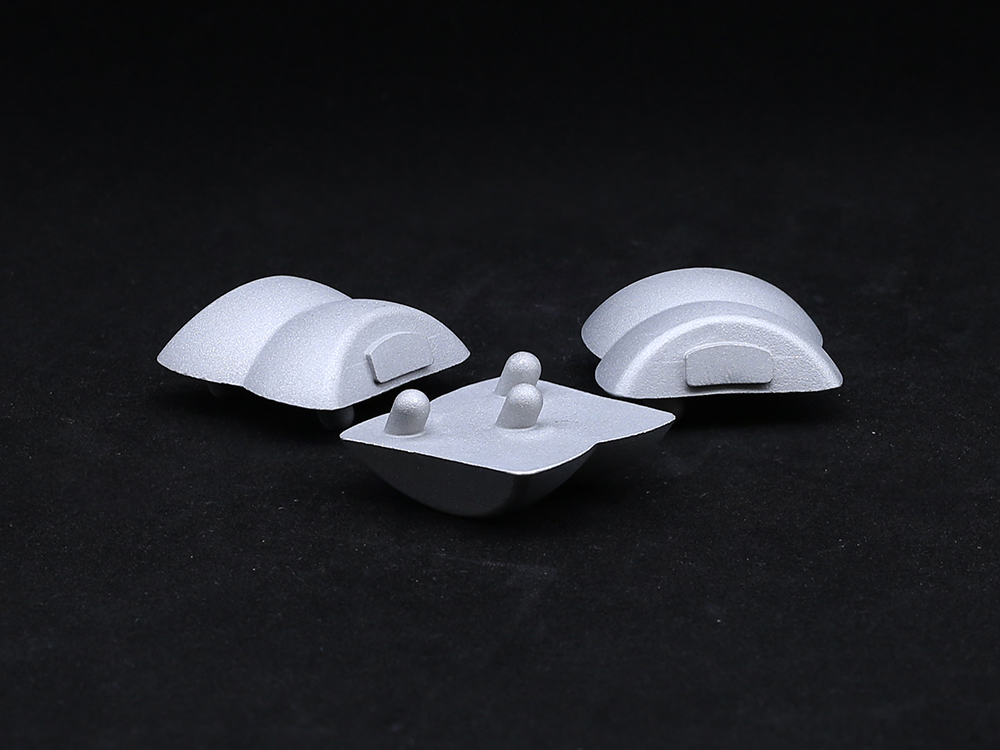 TalusTitanium alloys or PEEK materials that meet international medical standards are selected, featuring both strength and biocompatibility, effectively reducing the risk of rejection and promoting bone integration.
 -
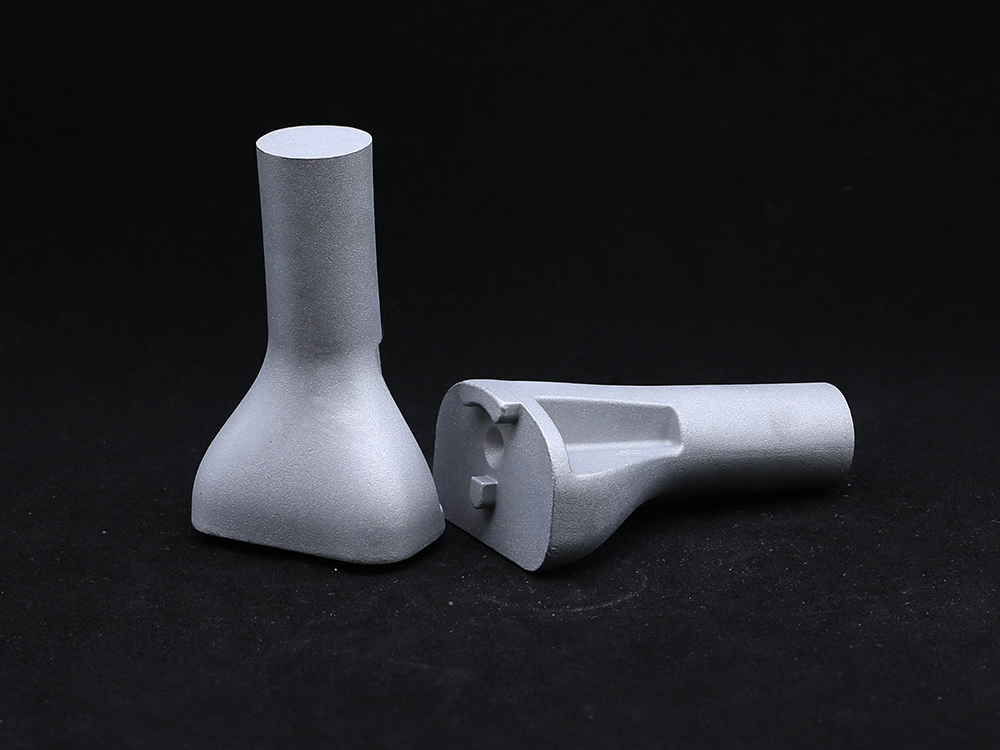 Tibial PlateauAvailable in both fixed-bearing and mobile-bearing configurations, the implants include modular baseplates and polyethylene inserts to accommodate various patient anatomies and surgical techniques.
Get a Custom Solution!
Contact Us To Provide You With More Professional Services


