- Tel: +8613911709825 /
- Email: ry@rays-casting.com /

Acetabular Spurring, Acetabular Cup, and Cemented Acetabular Cup: A Comprehensive Guide
Acetabular Spurring, Acetabular Cup, and Cemented Acetabular Cup: A Comprehensive Guide
The hip joint represents one of the most critical weight-bearing articulations in the human body, and understanding its various pathological conditions and treatment options is essential for both healthcare professionals and patients. This article explores three interconnected concepts: acetabular spurring, the acetabular cup, and the cemented acetabular cup. These terms encompass the spectrum from degenerative changes to surgical intervention, providing a complete picture of hip joint pathology and management.

Brief Overview of Acetabular Spurring
Acetabular spurring describes bony osteophytes forming around the rim of the acetabulum, mostly triggered by hip osteoarthritis and joint instability. As a reactive bony overgrowth, it attempts to stabilise a deteriorating hip yet frequently triggers secondary pain, limited range of motion, labral tears and cartilage wear. Clinicians identify these bony projections via imaging assessments to guide conservative or operative treatment decisions. Once conservative management fails to relieve symptoms, total hip arthroplasty with an acetabular cup implant becomes a primary surgical solution.
The Acetabular Cup: Design, Material, Fixation and Manufacturing
The acetabular cup acts as the artificial hemispherical socket of total hip replacement, substituting the diseased native acetabulum to hold the femoral head component, restore physiological hip articulation and reconstruct load-bearing function. Modern-generation acetabular cups rely on sophisticated mechanical design, high-performance biocompatible materials, diversified fixation solutions and standardized precision manufacturing to deliver long-term implant survival.
Design Features
Product design follows human pelvic anatomical morphology, with multiple diameter specifications, inclination and anteversion angle alternatives to match variable patient pelvic anatomy for personalized implant fitting.
The outer shell adopts multiple structural configurations. Classic full-hemispherical shells require moderate bone resection while delivering outstanding primary rotational and press-fit stability. Low-profile shells preserve more host bone stock at the cost of slightly reduced initial stability. Auxiliary structures including fixation fins, anti-rotation wings and customized rim profiles further resist micromotion after implantation. Many cup shells support modular assembly: the outer metal shell anchors to pelvic bone, and an interchangeable inner liner sits inside the shell to articulate with the femoral head, facilitating intra-operative adjustment and future revision surgery. Some surgical products feature optimized contour geometry to optimise load distribution across bearing surfaces and lower frictional wear.
Porous or textured surface treatment on the exterior of uncemented cups is a core design highlight. This surface topography creates space for bone tissue ingrowth, builds firm biological osseointegration between implant and host bone, improves long-term fixation reliability and lowers postoperative hip dislocation risk.
Material Options
Acetabular cup assemblies consist of outer shell substrates and inner bearing liners, with mature material systems widely applied in commercial production.
- Outer shell substrate Titanium alloy and cobalt-chromium-molybdenum alloy are mainstream shell raw materials. Cobalt-chromium-molybdenum alloy cast blanks exhibit high mechanical strength, fatigue resistance, corrosion resistance and excellent biological compatibility, forming reliable base stock for finished acetabular cups. Titanium alloy provides favorable osseointegration performance and moderate rigidity close to human bone. Both material families guarantee structural durability under cyclic body weight load.
- Inner bearing liner Highly cross-linked polyethylene (HXLPE) has become the gold-standard liner material. Compared with conventional polyethylene, it greatly decreases abrasive particle generation. Vitamin-E infused polyethylene further adds anti-oxidative properties to resist material ageing degradation. Long-term clinical follow-up records an annual material wear rate of merely 18-27 micrometers at the ten-year mark. Alternative bearing selections include ceramic and metal-on-metal liners for special surgical scenarios.
Fixation Modes
Two core fixation philosophies dominate clinical practice: cementless biological fixation and cemented fixation.
Cementless (press-fit) fixation: The surgeon presses the textured porous cup shell into the prepared acetabular bone bed. Initial mechanical interlock delivers immediate primary stability; subsequently bone grows into the implant porous layer to achieve permanent biological fixation. This approach suits patients with sufficient bone mass. Its initial stability and bone-integrating coating effectively cut down postoperative dislocation rates in primary total hip replacement.
Cemented fixation: Bone cement fills the gap between implant and host bone to achieve immediate mechanical anchoring, namely the cemented acetabular cup. This mode is mainly indicated for elderly patients with poor bone quality, low physical activity demand, muscular insufficiency, high dislocation risk and complex revision operations. Semi-constrained and monoblock dual-mobility cemented cup designs enhance joint stability. Clinical data reports 98.6% five-year implant survival and 92.2% ten-year survival for semi-retentive cemented cups. In revision cases, surgeons may cement monoblock dual-mobility cups into existing retained acetabular shells.
Manufacturing Process
High-performance acetabular cups originate from strictly controlled medical-grade manufacturing workflows. For cobalt-chromium-molybdenum alloy products, high-quality alloy raw materials go through proprietary precision casting to produce artificial joint blanks with consistent dimensional accuracy and stable material performance. Cast blanks then undergo multi-axis CNC machining to shape hemispherical contours, assembly interfaces and auxiliary structures.
Subsequent surface modification generates porous or micro-textured outer surfaces for bone ingrowth. After machining and surface treatment, implants pass comprehensive non-destructive testing, material property verification and dimensional inspection. Finished devices are sterilized and packaged for clinical use. Manufacturers accumulate decades-long medical-device manufacturing experience to satisfy the strict dimensional, mechanical and biocompatibility specifications required for hip implants. Computer-aided design tools are also adopted during product development to simulate biomechanical load conditions and iterate structural solutions.
Cemented Acetabular Cup: Indications and Outcomes
As one special fixation solution for acetabular cup implantation, cemented cups deliver instant fixation via bone cement. Even though cementless biological fixation prevails in many primary arthroplasties, cemented cups maintain irreplaceable clinical value for specific patient cohorts.
Besides application in primary arthroplasty for frail elderly patients with compromised bone stock, cemented acetabular cups show great adaptability in revision hip surgery. When surgeons cannot install modular dual-mobility uncemented shells, cementing monoblock dual-mobility cups into pre-existing acetabular components serves as a feasible operative strategy. Relevant studies report a 92% two-year survival rate free of aseptic loosening revision. Direct cement implantation of dual-mobility cups into native bony acetabulum yields encouraging seven-year follow-up results: Harris hip scores improved significantly, without progressive bone demarcation or aseptic loosening events.
For acetabular protrusion cases, cemented cups were historically adopted. Research shows partial osseointegration can be obtained, yet combining bone graft techniques delivers better clinical results; uncemented cups paired with bone grafting achieve superior overall outcomes for this patient subgroup.
Conclusion
Acetabular spurring is a degenerative marker of hip joint deterioration that guides preoperative clinical assessment. When hip reconstruction surgery is required, the acetabular cup acts as the core implant component of total hip arthroplasty. Its anatomical-oriented structural design, high-strength biocompatible material systems, two major fixation pathways (cementless biological fixation and cemented fixation), together with precise casting, machining and surface modification manufacturing procedures collectively define implant performance and long-term prognosis. Cemented acetabular cups remain a critical alternative for elderly, osteoporotic and revision-surgery patients. Ongoing advances in implant material science, structural design and precision manufacturing will keep improving clinical results for patients receiving hip arthroplasty.
-
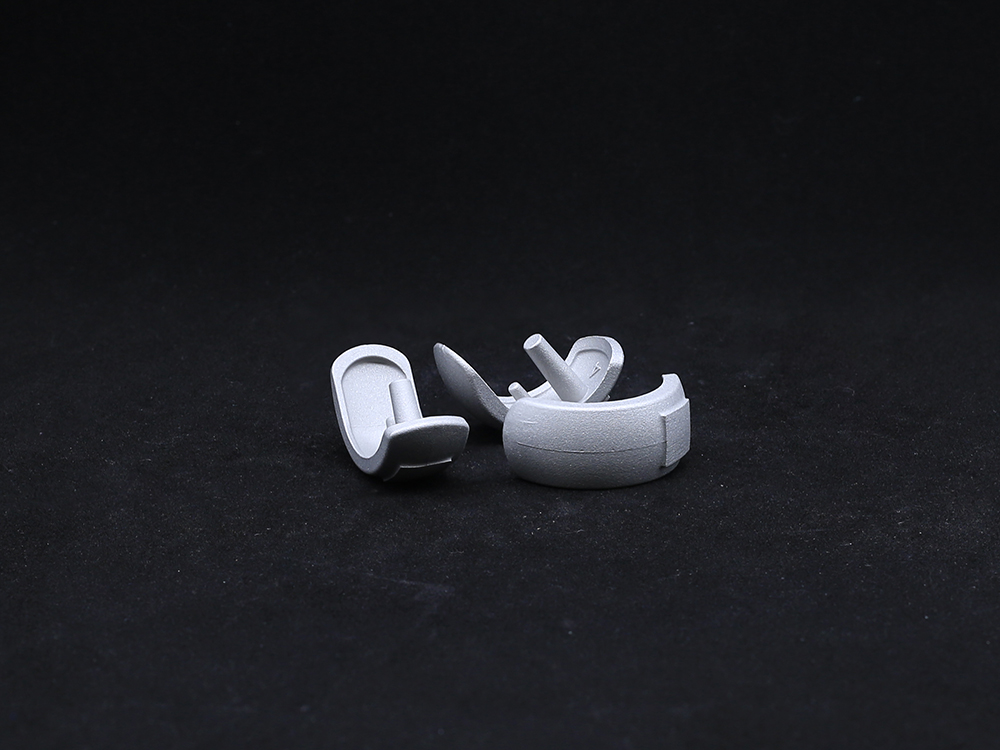 Half KneeThis minimally invasive solution preserves healthy bone, ligaments, and joint structures, enabling faster recovery and more natural knee kinematics. The system includes femoral and tibial components made from durable cobalt-chromium alloys and wear-resistant polyethylene inserts.
-
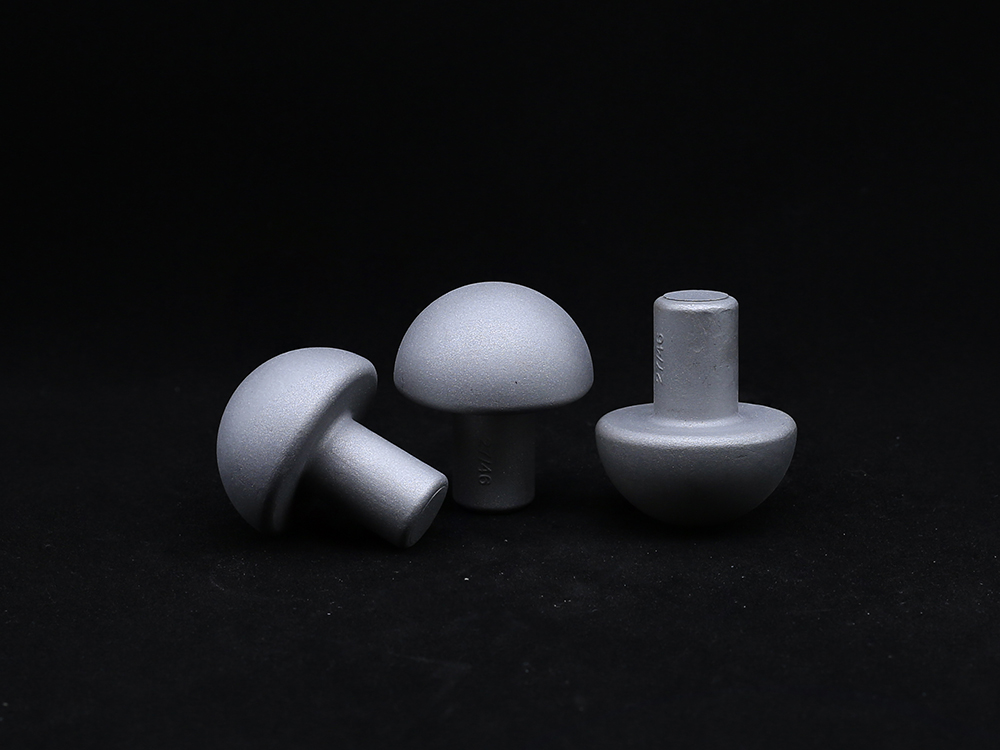 Humeral HeadAvailable in a range of diameters and offsets, they are designed to accommodate diverse patient anatomies and ensure proper soft tissue tensioning. Each humeral head is precisely machined from high-strength cobalt-chromium or ceramic materials, offering excellent wear resistance and biocompatibility.
-
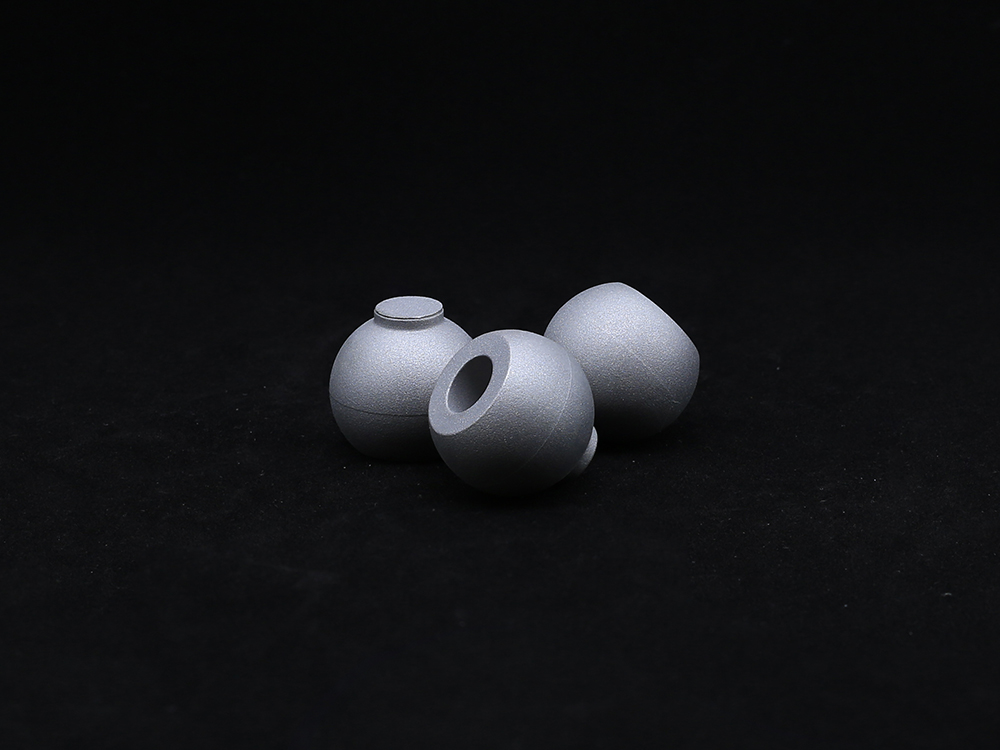 Ball HeadOur Ball Head component is designed for use in joint replacement procedures, particularly in hip and shoulder arthroplasty. Crafted from high-strength materials such as cobalt-chromium alloy or ceramic, the ball head ensures excellent wear resistance and long-term durability.
-
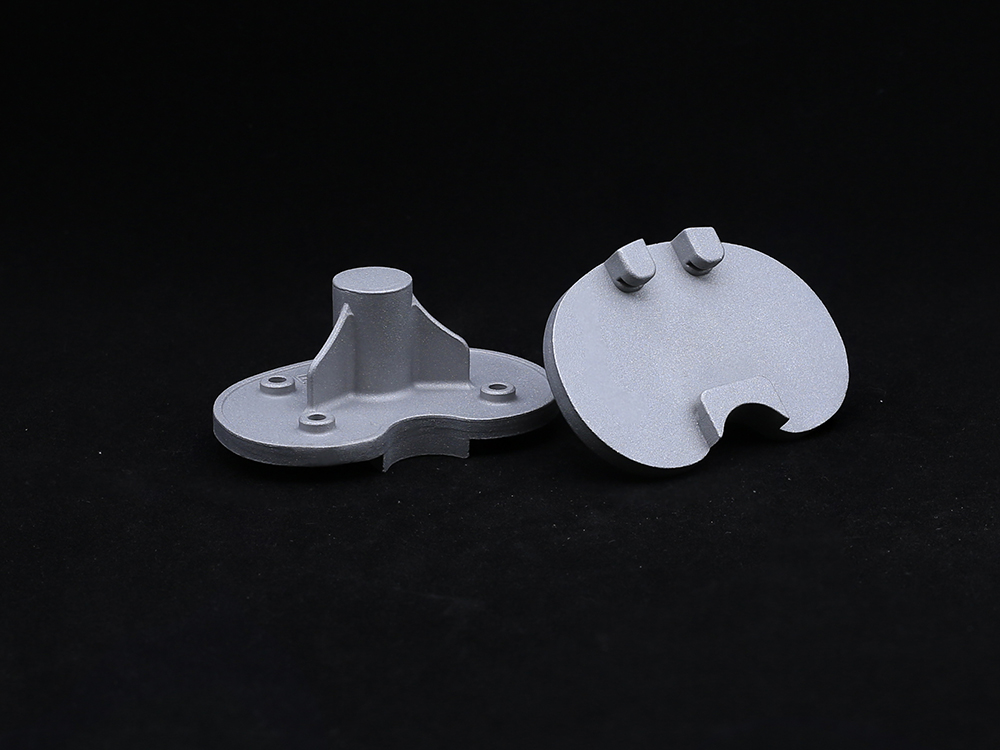 Refurbished PlatformCarefully Reprocessed To Meet The Highest Quality And Safety Standards, This Platform Is Ideal For Patients Requiring Revision Surgeries Or Those Seeking A Sustainable Option.
-
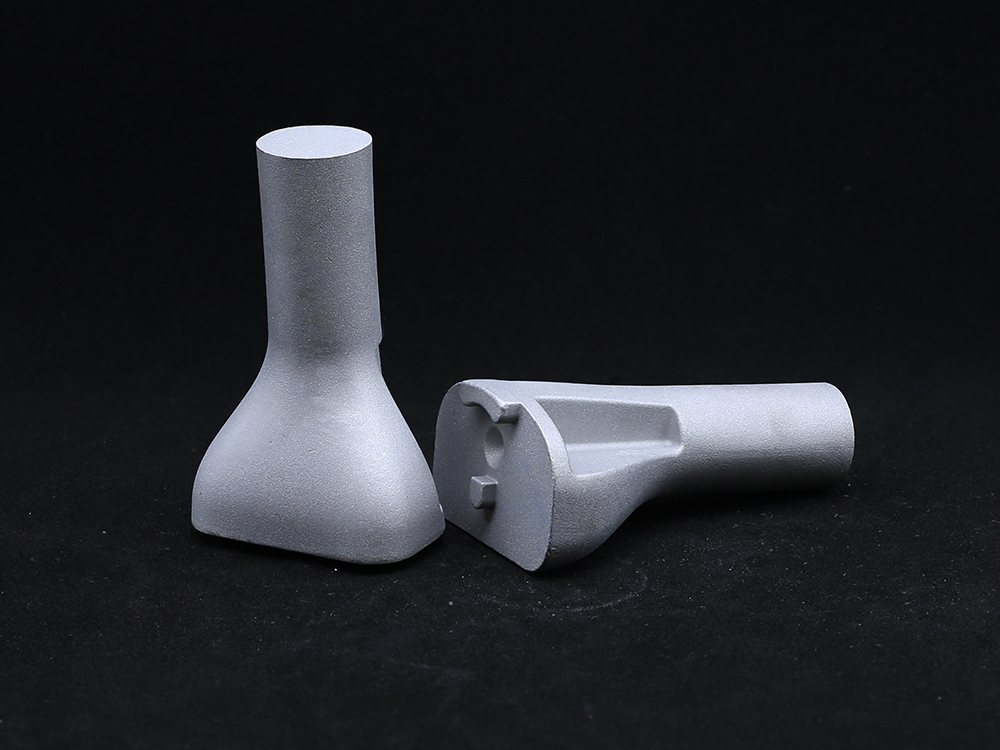 Tibial PlateauAvailable in both fixed-bearing and mobile-bearing configurations, the implants include modular baseplates and polyethylene inserts to accommodate various patient anatomies and surgical techniques.
-
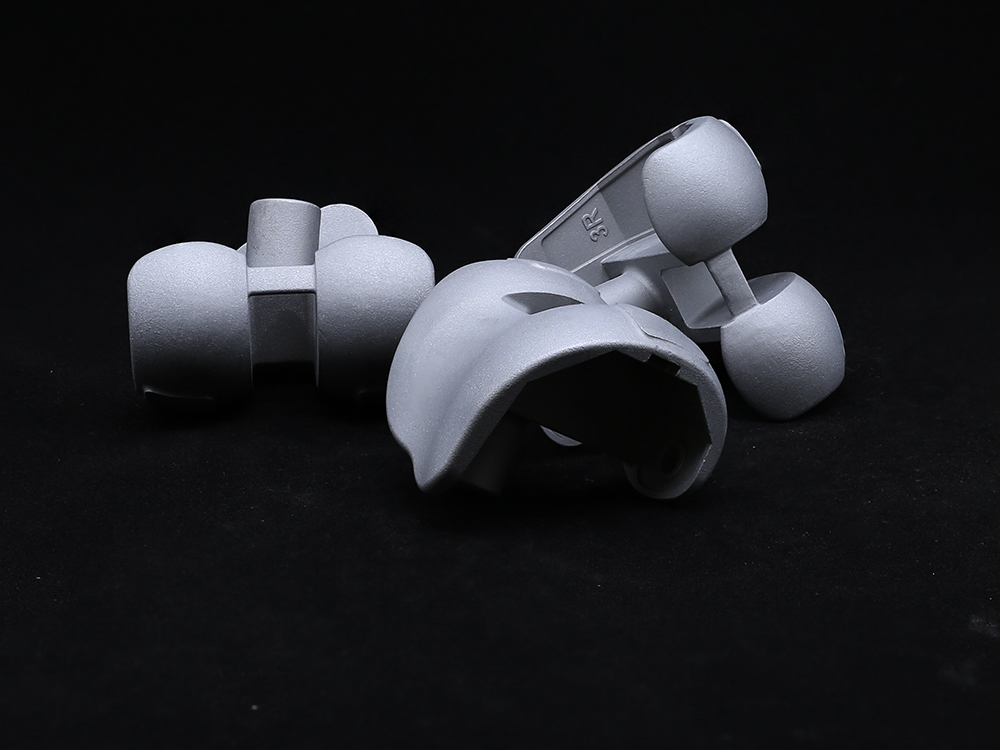 Revision Femoral CondyleThe Revision Femoral Condyle is engineered for use in knee revision surgeries, providing reliable solutions for patients requiring joint reconstruction due to implant failure, loosening, or wear. Made from biocompatible materials such as cobalt-chromium alloy, the revision condyle features enhanced durability and resistance to wear. Its design includes optimized geometry to restore proper knee function and alignment, ensuring a secure fit even in cases of significant bone loss.
-
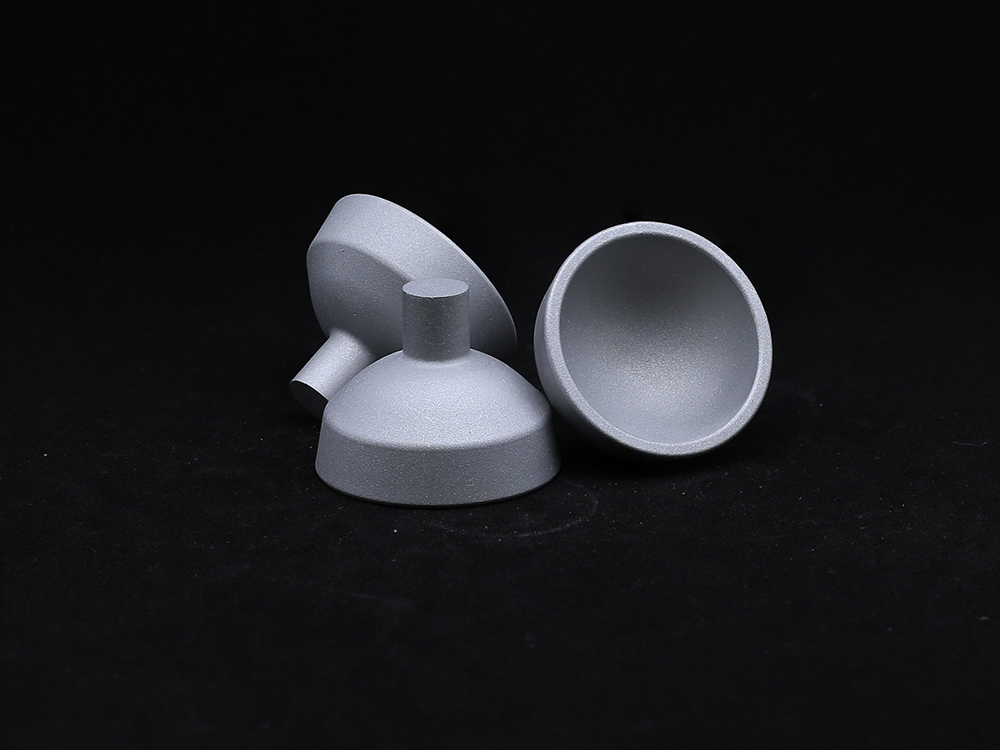 Acetabular CupMade from high-strength materials such as titanium alloy or cobalt-chromium, the Acetabular Cup ensures durability, corrosion resistance, and long-lasting performance. Its anatomical shape promotes optimal alignment and load distribution, reducing wear on bearing surfaces.
-
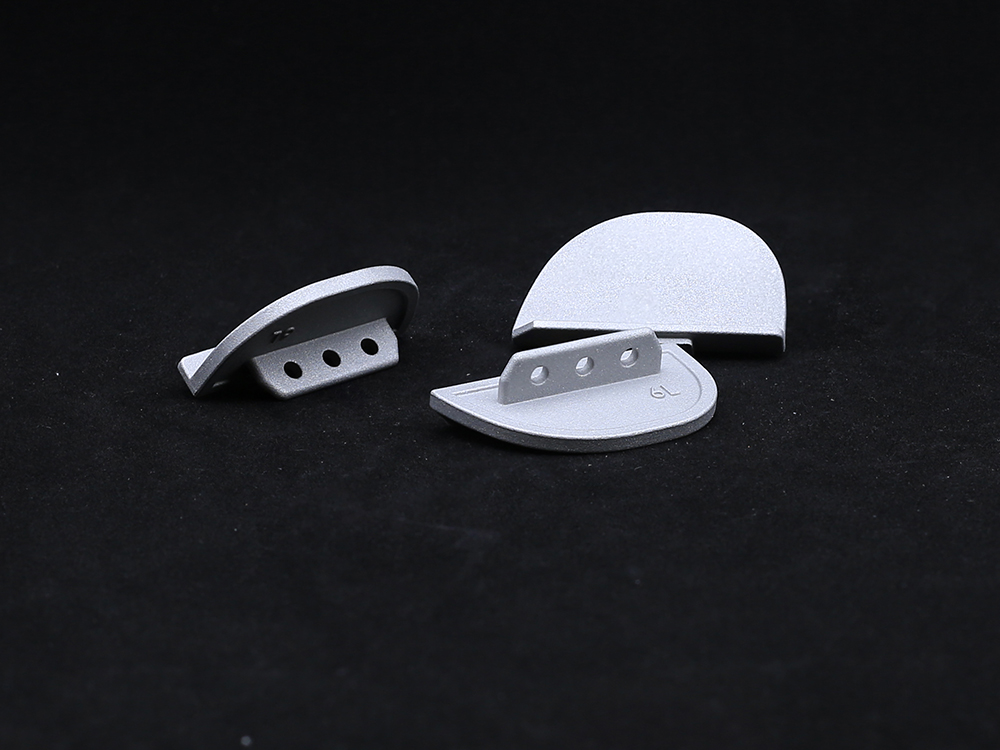 Unilateral Tibial PlateauThe unilateral tibial plateau is an orthopedic implant used in partial knee arthroplasty to replace the damaged medial or lateral tibial joint surface, thereby restoring function, relieving pain, and ensuring knee stability.
Get a Custom Solution!
Contact Us To Provide You With More Professional Services


