A complete knee replacement, also known as total knee arthroplasty, represents one of the most successful surgical interventions in modern orthopedic medicine. By replacing a damaged, diseased, or worn-out knee joint with prosthetic components, patients can regain mobility and escape the debilitating grip of chronic pain caused by advanced osteoarthritis or rheumatoid arthritis.
Globally, the demand for these procedures is surging as aging populations and rising obesity rates increase the prevalence of joint degeneration. Understanding the nuances of material science, surgical precision, and postoperative rehabilitation is essential for healthcare providers and patients alike to ensure the longevity of the implant and the restoration of a high quality of life.
The evolution of the complete knee replacement has transitioned from generic "one size fits all" components to highly personalized, anatomically optimized systems. This shift not only improves the mechanical stability of the joint but also enhances the natural feel and movement of the leg, reducing the risk of long-term failure.
Global Context and Demand for Knee Arthroplasty
The global prevalence of joint degeneration has reached an inflection point, with millions of adults suffering from severe knee dysfunction. According to international healthcare statistics, the volume of complete knee replacement surgeries is projected to grow exponentially over the next decade. This trend is driven not only by an aging demographic but also by a shift toward "active aging," where patients seek to maintain athletic lifestyles well into their senior years.
However, the industry faces the significant challenge of balancing cost-efficiency with high-performance outcomes. In many developing regions, access to high-quality implants remains limited, creating a humanitarian need for scalable, durable, and affordable prosthetic solutions that can withstand diverse environmental conditions and varied patient morphologies.
Defining the Mechanics of Total Knee Replacement
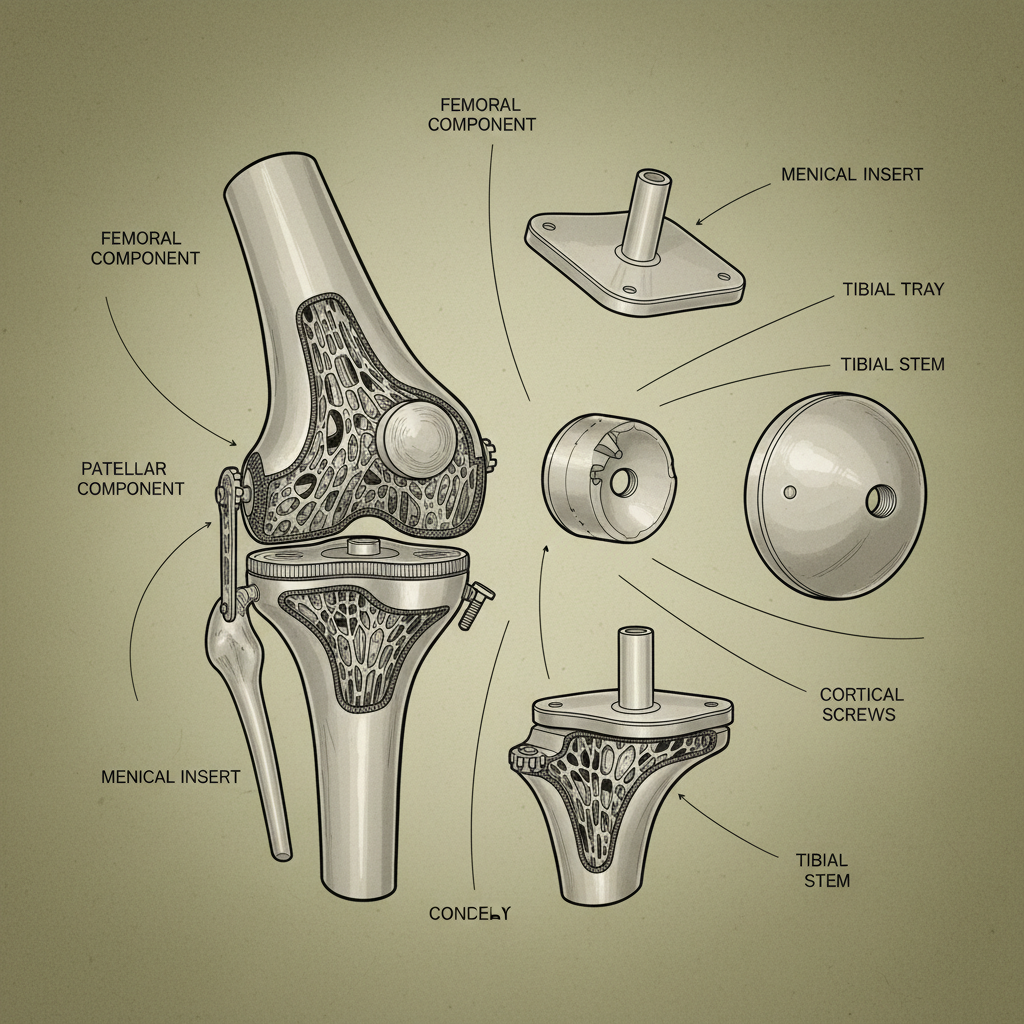
In simple terms, a complete knee replacement is the process of removing the damaged cartilage and bone from the femur (thigh bone), tibia (shin bone), and patella (kneecap), and replacing them with artificial components. These components are typically crafted from medical-grade cobalt-chromium alloys and high-density polyethylene, designed to mimic the natural gliding motion of the human joint.
From an industrial perspective, this procedure is a triumph of precision engineering. The artificial joint must be capable of bearing several times the patient's body weight during movement while resisting the corrosive environment of the human body. This requires rigorous adherence to ISO standards for biocompatibility and fatigue strength.
Beyond the mechanical replacement, the process addresses a critical humanitarian need: the restoration of autonomy. When a patient can no longer walk without severe pain, their independence and mental health decline. Modern arthroplasty solves this by providing a stable, pain-free foundation for movement.
Core Components and Material Durability
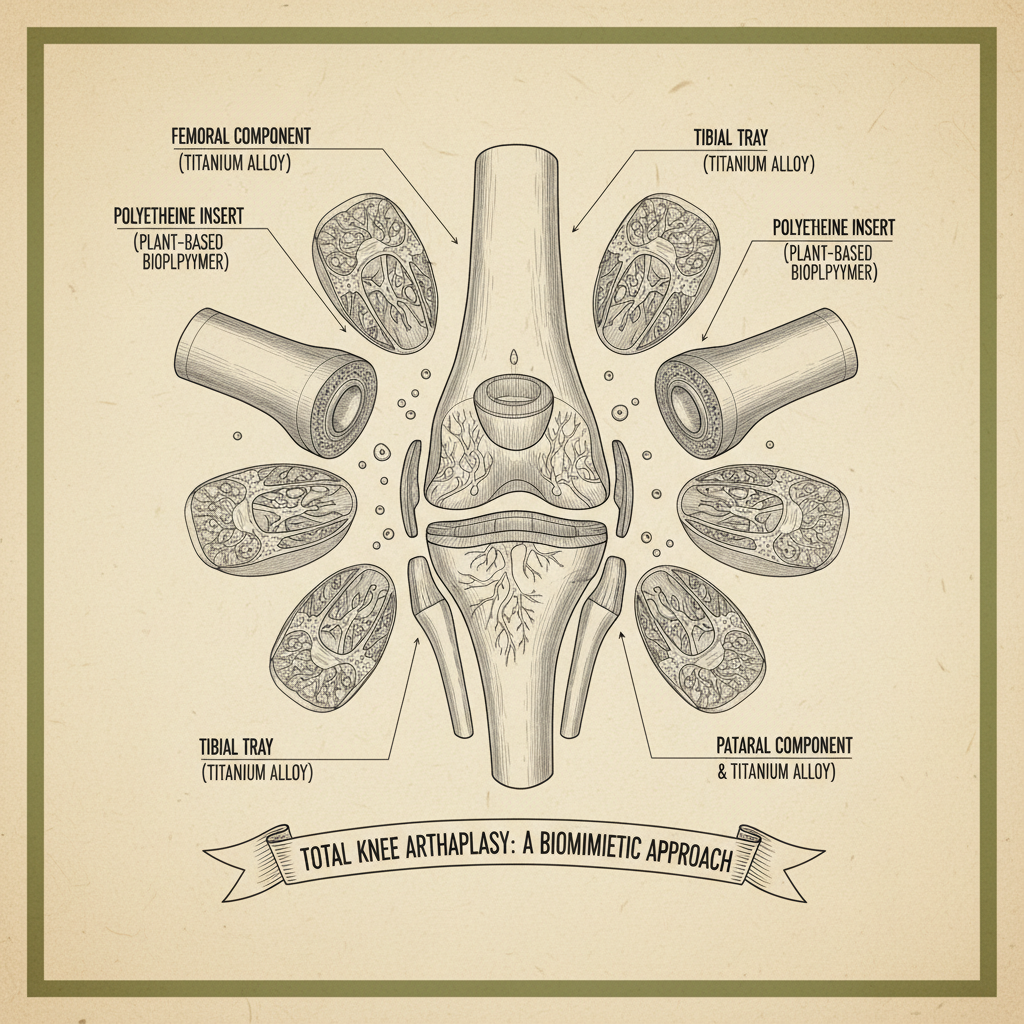
The success of a complete knee replacement relies heavily on the synergy between the femoral component, the tibial tray, and the plastic spacer. The femoral component is typically curved to recreate the natural contour of the knee, ensuring a smooth transition during flexion and extension.
Material durability is the cornerstone of joint longevity. The use of highly cross-linked polyethylene (HXLPE) has revolutionized the complete knee replacement by significantly reducing wear debris, which is the leading cause of aseptic loosening and implant failure.
Furthermore, the fixation method—whether cemented or cementless—determines how the implant integrates with the host bone. Advanced porous coatings now allow for biological ingrowth, effectively fusing the prosthetic to the bone and providing a more permanent solution for younger, more active patients.
Key Performance Factors in Joint Longevity
Ensuring the long-term success of a complete knee replacement requires a careful analysis of kinematic alignment and load distribution. If the implant is not perfectly aligned with the patient's mechanical axis, uneven wear occurs, leading to premature failure of the polyethylene liner.
Modern surgical techniques, including robotic assistance and computer navigation, have greatly improved the precision of these placements. By optimizing the "gap balance" between the femur and tibia, surgeons can provide patients with a joint that feels natural and resists dislocation.
Comparison of Joint Performance Metrics
Global Applications and Clinical Use Cases
The application of complete knee replacement varies significantly across different global contexts. In high-income nations, the focus has shifted toward outpatient "same-day" surgeries and the use of 3D-printed patient-specific guides to minimize surgical trauma and accelerate recovery times.
Conversely, in remote industrial zones or post-disaster relief areas where medical infrastructure is sparse, the emphasis is on "ruggedized" implant systems that are easier to implant and have extremely high reliability. These regions benefit from standardized implant kits that reduce the need for complex intraoperative adjustments.
Long-Term Value and Patient Quality of Life
The true value of a complete knee replacement extends beyond the immediate absence of pain. It represents a restoration of dignity and social engagement. Patients who can once again walk in parks, play with grandchildren, or return to light work experience a profound psychological lift that correlates with lower rates of depression and cognitive decline in the elderly.
From an economic standpoint, while the initial cost of the surgery and implants is significant, the long-term value is evident in the reduction of pharmaceutical dependence. Many patients are able to cease the use of heavy opioids and anti-inflammatory drugs, reducing the burden on the healthcare system and improving overall metabolic health.
Reliability is the emotional currency of this procedure. When a patient trusts that their prosthetic will last 20 years or more, they are more likely to engage in physical therapy and embrace an active lifestyle, creating a positive feedback loop of health and longevity.
Future Innovations in Prosthetic Design
The future of complete knee replacement is being shaped by the digital transformation of medicine. We are moving toward "Smart Implants" equipped with embedded sensors that can monitor joint load, temperature, and wear in real-time, alerting surgeons to potential issues before they become catastrophic failures.
Sustainability is also becoming a priority in the manufacturing process. The industry is exploring additive manufacturing (3D printing) to reduce raw material waste and create biologically mimetic lattices that promote faster osseointegration, potentially eliminating the need for bone cement entirely.
Moreover, the integration of AI in preoperative planning allows for the creation of implants tailored to a patient's specific gait and anatomy. This "personalized orthopedics" ensures that the artificial joint functions as a true extension of the body, rather than a mechanical substitute.
Comparative Analysis of Modern Knee Replacement Technologies
| Technology Type |
Precision Level |
Recovery Speed |
Average Lifespan |
| Manual Instrumentation |
Moderate |
Standard |
15-20 Years |
| Computer Navigated |
High |
Fast |
20-25 Years |
| Robotic-Assisted |
Ultra-High |
Very Fast |
25+ Years |
| 3D Patient-Specific |
Very High |
Fast |
20-25 Years |
| Cementless Porous |
High |
Moderate |
25+ Years |
| Smart Sensor Implants |
Dynamic |
Standard |
Predictive |
FAQS
Most modern knee replacements are designed to last between 15 and 25 years. The actual lifespan depends on the patient's activity level, body weight, and the precision of the surgical alignment. Advances in highly cross-linked polyethylene have significantly extended these durations by reducing wear and tear on the joint surfaces.
Common signs include a return of chronic pain, instability or a "giving way" sensation in the joint, unexplained swelling, or a noticeable decrease in range of motion. These symptoms may indicate aseptic loosening or implant wear, necessitating a consultation with an orthopedic surgeon for imaging and potential revision surgery.
Robotic assistance provides superior precision in bone cutting and implant positioning, which can lead to a more "natural" feeling joint and potentially longer implant life. While not necessary for every patient, it is highly beneficial for those with complex deformities or those seeking the highest possible level of anatomical accuracy.
Patients are generally encouraged to engage in low-to-moderate impact activities like swimming, cycling, and walking. High-impact sports such as long-distance running or competitive basketball are typically discouraged as they can accelerate the wear of the polyethylene liner, though personalized recovery plans may vary.
Cemented implants use a bone cement (PMMA) for immediate stability, which is often preferred for elderly patients with lower bone density. Cementless implants feature a porous surface that allows the bone to grow directly into the metal, offering a potentially more permanent biological bond and is often favored for younger, active patients.
The key to a successful recovery is early mobilization and strict adherence to a physical therapy regimen. Controlling inflammation through prescribed medication and maintaining a healthy weight reduces stress on the new joint, while consistent exercise restores muscle strength and joint flexibility.
Conclusion
A complete knee replacement is far more than a surgical procedure; it is a sophisticated integration of material science, robotic precision, and biological healing. By addressing the root causes of joint failure through advanced alloys and personalized design, the industry has successfully transformed a debilitating condition into a manageable one, restoring mobility and independence to millions of people worldwide.
As we look toward the future, the transition toward smart implants and 3D-printed bio-mimetic structures promises to push the boundaries of joint longevity and patient satisfaction. For those seeking the highest standards in orthopedic components and manufacturing excellence, we invite you to explore our professional solutions. Visit our website: www.rays-casting.com