- Tel: +8613911709825 /
- Email: ry@rays-casting.com /

Comprehensive Guide to Socket Hip Implants for Enhanced Mobility and Recovery
Comprehensive Guide to Socket Hip Implants for Enhanced Mobility and Recovery
Understanding Socket Hip Implants: A Comprehensive Guide
Socket hip implants represent a significant advancement in orthopedic surgery, offering improved mobility and quality of life for individuals suffering from hip joint issues. This article delves into the intricacies of socket hip implants, exploring their types, benefits, the surgical process, and post-operative care. We will focus on providing a clear and accessible overview for patients considering this option and healthcare professionals seeking detailed information. Choosing the right implant and surgical approach is crucial for a successful outcome, and understanding the details is the first step towards informed decision-making.
What is a Socket Hip Implant?
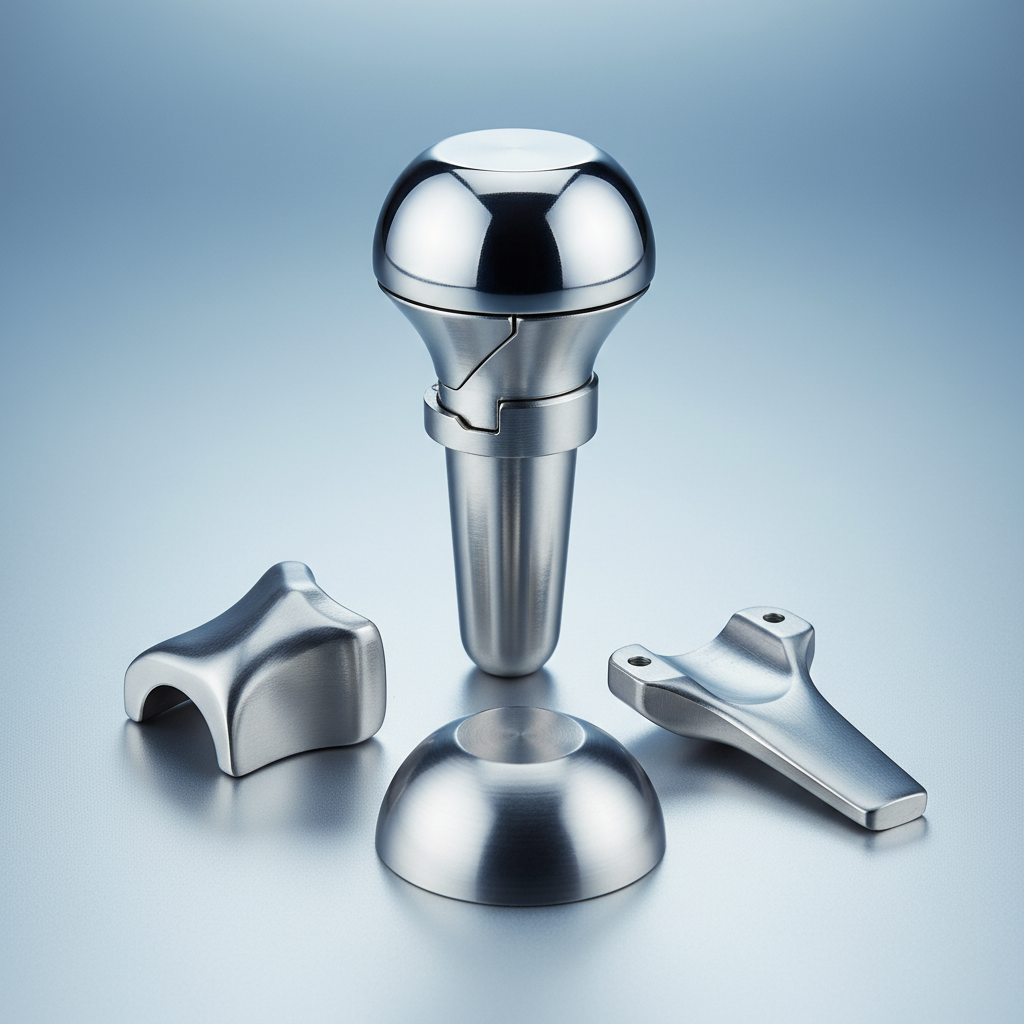
A socket hip implant, also known as a hip cup, is a component of a total hip replacement (THR) or hip resurfacing procedure. It’s the artificial socket into which the femoral head (the ball portion of the hip joint) fits. The socket is typically made of metal, ceramic, or polyethylene (a durable plastic), or a combination of these materials. Its primary function is to recreate the natural hip socket, restoring proper joint mechanics and relieving pain. The design and material selection are vital for long-term implant stability and minimizing wear and tear. Rays Casting specializes in the development and manufacture of high-quality socket hip implants.
Key Benefit: Restores proper hip joint mechanics, reduces pain, and improves mobility, allowing patients to return to a more active lifestyle.
Types of Socket Hip Implants
Several types of socket hip implants are available, each with its own advantages and disadvantages. The choice depends on factors such as the patient's age, activity level, bone quality, and surgeon preference. Common types include:
- Metal-on-Polyethylene (MoP): This is the most traditional combination, offering good wear resistance but potential for polyethylene wear over time.
- Ceramic-on-Polyethylene (CoP): Ceramic surfaces offer excellent wear resistance, reducing the risk of particle debris.
- Ceramic-on-Ceramic (CoC): This combination provides the lowest wear rate, but can be more susceptible to fracture under high impact.
- Metal-on-Metal (MoM): Although once popular, MoM implants have seen reduced use due to concerns about metal ion release.
Implant Material Comparison:
• Metal: Durable, strong, but potential for ion release.
• Ceramic: Excellent wear resistance, low friction, but can be brittle.
• Polyethylene: Lightweight, shock-absorbing, but subject to wear over time.
The Surgical Procedure for Socket Hip Implantation
Socket hip implantation is typically performed as part of a total hip replacement. The surgical procedure generally involves the following steps:
- Preparation of the hip joint by removing damaged cartilage and bone.
- Insertion of the socket hip implant into the prepared acetabulum (hip socket).
- Fitting the femoral stem and head into the socket.
- Testing the range of motion and stability of the new hip joint.
Factors Influencing Socket Hip Implant Longevity
The longevity of a socket hip implant is influenced by several factors, including implant design, material selection, surgical technique, patient activity level, and body weight. Proper implant fixation and minimizing wear and tear are crucial for long-term success. Rays Casting’s implants are designed with advanced materials and surface treatments to enhance biocompatibility and reduce wear, contributing to increased implant lifespan. Maintaining a healthy weight and avoiding high-impact activities can also help prolong the life of the implant.
Post-Operative Care and Rehabilitation
Following socket hip implantation, a comprehensive rehabilitation program is essential for optimal recovery. This typically includes physical therapy to strengthen surrounding muscles, improve range of motion, and restore normal gait. Patients are advised to follow their surgeon’s instructions regarding weight-bearing restrictions, activity levels, and medication. Regular follow-up appointments are necessary to monitor implant performance and address any concerns. Adhering to the rehabilitation protocol significantly contributes to a successful long-term outcome.
Conclusion: Embracing a Pain-Free Future
Socket hip implants offer a life-changing solution for individuals suffering from hip pain and limited mobility. With advancements in implant design and surgical techniques, patients can anticipate improved function and a return to an active lifestyle. Rays Casting is dedicated to providing innovative and reliable socket hip implants that enhance patient outcomes. Choosing a qualified surgeon and adhering to post-operative care instructions are paramount for achieving lasting success.
Frequently Asked Questions (FAQs)
How long does a socket hip implant typically last?
The lifespan of a socket hip implant varies depending on several factors, but most implants are expected to last 15-20 years or longer. Newer implant designs and materials are continually improving longevity. Regular follow-up with your surgeon and adherence to post-operative guidelines can maximize the lifespan of your implant. However, revisions may become necessary over time due to wear, loosening, or other complications.
What are the risks associated with socket hip implantation?
As with any surgical procedure, socket hip implantation carries certain risks, including infection, blood clots, dislocation, nerve damage, and implant loosening. These risks are relatively uncommon, and surgeons take precautions to minimize them. Discussing the potential risks and benefits with your surgeon is crucial before making a decision. Rays Casting focuses on designs that minimize the risk of complications.
What is the recovery process like after socket hip implantation?
The recovery process typically involves several weeks to months of physical therapy and rehabilitation. Initially, you’ll likely require assistive devices such as a walker or crutches. As your strength and range of motion improve, you’ll gradually transition to independent walking. Pain management is an important part of the recovery process, and your surgeon will prescribe appropriate medication. Following your surgeon’s instructions and attending all physical therapy appointments are crucial for a successful recovery.
Is socket hip replacement suitable for all patients?
Socket hip replacement is not suitable for all patients. Factors such as age, overall health, bone quality, and activity level are considered when determining candidacy. Patients with severe medical conditions or active infections may not be suitable candidates. A thorough evaluation by an orthopedic surgeon is necessary to determine if socket hip replacement is the right option for you.
-
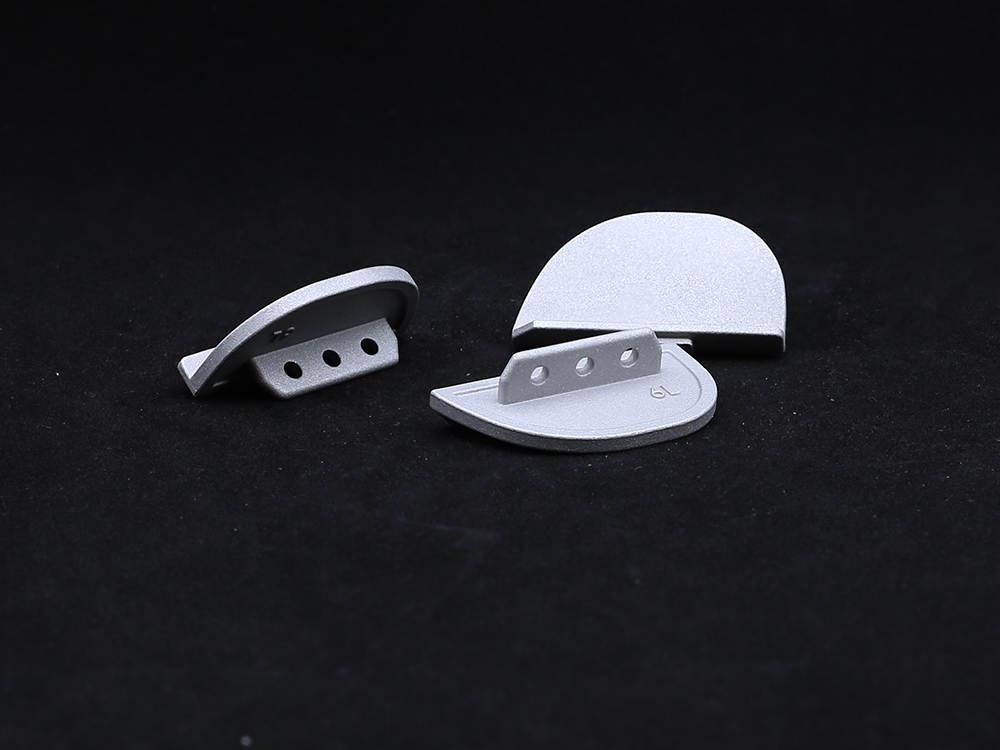 Unilateral Tibial PlateauThe unilateral tibial plateau is an orthopedic implant used in partial knee arthroplasty to replace the damaged medial or lateral tibial joint surface, thereby restoring function, relieving pain, and ensuring knee stability.
 -
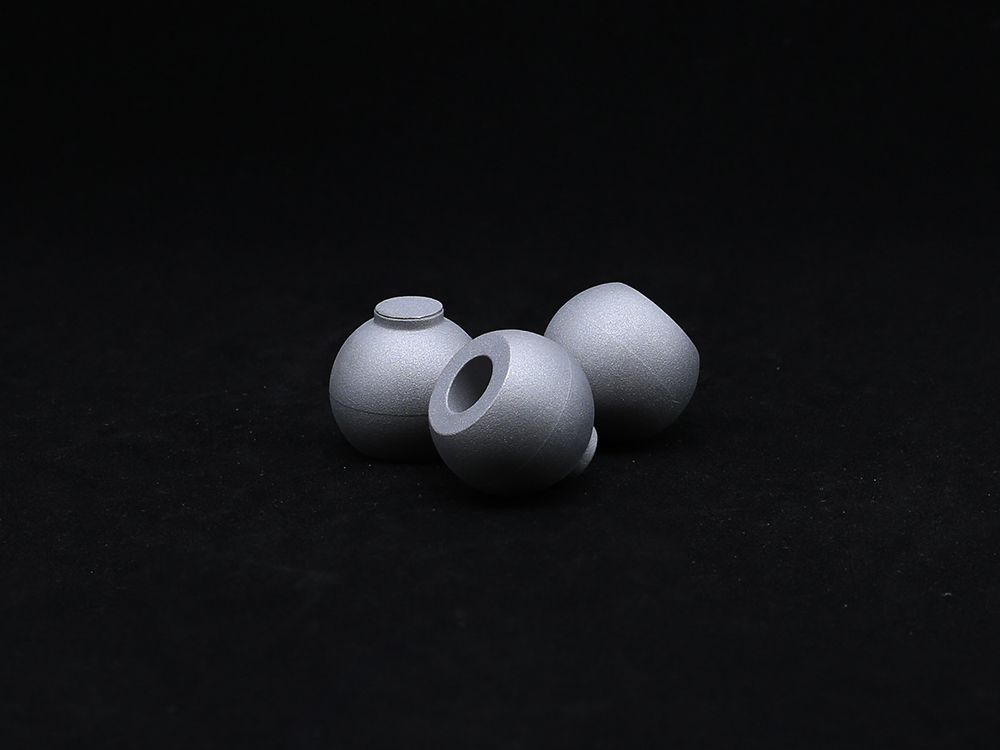 Ball HeadOur Ball Head component is designed for use in joint replacement procedures, particularly in hip and shoulder arthroplasty. Crafted from high-strength materials such as cobalt-chromium alloy or ceramic, the ball head ensures excellent wear resistance and long-term durability.
 -
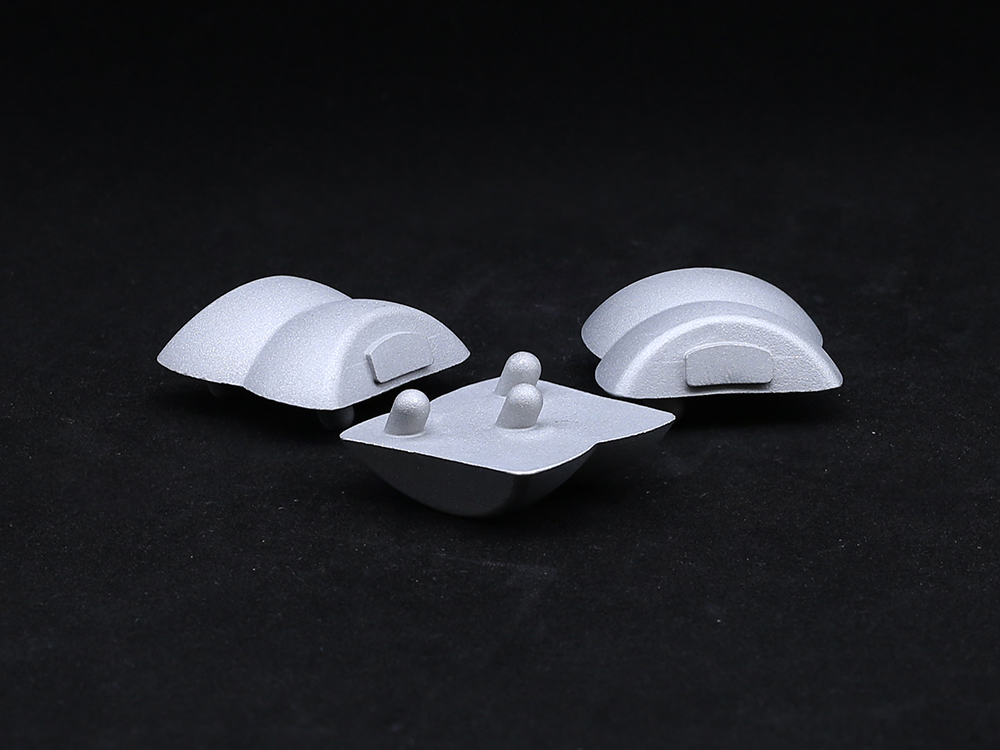 TalusTitanium alloys or PEEK materials that meet international medical standards are selected, featuring both strength and biocompatibility, effectively reducing the risk of rejection and promoting bone integration.
 -
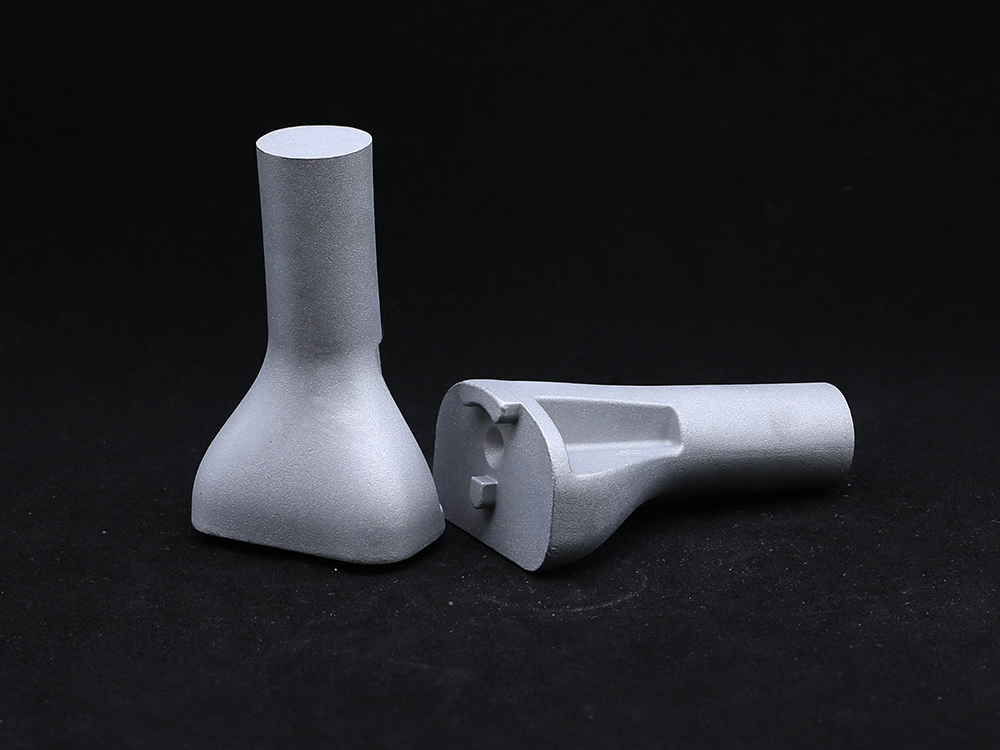 Tibial PlateauAvailable in both fixed-bearing and mobile-bearing configurations, the implants include modular baseplates and polyethylene inserts to accommodate various patient anatomies and surgical techniques.
 -
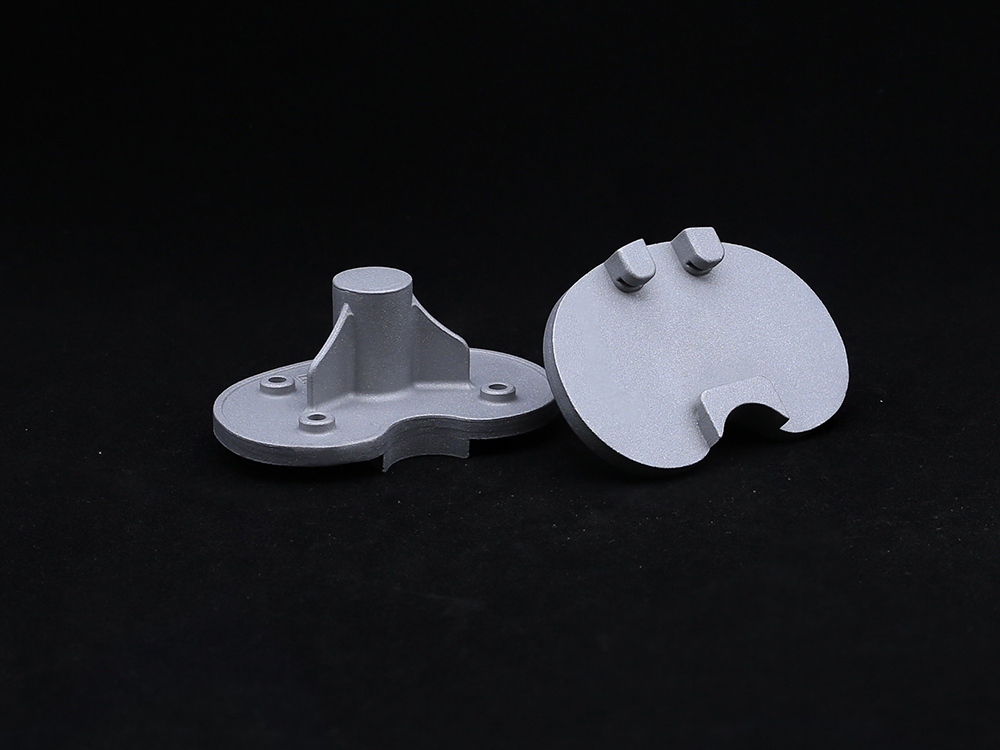 Refurbished PlatformCarefully Reprocessed To Meet The Highest Quality And Safety Standards, This Platform Is Ideal For Patients Requiring Revision Surgeries Or Those Seeking A Sustainable Option.
 -
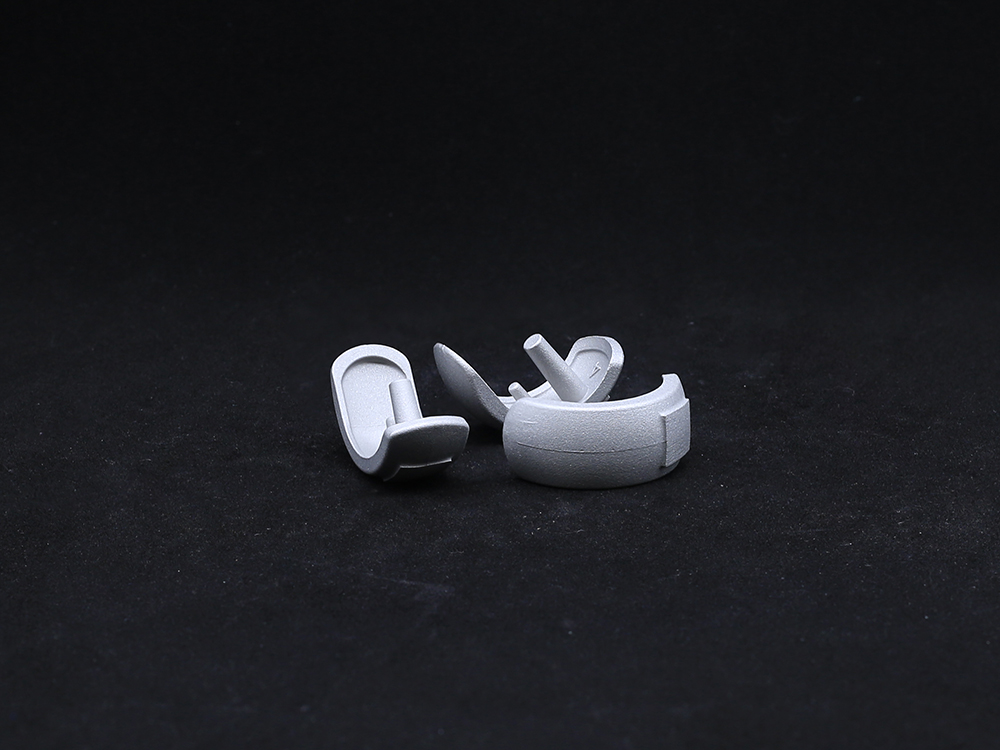 Half KneeThis minimally invasive solution preserves healthy bone, ligaments, and joint structures, enabling faster recovery and more natural knee kinematics. The system includes femoral and tibial components made from durable cobalt-chromium alloys and wear-resistant polyethylene inserts.
 -
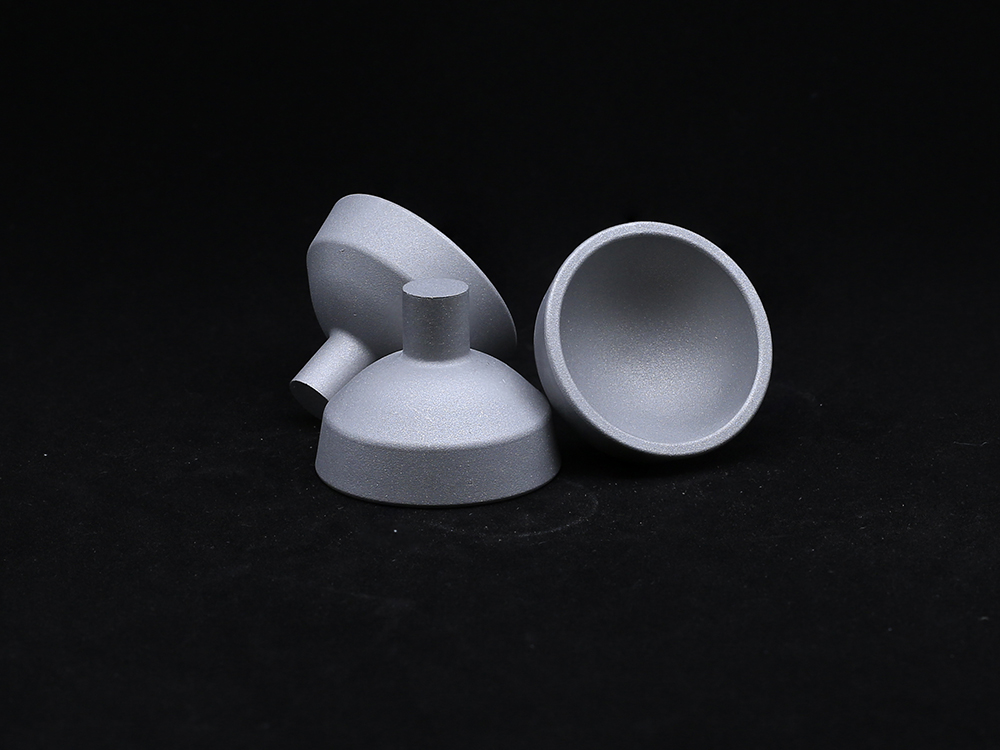 Acetabular CupMade from high-strength materials such as titanium alloy or cobalt-chromium, the Acetabular Cup ensures durability, corrosion resistance, and long-lasting performance. Its anatomical shape promotes optimal alignment and load distribution, reducing wear on bearing surfaces.
 -
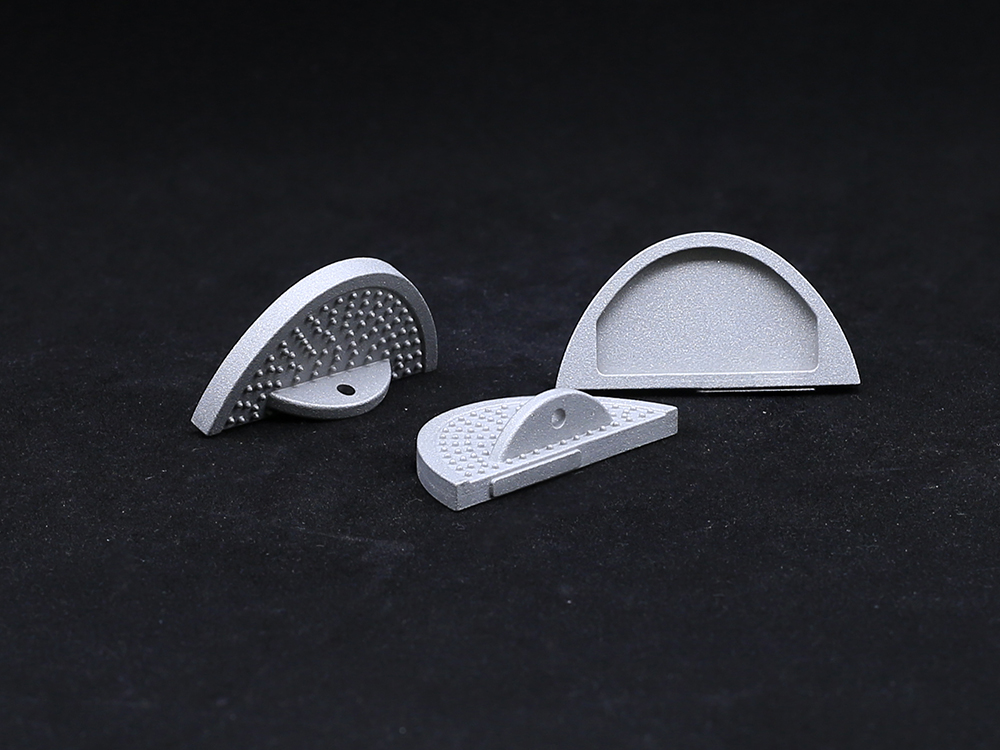 Bump Half PlatformManufactured from biocompatible, high-strength materials like titanium or cobalt-chromium alloys, it ensures durability and long-term performance. Ideal for knee, hip, or other joint replacements, the Bump Half Platform enhances surgical efficiency, minimizes inventory needs, and delivers reliable clinical outcomes with optimal joint alignment and function.
 -
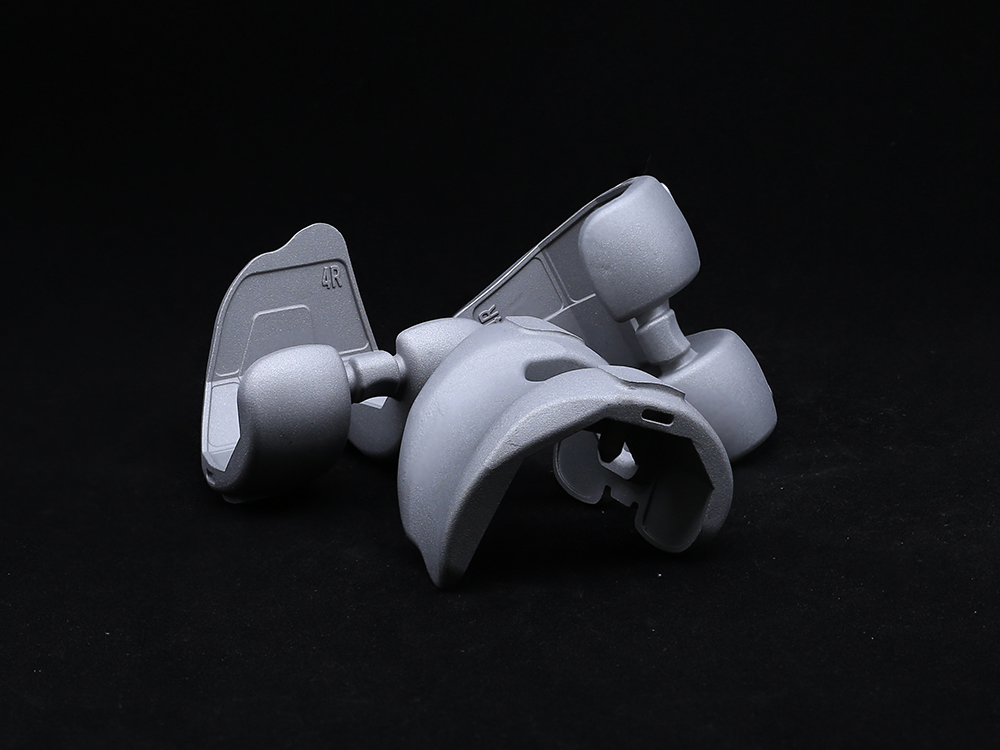 Femoral CondyleOur Half Platform system is designed to offer modular versatility in joint replacement procedures, particularly for hip and knee applications. It allows surgeons to combine components from different implant systems while maintaining biomechanical integrity and surgical efficiency.
 -
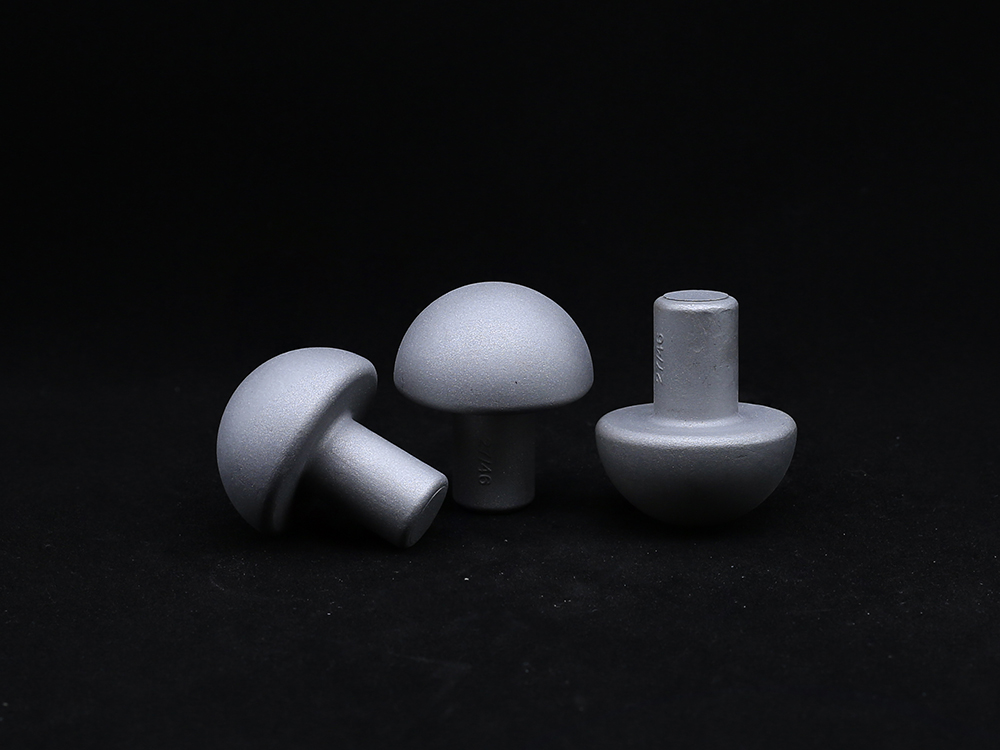 Humeral HeadAvailable in a range of diameters and offsets, they are designed to accommodate diverse patient anatomies and ensure proper soft tissue tensioning. Each humeral head is precisely machined from high-strength cobalt-chromium or ceramic materials, offering excellent wear resistance and biocompatibility.
 -
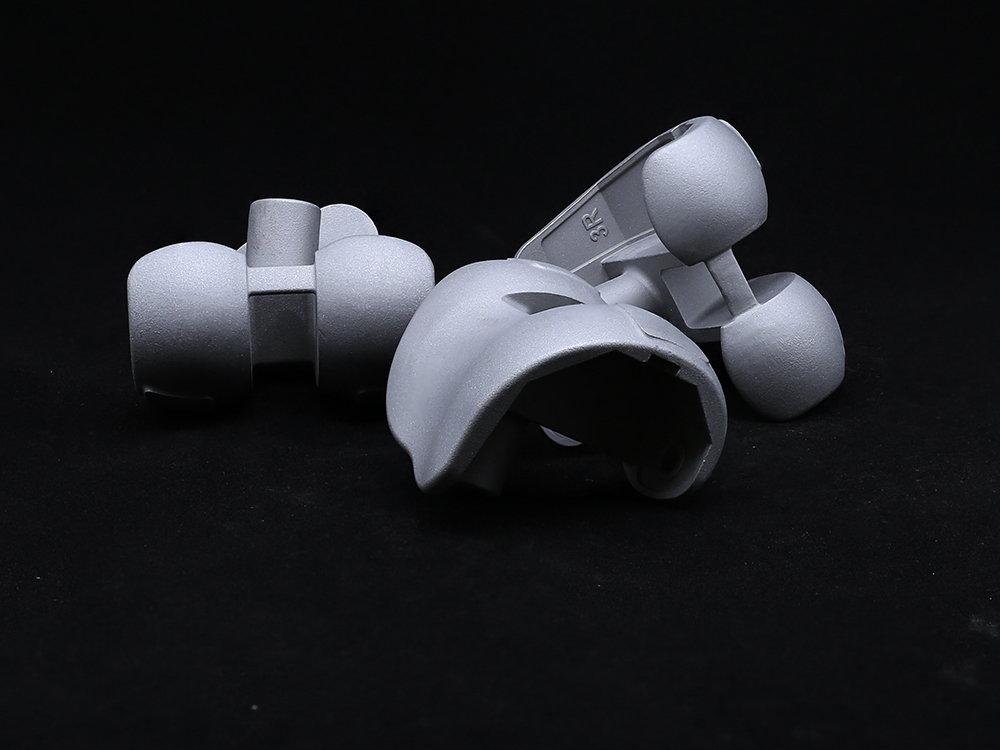 Revision Femoral CondyleThe Revision Femoral Condyle is engineered for use in knee revision surgeries, providing reliable solutions for patients requiring joint reconstruction due to implant failure, loosening, or wear. Made from biocompatible materials such as cobalt-chromium alloy, the revision condyle features enhanced durability and resistance to wear. Its design includes optimized geometry to restore proper knee function and alignment, ensuring a secure fit even in cases of significant bone loss.
 -
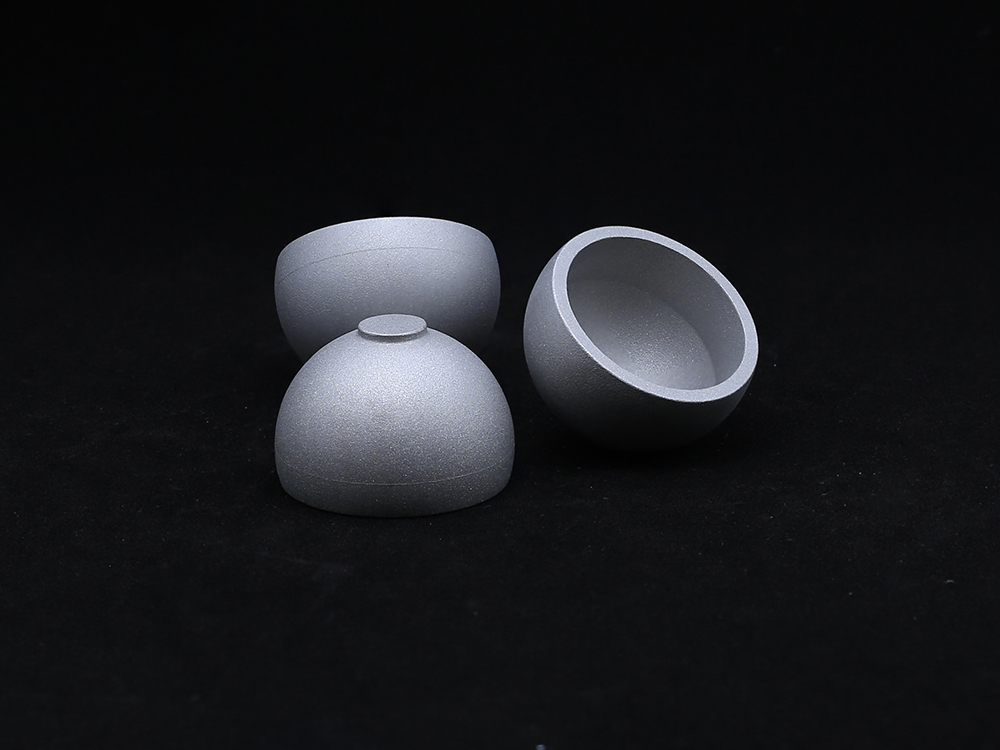 Metal CupOur Metal Cup is a critical component in hip joint replacement systems, designed to provide a durable and secure base for the acetabular implant. Manufactured from high-strength materials such as titanium alloy or cobalt-chromium, the Metal Cup offers excellent wear resistance, corrosion resistance, and long-term stability. Its anatomical design ensures proper alignment and load distribution, while its surface finish promotes optimal bone fixation.
Get a Custom Solution!
Contact Us To Provide You With More Professional Services


