Understanding the various types of partial knee replacement implants is essential for patients and orthopedic surgeons aiming to balance joint preservation with functional recovery. Unlike a total knee replacement, a partial procedure targets only the damaged compartment of the knee, allowing the retention of healthy bone, ligaments, and cartilage. This surgical nuance significantly influences the post-operative feel and the speed of rehabilitation.
Globally, the shift toward "bone-sparing" surgeries reflects a broader trend in medical manufacturing toward precision and minimalism. By utilizing specific types of partial knee replacement implants, clinicians can address unicompartmental osteoarthritis without compromising the knee's natural kinematics. This approach not only reduces surgical trauma but also preserves the anterior cruciate ligament (ACL), which is critical for proprioception and balance.
For the medical device industry, the innovation in these implants involves a delicate balance of metallurgy and biomechanics. From cobalt-chromium alloys to highly cross-linked polyethylene, the materials used in different types of partial knee replacement implants are engineered to withstand millions of loading cycles while minimizing wear. Choosing the right implant type ensures long-term stability and a return to an active lifestyle for the patient.
Global Industry Context of Partial Knee Implants
The global demand for orthopedic interventions has surged as aging populations in North America, Europe, and Asia experience higher rates of degenerative joint diseases. According to trends observed in ISO medical device standards and healthcare data, there is a growing preference for less invasive options. This has pushed manufacturers to refine the types of partial knee replacement implants to cater to patients who do not require a full joint overhaul.
The primary challenge facing the industry is the "one size fits all" mentality of early total knee replacements. Modern surgical trends now emphasize patient-specific anatomy, leading to a diversification in the materials and shapes of partial implants. By focusing on the specific compartment—be it medial or patellofemoral—manufacturers are reducing the biological cost of surgery and improving the speed of patient recovery.
Defining Types of Partial Knee Replacement Implants
In simple terms, types of partial knee replacement implants refer to prosthetic components designed to replace only a damaged section of the knee joint. Unlike a total knee replacement, which replaces the entire surface of the femur, tibia, and patella, a partial replacement (or unicompartmental knee arthroplasty) focuses on the specific "compartment" where the cartilage has worn away.
These implants are typically categorized by the area they treat: medial (inner side), lateral (outer side), or patellofemoral (under the kneecap). The goal is to restore a smooth gliding surface to the joint, thereby eliminating the bone-on-bone friction that causes chronic pain and inflammation in osteoarthritis patients.
From a humanitarian and industrial perspective, these specialized implants represent a move toward "precision medicine." By reducing the amount of bone removed and keeping the natural ligaments intact, the procedure offers a more natural feel and a faster return to productivity, which is vital for maintaining the independence of elderly populations worldwide.
Key Engineering Factors in Implant Design
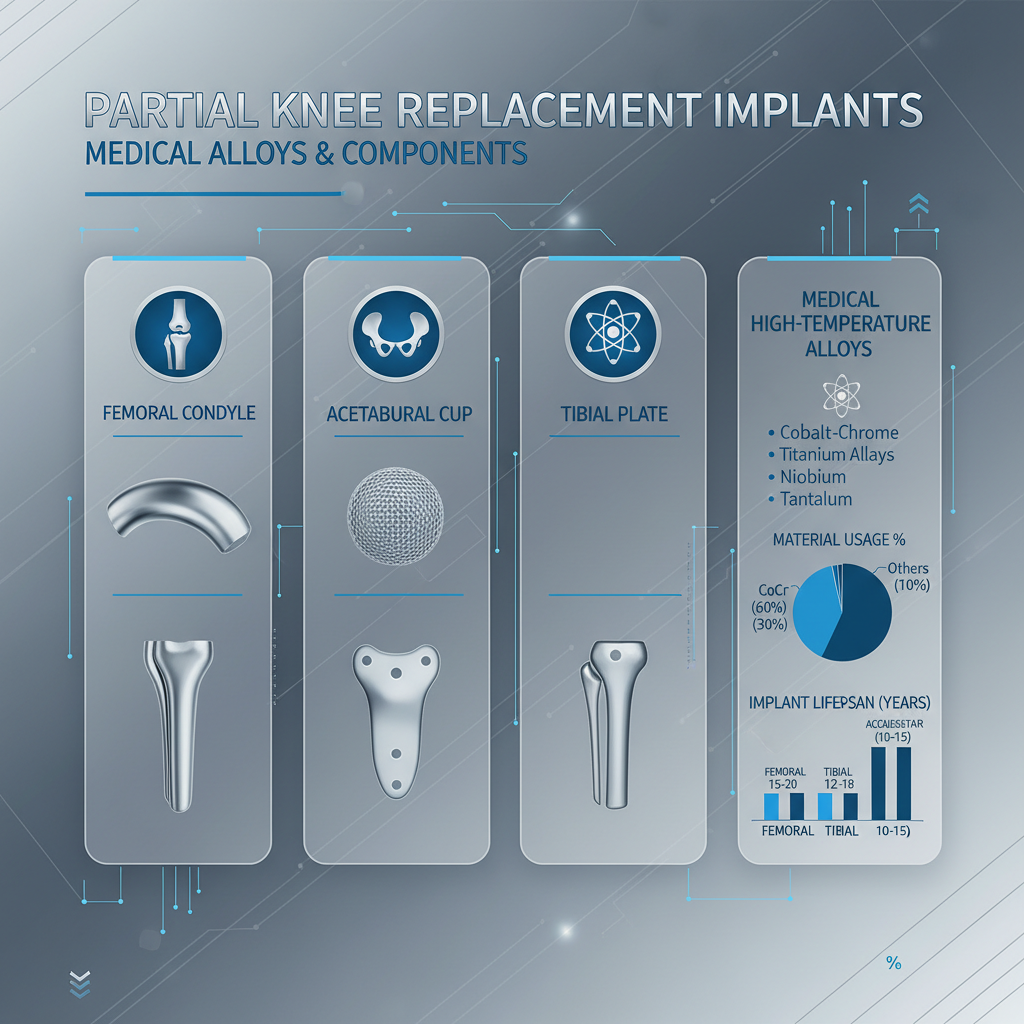
Biocompatibility and wear resistance are the cornerstones of all types of partial knee replacement implants. Engineers focus on utilizing medical-grade cobalt-chromium or titanium alloys for the femoral component to ensure high strength and corrosion resistance within the harsh environment of the human body.
The "bearing surface" is another critical factor; most types of partial knee replacement implants utilize Ultra-High Molecular Weight Polyethylene (UHMWPE). This material is engineered to mimic the cushioning properties of natural cartilage, significantly reducing the risk of implant loosening over time.
Finally, anatomical scalability is paramount. Because every patient's knee geometry is unique, the development of various sizes and modular configurations allows surgeons to achieve a "perfect fit," which minimizes the risk of instability and maximizes the long-term survival rate of the prosthesis.
Global Applications and Clinical Use Cases
The application of different types of partial knee replacement implants varies significantly based on regional healthcare priorities and patient demographics. In highly active societies, there is a strong push for partial replacements to allow athletes or working professionals to return to their routines with minimal downtime.
For instance, in remote industrial zones or post-disaster recovery areas where rehabilitation facilities may be limited, the faster recovery time associated with partial implants is a major advantage. Reduced hospital stays and lower requirements for intensive long-term physiotherapy make these implants a scalable solution for global healthcare systems.
Clinical Efficacy Comparison of Partial Knee Implant Types
Advantages and Long-Term Patient Value
The primary logical advantage of choosing specific types of partial knee replacement implants is the preservation of natural anatomy. By keeping the ACL and PCL (posterior cruciate ligament), patients often report a "more natural" feeling when walking or climbing stairs, as the joint's native proprioception remains intact.
Beyond the physical, there is a significant emotional value. Patients experience less anxiety due to smaller incisions and a shorter, less painful recovery period. This efficiency leads to a faster restoration of dignity and independence, reducing the psychological burden associated with chronic mobility impairment and long-term dependency on caregivers.
Future Trends in Knee Implant Innovation
The future of types of partial knee replacement implants is leaning heavily toward digital transformation. 3D printing and additive manufacturing now allow for the creation of patient-specific implants that match the unique contour of a patient's bone exactly, reducing the need for intraoperative adjustments.
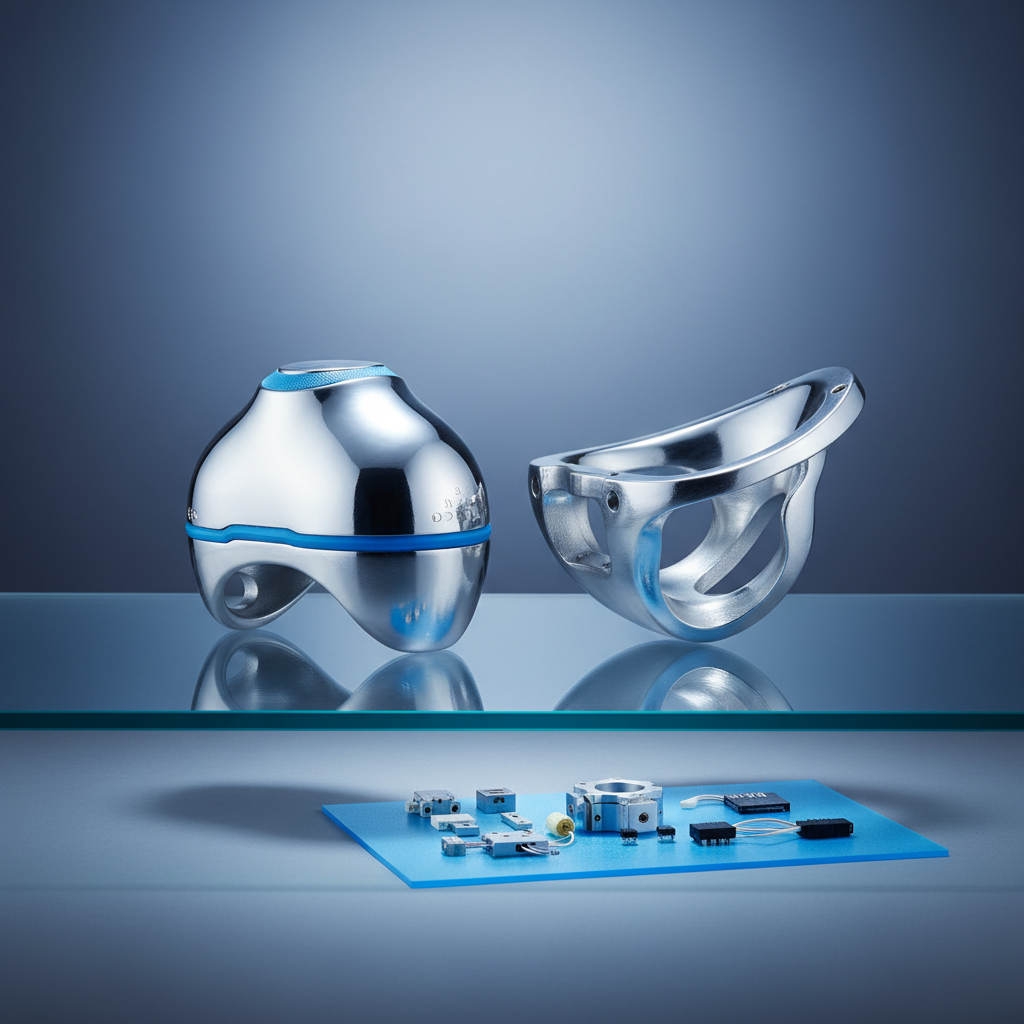
Furthermore, we are seeing the integration of "smart implants" equipped with micro-sensors. These devices can monitor load distribution and wear in real-time, transmitting data to physicians via telemedicine platforms. This ensures that any potential failure is detected years before it becomes a clinical problem.
Sustainability is also entering the manufacturing phase. Research into bio-absorbable materials and greener casting processes for cobalt-chrome is reducing the environmental footprint of orthopedic production, aligning the medical industry with global green energy and sustainability goals.
Challenges and Solutions in Implant Integration
One of the most persistent challenges with types of partial knee replacement implants is the risk of "disease progression." If the other healthy compartments of the knee eventually develop arthritis, a second surgery is required to convert the partial replacement into a total one.
To solve this, surgeons are now utilizing advanced AI-driven imaging and predictive analytics to better screen candidates. By analyzing the rate of cartilage degradation in the non-operated compartments, doctors can make a more informed decision on whether a partial or total replacement is the most sustainable long-term choice.
Another hurdle is the precise alignment of the implant. Even a few degrees of misalignment can lead to premature wear. The solution lies in Robotic-Assisted Surgery (RAS), which provides sub-millimeter precision during the implantation process, ensuring the implant is perfectly seated and the joint kinematics are optimized.
Technical Comparison of Partial Knee Implant Material and Design Configurations
| Implant Type |
Primary Material |
Wear Resistance |
Surgical Complexity |
| Medial Unicompartmental |
CoCr Alloy / UHMWPE |
High (9/10) |
Moderate |
| Lateral Unicompartmental |
Titanium / UHMWPE |
Medium (7/10) |
High |
| Patellofemoral Replacement |
CoCr Alloy / Polyethylene |
High (8/10) |
Low |
| Mobile-Bearing Partial |
Advanced Polymer / CoCr |
Very High (10/10) |
Moderate |
| Fixed-Bearing Partial |
CoCr Alloy / UHMWPE |
Medium (6/10) |
Low |
| Custom 3D Printed |
Titanium Powder/Sintered |
High (9/10) |
Moderate |
FAQS
The most common types are medial unicompartmental implants, which treat the inner side of the knee, and patellofemoral implants, which replace the joint between the kneecap and femur. Depending on the design, these can be "fixed-bearing," where the plastic spacer is locked in place, or "mobile-bearing," which allows for more natural rotation and potentially less wear over time.
While total knee replacements are designed for 15-25 years, many high-quality partial implants show similar longevity in patients who are carefully screened. The lifespan depends heavily on the material—such as highly cross-linked polyethylene—and whether the arthritis spreads to other compartments. On average, a successful partial implant can last 10-20 years.
In terms of surgical trauma, yes. Partial implants involve smaller incisions, less blood loss, and a lower risk of infection or blood clots. However, the "safety" also depends on patient selection; if a patient is a poor candidate for a partial replacement, the risk is a higher failure rate, which may necessitate a revision surgery.
Yes, many patients return to low-impact sports like cycling, swimming, and golf more quickly than those with total knee replacements. Because the natural ligaments are preserved, the knee maintains better stability and proprioception, which are critical for athletic movement. Always consult your surgeon regarding high-impact activities like running.
Most implants use cobalt-chromium or titanium, which are highly biocompatible. For patients with known metal sensitivities (like nickel allergies), manufacturers offer specialized options such as oxidized zirconium or all-ceramic components to eliminate the risk of an allergic inflammatory response.
Candidates typically have arthritis isolated to one compartment of the knee, a stable ACL, and no significant inflammatory arthritis (like rheumatoid arthritis). A combination of X-rays, MRI scans, and a physical assessment by an orthopedic surgeon will determine if your specific anatomy is suitable for a partial implant.
Conclusion
Selecting the appropriate types of partial knee replacement implants is a critical decision that bridges the gap between invasive surgery and long-term joint health. By prioritizing bone preservation, utilizing advanced materials like UHMWPE, and embracing robotic precision, modern orthopedics can offer patients a recovery experience that is faster, less painful, and more natural than traditional total knee replacements.
Looking forward, the integration of 3D printing and smart sensor technology will further personalize these implants, transforming them from passive mechanical parts into active health-monitoring tools. For patients and providers alike, the goal remains a seamless blend of engineering excellence and biological harmony to restore mobility and quality of life. Visit our website: www.rays-casting.com