- Tel: +8613911709825 /
- Email: ry@rays-casting.com /

Honestly, things are moving fast these days. Everyone’s talking about lightweighting, right? Not just in aerospace anymore. Construction, automotive… everybody wants less weight, more strength. And titanium knee caps… well, they fit right into that conversation. It’s not a new idea, mind you, but the demand’s definitely spiked. People are realizing the long-term benefits outweigh the initial cost, especially when you factor in longevity and reduced maintenance. It’s gotten to the point where if you don’t offer a titanium option, you’re almost behind the curve.
Have you noticed how many designs get bogged down in trying to be too clever? It's like engineers forget they’re designing something a construction worker will be wrestling with at 6 AM in the pouring rain. I saw a prototype last month where they’d tried to integrate the locking mechanism inside the cap itself. Beautiful on paper, utterly useless in practice. It just collected mud and grit, and you needed a specialized tool to even get it started. Simple is almost always better, especially when lives depend on it.
And then there’s the material itself. Titanium, Grade 5, mostly. That's what we’re using. It’s… different. It doesn’t feel like steel, doesn't have that cold, hard weight. It’s lighter, warmer almost. You can smell the machining oil clinging to it, even after it's cleaned. It needs to be handled carefully, too. It’s strong, yeah, but it's also susceptible to galling if you’re not using the right lubricants during assembly. I encountered that at the Jiangmen factory last time, nearly scrapped a whole batch.
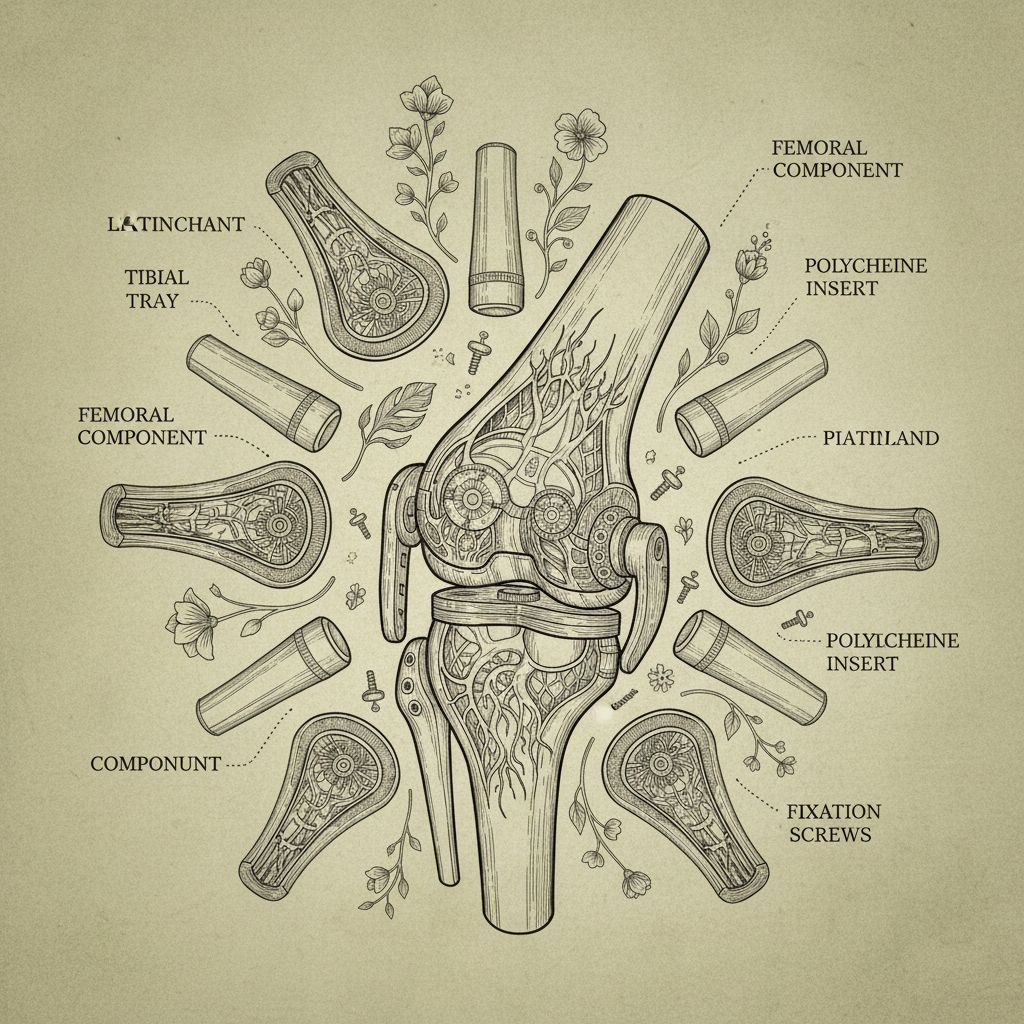
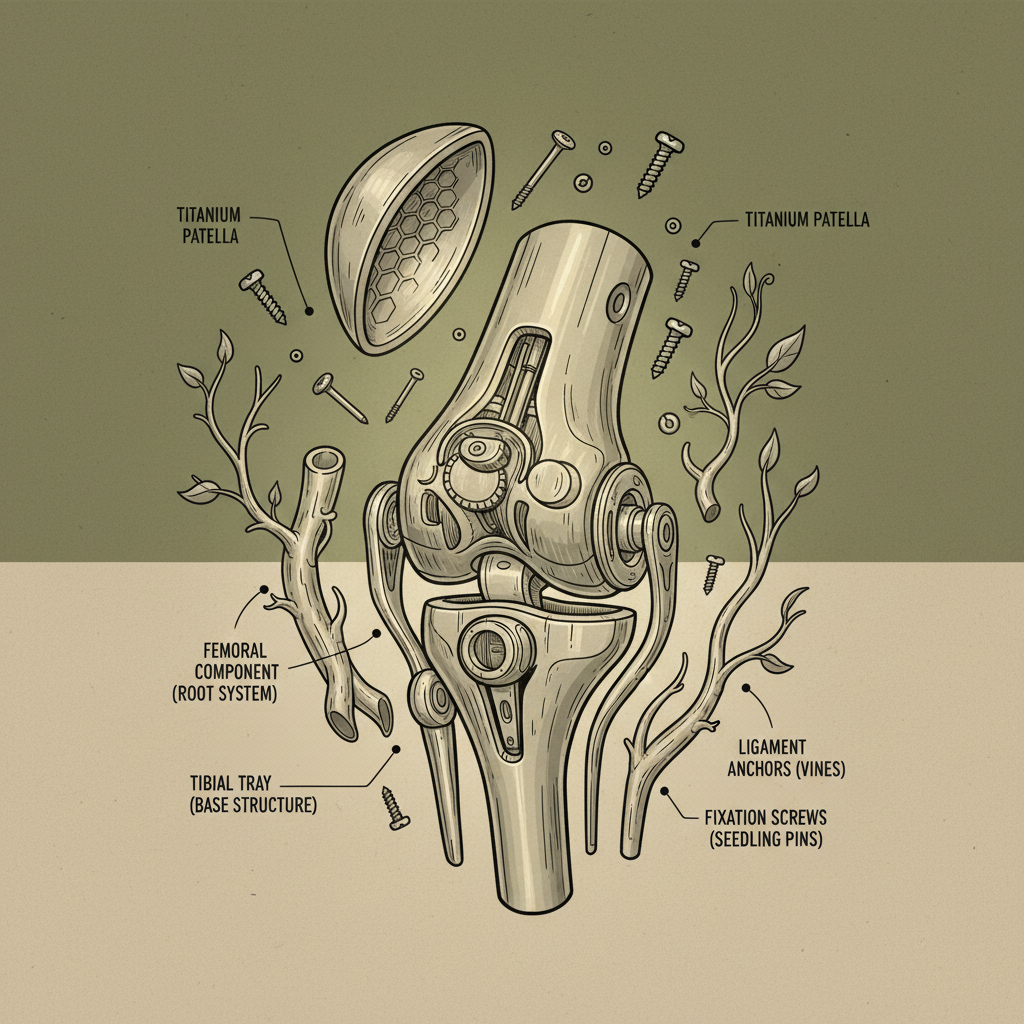
Honestly, the biggest driver is just the increased focus on longevity. Folks are tired of replacing parts every couple of years. Especially in harsh environments – offshore platforms, chemical plants… places where downtime is expensive. Titanium holds up. It resists corrosion, it’s strong, and it doesn’t require the constant maintenance that stainless steel does. Strangely, we’ve also seen a push from the safety side. If something does fail, titanium tends to fail more predictably. Steel can shatter; titanium will bend. A bent cap is a lot easier to spot than a catastrophic failure.
It’s not just about big industry, either. Even smaller projects are specifying titanium. They’re seeing the value in reducing long-term costs, even if the upfront investment is higher. And to be honest, it looks good. There’s a perceived quality, a premium feel that matters to some clients.
The biggest advantages are weight reduction and increased corrosion resistance. Titanium is roughly 45% lighter than stainless steel, while offering comparable, and sometimes superior, strength. This makes it ideal for applications where weight is a critical factor, like mobile equipment or aerospace. Corrosion resistance is also significantly better, particularly in saltwater or harsh chemical environments, leading to reduced maintenance and longer lifespan. It's a simple trade-off: more upfront cost, but less hassle down the road.
Titanium is considerably more expensive than stainless steel, aluminum, or carbon steel. The raw material costs are higher, and machining titanium requires specialized tools and expertise, which adds to the manufacturing expense. However, you have to consider the total cost of ownership. A titanium cap might last two or three times as long as a steel cap, reducing replacement costs. Plus, if it prevents even a single day of downtime, the investment can pay for itself.
Several surface treatments are common. We often use passivation to enhance corrosion resistance, but for more demanding environments, we offer coatings like ceramic coatings or PVD (Physical Vapor Deposition) coatings. Anodizing is also an option, though it's more commonly used for aesthetic purposes. The choice depends entirely on the application. For example, a deep-sea application will require a much more robust coating than something used indoors.
Lead times vary depending on the complexity of the design and our current workload, but typically it’s around 6-8 weeks from order confirmation to delivery. The machining process is slower with titanium compared to other materials, and quality control is more rigorous. If it’s a standard cap, we can often ship it within a week or two. But anything custom requires more planning and production time.
Repairing titanium can be tricky. Welding titanium requires a very controlled environment and skilled technicians. Minor damage, like scratches, can often be addressed with grinding and polishing. However, significant damage, like cracks or deformation, usually means the cap needs to be replaced. It’s always best to prevent damage in the first place by using the correct installation procedures and ensuring proper maintenance.
We are ISO 9001 certified, which covers our quality management system. We also provide material traceability reports for all our titanium products, confirming the alloy composition and origin. Depending on the application, we can also obtain specific certifications, like those required for aerospace or medical applications. Just let us know your requirements, and we'll do our best to meet them.
Ultimately, titanium knee caps are about balancing cost and performance. They're not the cheapest option, and they require a bit more care in manufacturing and installation. But for applications where weight, strength, and corrosion resistance are critical, they’re often the best choice. The long-term benefits – reduced maintenance, increased reliability, extended lifespan – can easily justify the initial investment.
And really, at the end of the day, whether this thing works or not, the worker will know the moment he tightens the screw. That’s what matters. If it feels solid, if it’s easy to install, and if it lasts… then we’ve done our job. Visit our website at www.rays-casting.com to learn more.