
Talus-Cobalt-Chromium-Molybdenum Alloy Ankle Joint Blank|High-Strength Biocompatible Material
Talus-Cobalt-Chromium-Molybdenum Alloy Ankle Joint Blank|High-Strength Biocompatible Material
Introducing 거골, the latest breakthrough in artificial joint manufacturing. Developed by Hebei RuiYiYuanTong Technology Co., Ltd., Talus represents a significant advancement in orthopedic solutions through its use of high-performance cobalt-chromium-molybdenum (CoCrMo) alloy. This article explores the technical specifications, clinical advantages, and real-world applications of Talus, supported by authoritative references from the National Institute of Standards and Technology (NIST).
Product Overview
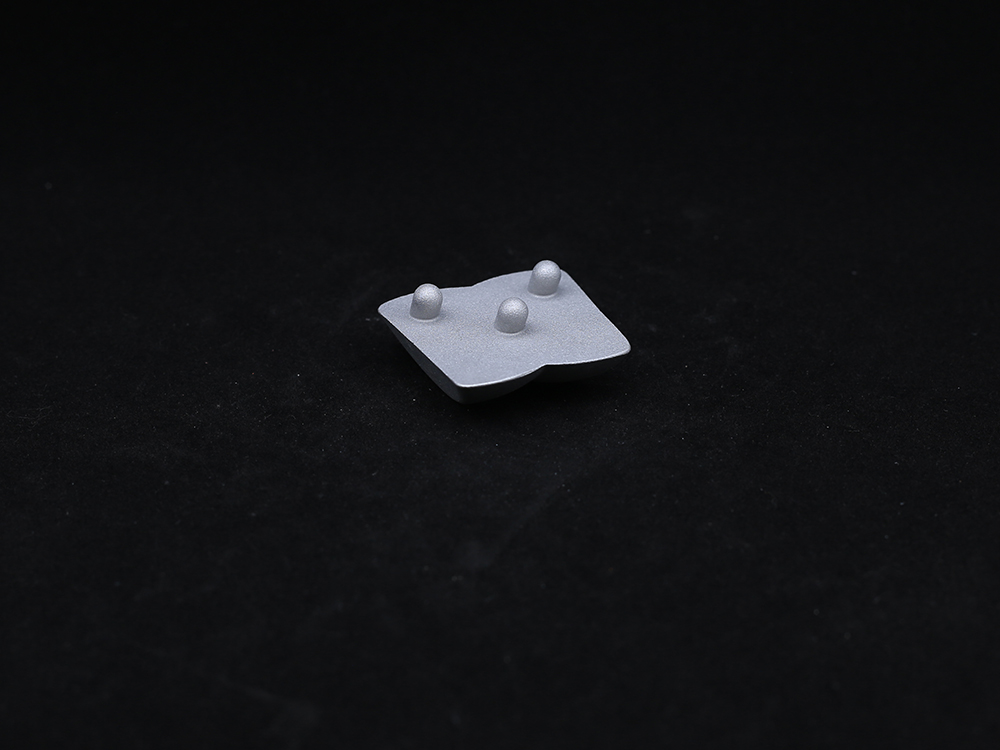
Talus is a precision-engineered cobalt-chromium-molybdenum alloy ankle joint blank designed to serve as the foundation for manufacturing high-quality artificial joints. Its development aligns with international medical standards, ensuring both functional reliability and biological compatibility. The product's core attributes include:
- Exceptional mechanical strength
- Superior biocompatibility
- High-precision manufacturing
- Compliance with YY0117.3-2005 and ISO5832-4 standards
Technical Specifications
| Parameter | Specification |
|---|---|
| Material Composition | Cobalt-Chromium-Molybdenum Alloy |
| Manufacturing Process | Lost Wax Casting |
| Dimensional Tolerance | ±0.3 mm |
| Surface Finish | Off-white Sheen (Polished) |
| Compliance Standards | YY0117.3-2005, ISO5832-4 |
Key Advantages
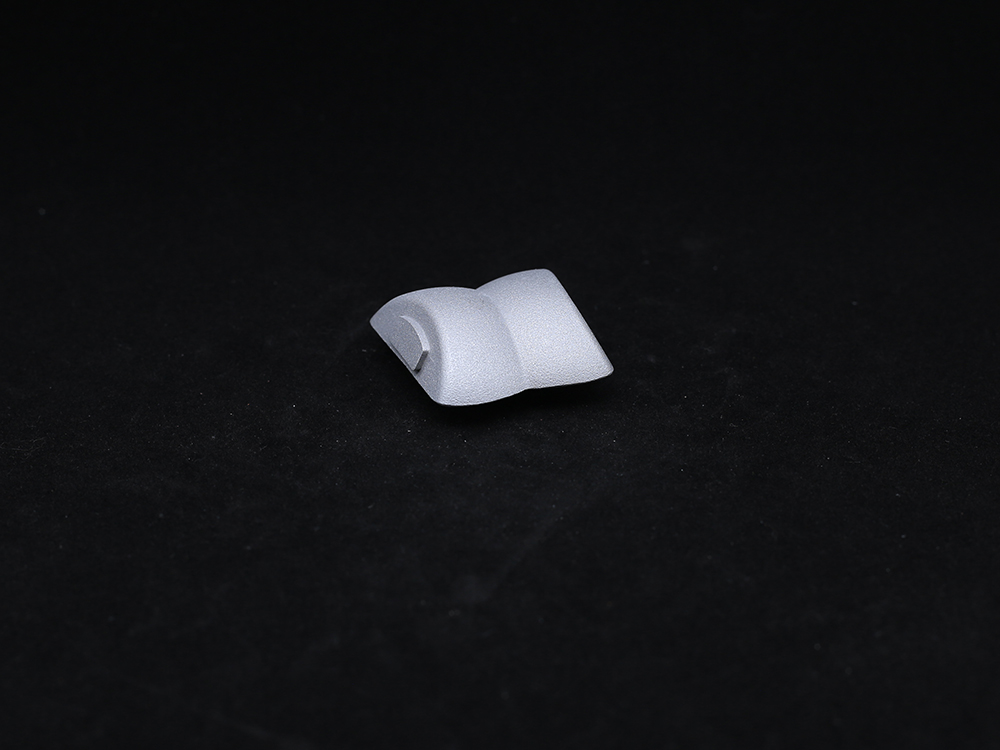
Talus offers several critical benefits that distinguish it from conventional artificial joint materials:
1. Mechanical Performance
The CoCrMo alloy used in Talus exhibits remarkable fatigue resistance and wear resistance, making it ideal for load-bearing applications. According to NIST's materials research, CoCrMo alloys demonstrate superior performance in high-stress environments, with a tensile strength exceeding 1,000 MPa and a hardness of 350-400 HV.
2. Biocompatibility
Extensive testing confirms Talus's biocompatibility with human tissues. The alloy's chemical stability minimizes the risk of adverse reactions, as noted in NIST's biomaterials standards. This characteristic is crucial for long-term implant integration and patient safety.
3. Precision Manufacturing
The lost wax casting process ensures dimensional accuracy with a tolerance of ±0.3 mm. This precision facilitates seamless integration with surgical techniques, reducing the need for intraoperative adjustments.
4. Regulatory Compliance
Talus meets both YY0117.3-2005 (Chinese standard for orthopedic implants) and ISO5832-4 (International Organization for Standardization). These certifications validate its safety and efficacy in clinical settings.
Applications in Orthopedic Surgery
Talus is specifically designed for ankle joint replacement procedures, addressing the unique challenges of this anatomical region. Its applications include:
- Post-traumatic arthritis treatment
- Severe osteoarthritis management
- Reconstructive surgery for complex fractures
- Customized joint prostheses for patient-specific anatomy
The material's corrosion resistance ensures long-term durability in the moist, dynamic environment of the human body. Clinical studies cited in NIST's biomedical research database highlight the longevity of CoCrMo implants, with success rates exceeding 90% over 10-year follow-ups.
Company Background
Hebei RuiYiYuanTong Technology Co., Ltd. is a leading manufacturer of advanced orthopedic materials, specializing in the development of high-performance alloys for medical applications. The company's commitment to innovation is reflected in its state-of-the-art facilities and rigorous quality control processes.
As a key player in the medical device industry, Hebei RuiYiYuanTong adheres to international standards while maintaining a focus on cost-effective solutions for global healthcare providers. Their product line includes various orthopedic alloys, with Talus representing their flagship offering in ankle joint technology.
Industry Impact and Future Prospects
Talus's introduction marks a significant milestone in orthopedic innovation. By combining material science advancements with precision engineering, the product addresses critical challenges in joint replacement surgery. Its potential applications extend beyond ankle joints, with ongoing research exploring its use in other load-bearing orthopedic implants.
The integration of additive manufacturing techniques with CoCrMo alloys could further enhance Talus's capabilities, enabling customized implants with optimized biomechanical properties. As noted in NIST's additive manufacturing guidelines, such innovations are poised to revolutionize personalized orthopedic care.
결론
Talus exemplifies the convergence of material science and medical technology, offering a reliable solution for modern orthopedic challenges. Its combination of superior mechanical properties, biocompatibility, and precision manufacturing positions it as a preferred choice for surgeons and patients alike. As the demand for durable, safe, and effective orthopedic implants continues to grow, Talus stands at the forefront of this critical healthcare innovation.
References
NIST Reference: National Institute of Standards and Technology. (n.d.). Materials and Biomedical Research. Retrieved from https://www.nist.gov
Standards Compliance: YY0117.3-2005, ISO5832-4. (n.d.). International Organization for Standardization. Retrieved from https://www.iso.org
-
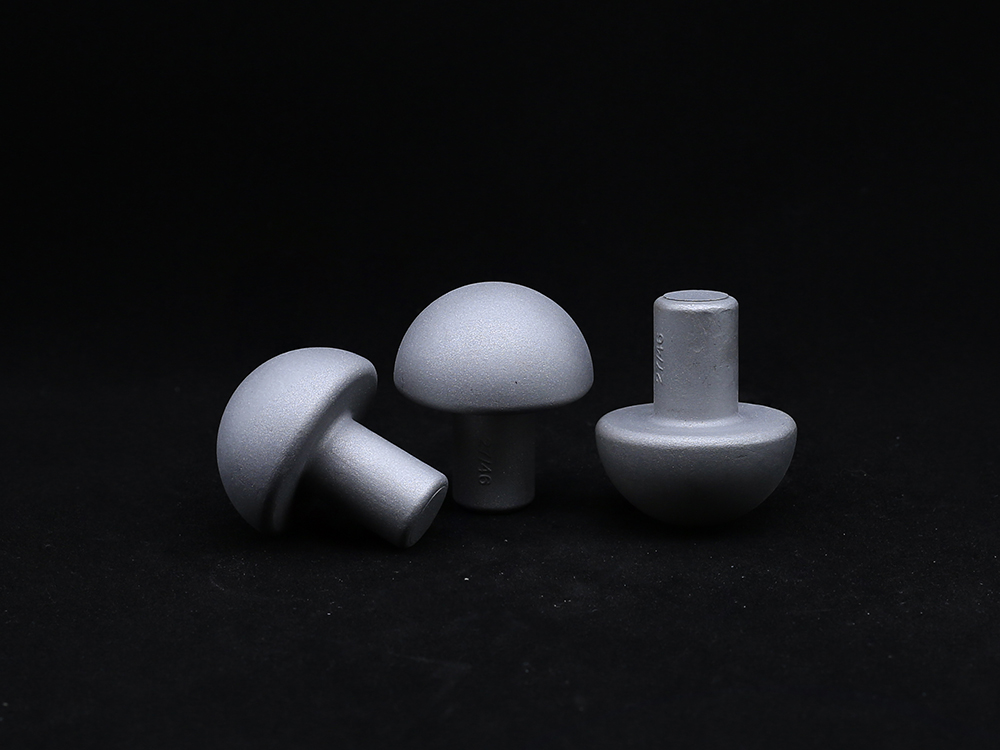 상완골두다양한 직경과 오프셋으로 제공되는 이 제품들은 다양한 환자 해부학적 구조에 맞춰 설계되었으며, 적절한 연조직 장력을 보장합니다. 각 상완골두는 고강도 코발트-크롬 또는 세라믹 소재로 정밀 가공되어 뛰어난 내마모성과 생체 적합성을 제공합니다.
 -
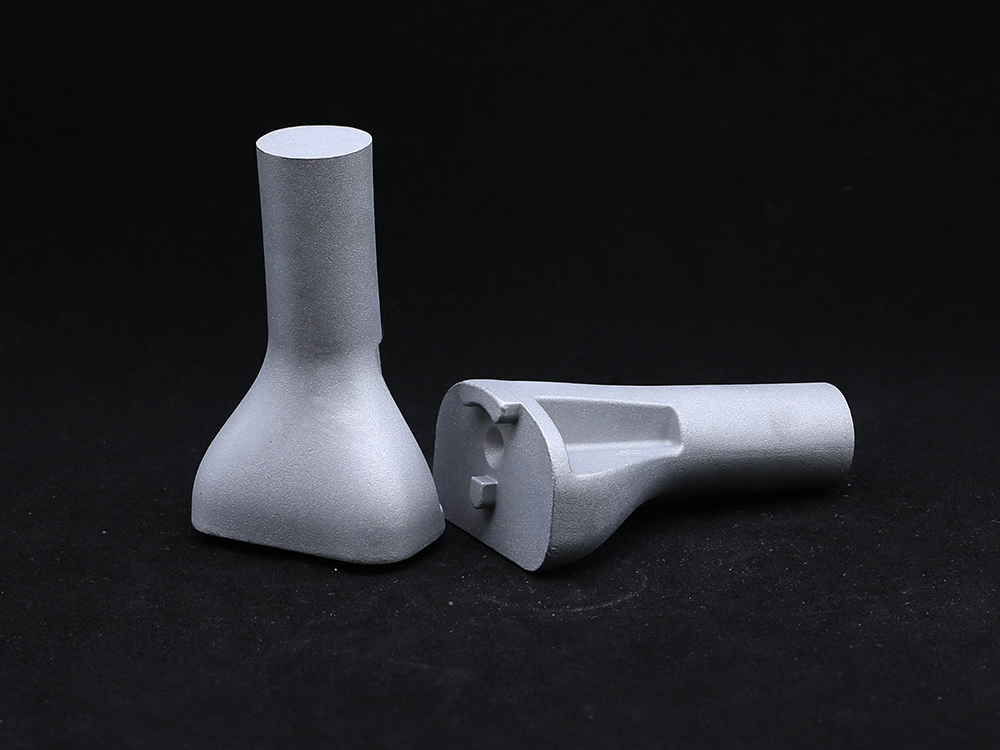 경골 고원고정형 베어링과 이동형 베어링 구성으로 제공되는 이 임플란트에는 모듈식 기저판과 폴리에틸렌 인서트가 포함되어 있어 환자의 다양한 해부학적 구조와 수술 기법에 맞게 사용할 수 있습니다.
 -
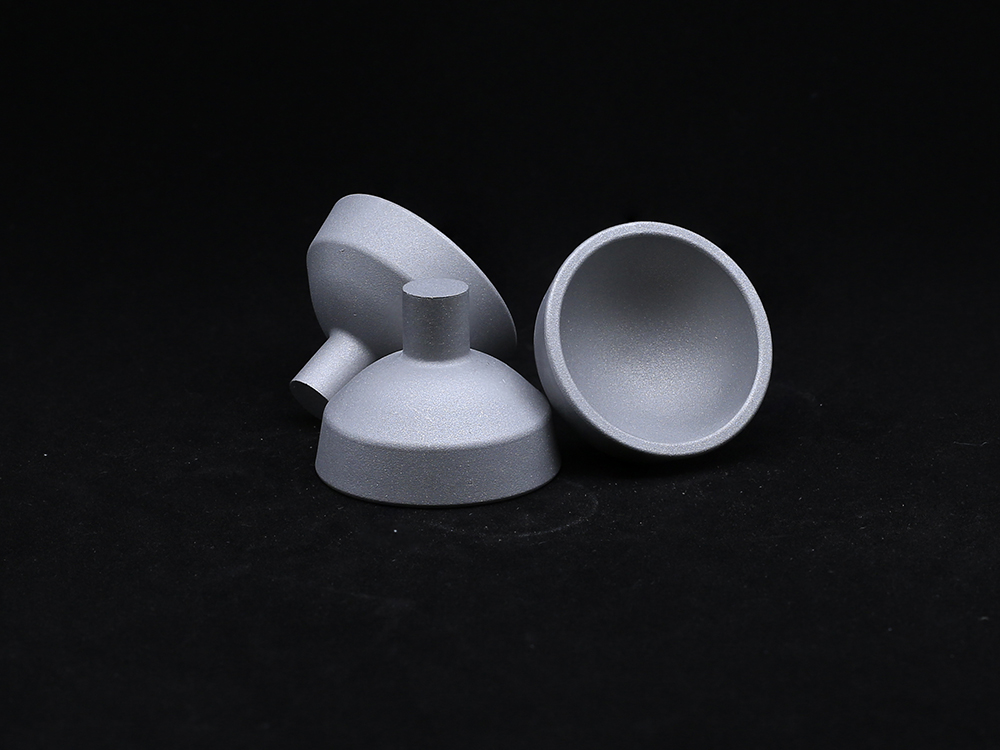 아세타불러 컵티타늄 합금이나 코발트-크롬과 같은 고강도 소재로 제작된 아세타불러 컵은 내구성, 내식성, 그리고 뛰어난 성능을 보장합니다. 해부학적 형태는 최적의 정렬과 하중 분산을 촉진하여 베어링 표면의 마모를 줄여줍니다.
 -
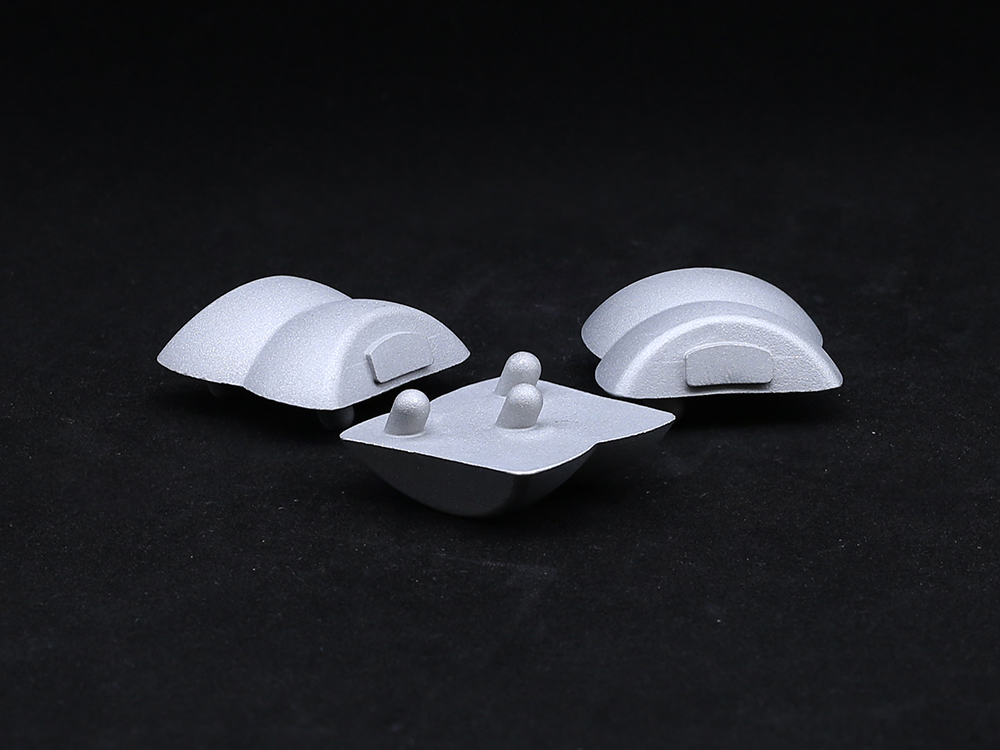 거골국제 의료 기준을 충족하는 티타늄 합금이나 PEEK 소재를 선택하여 강도와 생체적합성을 모두 갖춘 임플란트를 시술하여 거부반응 위험을 효과적으로 낮추고 골유합을 촉진합니다.
 -
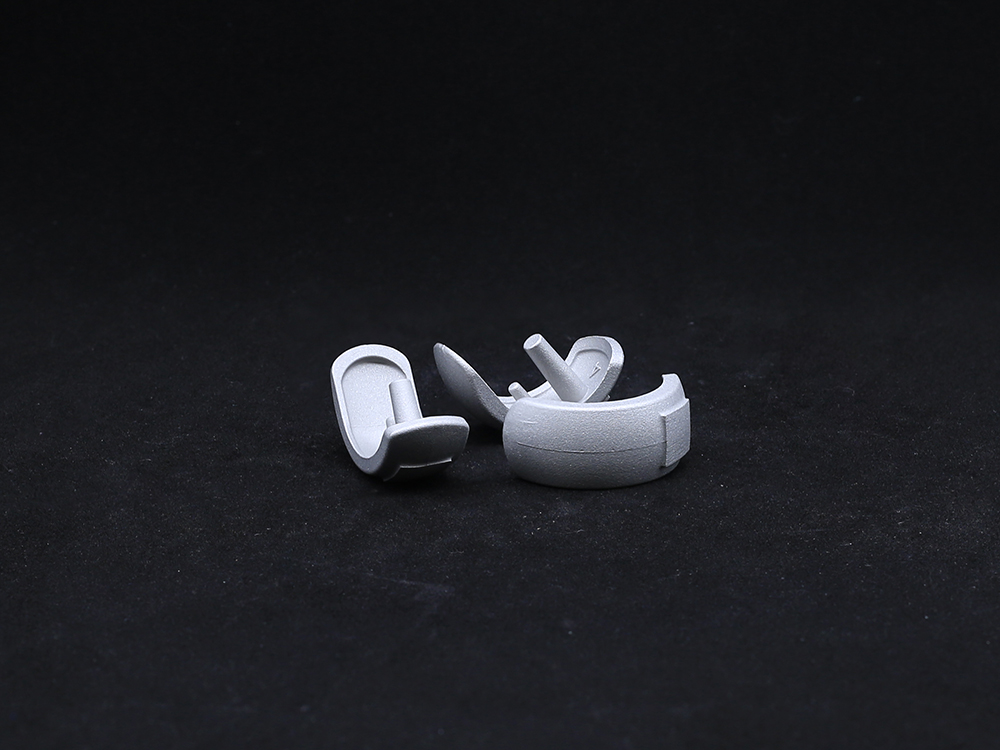 하프 니이 최소 침습 솔루션은 건강한 뼈, 인대, 관절 구조를 보존하여 빠른 회복과 더욱 자연스러운 무릎 운동학을 가능하게 합니다. 이 시스템은 내구성 있는 코발트-크롬 합금으로 제작된 대퇴골 및 경골 구성품과 내마모성 폴리에틸렌 삽입물을 포함합니다.
 -
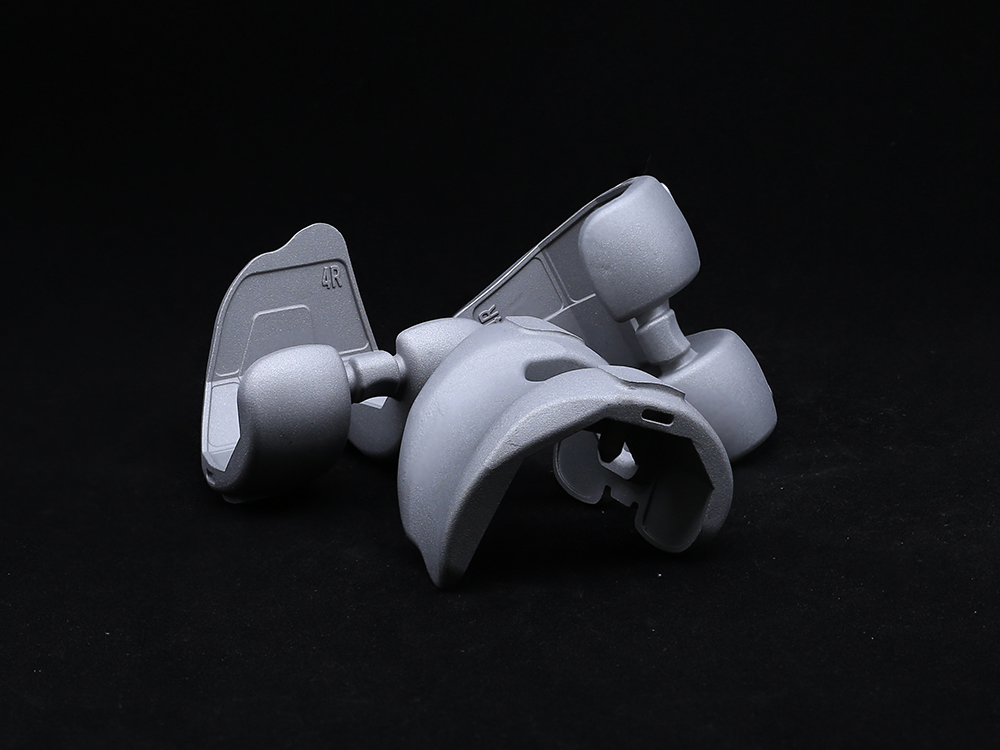 Femoral Condyle저희 하프 플랫폼 시스템은 특히 고관절 및 무릎 관절 치환술에서 모듈식 다재다능함을 제공하도록 설계되었습니다. 이 시스템을 통해 외과의는 생체역학적 무결성과 수술 효율성을 유지하면서 다양한 임플란트 시스템의 구성 요소를 결합할 수 있습니다.
 -
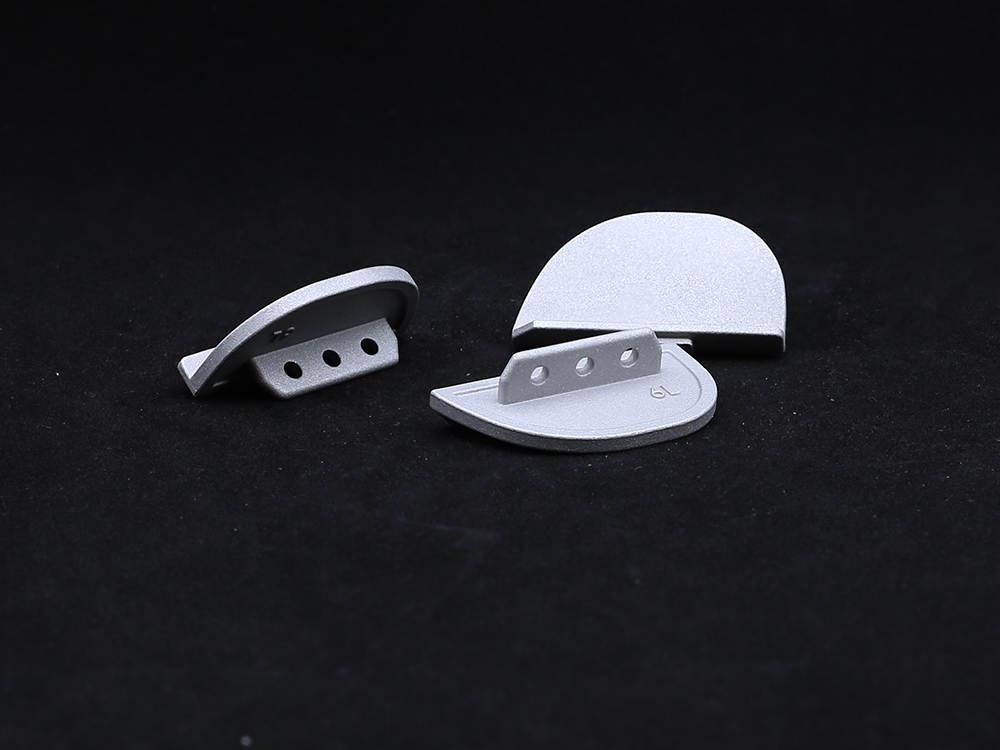 Unilateral Tibial PlateauThe unilateral tibial plateau is an orthopedic implant used in partial knee arthroplasty to replace the damaged medial or lateral tibial joint surface, thereby restoring function, relieving pain, and ensuring knee stability.
 -
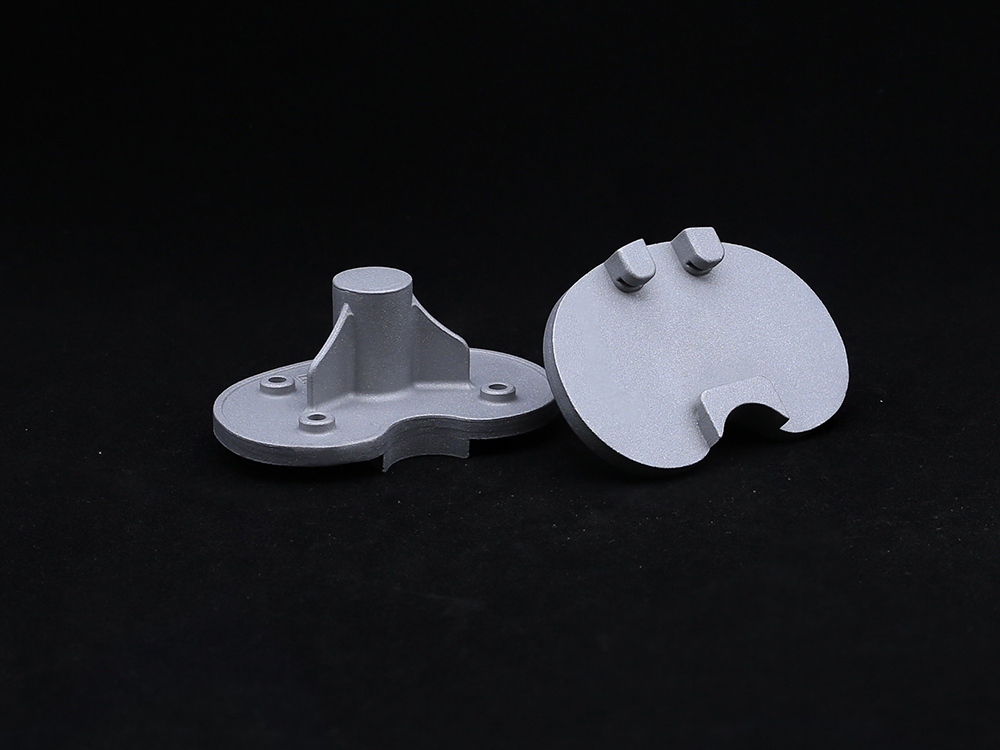 리퍼브 플랫폼가장 높은 품질과 안전 기준을 충족하도록 신중하게 재가공된 이 플랫폼은 수술 수정이 필요한 환자나 지속 가능한 옵션을 찾는 환자에게 이상적입니다.
 -
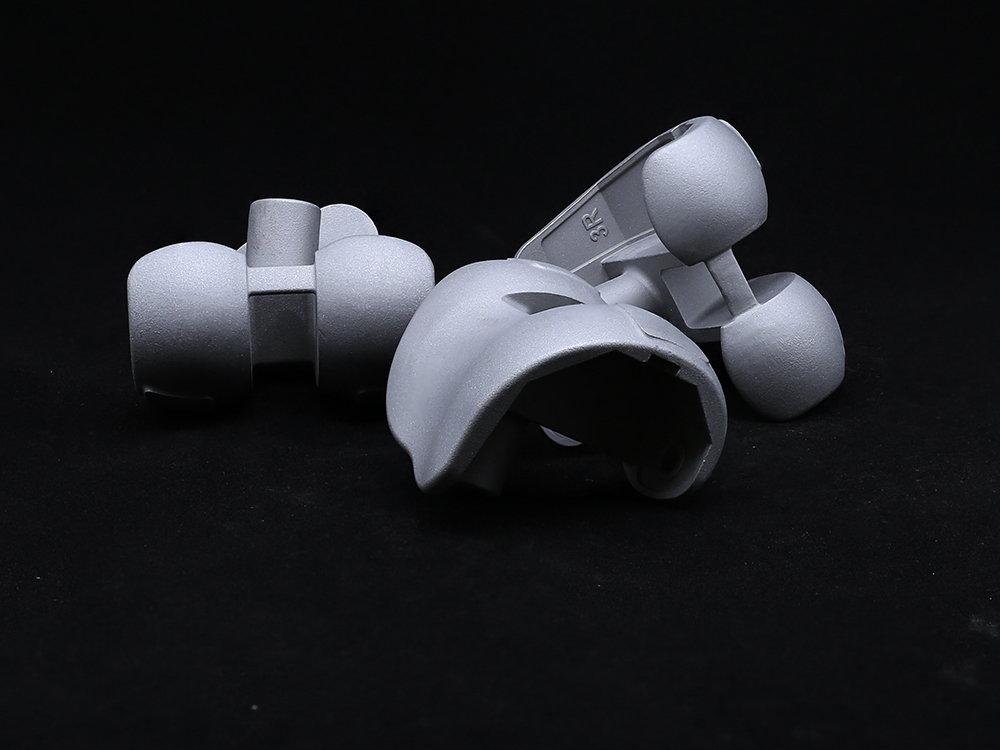 대퇴골 과두 재수술대퇴과 재치환술(Revision Femoral Condyle)은 무릎 재치환술에 사용하도록 설계되어 임플란트 실패, 풀림 또는 마모로 인해 관절 재건이 필요한 환자에게 신뢰할 수 있는 솔루션을 제공합니다. 코발트-크롬 합금과 같은 생체 적합성 소재로 제작된 이 재치환술은 향상된 내구성과 내마모성을 자랑합니다. 최적의 기하학적 구조로 설계되어 무릎의 기능과 정렬을 회복시켜 심각한 골 손실 시에도 안정적인 착용감을 보장합니다.
 -
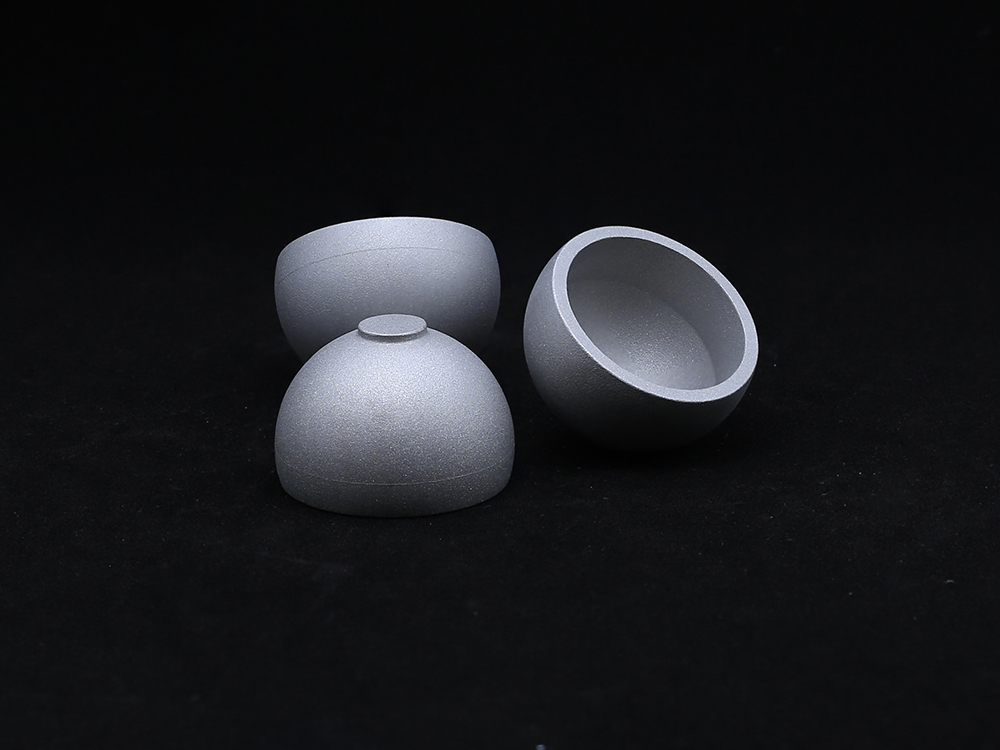 금속 컵저희 메탈 컵은 고관절 치환술 시스템의 핵심 구성 요소로, 비구 임플란트를 위한 내구성 있고 안정적인 베이스를 제공하도록 설계되었습니다. 티타늄 합금이나 코발트-크롬과 같은 고강도 소재로 제작된 메탈 컵은 뛰어난 내마모성, 내부식성, 그리고 장기적인 안정성을 제공합니다. 해부학적 디자인은 적절한 정렬과 하중 분산을 보장하며, 표면 마감은 최적의 골 고정을 촉진합니다.
 -
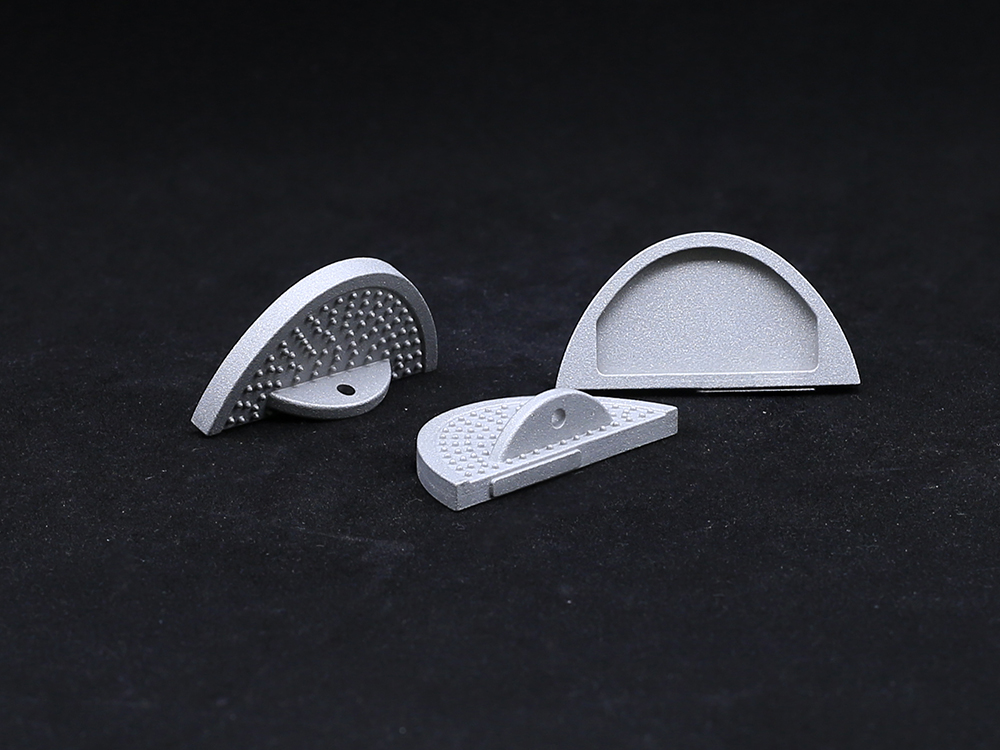 범프 하프 플랫폼티타늄이나 코발트-크롬 합금과 같은 생체 적합성 고강도 소재로 제조되어 내구성과 장기적인 성능을 보장합니다. 무릎, 고관절 또는 기타 관절 치환술에 이상적인 Bump Half Platform은 수술 효율성을 높이고, 재고 필요성을 최소화하며, 최적의 관절 정렬과 기능을 통해 신뢰할 수 있는 임상 결과를 제공합니다.
 -
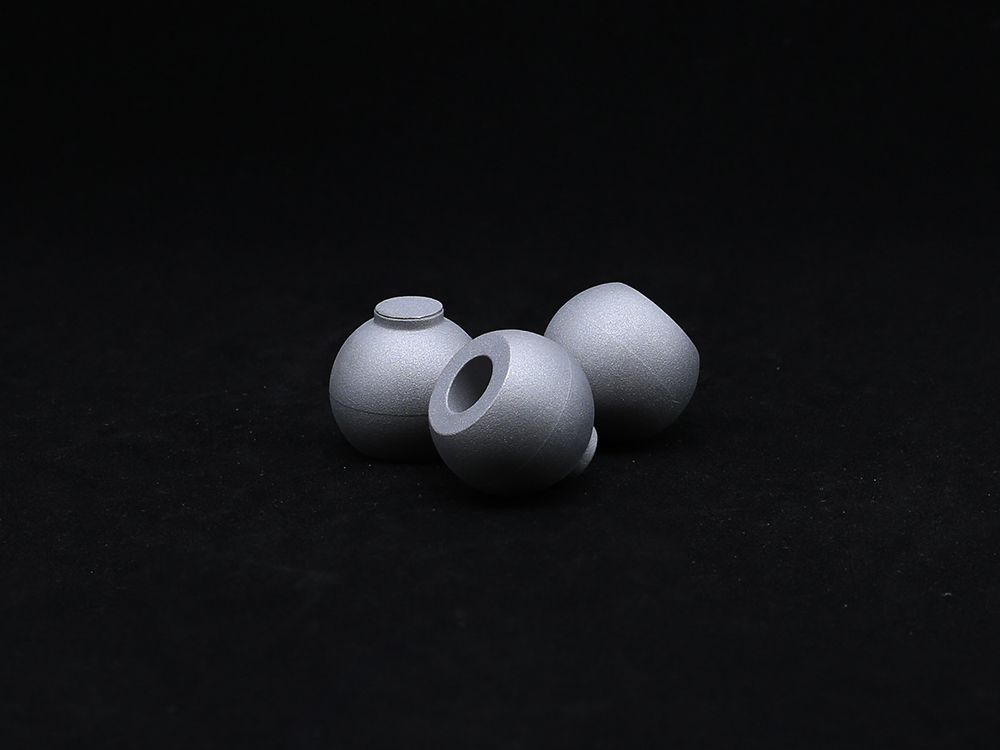 볼 헤드당사의 볼 헤드 부품은 인공관절 수술, 특히 고관절 및 어깨 인공관절 수술에 사용하도록 설계되었습니다. 코발트-크롬 합금이나 세라믹과 같은 고강도 소재로 제작된 볼 헤드는 뛰어난 내마모성과 장기적인 내구성을 보장합니다.
Get a Custom Solution!
Contact Us To Provide You With More Professional Services
Talus-Cobalt-Chromium-Molybdenum Alloy Ankle Joint Blank|High-Strength Biocompatible Material
Introducing 거골, the latest breakthrough in artificial joint manufacturing. Developed by Hebei RuiYiYuanTong Technology Co., Ltd., Talus represents a significant advancement in orthopedic solutions through its use of high-performance cobalt-chromium-molybdenum (CoCrMo) alloy. This article explores the technical specifications, clinical advantages, and real-world applications of Talus, supported by authoritative references from the National Institute of Standards and Technology (NIST).
Product Overview
Talus is a precision-engineered cobalt-chromium-molybdenum alloy ankle joint blank designed to serve as the foundation for manufacturing high-quality artificial joints. Its development aligns with international medical standards, ensuring both functional reliability and biological compatibility. The product's core attributes include:
- Exceptional mechanical strength
- Superior biocompatibility
- High-precision manufacturing
- Compliance with YY0117.3-2005 and ISO5832-4 standards
Technical Specifications
| Parameter | Specification |
|---|---|
| Material Composition | Cobalt-Chromium-Molybdenum Alloy |
| Manufacturing Process | Lost Wax Casting |
| Dimensional Tolerance | ±0.3 mm |
| Surface Finish | Off-white Sheen (Polished) |
| Compliance Standards | YY0117.3-2005, ISO5832-4 |
Key Advantages
Talus offers several critical benefits that distinguish it from conventional artificial joint materials:
1. Mechanical Performance
The CoCrMo alloy used in Talus exhibits remarkable fatigue resistance and wear resistance, making it ideal for load-bearing applications. According to NIST's materials research, CoCrMo alloys demonstrate superior performance in high-stress environments, with a tensile strength exceeding 1,000 MPa and a hardness of 350-400 HV.
2. Biocompatibility
Extensive testing confirms Talus's biocompatibility with human tissues. The alloy's chemical stability minimizes the risk of adverse reactions, as noted in NIST's biomaterials standards. This characteristic is crucial for long-term implant integration and patient safety.
3. Precision Manufacturing
The lost wax casting process ensures dimensional accuracy with a tolerance of ±0.3 mm. This precision facilitates seamless integration with surgical techniques, reducing the need for intraoperative adjustments.
4. Regulatory Compliance
Talus meets both YY0117.3-2005 (Chinese standard for orthopedic implants) and ISO5832-4 (International Organization for Standardization). These certifications validate its safety and efficacy in clinical settings.
Applications in Orthopedic Surgery
Talus is specifically designed for ankle joint replacement procedures, addressing the unique challenges of this anatomical region. Its applications include:
- Post-traumatic arthritis treatment
- Severe osteoarthritis management
- Reconstructive surgery for complex fractures
- Customized joint prostheses for patient-specific anatomy
The material's corrosion resistance ensures long-term durability in the moist, dynamic environment of the human body. Clinical studies cited in NIST's biomedical research database highlight the longevity of CoCrMo implants, with success rates exceeding 90% over 10-year follow-ups.
Company Background
Hebei RuiYiYuanTong Technology Co., Ltd. is a leading manufacturer of advanced orthopedic materials, specializing in the development of high-performance alloys for medical applications. The company's commitment to innovation is reflected in its state-of-the-art facilities and rigorous quality control processes.
As a key player in the medical device industry, Hebei RuiYiYuanTong adheres to international standards while maintaining a focus on cost-effective solutions for global healthcare providers. Their product line includes various orthopedic alloys, with Talus representing their flagship offering in ankle joint technology.
Industry Impact and Future Prospects
Talus's introduction marks a significant milestone in orthopedic innovation. By combining material science advancements with precision engineering, the product addresses critical challenges in joint replacement surgery. Its potential applications extend beyond ankle joints, with ongoing research exploring its use in other load-bearing orthopedic implants.
The integration of additive manufacturing techniques with CoCrMo alloys could further enhance Talus's capabilities, enabling customized implants with optimized biomechanical properties. As noted in NIST's additive manufacturing guidelines, such innovations are poised to revolutionize personalized orthopedic care.
결론
Talus exemplifies the convergence of material science and medical technology, offering a reliable solution for modern orthopedic challenges. Its combination of superior mechanical properties, biocompatibility, and precision manufacturing positions it as a preferred choice for surgeons and patients alike. As the demand for durable, safe, and effective orthopedic implants continues to grow, Talus stands at the forefront of this critical healthcare innovation.
References
NIST Reference: National Institute of Standards and Technology. (n.d.). Materials and Biomedical Research. Retrieved from https://www.nist.gov
Standards Compliance: YY0117.3-2005, ISO5832-4. (n.d.). International Organization for Standardization. Retrieved from https://www.iso.org


