
Talus-Cobalt-Chromium-Molybdenum Alloy Ankle Joint Blank|High-Strength Biocompatible Material
Talus-Cobalt-Chromium-Molybdenum Alloy Ankle Joint Blank|High-Strength Biocompatible Material
Introducing Талус, the latest breakthrough in artificial joint manufacturing. Developed by Hebei RuiYiYuanTong Technology Co., Ltd., Talus represents a significant advancement in orthopedic solutions through its use of high-performance cobalt-chromium-molybdenum (CoCrMo) alloy. This article explores the technical specifications, clinical advantages, and real-world applications of Talus, supported by authoritative references from the National Institute of Standards and Technology (NIST).
Product Overview
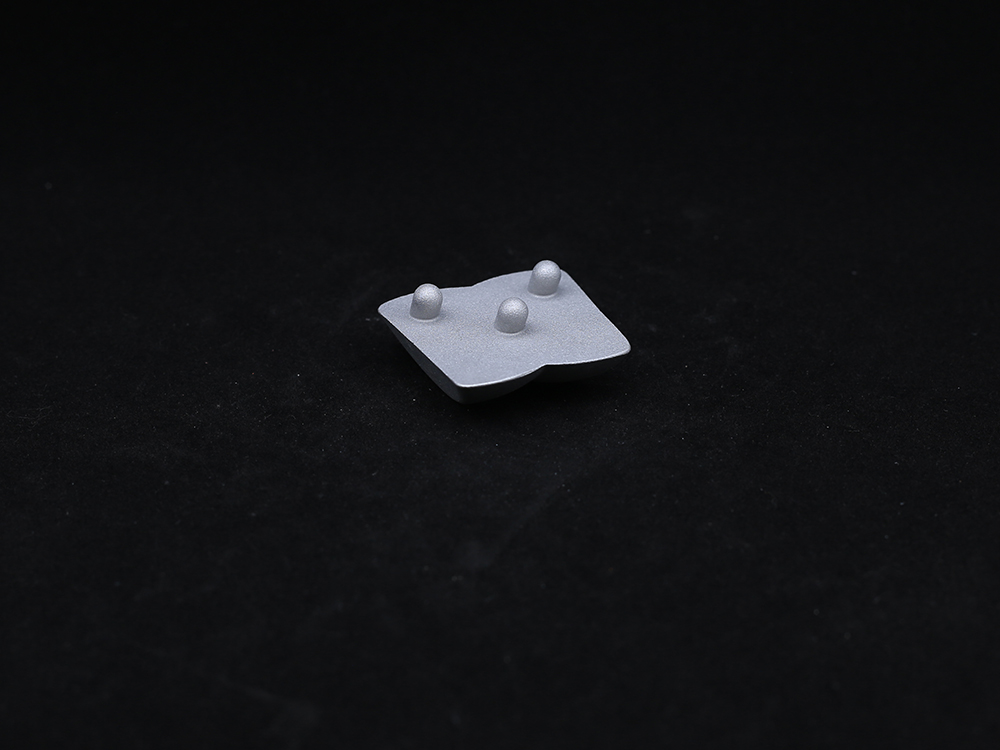
Talus is a precision-engineered cobalt-chromium-molybdenum alloy ankle joint blank designed to serve as the foundation for manufacturing high-quality artificial joints. Its development aligns with international medical standards, ensuring both functional reliability and biological compatibility. The product's core attributes include:
- Exceptional mechanical strength
- Superior biocompatibility
- High-precision manufacturing
- Compliance with YY0117.3-2005 and ISO5832-4 standards
Technical Specifications
| Parameter | Specification |
|---|---|
| Material Composition | Cobalt-Chromium-Molybdenum Alloy |
| Manufacturing Process | Lost Wax Casting |
| Dimensional Tolerance | ±0.3 mm |
| Surface Finish | Off-white Sheen (Polished) |
| Compliance Standards | YY0117.3-2005, ISO5832-4 |
Key Advantages
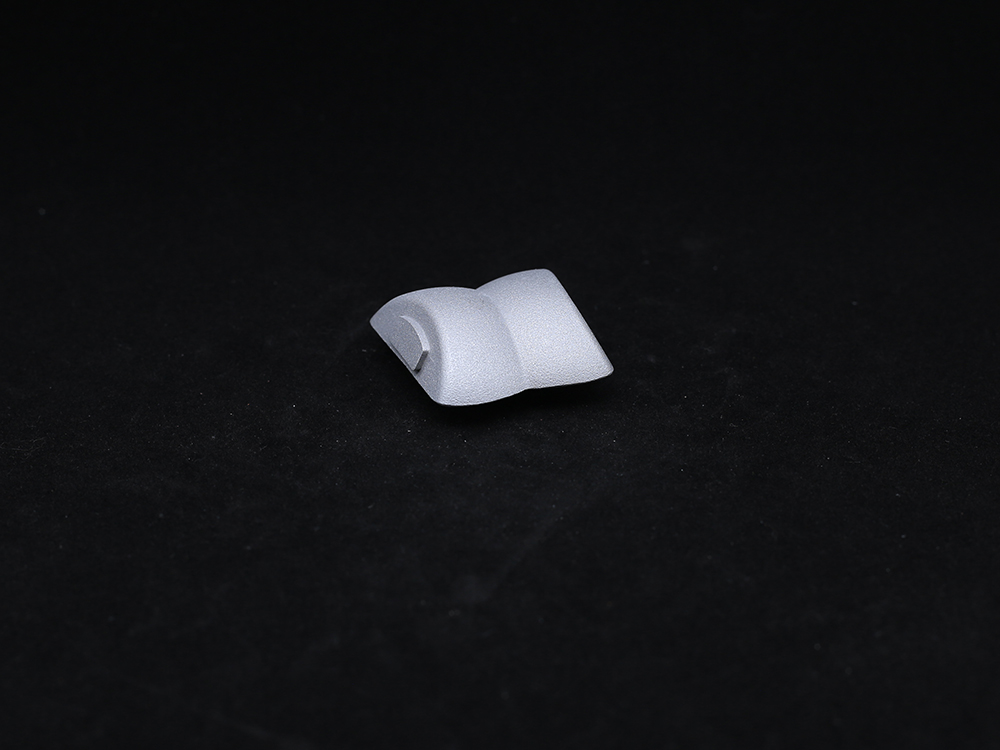
Talus offers several critical benefits that distinguish it from conventional artificial joint materials:
1. Mechanical Performance
The CoCrMo alloy used in Talus exhibits remarkable fatigue resistance and wear resistance, making it ideal for load-bearing applications. According to NIST's materials research, CoCrMo alloys demonstrate superior performance in high-stress environments, with a tensile strength exceeding 1,000 MPa and a hardness of 350-400 HV.
2. Biocompatibility
Extensive testing confirms Talus's biocompatibility with human tissues. The alloy's chemical stability minimizes the risk of adverse reactions, as noted in NIST's biomaterials standards. This characteristic is crucial for long-term implant integration and patient safety.
3. Precision Manufacturing
The lost wax casting process ensures dimensional accuracy with a tolerance of ±0.3 mm. This precision facilitates seamless integration with surgical techniques, reducing the need for intraoperative adjustments.
4. Regulatory Compliance
Talus meets both YY0117.3-2005 (Chinese standard for orthopedic implants) and ISO5832-4 (International Organization for Standardization). These certifications validate its safety and efficacy in clinical settings.
Applications in Orthopedic Surgery
Talus is specifically designed for ankle joint replacement procedures, addressing the unique challenges of this anatomical region. Its applications include:
- Post-traumatic arthritis treatment
- Severe osteoarthritis management
- Reconstructive surgery for complex fractures
- Customized joint prostheses for patient-specific anatomy
The material's corrosion resistance ensures long-term durability in the moist, dynamic environment of the human body. Clinical studies cited in NIST's biomedical research database highlight the longevity of CoCrMo implants, with success rates exceeding 90% over 10-year follow-ups.
Company Background
Hebei RuiYiYuanTong Technology Co., Ltd. is a leading manufacturer of advanced orthopedic materials, specializing in the development of high-performance alloys for medical applications. The company's commitment to innovation is reflected in its state-of-the-art facilities and rigorous quality control processes.
As a key player in the medical device industry, Hebei RuiYiYuanTong adheres to international standards while maintaining a focus on cost-effective solutions for global healthcare providers. Their product line includes various orthopedic alloys, with Talus representing their flagship offering in ankle joint technology.
Industry Impact and Future Prospects
Talus's introduction marks a significant milestone in orthopedic innovation. By combining material science advancements with precision engineering, the product addresses critical challenges in joint replacement surgery. Its potential applications extend beyond ankle joints, with ongoing research exploring its use in other load-bearing orthopedic implants.
The integration of additive manufacturing techniques with CoCrMo alloys could further enhance Talus's capabilities, enabling customized implants with optimized biomechanical properties. As noted in NIST's additive manufacturing guidelines, such innovations are poised to revolutionize personalized orthopedic care.
Висновок
Talus exemplifies the convergence of material science and medical technology, offering a reliable solution for modern orthopedic challenges. Its combination of superior mechanical properties, biocompatibility, and precision manufacturing positions it as a preferred choice for surgeons and patients alike. As the demand for durable, safe, and effective orthopedic implants continues to grow, Talus stands at the forefront of this critical healthcare innovation.
References
NIST Reference: National Institute of Standards and Technology. (n.d.). Materials and Biomedical Research. Retrieved from https://www.nist.gov
Standards Compliance: YY0117.3-2005, ISO5832-4. (n.d.). International Organization for Standardization. Retrieved from https://www.iso.org
-
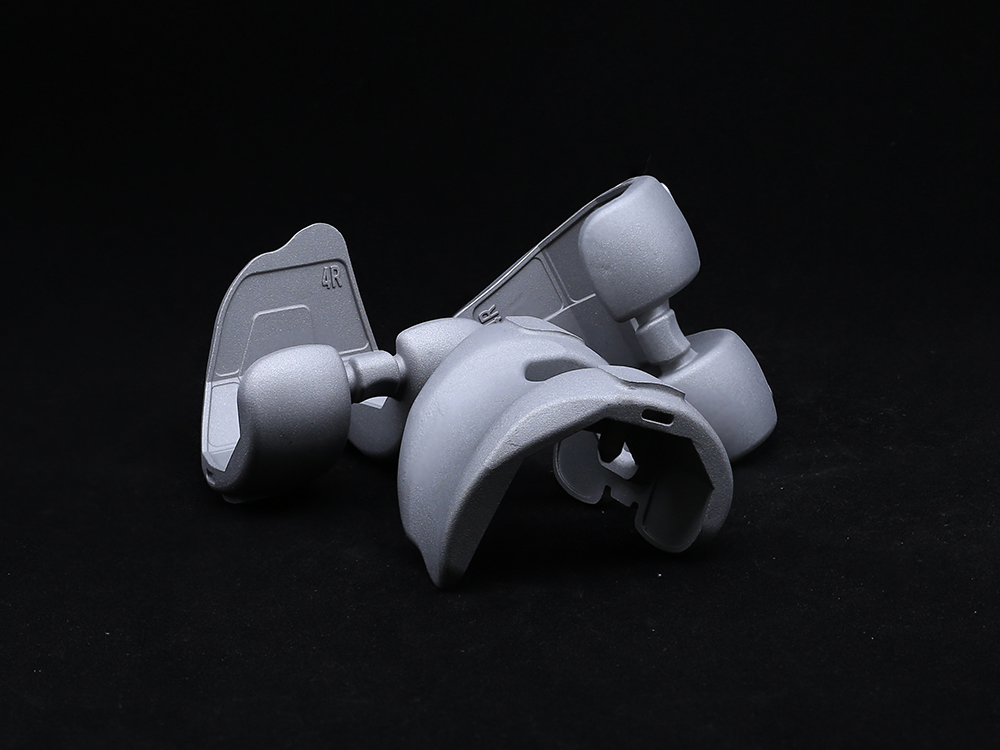 Femoral CondyleНаша система Half Platform розроблена для забезпечення модульної універсальності в процедурах заміни суглобів, особливо для кульшового та колінного суглобів. Вона дозволяє хірургам поєднувати компоненти з різних систем імплантів, зберігаючи біомеханічну цілісність та хірургічну ефективність.
 -
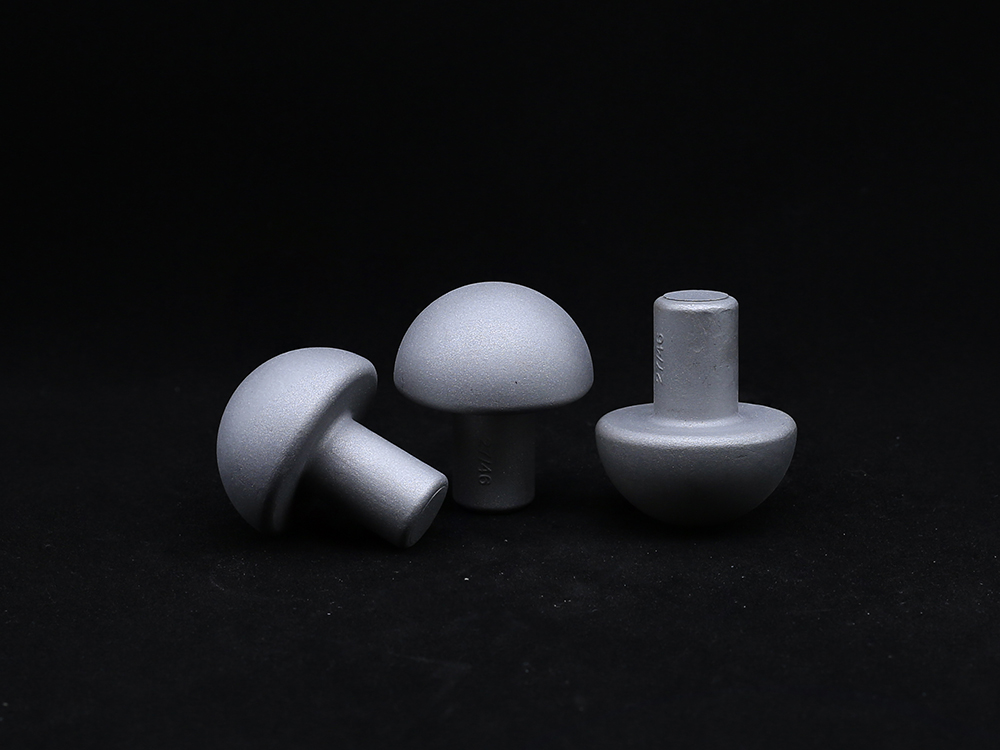 Головка плечової кісткиДоступні в різних діаметрах та зміщеннях, вони розроблені для врахування різних анатомічних особливостей пацієнтів та забезпечення належного натягу м’яких тканин. Кожна головка плечової кістки точно виготовлена з високоміцних кобальтово-хромових або керамічних матеріалів, що забезпечує чудову зносостійкість та біосумісність.
 -
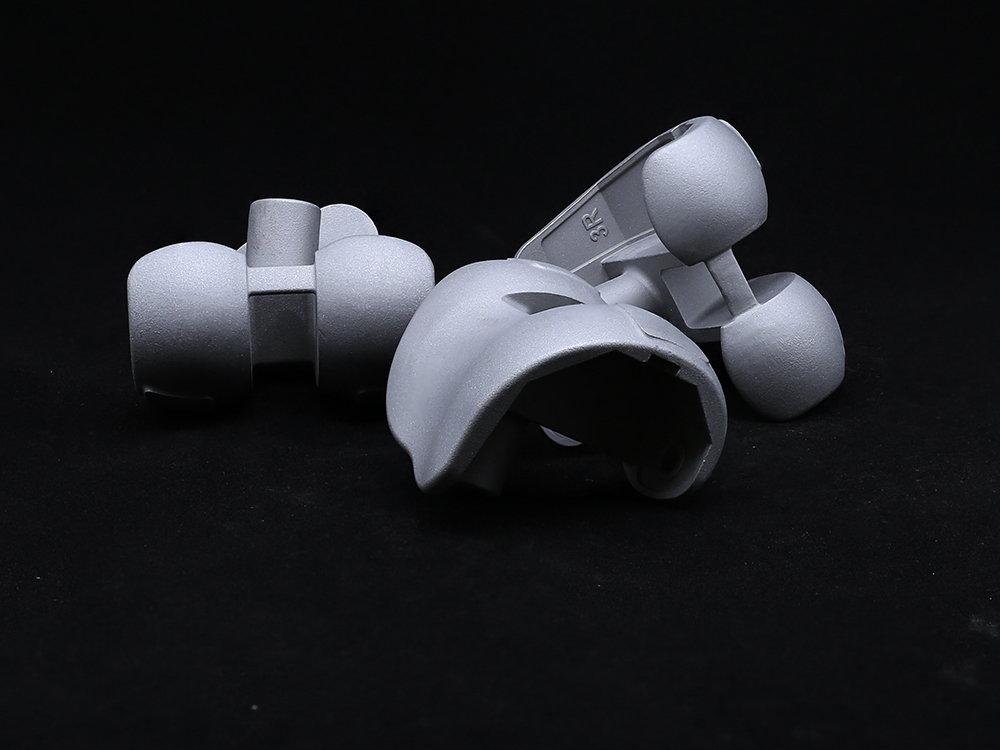 Ревізія виростка стегнової кісткиРевізійний виросток стегнової кістки розроблений для використання під час операцій з ревізії коліна, забезпечуючи надійні рішення для пацієнтів, яким потрібна реконструкція суглоба через відмову, розхитування або знос імплантату. Виготовлений з біосумісних матеріалів, таких як кобальтово-хромовий сплав, ревізійний виросток відрізняється підвищеною міцністю та стійкістю до зносу. Його конструкція включає оптимізовану геометрію для відновлення належної функції та вирівнювання коліна, забезпечуючи надійну фіксацію навіть у випадках значної втрати кісткової тканини.
 -
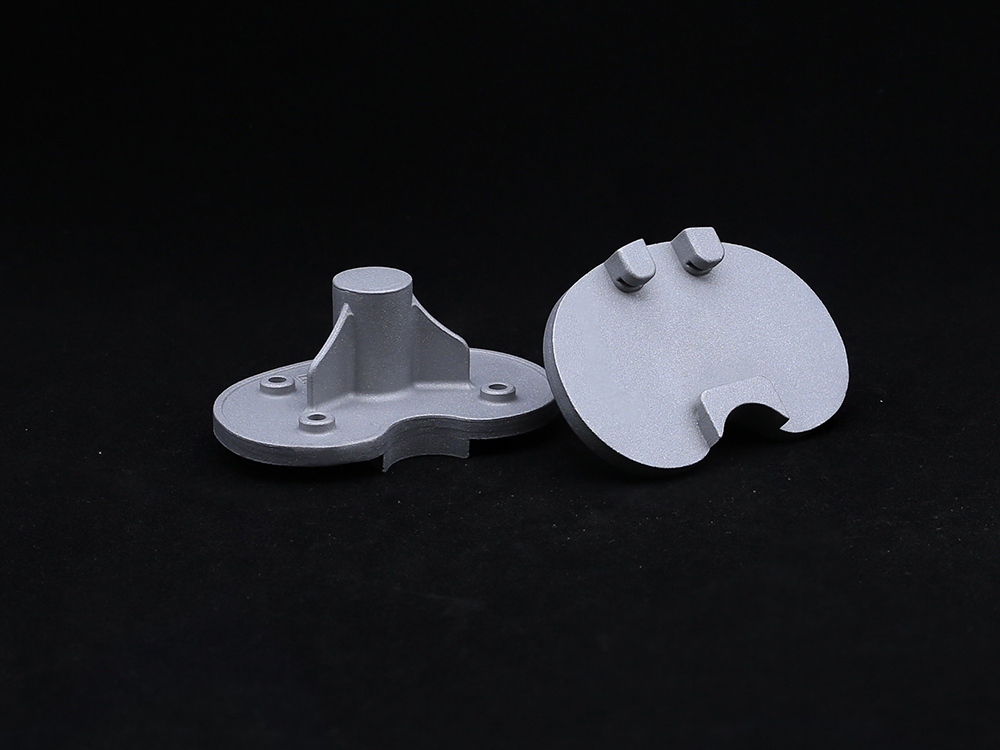 Оновлена платформаЦя платформа, ретельно оброблена відповідно до найвищих стандартів якості та безпеки, ідеально підходить для пацієнтів, яким потрібні повторні операції, або тих, хто шукає сталий варіант.
 -
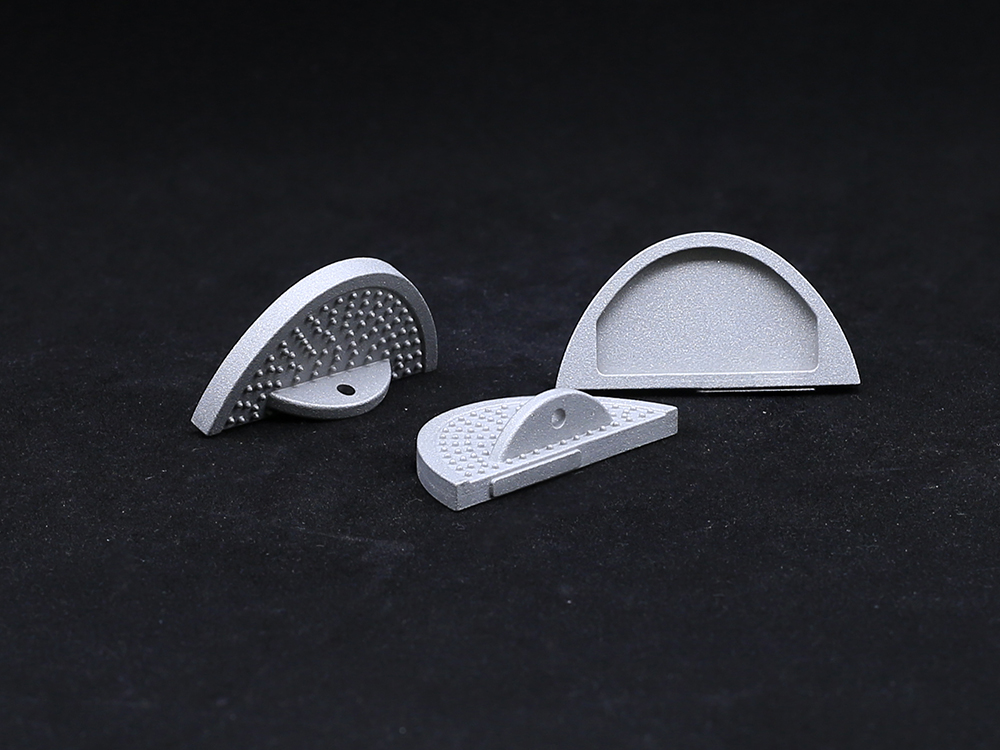 Платформа Bump HalfВиготовлена з біосумісних, високоміцних матеріалів, таких як титан або кобальт-хромові сплави, вона забезпечує довговічність та тривалу експлуатацію. Ідеально підходить для заміни колінного, кульшового або інших суглобів, платформа Bump Half Platform підвищує хірургічну ефективність, мінімізує потреби в інвентаризації та забезпечує надійні клінічні результати з оптимальним вирівнюванням та функціонуванням суглобів.
 -
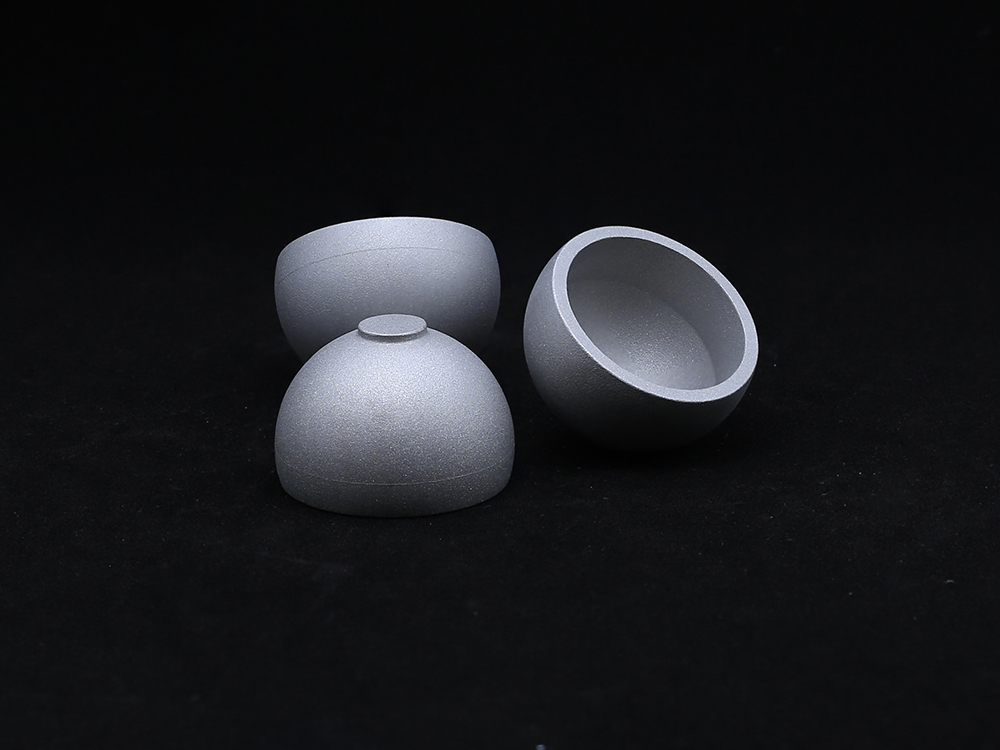 Металевий кубокНаша металева чашка є критично важливим компонентом систем ендопротезування кульшового суглоба, розробленим для забезпечення міцної та надійної основи для імплантату вертлюжної западини. Виготовлена з високоміцних матеріалів, таких як титановий сплав або кобальт-хром, металева чашка пропонує чудову зносостійкість, стійкість до корозії та довготривалу стабільність. Її анатомічна конструкція забезпечує правильне вирівнювання та розподіл навантаження, а обробка поверхні сприяє оптимальній фіксації кістки.
 -
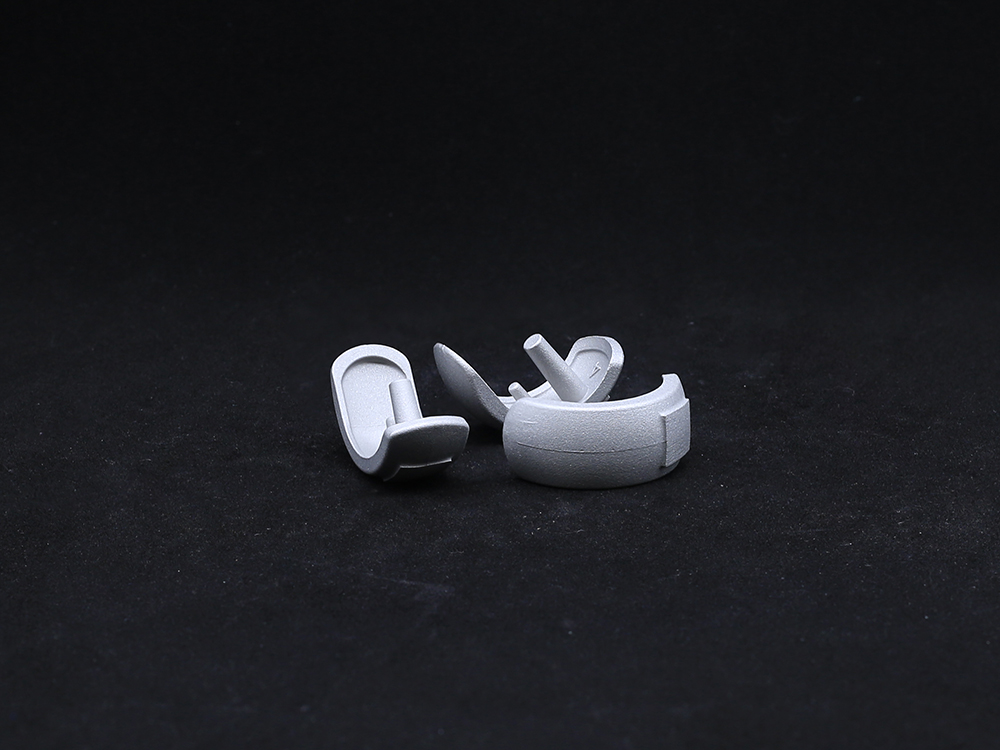 ПівколінаЦе малоінвазивне рішення зберігає здорові структури кісток, зв'язок та суглобів, забезпечуючи швидше відновлення та більш природну кінематику коліна. Система включає стегнові та великогомілкові компоненти, виготовлені з міцних кобальт-хромових сплавів, та зносостійкі поліетиленові вставки.
 -
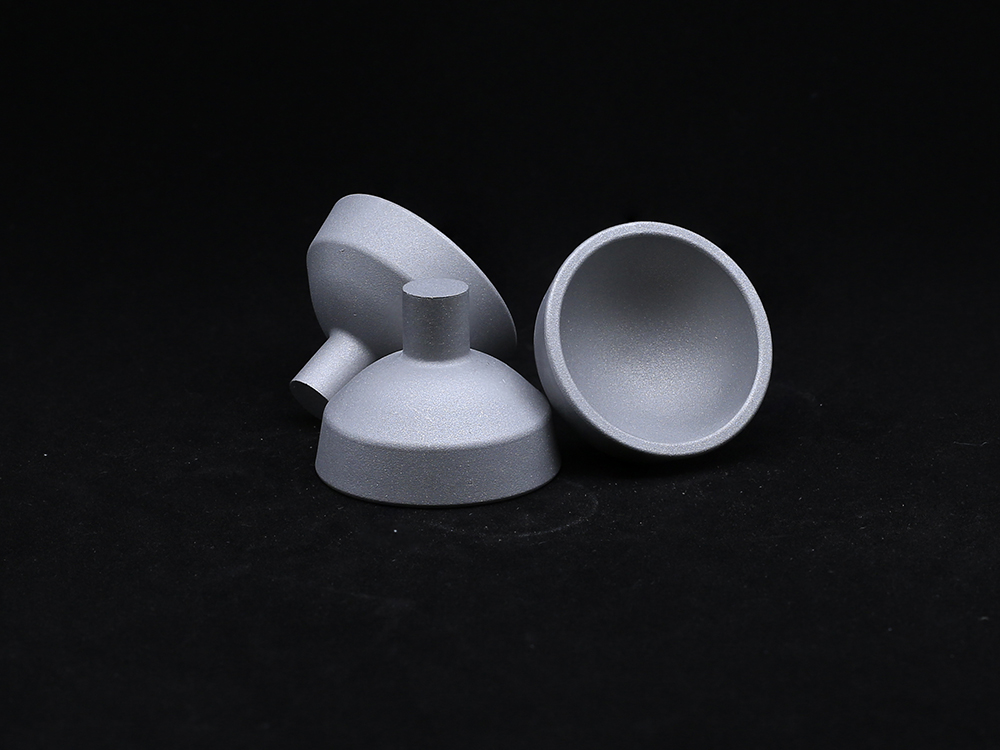 Ацетабулярна чашкаВиготовлена з високоміцних матеріалів, таких як титановий сплав або кобальт-хром, чашка вертлюжної западини забезпечує довговічність, стійкість до корозії та тривалий термін служби. Її анатомічна форма сприяє оптимальному вирівнюванню та розподілу навантаження, зменшуючи знос опорних поверхонь.
 -
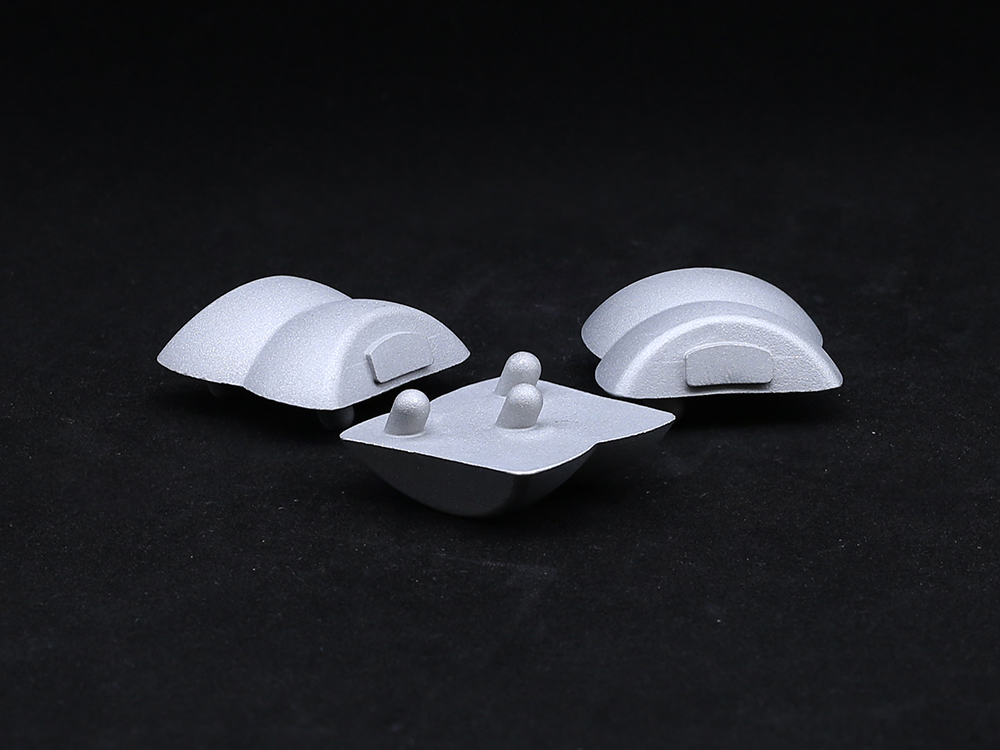 ТалусВибираються титанові сплави або матеріали PEEK, що відповідають міжнародним медичним стандартам, характеризуючись як міцністю, так і біосумісністю, що ефективно знижує ризик відторгнення та сприяє інтеграції кістки.
 -
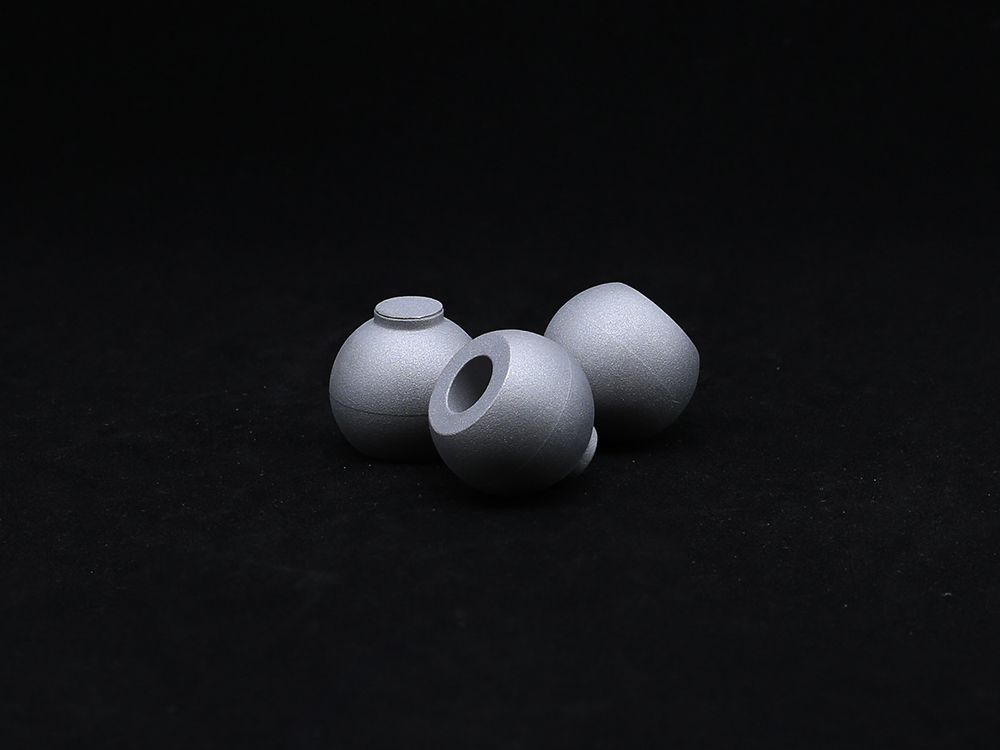 Кульова головкаНаш кульовий головний компонент призначений для використання в процедурах заміни суглобів, зокрема, при ендопротезуванні кульшового та плечового суглобів. Виготовлений з високоміцних матеріалів, таких як кобальтово-хромовий сплав або кераміка, кульовий головний компонент забезпечує чудову зносостійкість та довговічність.
 -
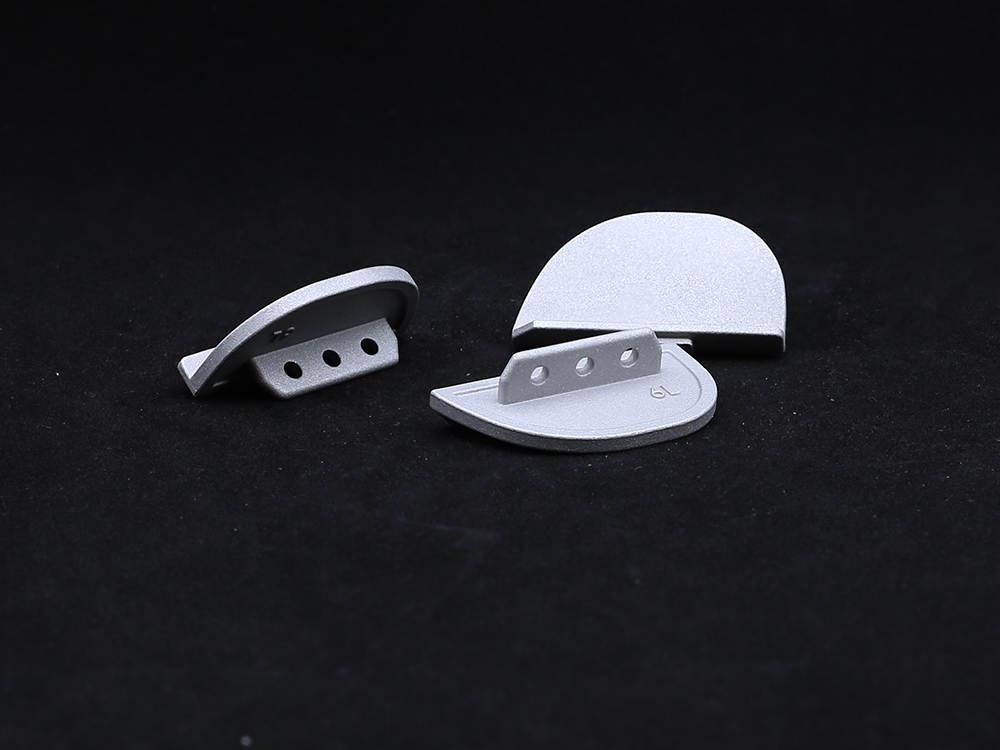 Unilateral Tibial PlateauThe unilateral tibial plateau is an orthopedic implant used in partial knee arthroplasty to replace the damaged medial or lateral tibial joint surface, thereby restoring function, relieving pain, and ensuring knee stability.
 -
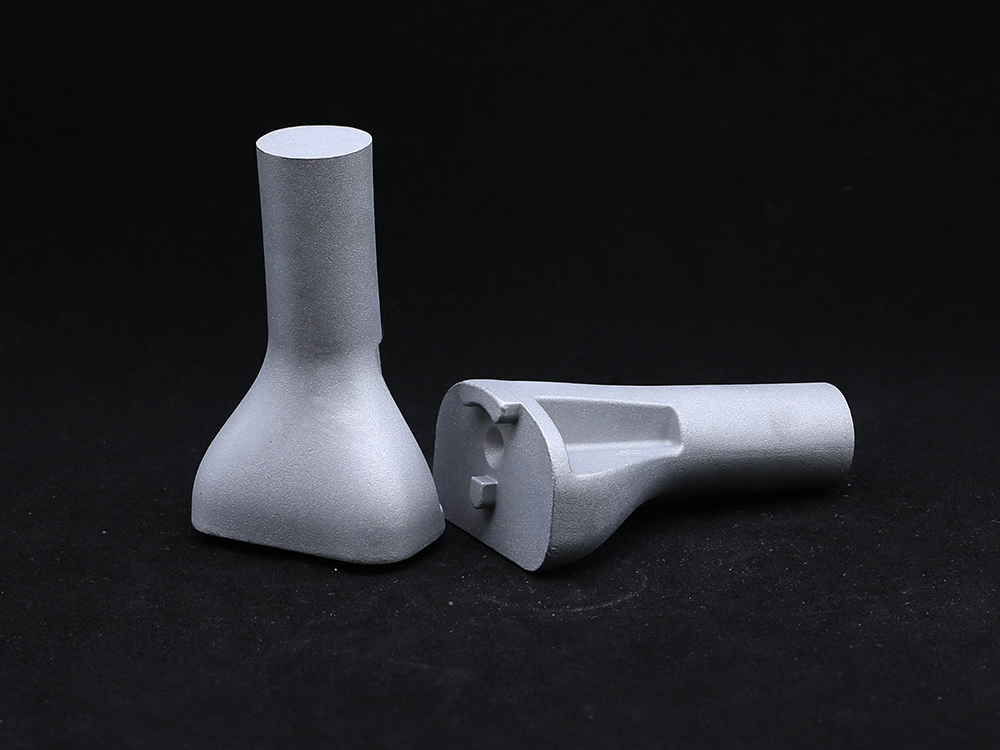 Великогомілкове платоДоступні як у конфігураціях з фіксованими, так і з рухомими опорами, імплантати включають модульні опорні пластини та поліетиленові вставки для врахування різних анатомічних особливостей пацієнтів та хірургічних технік.
Get a Custom Solution!
Contact Us To Provide You With More Professional Services
Talus-Cobalt-Chromium-Molybdenum Alloy Ankle Joint Blank|High-Strength Biocompatible Material
Introducing Талус, the latest breakthrough in artificial joint manufacturing. Developed by Hebei RuiYiYuanTong Technology Co., Ltd., Talus represents a significant advancement in orthopedic solutions through its use of high-performance cobalt-chromium-molybdenum (CoCrMo) alloy. This article explores the technical specifications, clinical advantages, and real-world applications of Talus, supported by authoritative references from the National Institute of Standards and Technology (NIST).
Product Overview
Talus is a precision-engineered cobalt-chromium-molybdenum alloy ankle joint blank designed to serve as the foundation for manufacturing high-quality artificial joints. Its development aligns with international medical standards, ensuring both functional reliability and biological compatibility. The product's core attributes include:
- Exceptional mechanical strength
- Superior biocompatibility
- High-precision manufacturing
- Compliance with YY0117.3-2005 and ISO5832-4 standards
Technical Specifications
| Parameter | Specification |
|---|---|
| Material Composition | Cobalt-Chromium-Molybdenum Alloy |
| Manufacturing Process | Lost Wax Casting |
| Dimensional Tolerance | ±0.3 mm |
| Surface Finish | Off-white Sheen (Polished) |
| Compliance Standards | YY0117.3-2005, ISO5832-4 |
Key Advantages
Talus offers several critical benefits that distinguish it from conventional artificial joint materials:
1. Mechanical Performance
The CoCrMo alloy used in Talus exhibits remarkable fatigue resistance and wear resistance, making it ideal for load-bearing applications. According to NIST's materials research, CoCrMo alloys demonstrate superior performance in high-stress environments, with a tensile strength exceeding 1,000 MPa and a hardness of 350-400 HV.
2. Biocompatibility
Extensive testing confirms Talus's biocompatibility with human tissues. The alloy's chemical stability minimizes the risk of adverse reactions, as noted in NIST's biomaterials standards. This characteristic is crucial for long-term implant integration and patient safety.
3. Precision Manufacturing
The lost wax casting process ensures dimensional accuracy with a tolerance of ±0.3 mm. This precision facilitates seamless integration with surgical techniques, reducing the need for intraoperative adjustments.
4. Regulatory Compliance
Talus meets both YY0117.3-2005 (Chinese standard for orthopedic implants) and ISO5832-4 (International Organization for Standardization). These certifications validate its safety and efficacy in clinical settings.
Applications in Orthopedic Surgery
Talus is specifically designed for ankle joint replacement procedures, addressing the unique challenges of this anatomical region. Its applications include:
- Post-traumatic arthritis treatment
- Severe osteoarthritis management
- Reconstructive surgery for complex fractures
- Customized joint prostheses for patient-specific anatomy
The material's corrosion resistance ensures long-term durability in the moist, dynamic environment of the human body. Clinical studies cited in NIST's biomedical research database highlight the longevity of CoCrMo implants, with success rates exceeding 90% over 10-year follow-ups.
Company Background
Hebei RuiYiYuanTong Technology Co., Ltd. is a leading manufacturer of advanced orthopedic materials, specializing in the development of high-performance alloys for medical applications. The company's commitment to innovation is reflected in its state-of-the-art facilities and rigorous quality control processes.
As a key player in the medical device industry, Hebei RuiYiYuanTong adheres to international standards while maintaining a focus on cost-effective solutions for global healthcare providers. Their product line includes various orthopedic alloys, with Talus representing their flagship offering in ankle joint technology.
Industry Impact and Future Prospects
Talus's introduction marks a significant milestone in orthopedic innovation. By combining material science advancements with precision engineering, the product addresses critical challenges in joint replacement surgery. Its potential applications extend beyond ankle joints, with ongoing research exploring its use in other load-bearing orthopedic implants.
The integration of additive manufacturing techniques with CoCrMo alloys could further enhance Talus's capabilities, enabling customized implants with optimized biomechanical properties. As noted in NIST's additive manufacturing guidelines, such innovations are poised to revolutionize personalized orthopedic care.
Висновок
Talus exemplifies the convergence of material science and medical technology, offering a reliable solution for modern orthopedic challenges. Its combination of superior mechanical properties, biocompatibility, and precision manufacturing positions it as a preferred choice for surgeons and patients alike. As the demand for durable, safe, and effective orthopedic implants continues to grow, Talus stands at the forefront of this critical healthcare innovation.
References
NIST Reference: National Institute of Standards and Technology. (n.d.). Materials and Biomedical Research. Retrieved from https://www.nist.gov
Standards Compliance: YY0117.3-2005, ISO5832-4. (n.d.). International Organization for Standardization. Retrieved from https://www.iso.org


