- Tel: +8613911709825 /
- Email: ry@rays-casting.com /

High-Quality Total Knee Replacement Tka Implants: Custom Orthopedic Hardware Manufacturer
High-Quality Total Knee Replacement Tka Implants: Custom Orthopedic Hardware Manufacturer
Orthopedic Supply Chain & Sourcing Directory
For international medical device distributors, healthcare brand managers, and B2B procurement professionals, optimizing the upstream supply chain for arthroplasty hardware is critical to capturing high-margin hospital tenders. As healthcare networks adapt to manage escalating joint degeneration cases globally, the demand for premium-grade internal fixation implants continues to surge. Strategic purchasing agents must partner with specialized manufacturing facilities that offer certified material engineering, strict QA/QC pass rates, and cost-effective bulk pricing structures to sustain a distinct competitive advantage.
Global Market Demand & Healthcare Tender Economics
Demographic trajectories indicate that the global market for joint reconstruction components is experiencing a massive volume expansion. United Nations demographic analyses indicate that the population aged over 60 will double by 2050, resulting in a parallel surge in severe knee osteoarthritis. According to the World Health Organization, osteoarthritis stands as one of the leading drivers of physical disability worldwide, creating immense economic pressure on healthcare systems in both developed and emerging economies.
Untreated joint degradation correlates directly with rising public healthcare expenditures and lost workforce productivity. For medical brand owners and international distributors, this macro-shift highlights the commercial necessity of establishing stable OEM/ODM factory partnerships. Sourcing direct from an advanced casting and machining facility in China allows B2B buyers to insulate their operations from logistical volatility, control raw material surcharges, and offer aggressive tiered pricing to win regional public healthcare procurement bids.
"Upstream supply chain resilience for joint reconstruction lines depends on absolute metallurgical traceability and tight tolerances. Partnering with a factory providing CE-certified and FDA-compliant hardware minimizes product liability and ensures institutional acceptance."
OEM Manufacturing Precision & Alignment Engineering
In the high-precision world of medical device fabrication, internal fixation implants must match strict anatomical parameters to ensure flawless biomechanical articulation. When orthopedic networks plan clinical programs, they require components optimized for a flawless total knee replacement tka to ensure stable long-term survivorship. To satisfy these institutional accounts, contract foundries must execute automated CNC milling and precision surface polishing to eliminate microscopic defects.
When procurement managers supply device networks that perform total knee replacement tka, implant durability under high cyclic fatigue is the primary metric of verification. Upstream manufacturing plants support this by investing in multi-axis machining technology, ensuring optimal batch-to-batch consistency for femoral components, tibial trays, and ultra-high-molecular-weight polyethylene bearing inserts.
Core Manufacturing Pillars Driving Device Excellence:
- Premium Metallurgy: Utilizing vacuum-melted Cobalt-Chromium (CoCr) alloys and medical-grade Titanium to guarantee implants withstand intense physical stress without structural failure.
- Advanced Cross-Linked Polymers: Incorporating highly cross-linked polyethylene inserts to dramatically reduce surface wear rates and maximize implant longevity to 15–20 years.
- Instrument Compatibility: Engineering components to integrate smoothly with standard manual instrumentation, computer-navigated platforms, and advanced robotic-assisted surgical systems.
- Cost-Effective Production: Deploying automated molding and machining setups to limit material waste, passing the direct savings to wholesale buyers via budget-friendly quotations.
Metallurgical Specifications & Quality Architecture
To help quality engineers and sourcing professionals evaluate technical vendor criteria, the table below outlines standard manufacturing specifications for commercial-grade total knee arthroplasty implants:
| Technical Specification | Industrial Material Standards & B2B Parameters |
|---|---|
| Material Architecture | CoCrMo Alloy (ISO 5832-4) for Femoral; Ti6Al4V ELI (ASTM F136) for Tibial Tray; UHMWPE (ASTM F648) for Inserts |
| Expected Fatigue Lifespan | 15 to 20 Years under standardized joint simulator loading conditions |
| Fixation Interfaces | PMMA Cemented Fixation options or Porous-Coated Cementless Press-Fit configurations |
| Sizing Modularity | Proportional multi-size scaling structures (Sizes 1–8) to fit varying patient anatomies |
| Sterilization Matrices | Validated Ethylene Oxide (EtO) gas or Gamma Irradiation protective packaging |
| Regulatory Compliance | Manufactured in ISO 13485 cleanrooms; CE Certified and FDA Compliant production lines |
Strategic Vendor Benchmarking & Cost Analysis
Evaluating the global implant vendor ecosystem requires comparing commercial markup tiers against direct factory performance. The matrix below highlights competitive dynamics across major supply sources:
| Supplier Category | Material Processing Quality | System Tooling Options | Wholesale Pricing & Customization |
|---|---|---|---|
| Tier-1 Global Brands | Standard Cobalt-Chromium Base | Proprietary robotic software ties | Premium tier pricing; inflexible private-label parameters |
| Advanced OEM/ODM Factories | ASTM-grade Ti-Alloys & UHMWPE | Universal manual/navigated kits | Cost-effective bulk pricing; flexible private label and custom MOQs |
| Basic Regional Foundries | Standard Unalloyed Metals | Basic single-use instrumentation | Low-price entry points; limited regulatory certifications |
Looking ahead, the orthopedic device manufacturing sector is moving quickly toward advanced customization and clean production. Modern manufacturing lines utilize specialized 3D metal printing to build advanced porous surfaces that mimic bone architecture, optimizing immediate press-fit stability. Furthermore, automated manufacturing monitoring ensures complete lot traceability, satisfying stricter hospital transparency guidelines across major procurement markets.
B2B Sourcing, Compliance, & Fulfillment FAQ
- Q1: How does your production facility guarantee batch consistency for large-scale implant sourcing?
- A: Our facility operates fully automated optical coordinate inspections and individual metallurgical heat lot traceability, guaranteeing that every delivery fulfills the precise dimensions required for medical deployment.
- Q2: What are the standard lead times for high-volume wholesale export deliveries?
- A: Standard OEM orders ship within 30 to 45 business days. Specialized private-label branding runs or custom sizing mold modifications require a 60-day production sequence, following technical schematic sign-off.
- Q3: Are your knee joint systems compatible with standard third-party surgical instrument kits?
- A: Yes, our implant lines are built to international sizing dimensions, ensuring complete compatibility with standard global insertion toolsets, trial blocks, and surgical instrument trays.
- Q4: Can we request complete fatigue and structural test data before executing a bulk purchase contract?
- A: Absolutely. We supply procurement partners with a thorough Free Sample qualification program alongside complete material test certificates, load-bearing simulation data, and sterile barrier validation documentation.
Streamline Your Orthopedic Procurement Channels
Securing a resilient, high-volume production source for joint reconstruction lines safeguards your medical business against unexpected logistics gaps and inflated product pricing. For international healthcare distributors, medical brand directors, and procurement networks searching for a premier manufacturing facility, exploring our technical catalogs and engineering capabilities at our centralized hub provides a direct path to optimizing your line margins: total knee replacement tka.
Acquire Factory-Direct Manufacturing Pricelists
Partner with an ISO 13485 certified China manufacturer to establish private-label lines, secure volume-based wholesale discounts, and request engineering product samples.
Contact Our Sourcing Engineers```
-
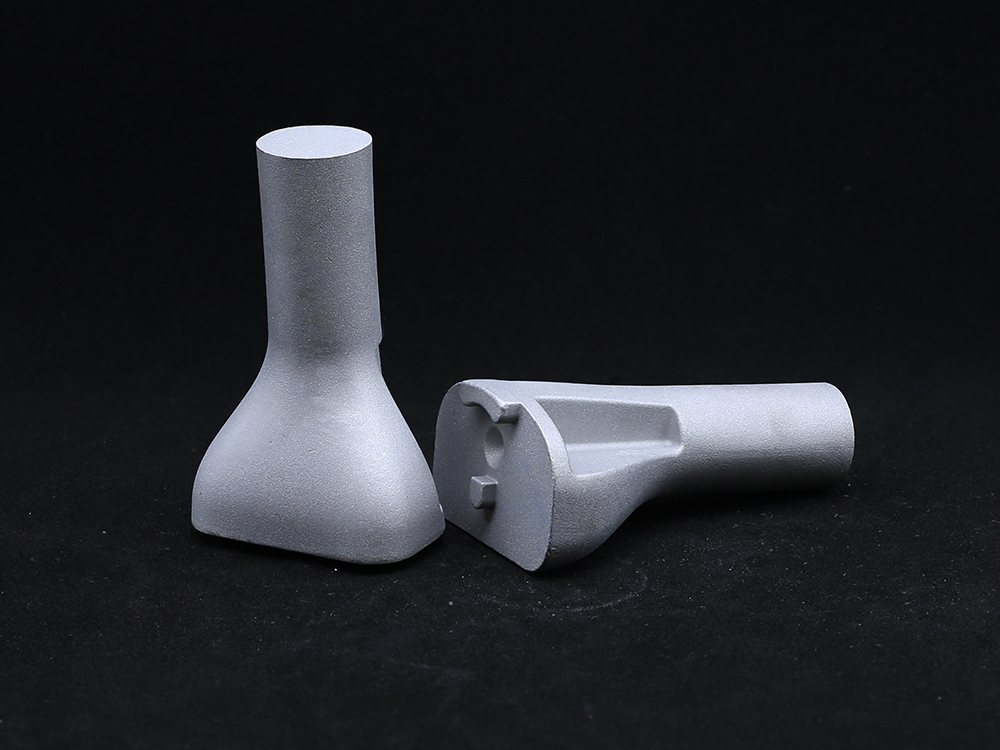 Tibial PlateauAvailable in both fixed-bearing and mobile-bearing configurations, the implants include modular baseplates and polyethylene inserts to accommodate various patient anatomies and surgical techniques.
-
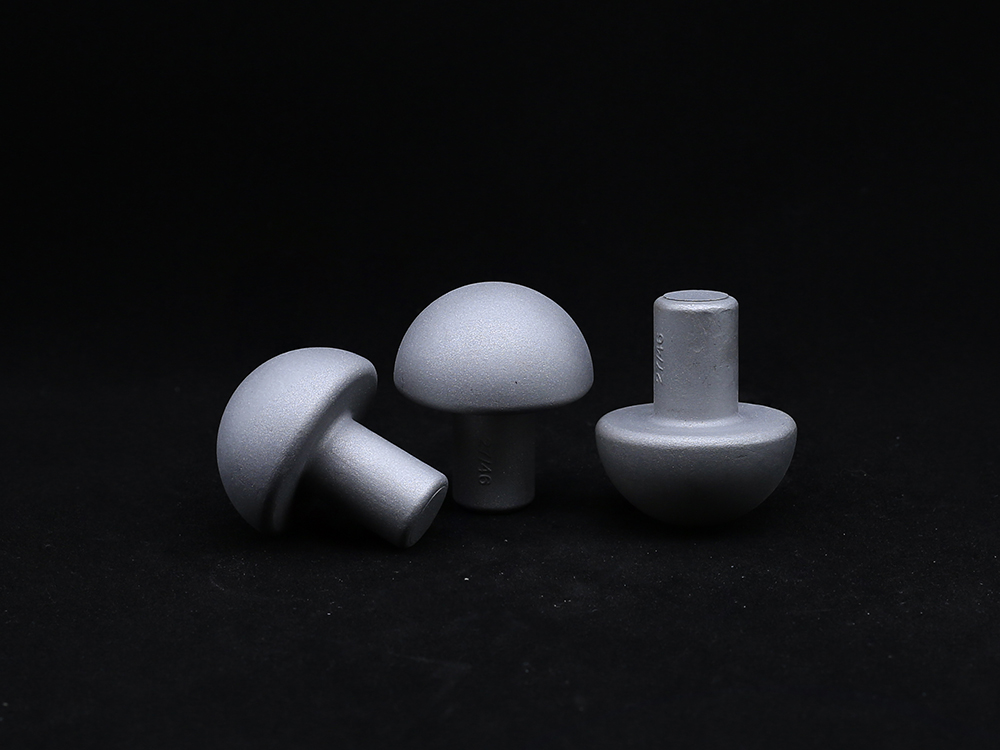 Humeral HeadAvailable in a range of diameters and offsets, they are designed to accommodate diverse patient anatomies and ensure proper soft tissue tensioning. Each humeral head is precisely machined from high-strength cobalt-chromium or ceramic materials, offering excellent wear resistance and biocompatibility.
-
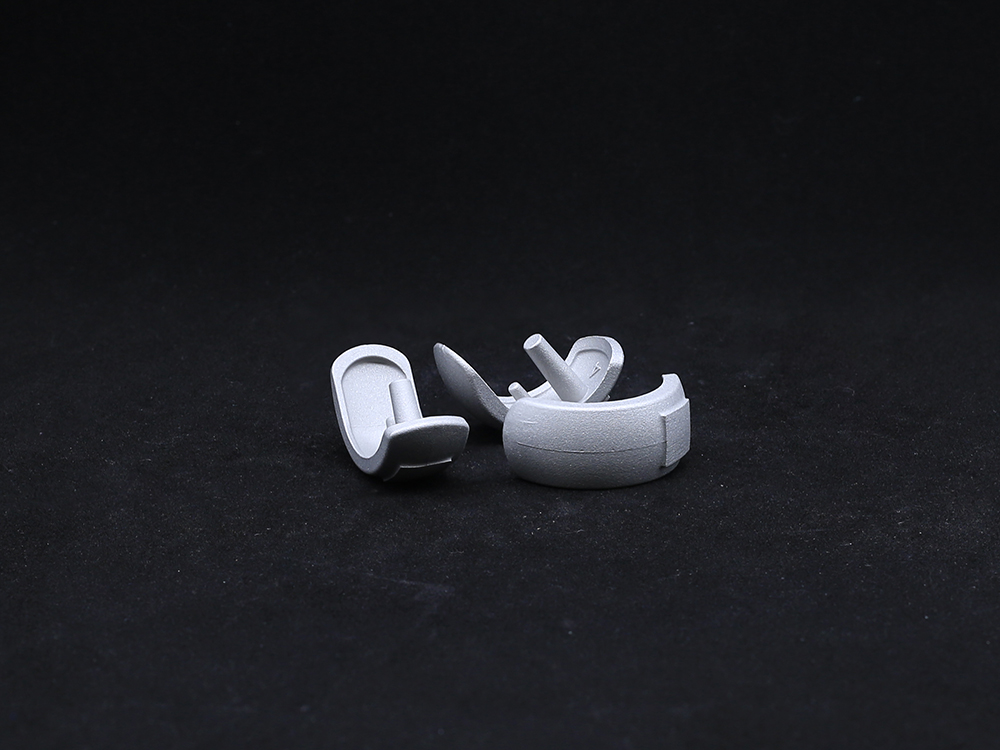 Half KneeThis minimally invasive solution preserves healthy bone, ligaments, and joint structures, enabling faster recovery and more natural knee kinematics. The system includes femoral and tibial components made from durable cobalt-chromium alloys and wear-resistant polyethylene inserts.
-
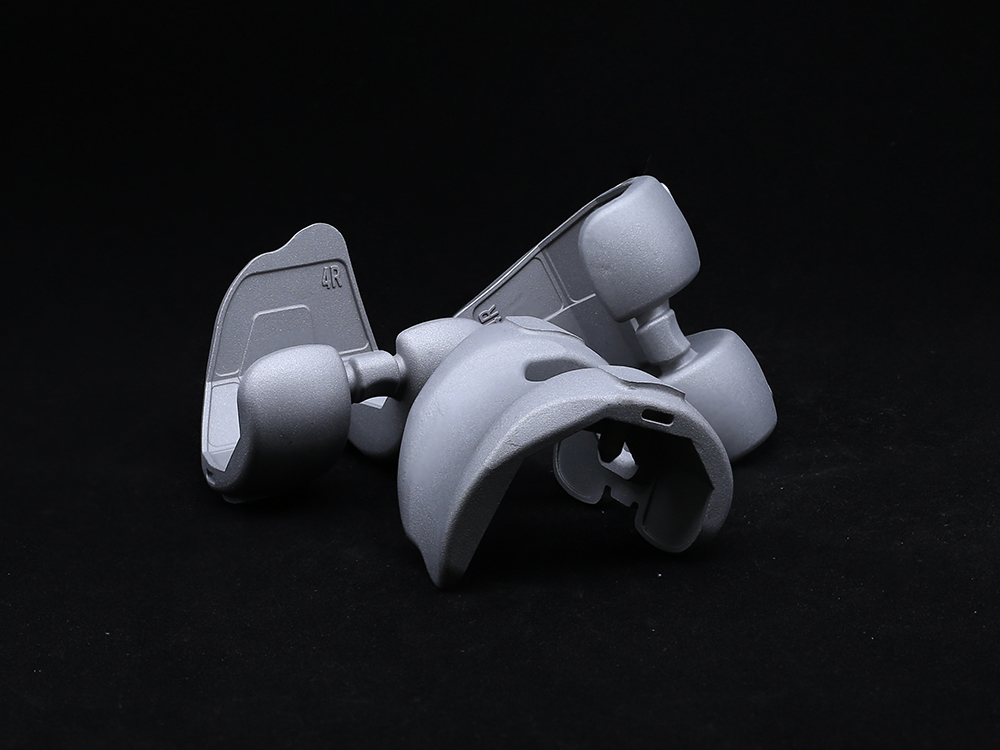 Femoral CondyleOur Half Platform system is designed to offer modular versatility in joint replacement procedures, particularly for hip and knee applications. It allows surgeons to combine components from different implant systems while maintaining biomechanical integrity and surgical efficiency.
-
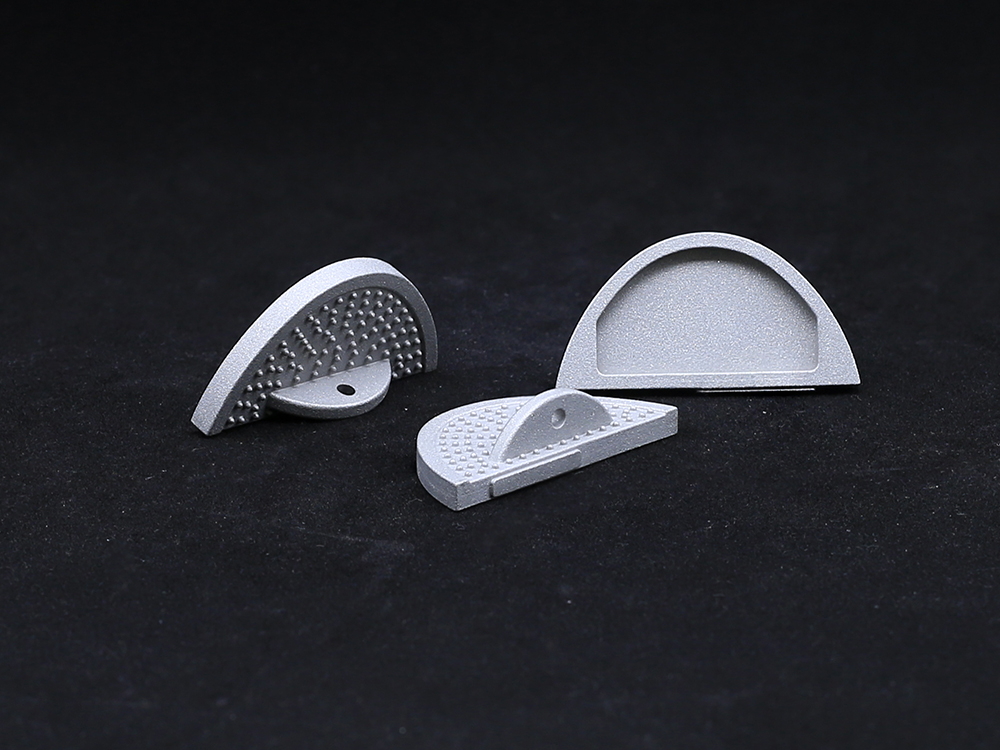 Bump Half PlatformManufactured from biocompatible, high-strength materials like titanium or cobalt-chromium alloys, it ensures durability and long-term performance. Ideal for knee, hip, or other joint replacements, the Bump Half Platform enhances surgical efficiency, minimizes inventory needs, and delivers reliable clinical outcomes with optimal joint alignment and function.
-
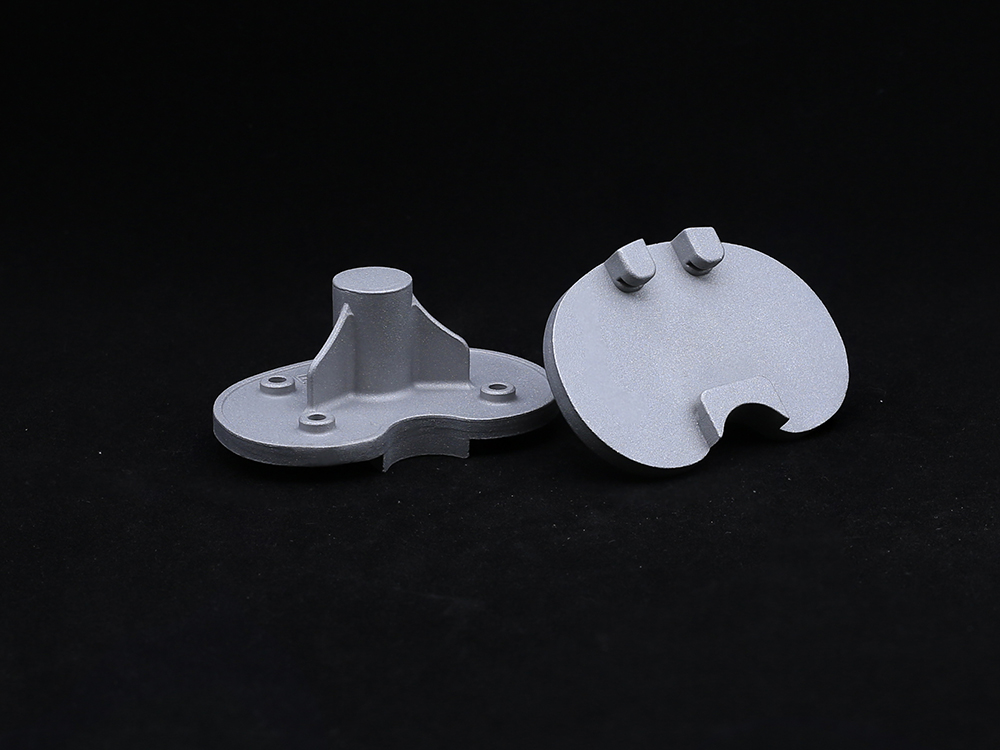 Refurbished PlatformCarefully Reprocessed To Meet The Highest Quality And Safety Standards, This Platform Is Ideal For Patients Requiring Revision Surgeries Or Those Seeking A Sustainable Option.
-
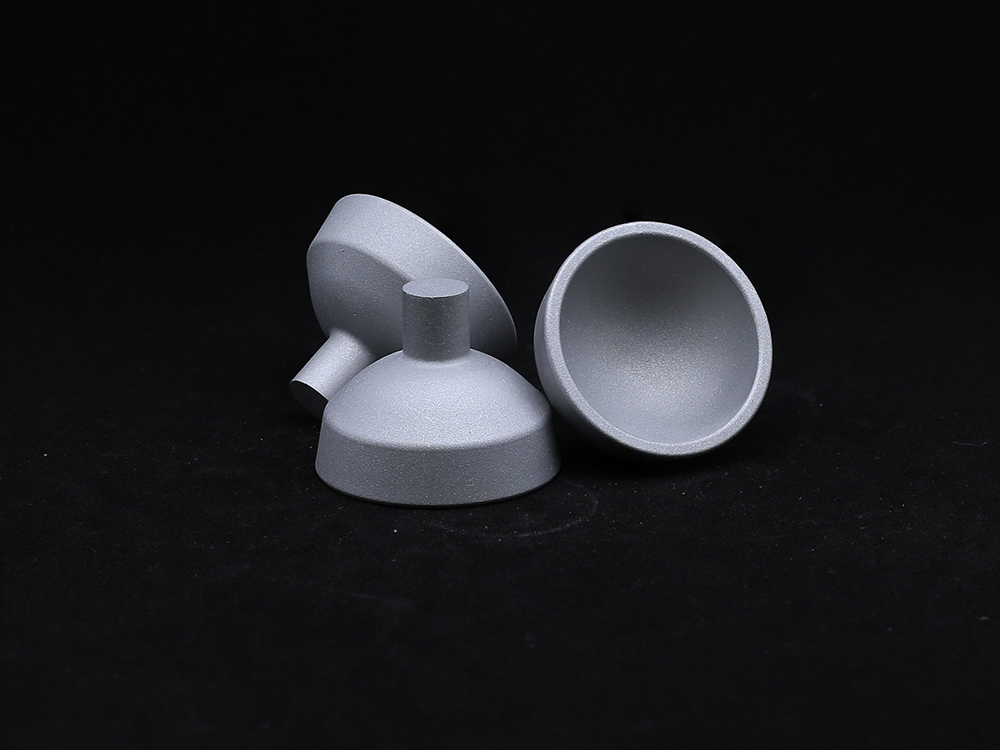 Acetabular CupMade from high-strength materials such as titanium alloy or cobalt-chromium, the Acetabular Cup ensures durability, corrosion resistance, and long-lasting performance. Its anatomical shape promotes optimal alignment and load distribution, reducing wear on bearing surfaces.
-
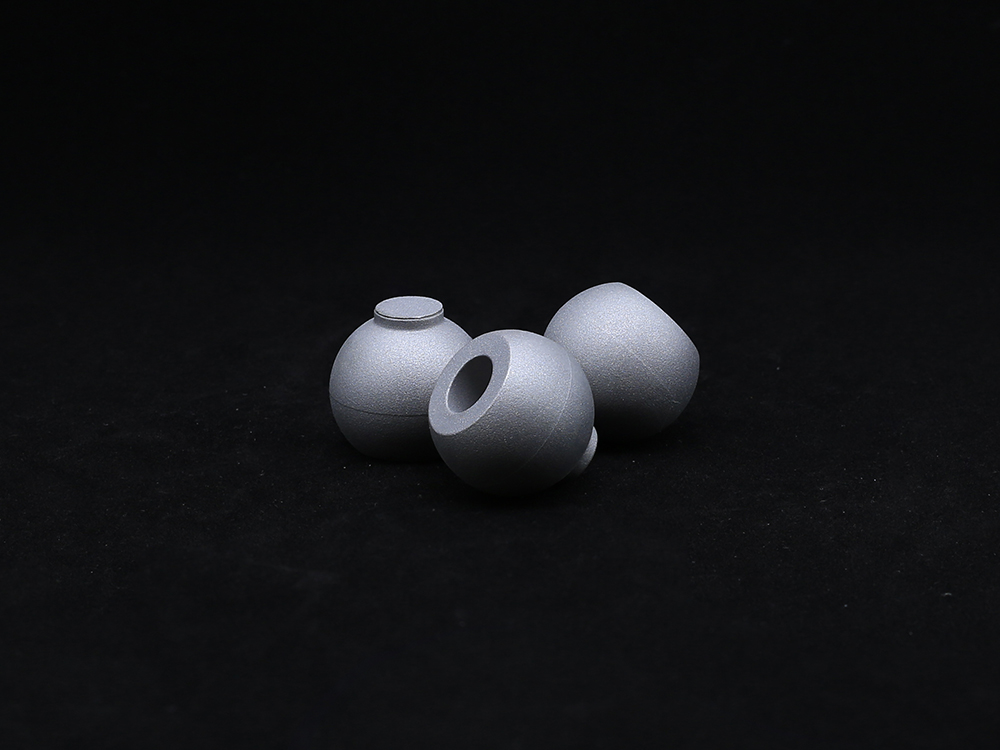 Ball HeadOur Ball Head component is designed for use in joint replacement procedures, particularly in hip and shoulder arthroplasty. Crafted from high-strength materials such as cobalt-chromium alloy or ceramic, the ball head ensures excellent wear resistance and long-term durability.
Get a Custom Solution!
Contact Us To Provide You With More Professional Services


