- Tel: +8613911709825 /
- Email: ry@rays-casting.com /

Humeral Head: Anatomy, Conditions, and Treatment Considerations
Humeral Head: Anatomy, Conditions, and Treatment Considerations
The shoulder is one of the most flexible joints in the human body, allowing a wide range of movements for everyday activities, sports, and occupational tasks. At the center of this complex structure is the humeral head, the rounded upper end of the humerus that connects with the glenoid cavity of the shoulder blade to form the glenohumeral joint.
Because the shoulder depends on smooth coordination between bones, cartilage, muscles, tendons, and ligaments, changes affecting the humeral head can significantly influence mobility and comfort. Conditions such as fractures, cartilage damage, degenerative joint disease, and avascular necrosis may compromise its structure and function. Understanding the anatomy and common problems associated with this part of the shoulder can help patients and healthcare professionals make informed decisions about diagnosis and treatment.

Understanding the Humeral Head and Its Role in Shoulder Function
The upper end of the humerus has a rounded surface known as the humeral head. It is covered by articular cartilage, which provides a smooth, low-friction surface where the bone interacts with the glenoid cavity. Together, these structures create the primary ball-and-socket joint of the shoulder.
The relatively large range of motion provided by this joint allows the arm to move forward, backward, sideways, and rotate internally or externally. However, this flexibility also means that the shoulder relies heavily on surrounding soft tissues for stability.
Several anatomical structures work together to support the humeral head. The rotator cuff muscles and tendons help maintain the position of the humeral head within the glenoid while producing controlled movement. The joint capsule, labrum, ligaments, and surrounding muscles also contribute to stability.
Damage to any of these structures can alter the normal biomechanics of the shoulder. For example, a fracture involving the upper humerus may affect the shape or position of the humeral head, while degenerative changes can gradually reduce joint function.
AVN Humeral Head: Causes, Symptoms, and Diagnosis
Avascular necrosis, commonly abbreviated as AVN, is a condition in which reduced blood supply causes bone tissue to deteriorate. When it affects the upper end of the humerus, the condition is often described as AVN humeral head.
The humeral head requires an adequate blood supply to maintain healthy bone tissue. If circulation is disrupted, bone cells may become damaged or die. In the early stages, structural changes may be difficult to detect through symptoms alone. As the condition progresses, the weakened bone can deform or collapse, potentially affecting the smooth function of the shoulder joint.
Several factors may be associated with humeral head AVN. These can include traumatic injury, certain medical treatments, excessive alcohol consumption, and conditions that interfere with blood circulation. In some cases, however, the underlying cause cannot be clearly identified.
Common symptoms may include persistent shoulder pain, stiffness, reduced range of motion, and discomfort during activities involving lifting or rotation of the arm. Because these symptoms can resemble other shoulder disorders, medical imaging is important for accurate evaluation.
X-rays can identify structural changes in more advanced disease, while magnetic resonance imaging may detect earlier changes before significant bone collapse occurs. Healthcare professionals may use imaging findings together with the patient's symptoms and medical history to determine the severity of the condition.
Left Humeral Head Problems and Clinical Evaluation
When imaging or a medical report refers specifically to the left humeral head, it simply identifies the upper portion of the humerus on the left side of the body. This distinction is important because shoulder conditions may affect one side independently or occur bilaterally.
Pain around the left shoulder can result from many different causes, including trauma, rotator cuff disorders, osteoarthritis, fractures, inflammatory conditions, or changes affecting the humeral head itself. Therefore, the location of pain alone is not enough to determine the underlying problem.
A clinical evaluation may include a physical examination, assessment of shoulder movement, strength testing, and a review of previous injuries or relevant health factors. Imaging studies can provide additional information about bone structure, joint alignment, cartilage condition, and possible abnormalities.
For patients experiencing persistent discomfort in the left shoulder, early assessment may help identify the cause before the condition becomes more difficult to manage. This is particularly important when symptoms follow an injury or when pain is accompanied by progressive stiffness or loss of function.
Treatment Options for Humeral Head Conditions
Treatment depends on the specific diagnosis, severity, age and activity level of the patient, and the condition of the surrounding shoulder structures. Not every humeral head problem requires surgery.
For mild or early-stage conditions, conservative management may include activity modification, physical therapy, pain management, and regular clinical monitoring. Physical therapy can help improve shoulder mobility and strengthen supporting muscles while avoiding movements that place excessive stress on the joint.
For some patients with structural damage or advanced disease, surgical treatment may be considered. Procedures vary according to the underlying condition. Fractures may require fixation to restore alignment, while severe joint degeneration or bone collapse may lead physicians to consider shoulder arthroplasty.
In cases involving AVN, treatment decisions are influenced by the stage of the disease. Preserving the natural joint may be considered when the humeral head has not significantly collapsed. When substantial structural damage has occurred, joint replacement may provide a way to restore function and reduce pain.
The most appropriate treatment should always be determined by a qualified orthopedic professional after reviewing clinical and imaging findings.
Protecting Shoulder Joint Health and Long-Term Function
Maintaining shoulder health involves more than treating symptoms after they appear. Proper management of injuries, appropriate exercise, and attention to persistent shoulder discomfort can all contribute to long-term joint function.
People involved in repetitive overhead activities or high-impact sports should use appropriate techniques and allow sufficient recovery between demanding activities. Strengthening the rotator cuff and other shoulder-supporting muscles can also help maintain joint stability.
For individuals with diagnosed shoulder conditions, following a rehabilitation program is particularly important. Gradual progression is generally preferable to returning immediately to strenuous activities, especially after injury or surgery.
When symptoms continue despite rest or conservative care, professional evaluation should not be delayed. Early diagnosis can help distinguish between soft-tissue problems and conditions affecting the bone or joint itself.
Frequently Asked Questions About the Humeral Head
What is the humeral head?
The humeral head is the rounded upper end of the upper-arm bone. It forms the ball component of the shoulder's main ball-and-socket joint and works with the glenoid cavity to provide extensive arm movement.
What does AVN humeral head mean?
It refers to avascular necrosis affecting the humeral head. Reduced blood flow can damage bone tissue and, in advanced cases, contribute to deformation or collapse of the bone.
Why might the left humeral head appear in an imaging report?
The term identifies the anatomical structure on the left side. Radiologists use such terminology to precisely describe the location of an observed abnormality, injury, or structural change.
Can humeral head conditions be treated without surgery?
Some conditions, particularly mild or early-stage problems, may respond to conservative approaches such as physical therapy, activity modification, and appropriate pain management. Treatment depends on the specific diagnosis and severity.
When should someone seek medical evaluation for shoulder pain?
Persistent pain, reduced range of motion, significant stiffness, or symptoms following an injury should be evaluated by a healthcare professional. Timely assessment can help identify the underlying cause and guide appropriate treatment.
-
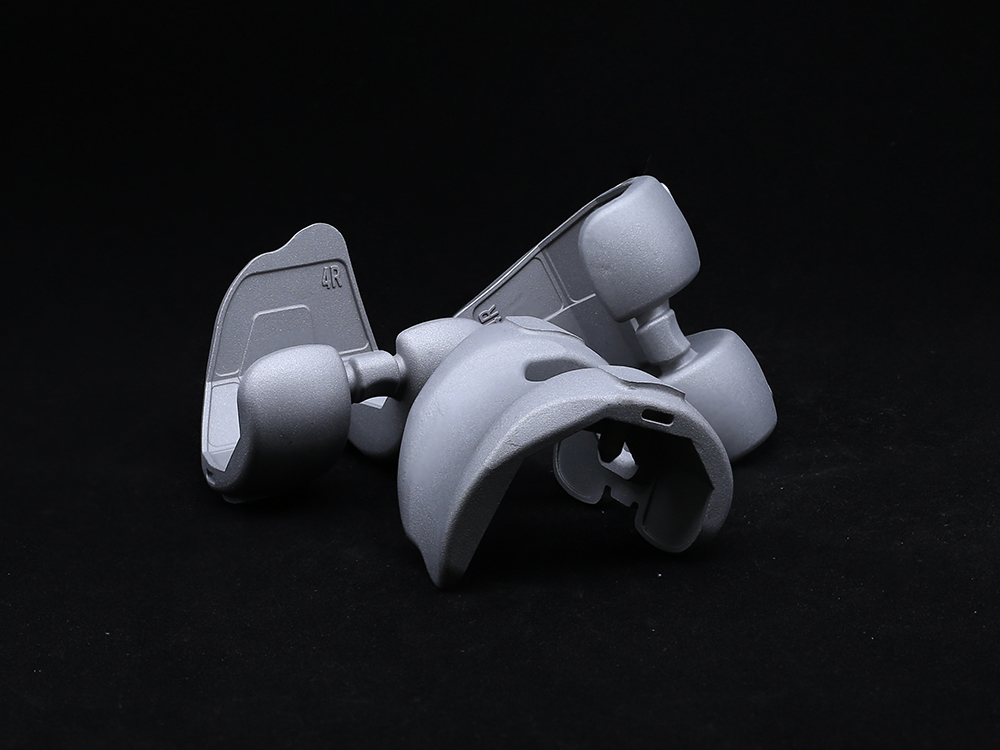 Femoral CondyleOur Half Platform system is designed to offer modular versatility in joint replacement procedures, particularly for hip and knee applications. It allows surgeons to combine components from different implant systems while maintaining biomechanical integrity and surgical efficiency.
-
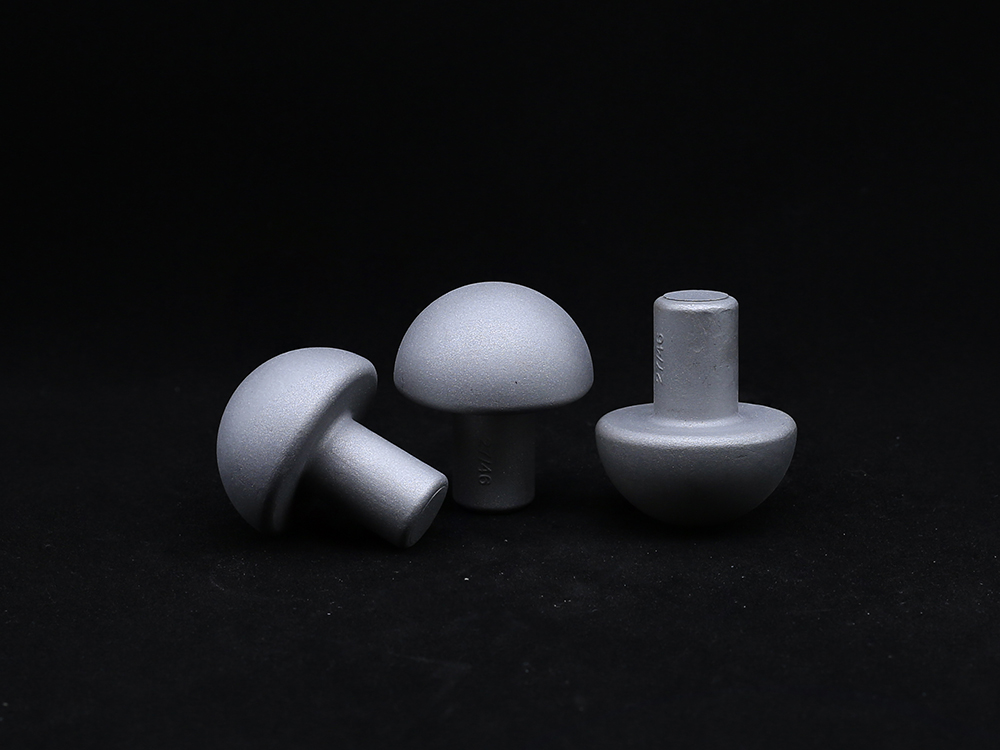 Humeral HeadAvailable in a range of diameters and offsets, they are designed to accommodate diverse patient anatomies and ensure proper soft tissue tensioning. Each humeral head is precisely machined from high-strength cobalt-chromium or ceramic materials, offering excellent wear resistance and biocompatibility.
-
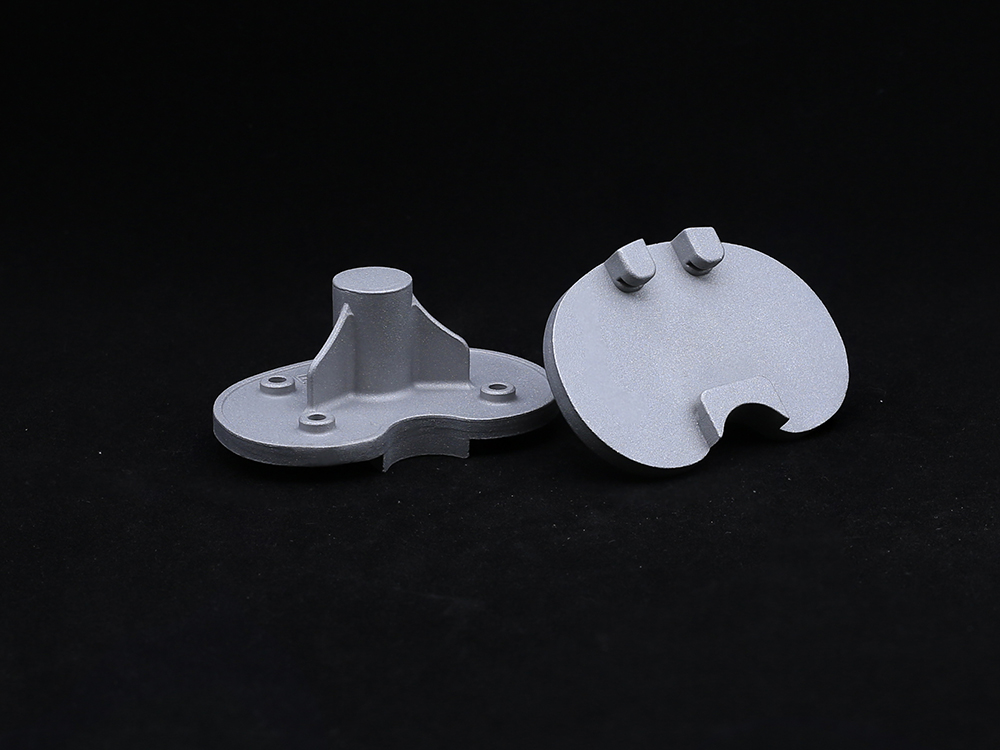 Refurbished PlatformCarefully Reprocessed To Meet The Highest Quality And Safety Standards, This Platform Is Ideal For Patients Requiring Revision Surgeries Or Those Seeking A Sustainable Option.
-
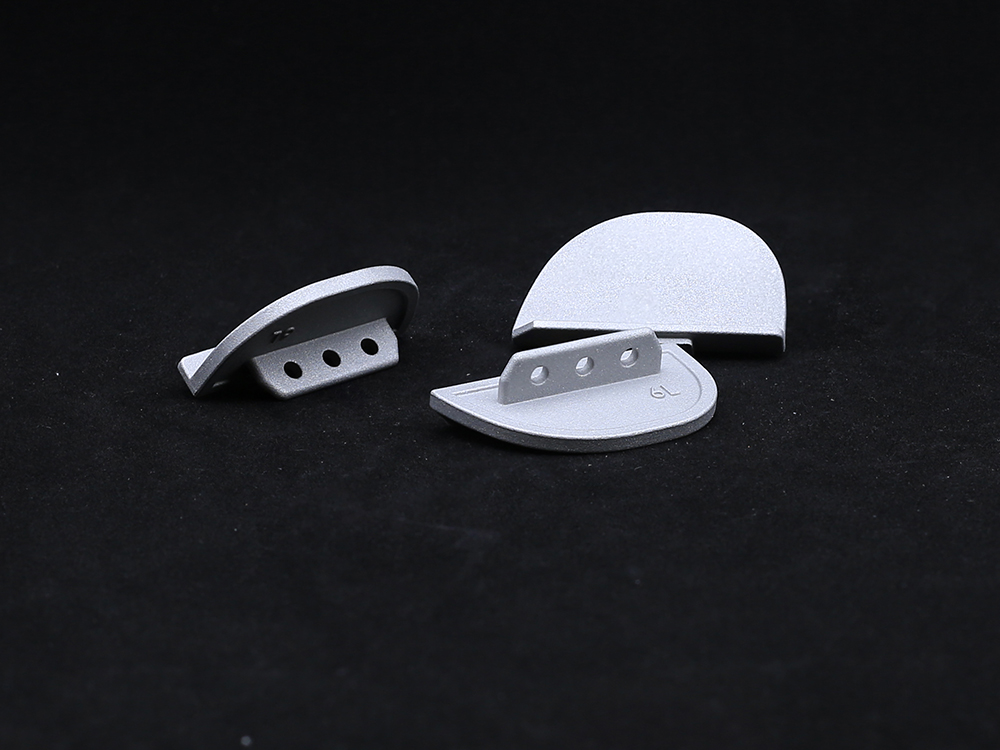 Unilateral Tibial PlateauThe unilateral tibial plateau is an orthopedic implant used in partial knee arthroplasty to replace the damaged medial or lateral tibial joint surface, thereby restoring function, relieving pain, and ensuring knee stability.
-
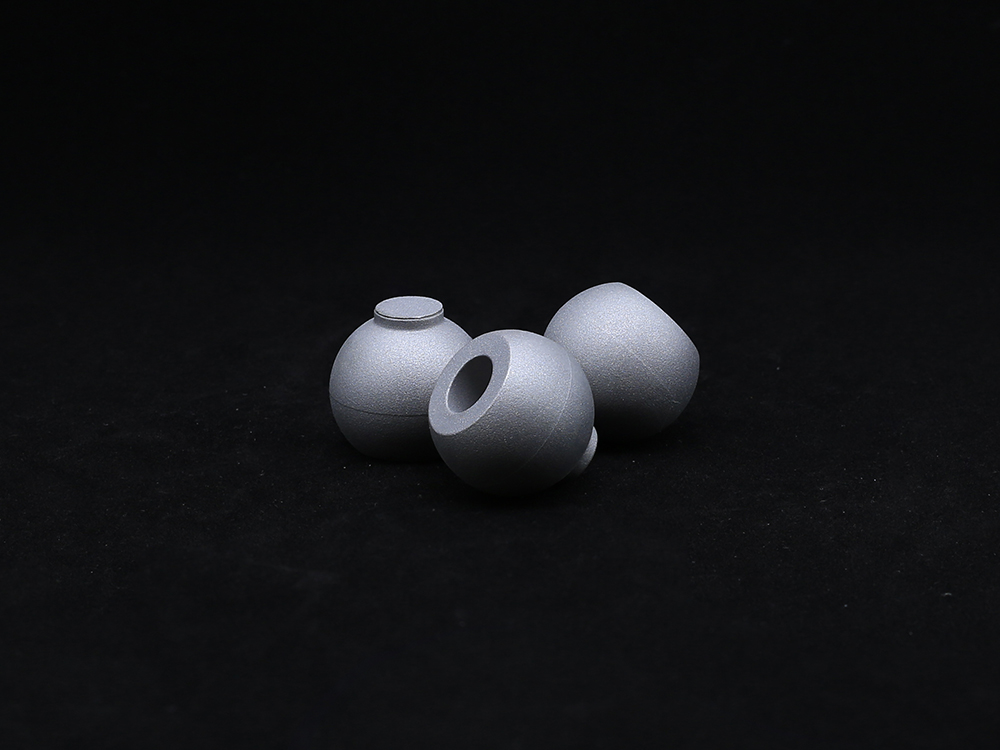 Ball HeadOur Ball Head component is designed for use in joint replacement procedures, particularly in hip and shoulder arthroplasty. Crafted from high-strength materials such as cobalt-chromium alloy or ceramic, the ball head ensures excellent wear resistance and long-term durability.
-
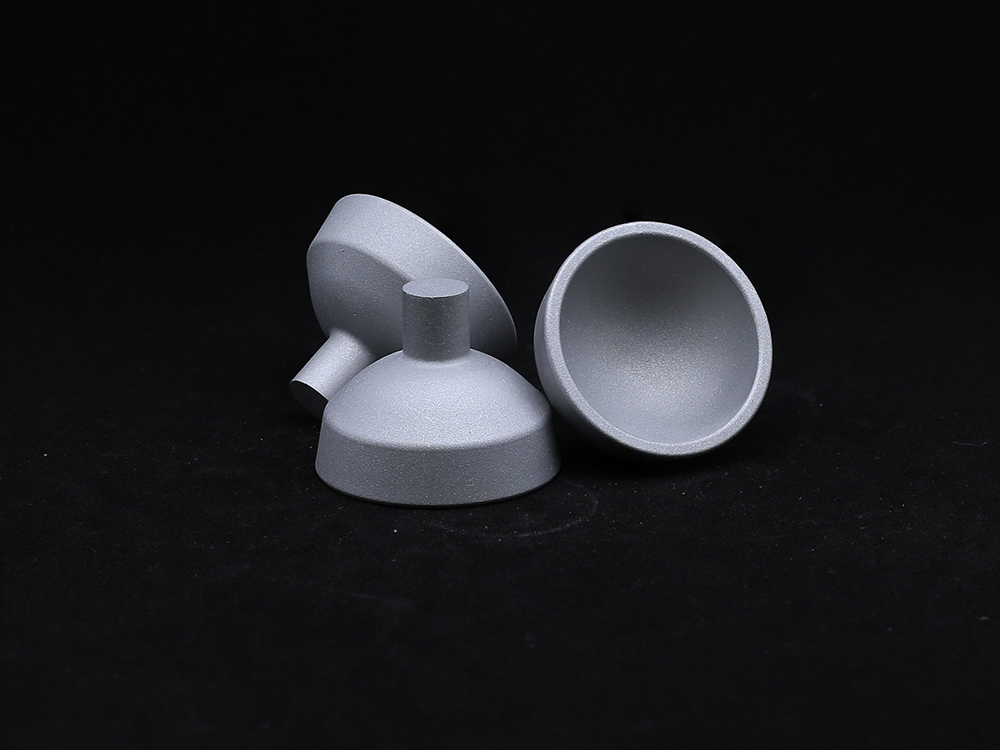 Acetabular CupMade from high-strength materials such as titanium alloy or cobalt-chromium, the Acetabular Cup ensures durability, corrosion resistance, and long-lasting performance. Its anatomical shape promotes optimal alignment and load distribution, reducing wear on bearing surfaces.
-
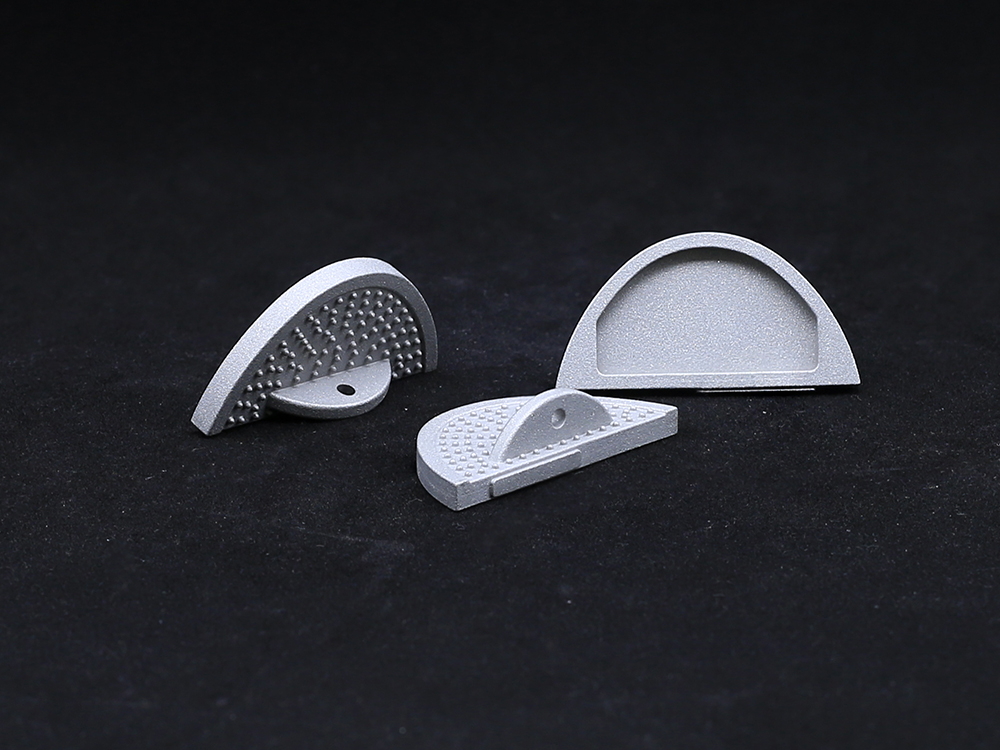 Bump Half PlatformManufactured from biocompatible, high-strength materials like titanium or cobalt-chromium alloys, it ensures durability and long-term performance. Ideal for knee, hip, or other joint replacements, the Bump Half Platform enhances surgical efficiency, minimizes inventory needs, and delivers reliable clinical outcomes with optimal joint alignment and function.
-
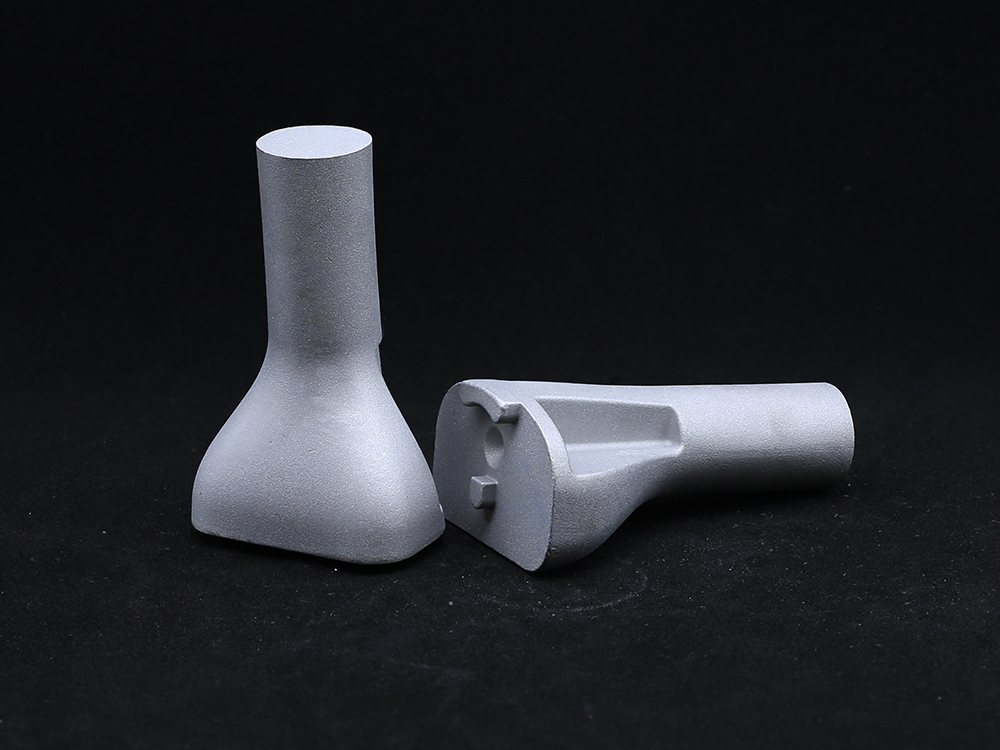 Tibial PlateauAvailable in both fixed-bearing and mobile-bearing configurations, the implants include modular baseplates and polyethylene inserts to accommodate various patient anatomies and surgical techniques.
Get a Custom Solution!
Contact Us To Provide You With More Professional Services


