- Tel: +8613911709825 /
- Email: ry@rays-casting.com /

Partial Knee Surgery and Partial Knee Replacement: Surgical Approaches and Key Considerations
Partial Knee Surgery and Partial Knee Replacement: Surgical Approaches and Key Considerations
Partial knee surgery is an established surgical option for treating osteoarthritis that is limited to a specific compartment of the knee. Unlike total knee arthroplasty, which replaces the entire joint surface, partial knee replacement focuses on the damaged compartment while preserving the remaining healthy bone, cartilage, and ligament structures.
From an orthopedic and implant perspective, this approach requires accurate assessment of joint degeneration, alignment, ligament integrity, and bone quality. Advances in implant design and surgical instrumentation have further improved the precision and reproducibility of compartment-specific knee replacement.

What Is Partial Knee Surgery and Partial Knee Replacement?
Partial knee surgery, also known as unicompartmental knee arthroplasty, involves replacing the articular surfaces of only the affected compartment of the knee. The procedure is generally considered when degenerative changes are localized rather than distributed throughout the joint.
The knee consists of three primary compartments: the medial compartment, lateral compartment, and patellofemoral compartment. Depending on the location and extent of cartilage degeneration, partial knee replacement can be designed to address the affected area while maintaining the function of the unaffected compartments.
Compared with total knee arthroplasty, this surgical approach preserves a greater amount of the patient's native anatomy. In particular, the cruciate ligaments may be retained when their function and structural integrity are suitable for the procedure.
The implant system generally consists of femoral and tibial components, with an appropriate bearing surface positioned between them. Proper component sizing, positioning, fixation, and alignment are important considerations for long-term implant performance.
Partial Knee Surgery Indications and Patient Selection
The effectiveness of partial knee surgery depends heavily on appropriate indications and accurate preoperative evaluation. The procedure is primarily considered for patients with disease confined to one knee compartment, while the remaining joint surfaces retain acceptable structural and functional conditions.
Important factors in evaluating candidates for partial knee replacement include:
Compartment-specific degeneration: Osteoarthritis should be predominantly localized to one compartment rather than involving the entire knee.
Ligament integrity: Functional cruciate and collateral ligaments are important for maintaining knee stability after surgery.
Joint alignment: Mechanical and anatomical alignment should be assessed to determine whether compartmental replacement is appropriate.
Bone quality: Adequate bone stock is necessary for reliable implant fixation and load transfer.
Range of motion: Preoperative knee mobility can influence surgical planning and postoperative functional expectations.
Radiographic examination, physical assessment, and other imaging techniques can be combined to determine the distribution of joint degeneration and evaluate the surrounding anatomical structures.
For orthopedic implant manufacturers and suppliers, these clinical requirements also highlight the importance of implant geometry, fixation technology, bearing materials, and instrumentation accuracy.
Key Design Considerations in Partial Knee Replacement
Modern partial knee replacement systems are designed around the biomechanical characteristics of the native knee. Implant geometry needs to accommodate the anatomy of the target compartment while maintaining appropriate contact between the femoral and tibial components.
Several technical characteristics are particularly important.
Implant Geometry
Femoral and tibial components require precise anatomical geometry to support appropriate joint movement and load distribution. Component design can influence contact mechanics, range of motion, and implant stability.
Fixation Methods
Depending on the implant system and surgical requirements, components may utilize cemented or cementless fixation. The choice of fixation technology is related to bone quality, implant design, surgical technique, and long-term fixation objectives.
Bearing Materials
The polyethylene bearing serves as an important articulating component in many unicompartmental knee systems. Material properties such as wear resistance, mechanical strength, and dimensional stability can influence implant durability.
Instrumentation and Positioning
Accurate bone preparation and component positioning are essential during partial knee surgery. Dedicated instrumentation and surgical guides can help support consistent implant placement and alignment.
Partial Knee Surgery Recovery and Postoperative Considerations
Although partial knee surgery recovery is generally associated with a shorter rehabilitation period than recovery following total knee arthroplasty, the actual timeline varies according to surgical technique, implant fixation, patient condition, and postoperative management.
From a procedural perspective, early recovery focuses on restoring knee mobility, controlling swelling, improving muscle activation, and progressively returning to functional movement. Because partial knee replacement preserves more native knee structures, postoperative joint mechanics may differ from those associated with total knee arthroplasty.
However, partial knee surgery recovery should not be evaluated only by the speed of early mobility. Long-term outcomes are also influenced by implant positioning, fixation, bearing performance, alignment, and the condition of the remaining knee compartments.
Follow-up evaluation can help monitor implant stability and identify potential progression of degenerative changes in other compartments. For this reason, postoperative assessment remains an important part of the overall treatment pathway.
Partial Knee Replacement Compared With Total Knee Arthroplasty
The primary distinction between partial knee replacement and total knee arthroplasty is the amount of the native joint that is retained.
In a total knee replacement, the damaged surfaces across the relevant compartments are replaced with prosthetic components. In contrast, partial knee surgery is compartment-specific and aims to preserve unaffected portions of the joint.
This difference can affect implant design, surgical exposure, bone resection, ligament preservation, and postoperative biomechanics. Partial replacement may therefore provide a more anatomically conservative solution when degeneration is appropriately localized.
However, the choice between the two procedures should be based on anatomical indications rather than the assumption that one technique is universally superior. Disease distribution, ligament condition, alignment, bone quality, and implant requirements all contribute to surgical planning.
The Role of Implant Technology in Partial Knee Surgery
The development of modern partial knee replacement systems has placed greater emphasis on anatomical compatibility, material performance, fixation, and surgical precision. Implant manufacturers continue to refine component geometry and instrumentation to support more accurate reconstruction of the affected compartment.
For healthcare providers and orthopedic specialists, selecting an appropriate implant system requires consideration of component design, available sizes, bearing options, fixation methods, and compatibility with the intended surgical technique.
As technology continues to develop, partial knee surgery remains an important option within the broader field of knee arthroplasty. Its compartment-specific approach provides surgeons with an alternative to total joint replacement when degeneration is localized and the remaining knee structures can be preserved.
-
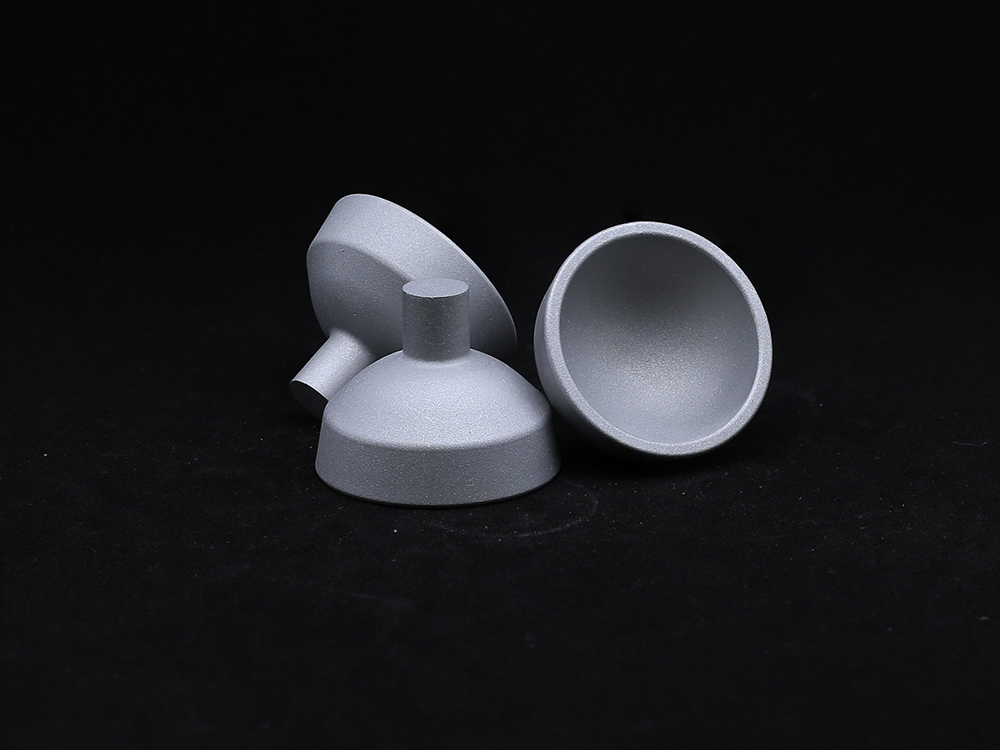 Acetabular CupMade from high-strength materials such as titanium alloy or cobalt-chromium, the Acetabular Cup ensures durability, corrosion resistance, and long-lasting performance. Its anatomical shape promotes optimal alignment and load distribution, reducing wear on bearing surfaces.
-
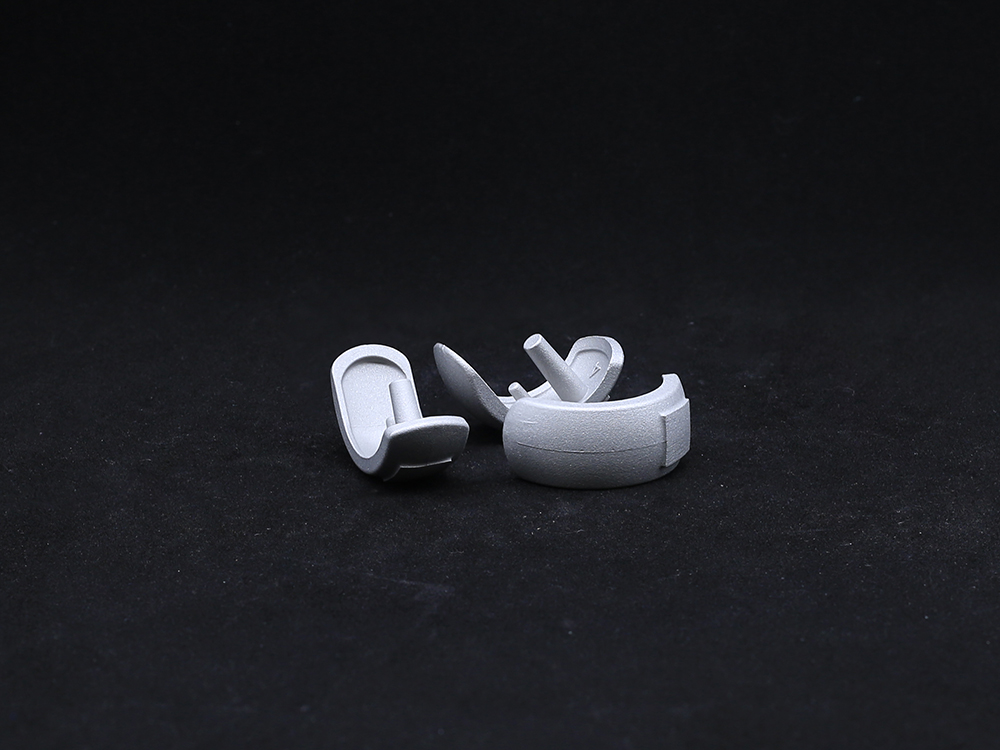 Half KneeThis minimally invasive solution preserves healthy bone, ligaments, and joint structures, enabling faster recovery and more natural knee kinematics. The system includes femoral and tibial components made from durable cobalt-chromium alloys and wear-resistant polyethylene inserts.
-
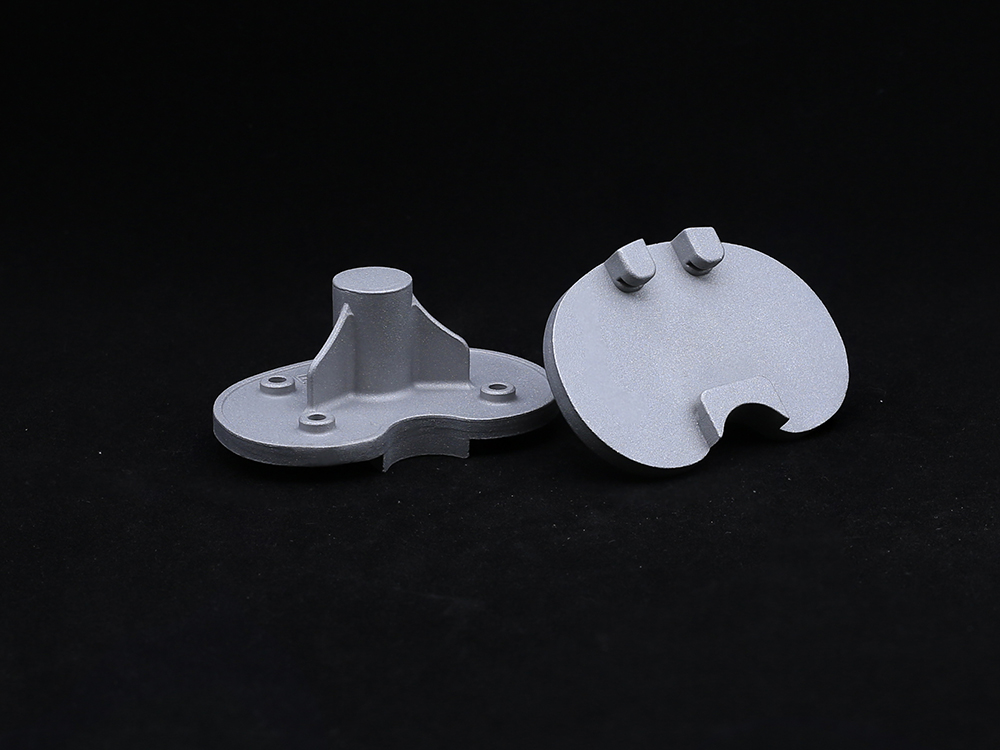 Refurbished PlatformCarefully Reprocessed To Meet The Highest Quality And Safety Standards, This Platform Is Ideal For Patients Requiring Revision Surgeries Or Those Seeking A Sustainable Option.
-
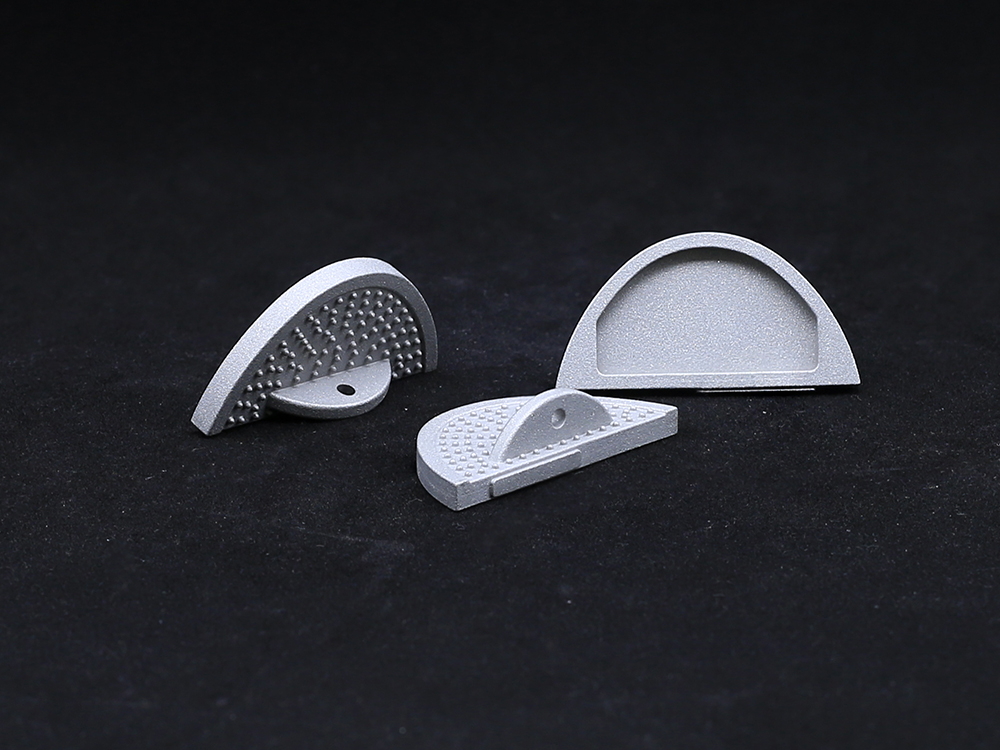 Bump Half PlatformManufactured from biocompatible, high-strength materials like titanium or cobalt-chromium alloys, it ensures durability and long-term performance. Ideal for knee, hip, or other joint replacements, the Bump Half Platform enhances surgical efficiency, minimizes inventory needs, and delivers reliable clinical outcomes with optimal joint alignment and function.
-
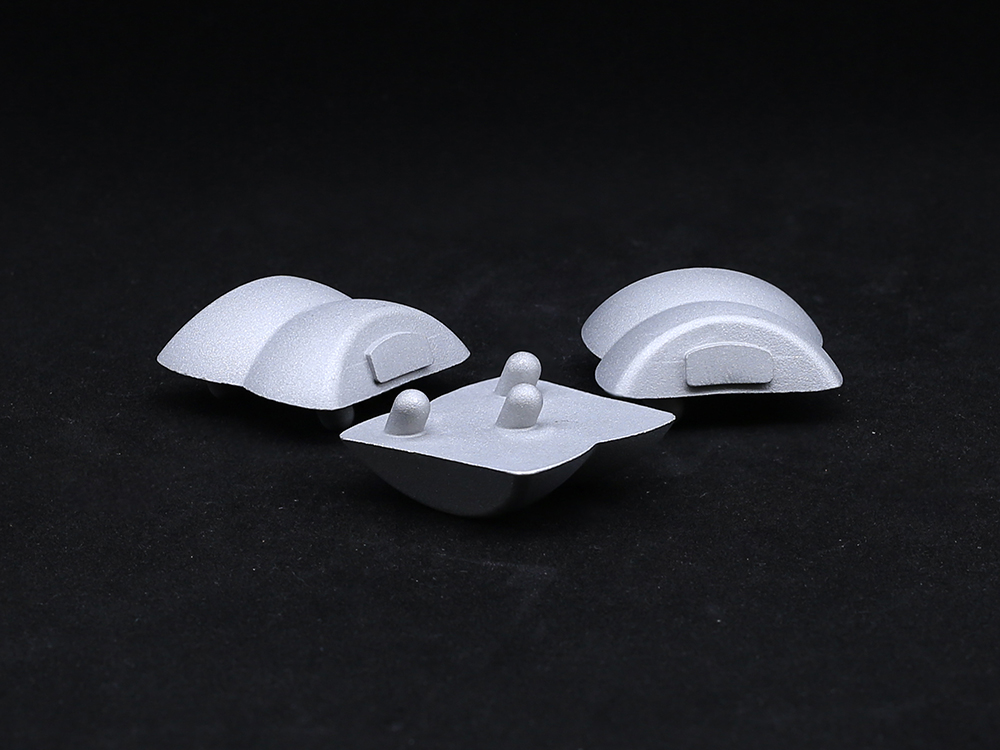 TalusTitanium alloys or PEEK materials that meet international medical standards are selected, featuring both strength and biocompatibility, effectively reducing the risk of rejection and promoting bone integration.
-
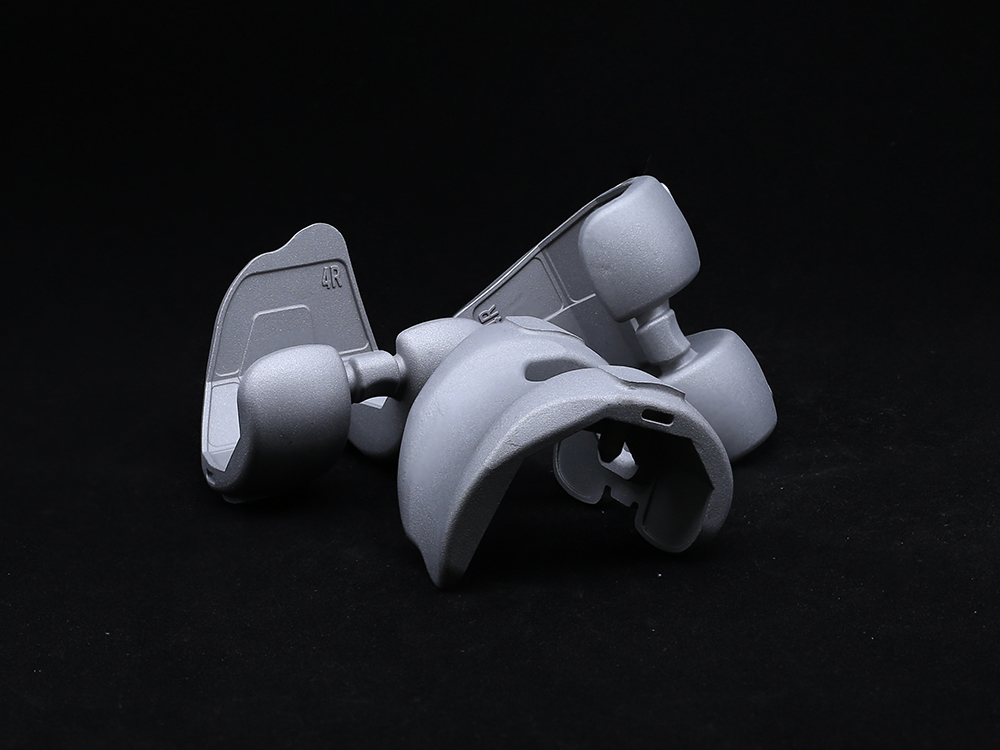 Femoral CondyleOur Half Platform system is designed to offer modular versatility in joint replacement procedures, particularly for hip and knee applications. It allows surgeons to combine components from different implant systems while maintaining biomechanical integrity and surgical efficiency.
-
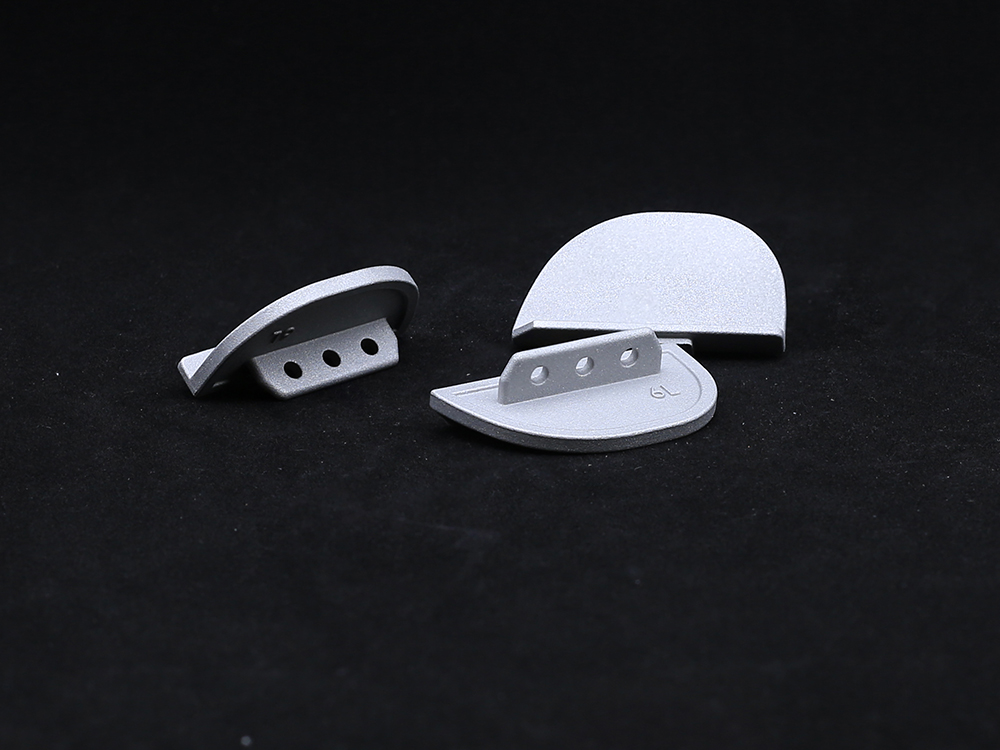 Unilateral Tibial PlateauThe unilateral tibial plateau is an orthopedic implant used in partial knee arthroplasty to replace the damaged medial or lateral tibial joint surface, thereby restoring function, relieving pain, and ensuring knee stability.
-
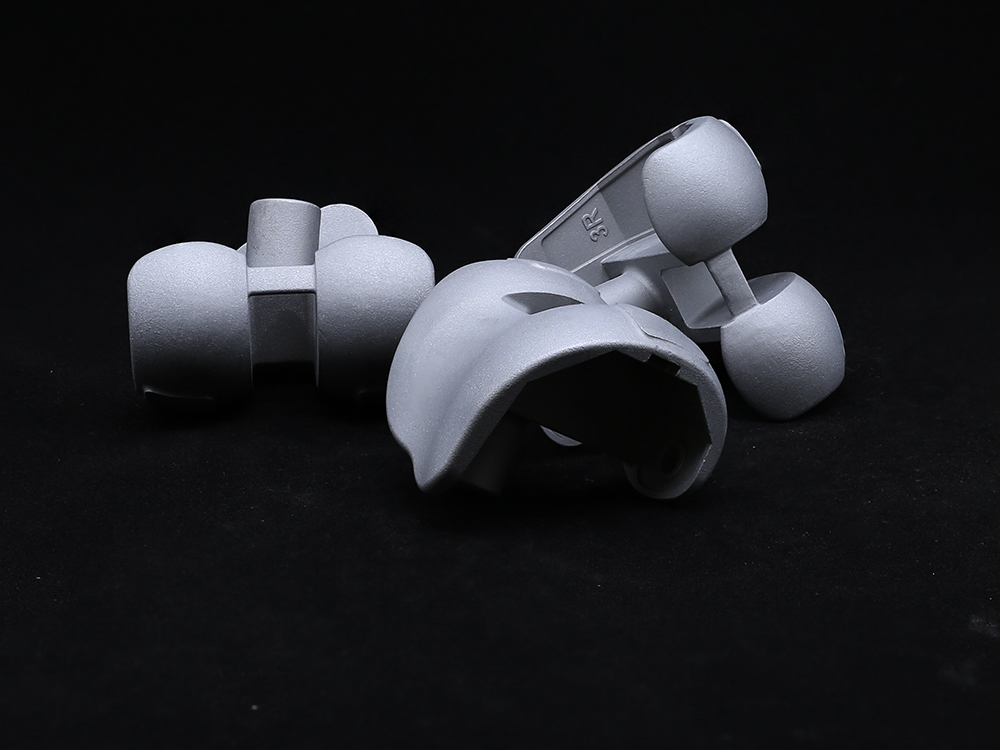 Revision Femoral CondyleThe Revision Femoral Condyle is engineered for use in knee revision surgeries, providing reliable solutions for patients requiring joint reconstruction due to implant failure, loosening, or wear. Made from biocompatible materials such as cobalt-chromium alloy, the revision condyle features enhanced durability and resistance to wear. Its design includes optimized geometry to restore proper knee function and alignment, ensuring a secure fit even in cases of significant bone loss.
Get a Custom Solution!
Contact Us To Provide You With More Professional Services


