- Tel: +8613911709825 /
- Email: ry@rays-casting.com /

Shallow Hip Socket and Acetabular Cup: From Anatomy to Surgical Solutions
Shallow Hip Socket and Acetabular Cup: From Anatomy to Surgical Solutions
The hip joint is one of the most important weight-bearing joints in the human body, and its normal anatomical structure serves as key reference benchmark for orthopedic implant OEM design to maintain pain-free, stable walking function. However, when a shallow hip socket occurs, the abnormal biomechanics bring multiple technical challenges for implant developers and OEM manufacturers. This article explores hip joint anatomy, the mechanical impacts triggered by a shallow hip socket, and the critical technical requirements for acetabular cup development and manufacturing.

Understanding Normal Hip Socket Anatomy: The Basic Structure of the Hip Joint
To understand the problem of a shallow hip socket, OEM engineers must first reference normal hip socket anatomy for product specification definition. The hip joint is a classic "ball-and-socket" joint, consisting of the femoral head (ball) and the acetabulum (socket). The acetabulum is formed by the convergence of three pelvic bones—the ilium, ischium, and pubis—creating a cup-shaped structure of moderate depth that securely accommodates the femoral head; this physiological geometry provides core parameters for contour simulation of implant shells.
The rim of the acetabulum features a ring of fibrocartilage tissue called the acetabular labrum. This structure not only deepens the acetabulum but also seals the joint, enhances stability, and reduces friction. A normal acetabulum distributes pressure from the body evenly across the femoral head, protecting the articular cartilage from excessive wear. OEM R&D teams take this uniform load distribution as one core objective for acetabular cup structural optimization.
What Is a Shallow Hip Socket? Causes and Biomechanical Implications for Implant Design
A shallow hip socket, medically known as acetabular dysplasia, refers to a condition where the depth of the acetabulum is insufficient to fully cover the femoral head. This structural abnormality may be congenital or develop gradually during growth, creating highly variable pelvic morphology that OEMs must address through expanded product portfolios.
When the acetabulum is too shallow, the femoral head cannot be completely enclosed, resulting in a reduced joint contact area and significantly increased pressure per unit area. From an OEM perspective, elevated unit-area stress raises stringent requirements for implant wear resistance, anti-rotation performance and fixation reliability. Long-term abnormal stress distribution leads to cartilage wear at the acetabular rim, eventually causing labral tears and early osteoarthritis. Patients may experience hip pain, joint clicking, instability during walking, and symptoms that worsen after physical activity.
It is worth noting that normal acetabular development depends on the presence and proper position of the femoral head. In patients with developmental dysplasia of the hip, the femoral head fails to seat properly within the acetabulum, impeding acetabular development and resulting in a shallow, steeply angled abnormal structure. Such distorted bone geometry demands special variant designs and size extensions within OEM product lines.
Treatment Options When Hip Socket Anatomy Is Abnormal: From Hip Preservation to Joint-Replacement OEM Demands
For patients with abnormal hip socket anatomy, treatment depends on the severity of the condition and the patient's age. For younger patients, doctors typically prioritize hip preservation surgery, such as periacetabular osteotomy (PAO). This procedure involves cutting, rotating, and re-fixing the acetabulum to improve coverage of the femoral head, thereby delaying or avoiding the need for joint replacement.
However, when the joint has already suffered severe wear or osteoarthritis, total hip arthroplasty becomes an effective means of restoring function. In this surgery, the acetabular cup places high requirements on OEM manufacturers in terms of design, material selection and process control.
The Critical Role of the Acetabular Cup in Hip Replacement: OEM-Focused Design, Material and Manufacturing Considerations
The acetabular cupis a core component of the hip replacement system, designed to replace the damaged acetabulum. Modern acetabular cups typically consist of a metal shell and a polymer or ceramic liner. OEM suppliers produce high-performance shell blanks from cobalt-chromium-molybdenum (CoCrMo) alloy or titanium alloy via proprietary precision casting, providing consistent mechanical properties and biocompatibility for finished implants. The surface of the metal shell undergoes special treatment, such as porous coating, to promote bone tissue ingrowth and achieve long-term biological fixation; OEMs must strictly control pore dimension, porosity and coating bonding strength during production.
For patients with acetabular dysplasia, the selection and implantation technique of the acetabular cup are particularly important. Because the acetabulum itself is shallow, surgeons may need to use specially designed cups or bone grafting techniques to reconstruct sufficient bone stock support. This drives OEM requirements for special-profile shell variants and compatibility with trabecular metal augments. Studies show that porous acetabular cups combined with trabecular metal augments demonstrate excellent clinical outcomes and implant survival rates in complex acetabular reconstruction.
During surgery, the positioning of the acetabular cup is also critical. Appropriate cup inclination and anteversion angles optimize the joint's biomechanical environment, reducing dislocation risk and wear. Accordingly, OEM product development needs to reserve sufficient adjustment range for component installation. With advances in material science, newer materials such as vitamin E-stabilized polyethylene liners further reduce wear rates under high edge-loading conditions, providing more durable component solutions for dysplastic cases.
Conclusion
A shallow hip socket is a structural abnormality of the hip joint that deserves serious attention, as it can lead to pain, functional impairment, and early joint degeneration. Understanding normal hip socket anatomy helps OEM product teams recognize the essence of dysplasia-related clinical requirements, while continuous advances in acetabular cup design, casting processes, surface modification and liner material systems provide reliable implant solutions for complex hip reconstruction. OEM manufacturers should translate dysplasia-driven clinical pain points into concrete product specifications, supporting surgeons to develop personalized treatment plans for patients.
-
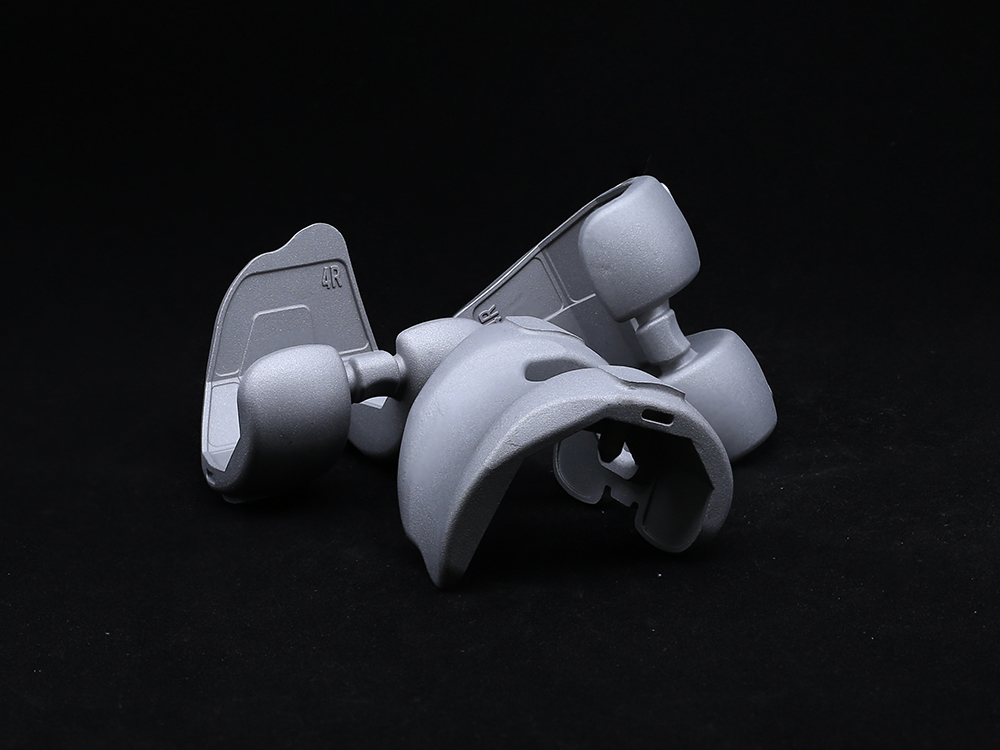 Femoral CondyleOur Half Platform system is designed to offer modular versatility in joint replacement procedures, particularly for hip and knee applications. It allows surgeons to combine components from different implant systems while maintaining biomechanical integrity and surgical efficiency.
-
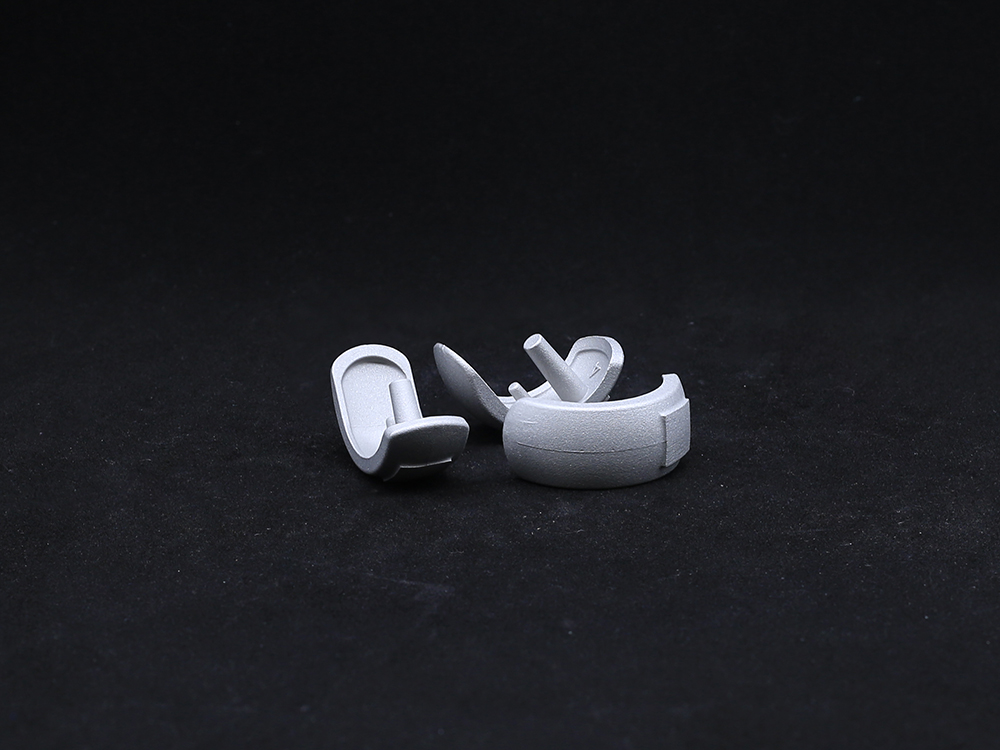 Half KneeThis minimally invasive solution preserves healthy bone, ligaments, and joint structures, enabling faster recovery and more natural knee kinematics. The system includes femoral and tibial components made from durable cobalt-chromium alloys and wear-resistant polyethylene inserts.
-
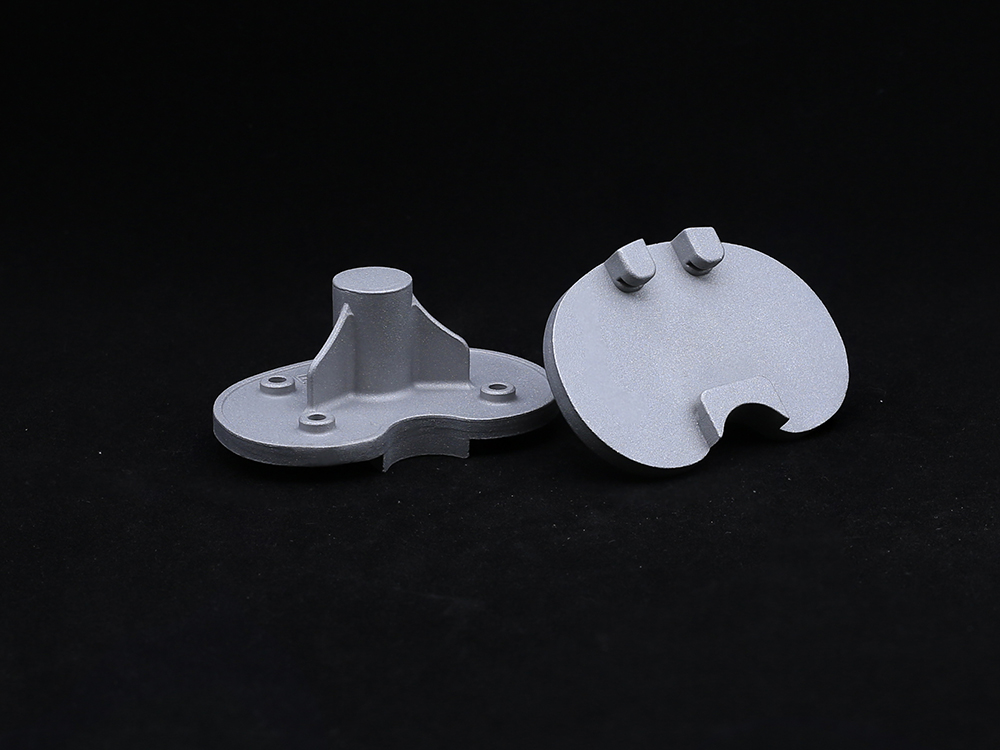 Refurbished PlatformCarefully Reprocessed To Meet The Highest Quality And Safety Standards, This Platform Is Ideal For Patients Requiring Revision Surgeries Or Those Seeking A Sustainable Option.
-
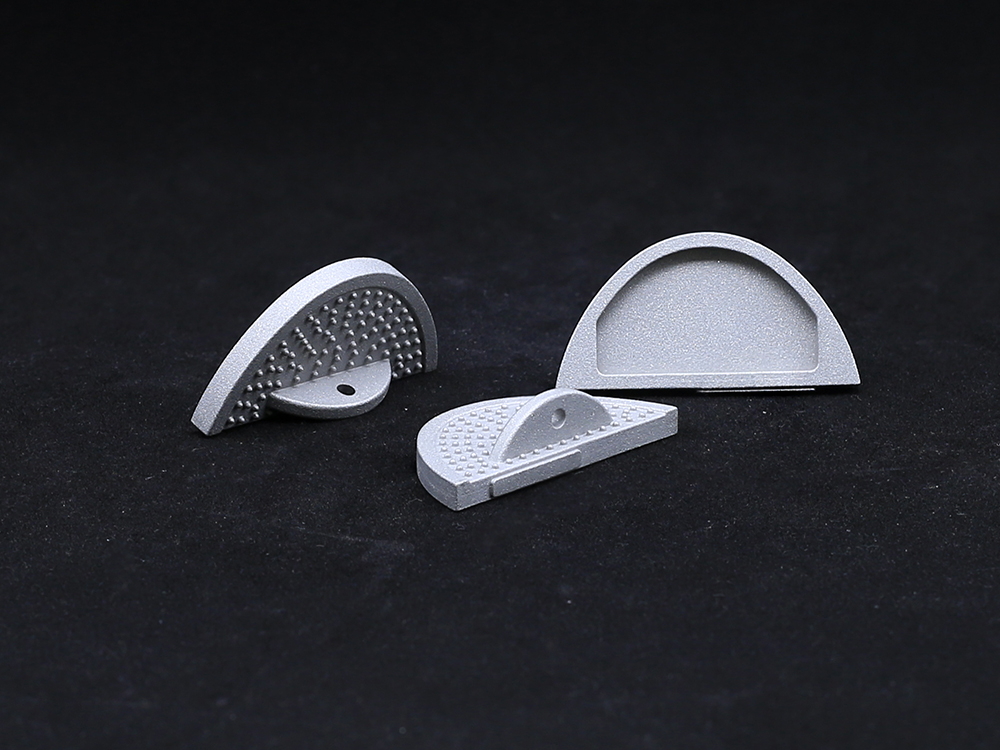 Bump Half PlatformManufactured from biocompatible, high-strength materials like titanium or cobalt-chromium alloys, it ensures durability and long-term performance. Ideal for knee, hip, or other joint replacements, the Bump Half Platform enhances surgical efficiency, minimizes inventory needs, and delivers reliable clinical outcomes with optimal joint alignment and function.
-
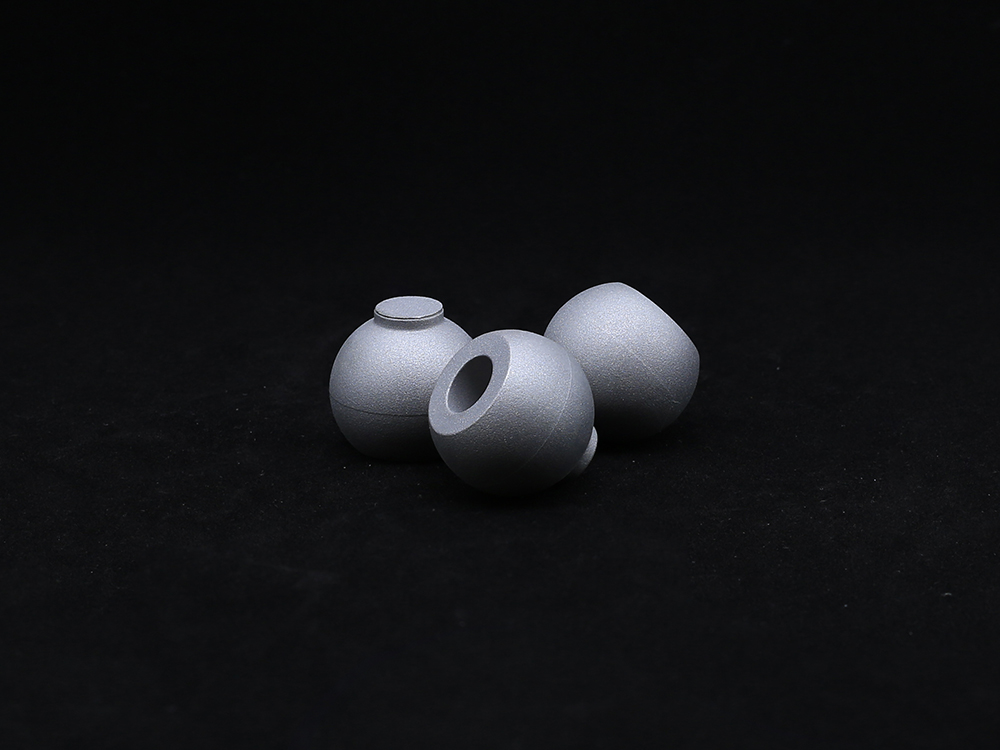 Ball HeadOur Ball Head component is designed for use in joint replacement procedures, particularly in hip and shoulder arthroplasty. Crafted from high-strength materials such as cobalt-chromium alloy or ceramic, the ball head ensures excellent wear resistance and long-term durability.
-
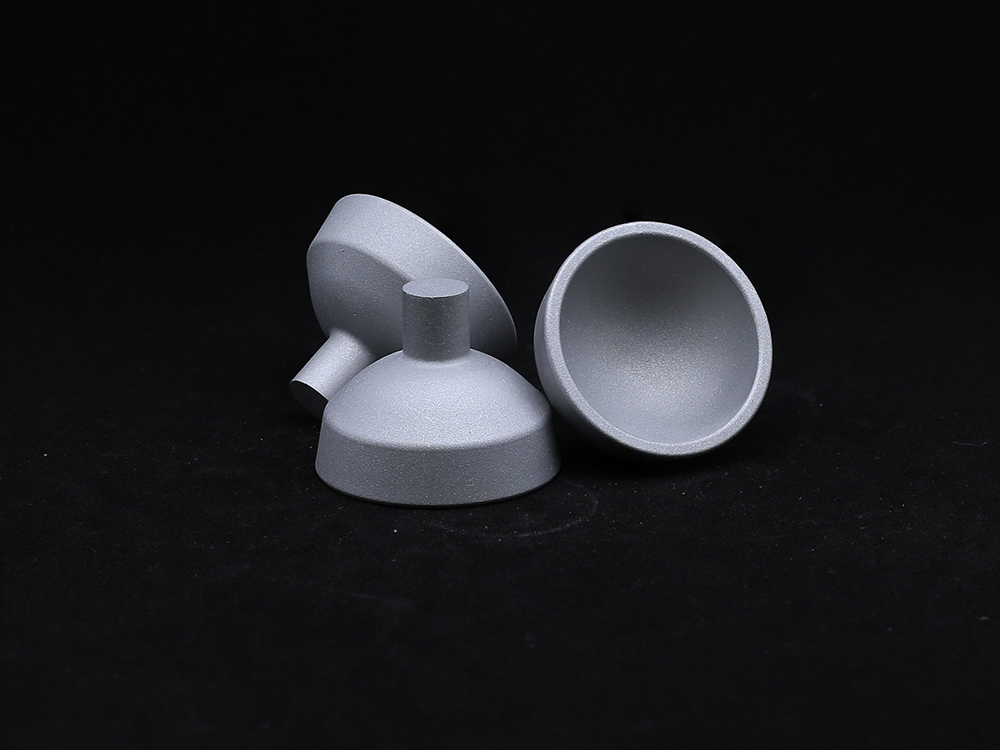 Acetabular CupMade from high-strength materials such as titanium alloy or cobalt-chromium, the Acetabular Cup ensures durability, corrosion resistance, and long-lasting performance. Its anatomical shape promotes optimal alignment and load distribution, reducing wear on bearing surfaces.
-
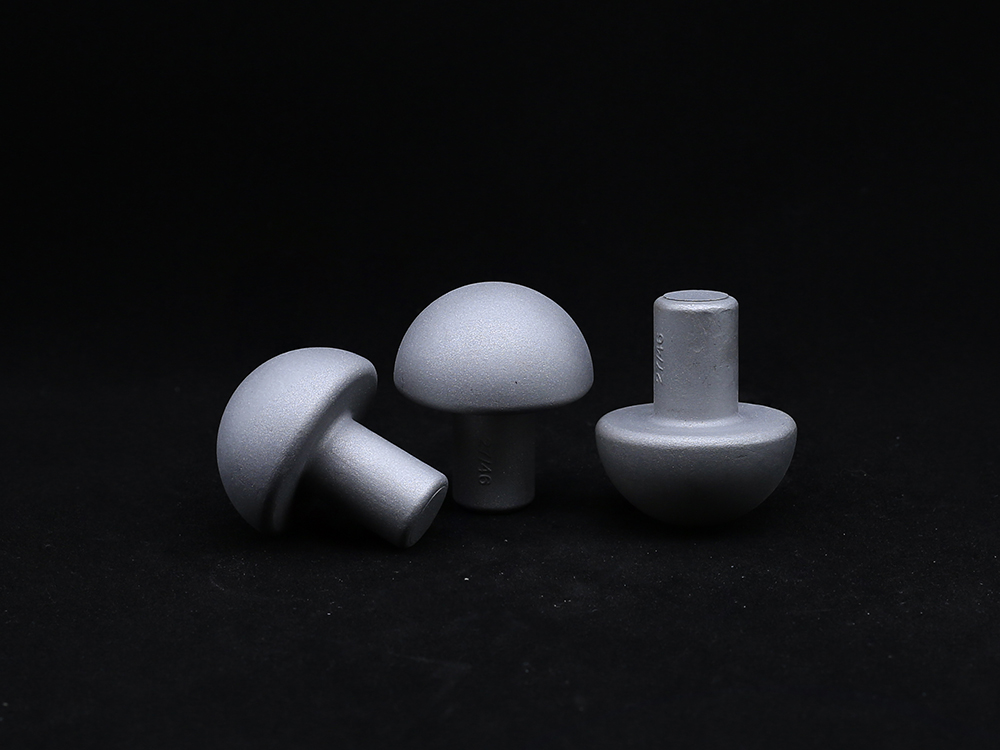 Humeral HeadAvailable in a range of diameters and offsets, they are designed to accommodate diverse patient anatomies and ensure proper soft tissue tensioning. Each humeral head is precisely machined from high-strength cobalt-chromium or ceramic materials, offering excellent wear resistance and biocompatibility.
-
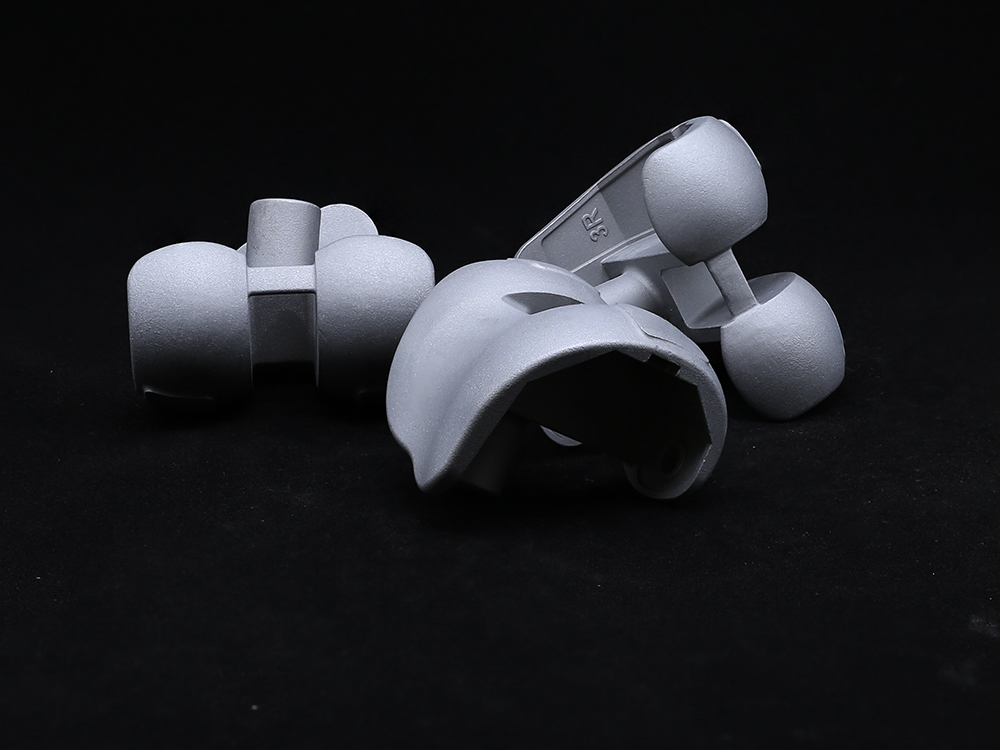 Revision Femoral CondyleThe Revision Femoral Condyle is engineered for use in knee revision surgeries, providing reliable solutions for patients requiring joint reconstruction due to implant failure, loosening, or wear. Made from biocompatible materials such as cobalt-chromium alloy, the revision condyle features enhanced durability and resistance to wear. Its design includes optimized geometry to restore proper knee function and alignment, ensuring a secure fit even in cases of significant bone loss.
Get a Custom Solution!
Contact Us To Provide You With More Professional Services


