- Tel: +8613911709825 /
- Email: ry@rays-casting.com /

Acetabular Femoral Joint, Acetabular Cup and Acetabular Head: A Guide to Orthopedic Implant Manufacturing
Acetabular Femoral Joint, Acetabular Cup and Acetabular Head: A Guide to Orthopedic Implant Manufacturing
The hip is one of the body's major weight-bearing joints, and its structure allows a combination of stability, rotation, and mobility. Within this system, the acetabular femoral joint, acetabular cup, and acetabular head represent important concepts for understanding hip reconstruction and implant manufacturing. For orthopedic device companies, OEM buyers, and casting suppliers, connecting clinical anatomy with implant design, material selection, and manufacturing processes provides a more practical way to evaluate component production.

Acetabular Femoral Joint Anatomy and Its Importance in Hip Movement
The acetabular femoral joint is formed by the interaction between the acetabulum of the pelvis and the femoral head. The acetabulum provides the socket, while the femoral head forms the rounded ball that moves within it. Together, these structures create a ball-and-socket joint capable of supporting body weight while allowing flexion, extension, rotation, and other movements.
The natural joint depends on complementary surfaces and surrounding soft tissues to maintain smooth and controlled motion. Articular cartilage helps reduce friction, while muscles and ligaments contribute to stability. When the joint structure is damaged, the relationship between the socket and ball can become compromised.
This anatomical relationship is highly relevant to orthopedic implant development. Replacement components need to reproduce the functional relationship between the socket and femoral side as closely as required by the specific implant design. For manufacturers, this means that component geometry is closely connected with the intended clinical application.
For buyers sourcing orthopedic blanks, understanding the acetabular femoral joint also helps put manufacturing specifications into context. Dimensional requirements, surface characteristics, and material choices should be considered as parts of a complete implant system rather than isolated technical parameters.
Acetabular Femoral Joint Conditions and Orthopedic Reconstruction Needs
Problems affecting the acetabular femoral joint can develop from degenerative changes, trauma, structural abnormalities, or other orthopedic conditions. As joint surfaces deteriorate or become damaged, patients may experience pain, stiffness, reduced mobility, and difficulty with weight-bearing activities. The treatment approach depends on the specific clinical situation and the extent of joint damage.
When reconstruction or joint replacement is required, the objective is to restore an appropriate mechanical relationship between the pelvic socket and femoral side. This creates requirements for implant components that can work together as a coordinated system.
For medical-device manufacturers, the clinical background matters because it explains why orthopedic components require tighter process control than many general industrial castings. A component may eventually undergo machining and finishing, but the quality of the initial blank still influences downstream production.
The acetabular femoral joint therefore provides the clinical starting point for understanding hip implant manufacturing. By moving from anatomy to orthopedic application, buyers can better evaluate whether a casting supplier has the technical knowledge and production controls needed for a demanding medical-device program.
Acetabular Cup Design and Its Role in Hip Implant Systems
The acetabular cup is the socket-side component of a hip replacement system. It is designed to occupy the acetabular side of the joint and provide an appropriate bearing interface for the corresponding femoral component. Its dimensions, geometry, and surface characteristics are determined by the implant system and its intended application.
For manufacturers, the acetabular cup presents several important production considerations. Complex curved surfaces and dimensional relationships may require a carefully controlled starting blank before machining and finishing. Any unnecessary variation introduced during casting can increase downstream processing requirements.
The component should also be considered in relation to the rest of the implant system. Its geometry must correspond with the intended bearing configuration and other interface requirements specified by the implant manufacturer. This makes engineering communication particularly important during development.
For OEM customers, supplier evaluation can include drawing review, prototype development, dimensional inspection, and the ability to maintain repeatable results across production batches. A supplier that understands these stages can provide more useful support than one focused only on producing the initial metal shape.
Acetabular Head Materials and Component Performance Considerations
The acetabular head concept is closely related to the ball-and-socket mechanics of the hip implant system. Depending on the implant design, the femoral-side head provides the rounded articulating surface that works with the socket-side component. Its geometry and material characteristics can influence the overall behavior of the artificial joint.
Material selection is consequently an important part of orthopedic component development. Cobalt-chromium-molybdenum alloys, commonly referred to as CoCrMo, are used in various orthopedic applications because of their mechanical strength, wear resistance, and corrosion resistance. Other material combinations may also be selected according to the implant design and applicable specifications.
For an acetabular head or related orthopedic component, buyers should not evaluate material names alone. Raw material consistency, melting practices, casting conditions, heat treatment where applicable, and inspection procedures can all affect the quality of the manufacturing starting point.
A qualified supplier should be able to discuss material specifications and explain how material control connects with the casting process. This transparency helps medical-device companies assess whether a supplier's capabilities are aligned with their technical requirements and quality expectations.
Acetabular Cup Manufacturing Through Investment Casting and Precision Processing
Investment casting can be used to create complex orthopedic metal blanks with controlled preliminary geometry. For an acetabular cup, the process can provide a starting form that is subsequently machined, finished, and inspected according to the customer's specifications.
Manufacturing control begins with mold and pattern preparation. Casting allowances, shrinkage behavior, gating considerations, surface condition, and dimensional repeatability all need to be considered when developing a stable process. The objective is not simply to produce a visually acceptable casting but to create a consistent blank that supports later operations.
For medical-device buyers, production evaluation should therefore include more than equipment lists. Questions about sampling, process validation, dimensional inspection, defect control, and batch consistency can reveal how effectively a supplier manages orthopedic manufacturing requirements.
The relationship between casting and machining is particularly important. A stable acetabular cup blank can provide a more predictable basis for precision machining, helping manufacturers establish consistent workflows as projects move from development quantities toward repeat production.
Acetabular Head Production and Ray's Casting Manufacturing Support
For an acetabular head program, the manufacturing partner needs to connect material selection, casting technology, dimensional control, and subsequent processing. Orthopedic production often involves detailed drawings and customer-specific requirements, making communication between the supplier's engineering team and the implant manufacturer an important part of project development.
Ray's Casting focuses on artificial joint and orthopedic casting applications. Its product scope includes components associated with hip, knee, shoulder, and ankle applications. For companies developing hip implant components, this type of product experience can provide a foundation for discussing casting blanks, material requirements, customization, and production consistency.
When evaluating a casting supplier, buyers can consider the complete manufacturing chain: whether the supplier understands the acetabular femoral joint application, can support the required acetabular cup or acetabular head component, works with appropriate implant materials, and maintains controlled investment-casting processes.
This clinical-to-manufacturing approach creates a clearer framework for orthopedic sourcing. Instead of evaluating a casting only by its appearance or basic material specification, medical-device companies can examine how anatomy, implant function, material properties, casting accuracy, and downstream machining connect within the same production program.
-
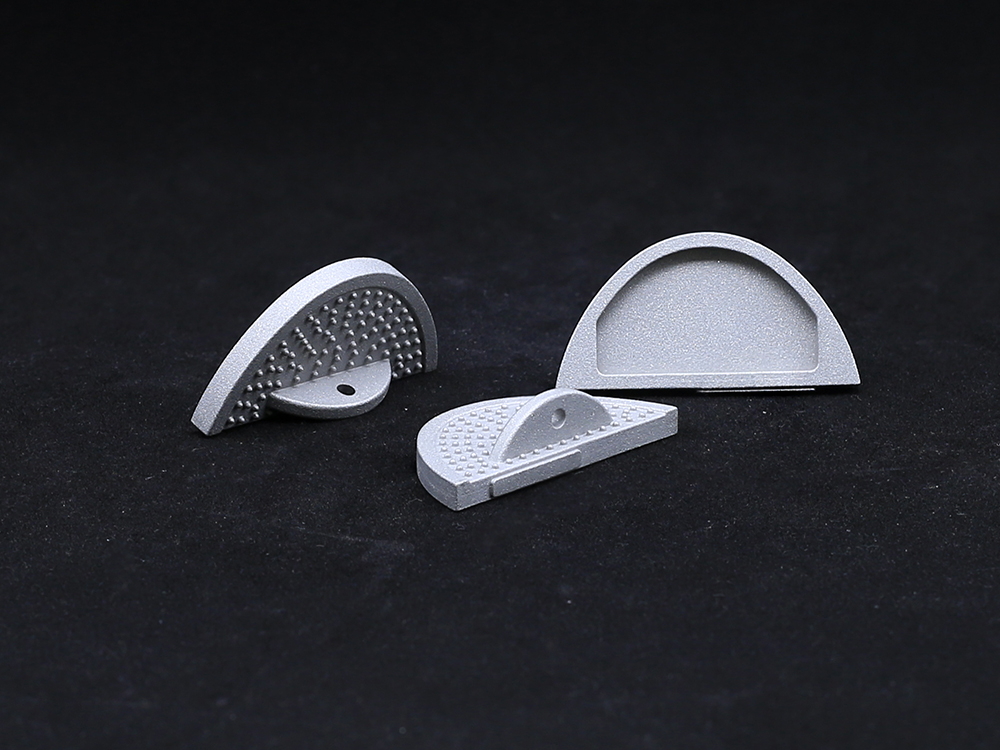 Bump Half PlatformManufactured from biocompatible, high-strength materials like titanium or cobalt-chromium alloys, it ensures durability and long-term performance. Ideal for knee, hip, or other joint replacements, the Bump Half Platform enhances surgical efficiency, minimizes inventory needs, and delivers reliable clinical outcomes with optimal joint alignment and function.
-
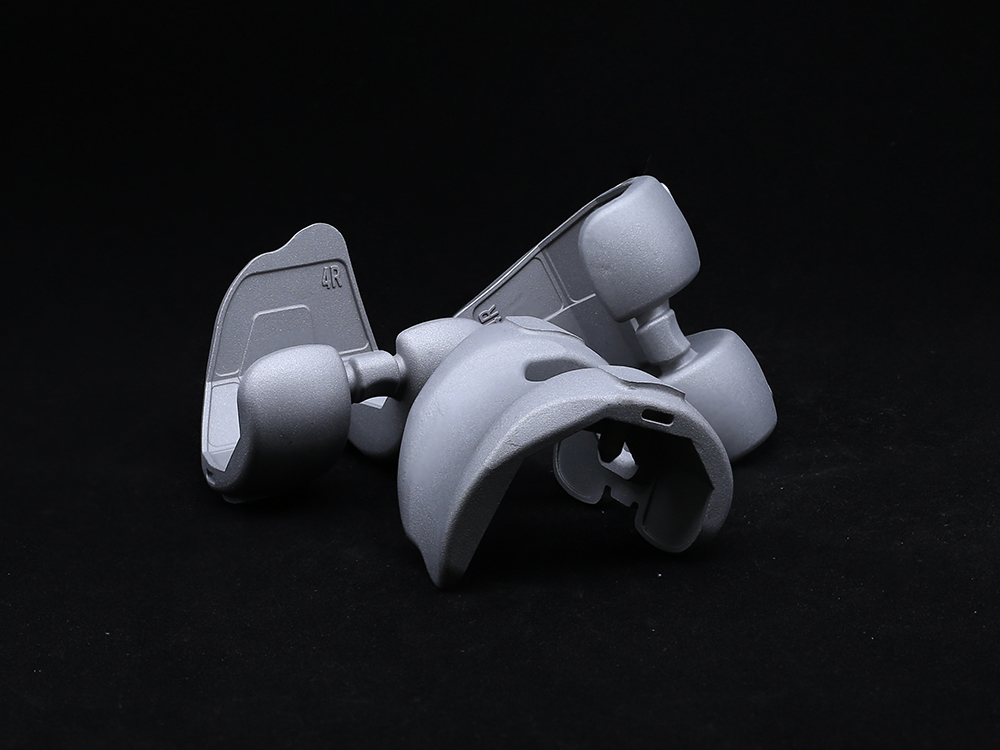 Femoral CondyleOur Half Platform system is designed to offer modular versatility in joint replacement procedures, particularly for hip and knee applications. It allows surgeons to combine components from different implant systems while maintaining biomechanical integrity and surgical efficiency.
-
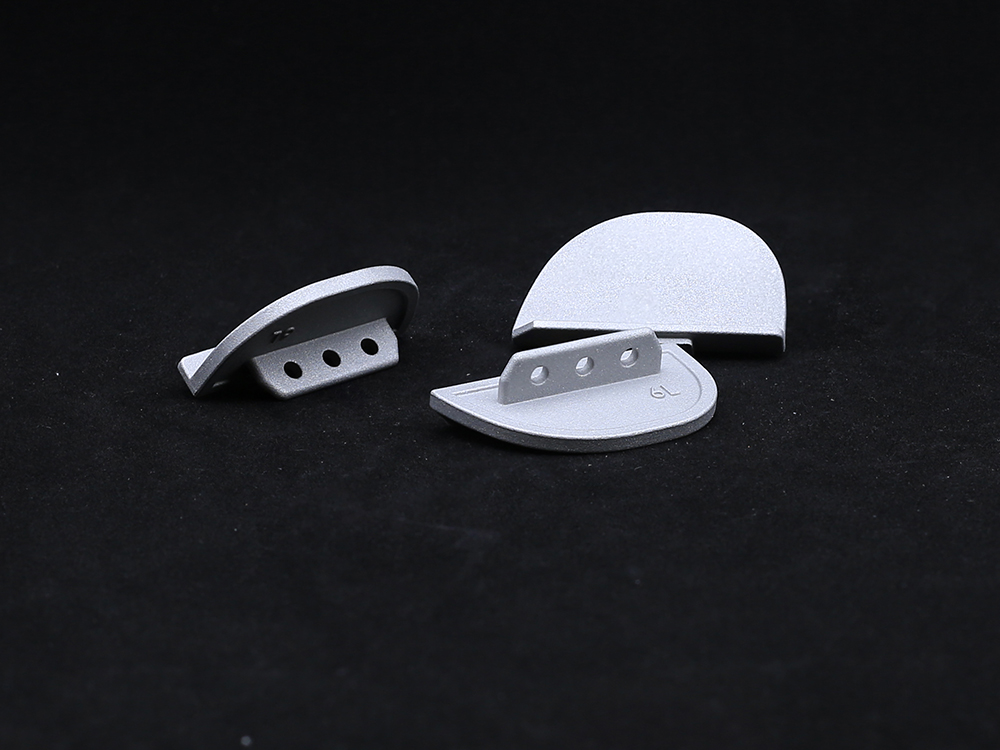 Unilateral Tibial PlateauThe unilateral tibial plateau is an orthopedic implant used in partial knee arthroplasty to replace the damaged medial or lateral tibial joint surface, thereby restoring function, relieving pain, and ensuring knee stability.
-
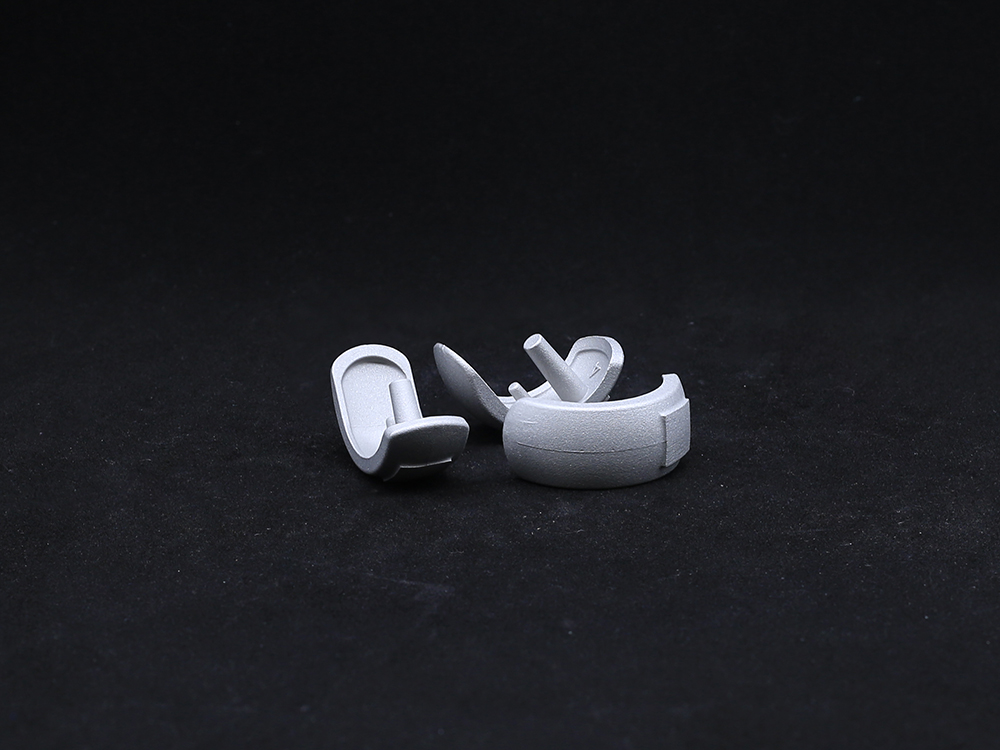 Half KneeThis minimally invasive solution preserves healthy bone, ligaments, and joint structures, enabling faster recovery and more natural knee kinematics. The system includes femoral and tibial components made from durable cobalt-chromium alloys and wear-resistant polyethylene inserts.
-
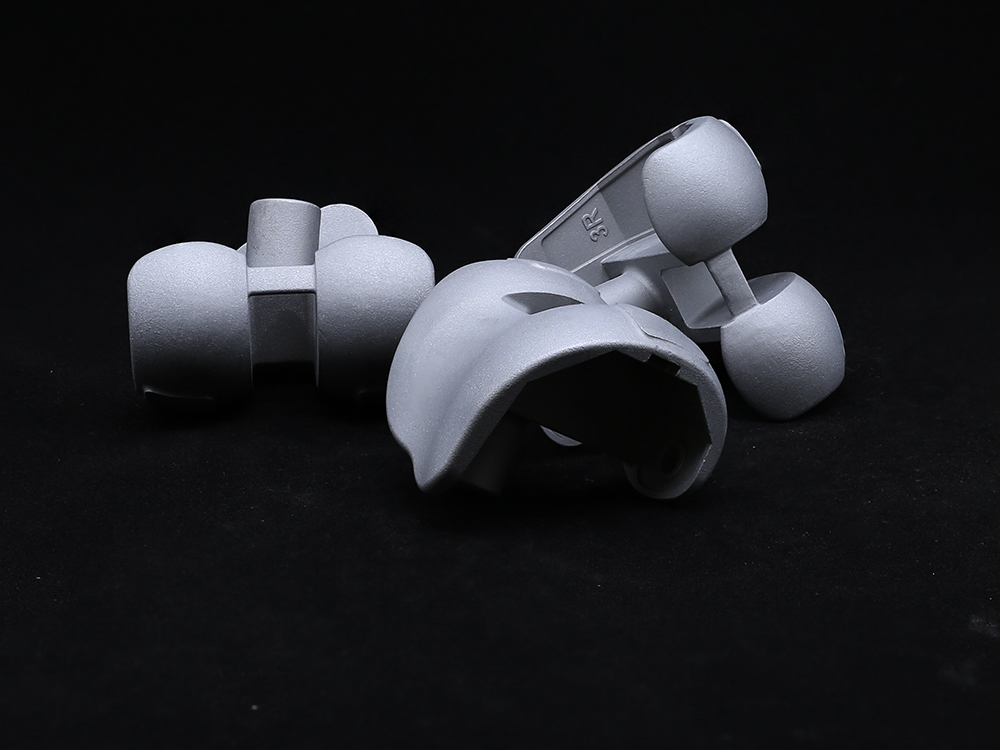 Revision Femoral CondyleThe Revision Femoral Condyle is engineered for use in knee revision surgeries, providing reliable solutions for patients requiring joint reconstruction due to implant failure, loosening, or wear. Made from biocompatible materials such as cobalt-chromium alloy, the revision condyle features enhanced durability and resistance to wear. Its design includes optimized geometry to restore proper knee function and alignment, ensuring a secure fit even in cases of significant bone loss.
-
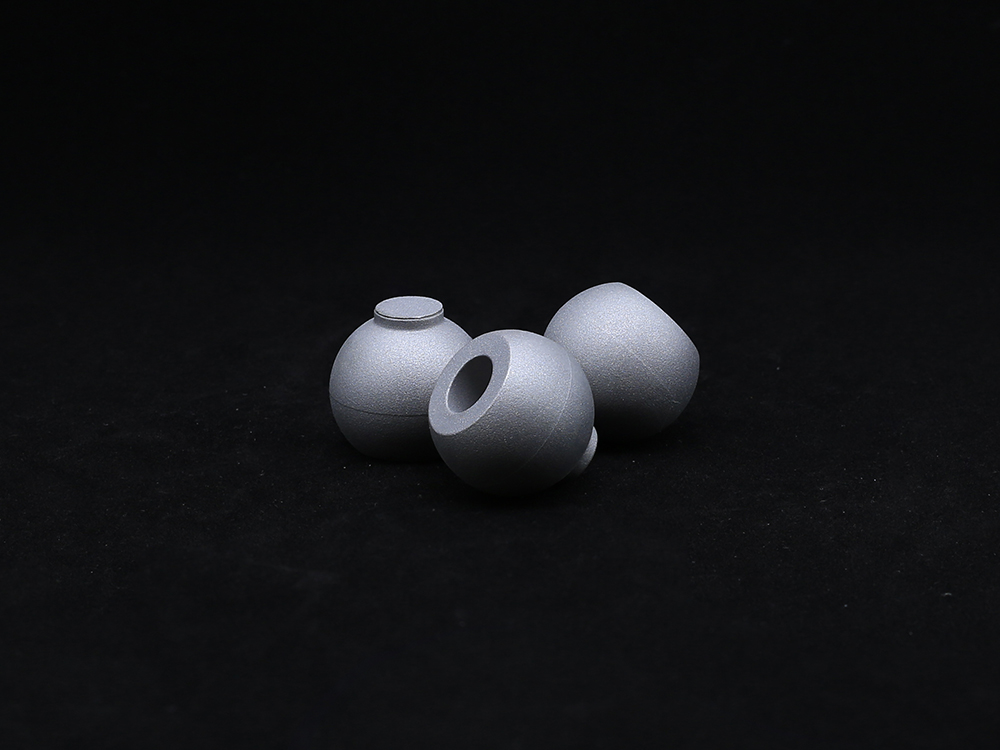 Ball HeadOur Ball Head component is designed for use in joint replacement procedures, particularly in hip and shoulder arthroplasty. Crafted from high-strength materials such as cobalt-chromium alloy or ceramic, the ball head ensures excellent wear resistance and long-term durability.
-
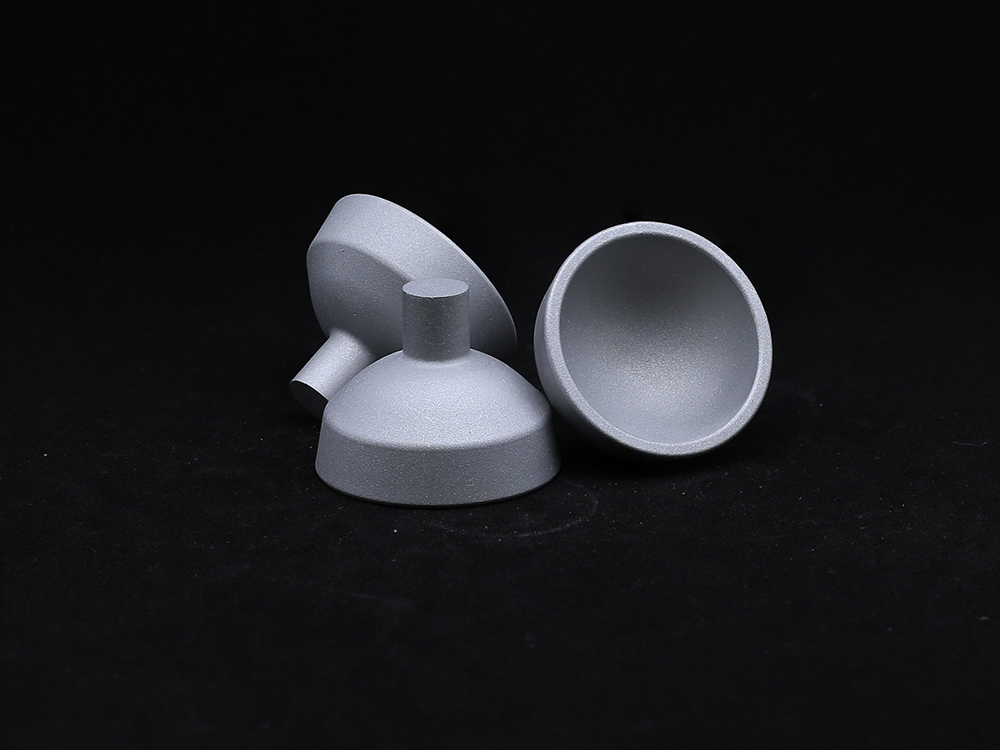 Acetabular CupMade from high-strength materials such as titanium alloy or cobalt-chromium, the Acetabular Cup ensures durability, corrosion resistance, and long-lasting performance. Its anatomical shape promotes optimal alignment and load distribution, reducing wear on bearing surfaces.
-
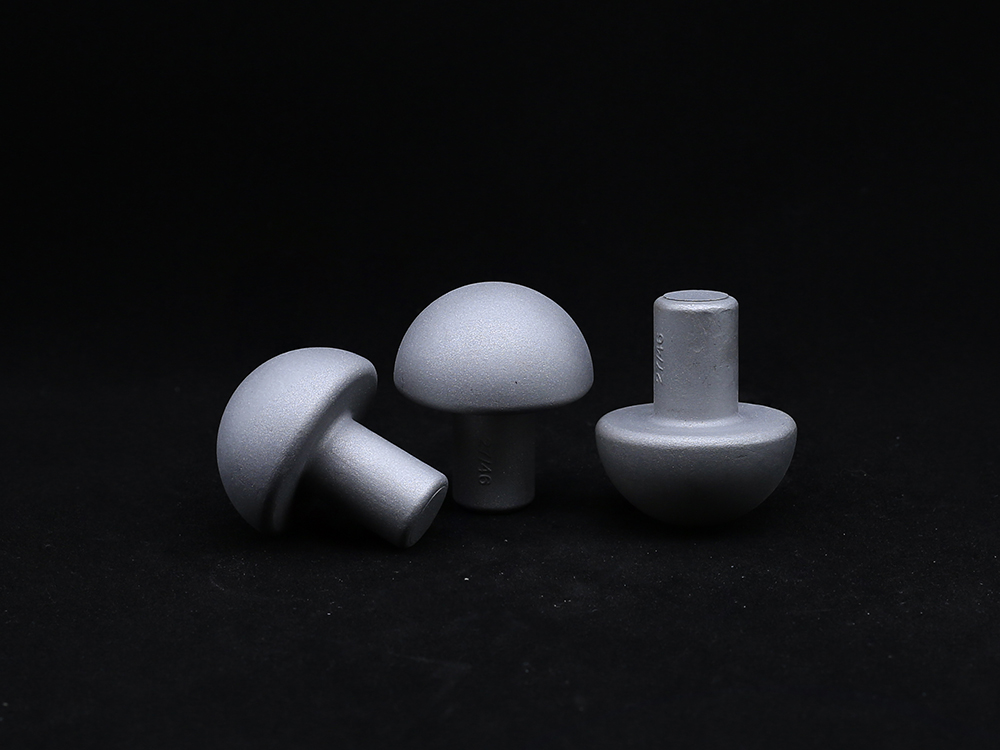 Humeral HeadAvailable in a range of diameters and offsets, they are designed to accommodate diverse patient anatomies and ensure proper soft tissue tensioning. Each humeral head is precisely machined from high-strength cobalt-chromium or ceramic materials, offering excellent wear resistance and biocompatibility.
Get a Custom Solution!
Contact Us To Provide You With More Professional Services


