- Tel: +8613911709825 /
- Email: ry@rays-casting.com /

Femoral Condyle Manufacturing Guide: Material, Accuracy, and Supplier Selection for Orthopedic Programs
Femoral Condyle Manufacturing Guide: Material, Accuracy, and Supplier Selection for Orthopedic Programs
For orthopedic manufacturers and sourcing teams, the Femoral Condyle is more than a catalog item. It is a functional knee component that must work within a demanding biomechanical system, where load distribution, articulation, and implant stability all matter. A well-produced femoral condyle blank helps simplify downstream machining, supports accurate implant geometry, and creates a stronger foundation for reliable joint reconstruction.

Femoral Condyle Anatomy and Why the Femoral Condyle Matters in Knee Reconstruction
The femoral condyles are the rounded structures at the end of the femur that articulate with the tibial surface. In knee arthroplasty, the corresponding implant geometry must reproduce smooth movement, stable contact behavior, and balanced load transfer. If the underlying blank is inconsistent, it becomes more difficult to achieve the final dimensional precision needed for a dependable implant. That is why buyers should view the femoral condyle not as an ordinary metal part, but as a clinically significant component.
From a commercial standpoint, this means the supplier should understand both the functional role of the component and the practical realities of production. A capable manufacturer will consider wall thickness, contour quality, machining allowance, and how the design interacts with adjacent system components. Good communication at this stage can prevent avoidable issues later in development, especially for private-label or OEM projects.
The best suppliers can also connect anatomical purpose with manufacturing method. That ability helps when buyers need feedback on feasibility or want to optimize the blank for better production efficiency.
Femoral Condyle Material Options for Femoral Condyle Implant Blanks
Material selection is central to implant performance. On the Ray's Casting product page, the femoral condyle is described as being made from cobalt-chromium-molybdenum alloy, a material widely recognized for high strength, corrosion resistance, and suitability in medical implant applications. In orthopedic programs, this kind of alloy is often valued because it can withstand repeated loading while maintaining dimensional stability and wear-related performance over time.
For buyers, the important point is not only which alloy is named, but how consistently it is controlled. A trustworthy supplier should be able to discuss raw material management, casting discipline, and how the material choice supports the intended application. In knee reconstruction, the objective is to create a component blank that can move into machining and finishing with confidence, rather than introducing unnecessary process variability.
Buyers may also want to know how the manufacturer approaches alloy cleanliness, documentation, and lot traceability. Those details become increasingly important as the project moves toward scaled production.
Femoral Condyle Precision Casting Standards for Femoral Condyle Programs
The Ray's Casting femoral condyle page highlights lost-wax casting and a tolerance-oriented production approach. This matters because precision investment casting remains a practical choice for orthopedic blanks that require repeatable shape formation and a controlled starting point for post-cast operations. When a buyer reviews suppliers, questions should focus on repeatability, dimensional control, inspection procedures, and the manufacturer’s ability to maintain stable process conditions batch after batch.
Surface condition is also important. A cleaner, more consistent cast surface can make subsequent machining and finishing more efficient. In addition, buyers should confirm whether the supplier can support documentation, batch identification, and customization requests. These operational details often determine how smoothly an orthopedic project moves from development to commercialization.
Ray's Casting presents the femoral condyle product and supporting company information on its official website.Seeing the product information in context can help sourcing teams align the supplier’s positioning with their own technical and commercial requirements.
Choosing a Femoral Condyle Supplier for Femoral Condyle OEM and ODM Orders
In B2B purchasing, the best supplier is usually the one that can combine technical understanding with reliable execution. For femoral condyle programs, that means being able to discuss clinical use context, recommend feasible manufacturing adjustments, and respond quickly during sampling and revision cycles. It also means offering enough flexibility to support different customer needs, whether the project is a standard implant blank or part of a broader modular system.
Ray's Casting positions itself as a manufacturer focused on artificial joint castings and related orthopedic components. That focus can be valuable for buyers who do not want to educate a general metal supplier about the basics of implant applications. When a supplier already works across knee, hip, shoulder, and ankle product families, conversations tend to move faster and stay closer to end-use requirements.
For procurement teams comparing options, the practical checklist should include material quality, casting capability, tolerance consistency, communication speed, and readiness for customization. A femoral condyle program succeeds when the supplier can support both engineering needs and long-term supply continuity.
For orthopedic manufacturers, production capability should also be evaluated from the perspective of material consistency and process management. A reliable femoral condyle precision casting program should have clearly defined procedures for wax pattern preparation, shell building, casting, cleaning, and inspection. Controlling each stage helps reduce variation and provides a more stable foundation for machining and final component processing.
From a manufacturing perspective, production scalability is equally important. Prototype requirements may differ significantly from recurring production orders, so the supplier should have a process capable of transitioning from initial samples to larger-volume manufacturing without unnecessary changes in quality standards. Clear communication about drawings, tolerances, inspection requirements, packaging, and delivery schedules can further reduce production risks.
For buyers developing femoral condyle programs, selecting a manufacturer with an organized precision casting workflow can simplify coordination between casting, machining, inspection, and final assembly. Ray's Casting product information provides a starting point for evaluating these capabilities and discussing specific project requirements with the manufacturer.
-
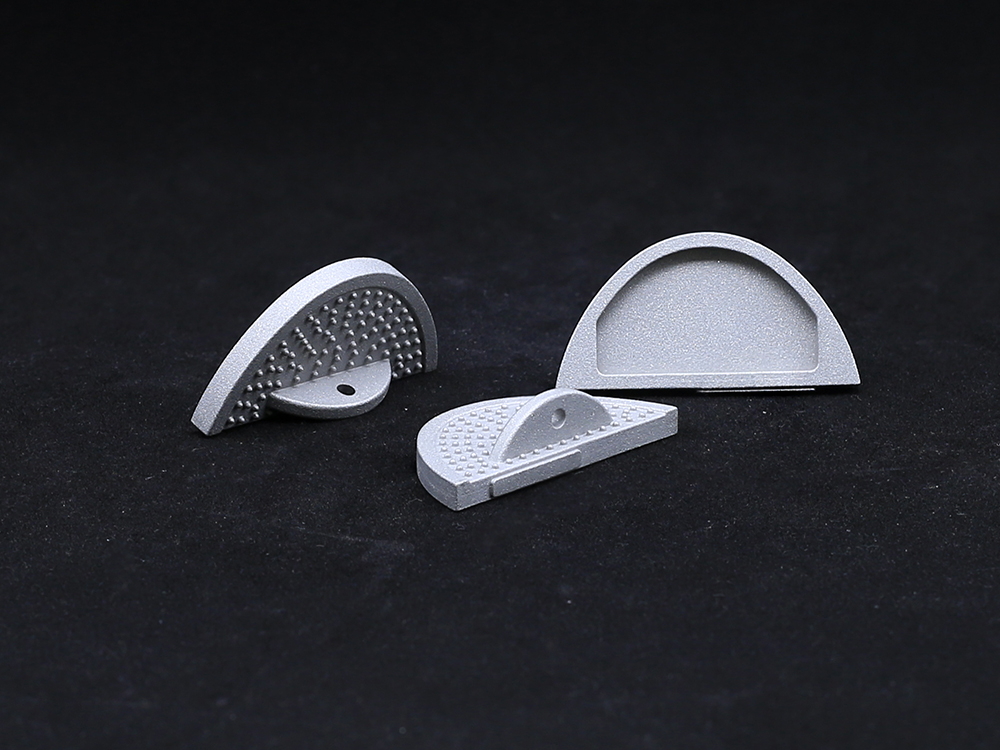 Bump Half PlatformManufactured from biocompatible, high-strength materials like titanium or cobalt-chromium alloys, it ensures durability and long-term performance. Ideal for knee, hip, or other joint replacements, the Bump Half Platform enhances surgical efficiency, minimizes inventory needs, and delivers reliable clinical outcomes with optimal joint alignment and function.
-
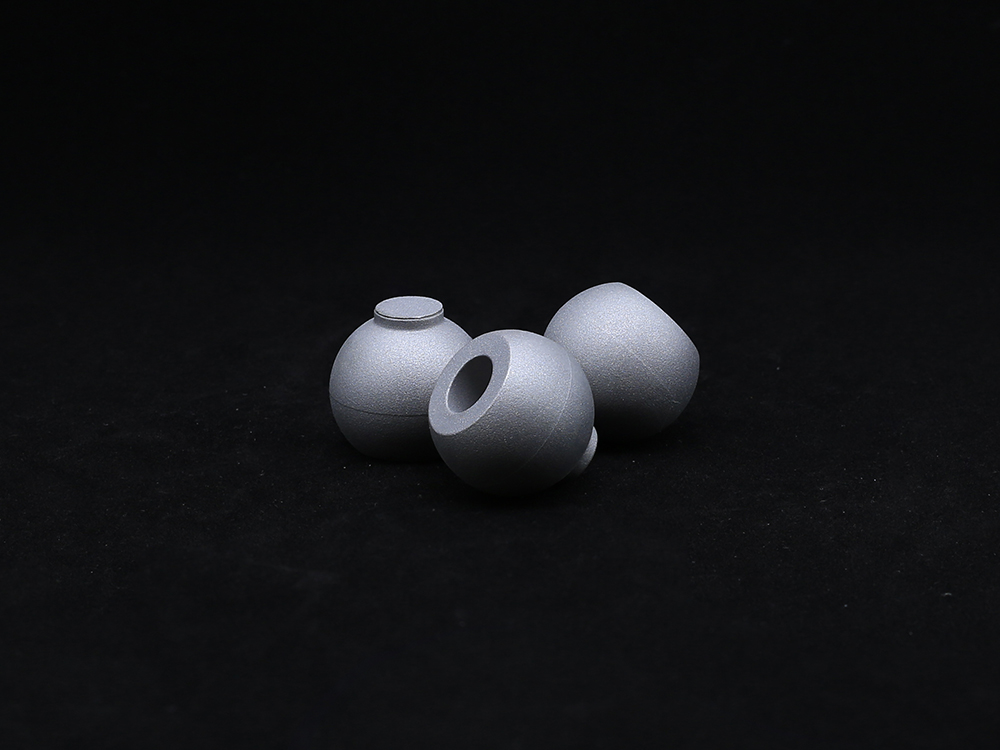 Ball HeadOur Ball Head component is designed for use in joint replacement procedures, particularly in hip and shoulder arthroplasty. Crafted from high-strength materials such as cobalt-chromium alloy or ceramic, the ball head ensures excellent wear resistance and long-term durability.
-
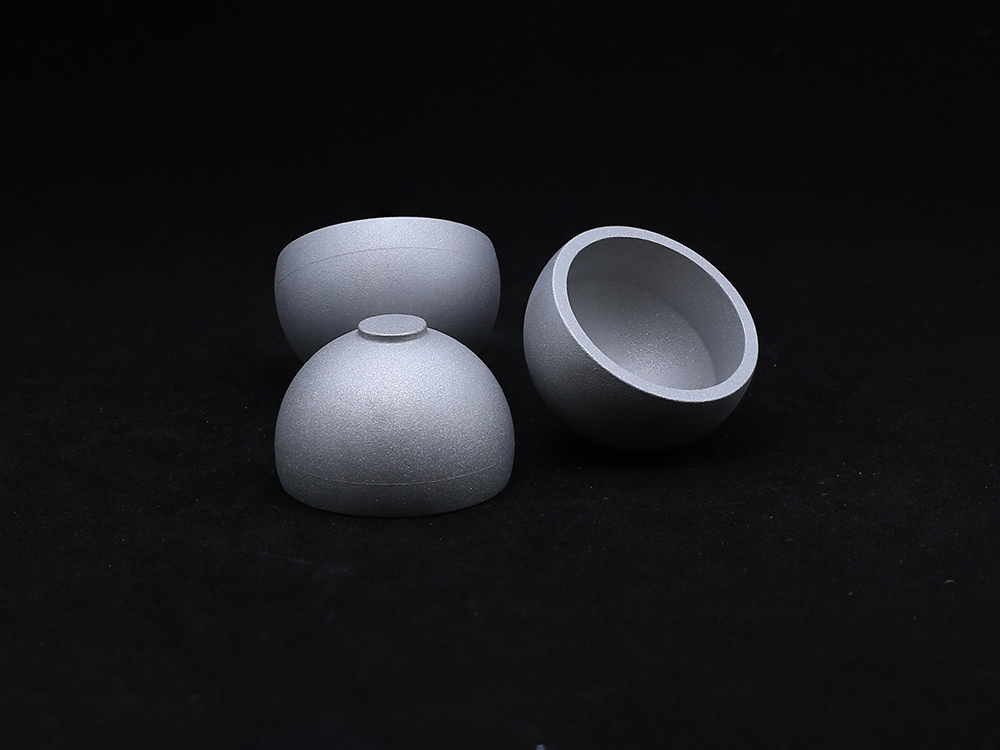 Metal CupOur Metal Cup is a critical component in hip joint replacement systems, designed to provide a durable and secure base for the acetabular implant. Manufactured from high-strength materials such as titanium alloy or cobalt-chromium, the Metal Cup offers excellent wear resistance, corrosion resistance, and long-term stability. Its anatomical design ensures proper alignment and load distribution, while its surface finish promotes optimal bone fixation.
-
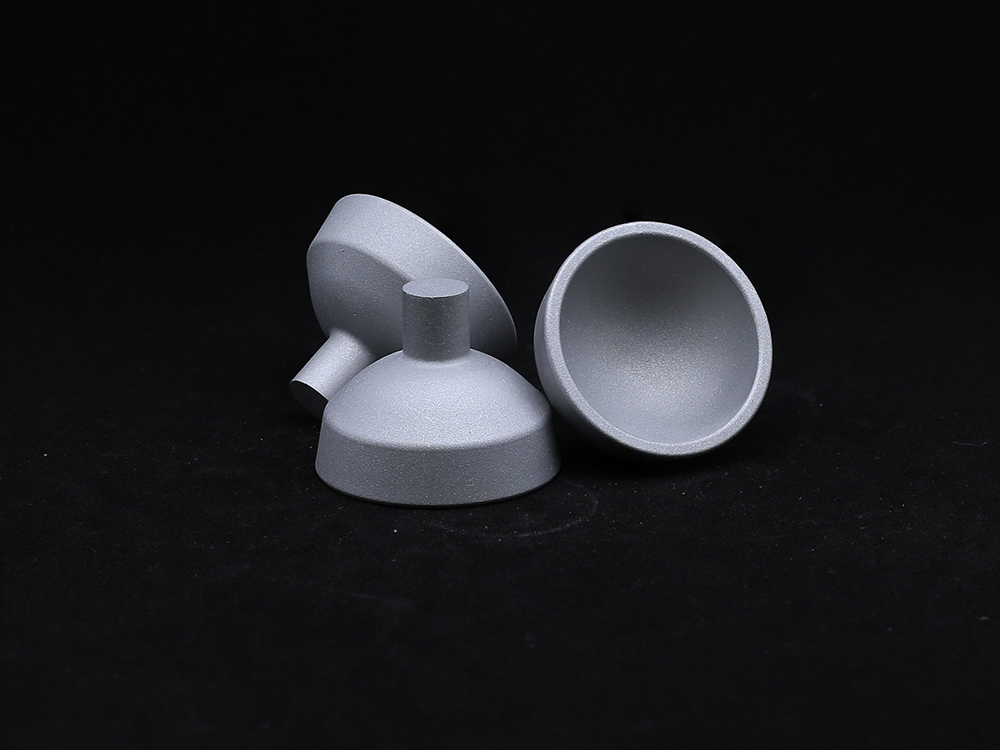 Acetabular CupMade from high-strength materials such as titanium alloy or cobalt-chromium, the Acetabular Cup ensures durability, corrosion resistance, and long-lasting performance. Its anatomical shape promotes optimal alignment and load distribution, reducing wear on bearing surfaces.
-
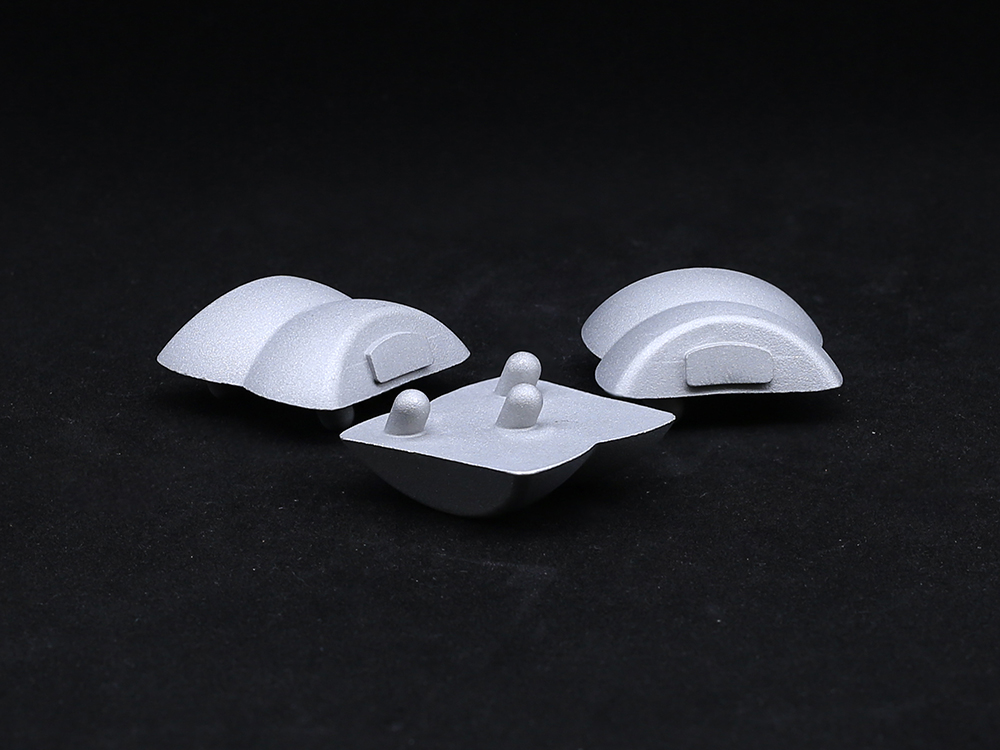 TalusTitanium alloys or PEEK materials that meet international medical standards are selected, featuring both strength and biocompatibility, effectively reducing the risk of rejection and promoting bone integration.
-
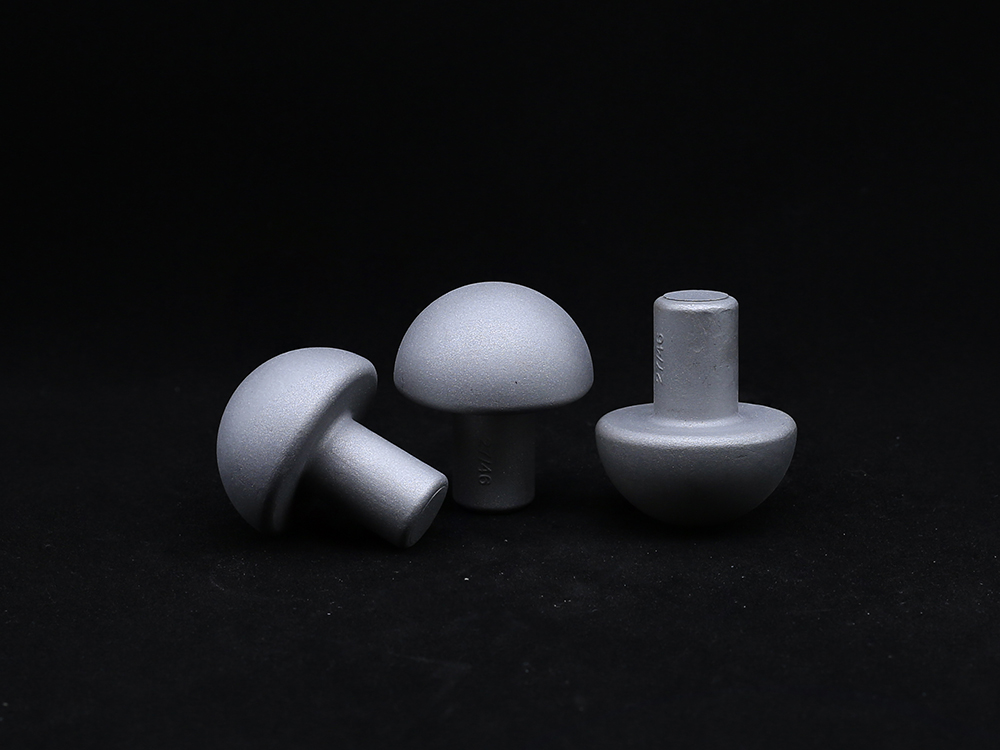 Humeral HeadAvailable in a range of diameters and offsets, they are designed to accommodate diverse patient anatomies and ensure proper soft tissue tensioning. Each humeral head is precisely machined from high-strength cobalt-chromium or ceramic materials, offering excellent wear resistance and biocompatibility.
-
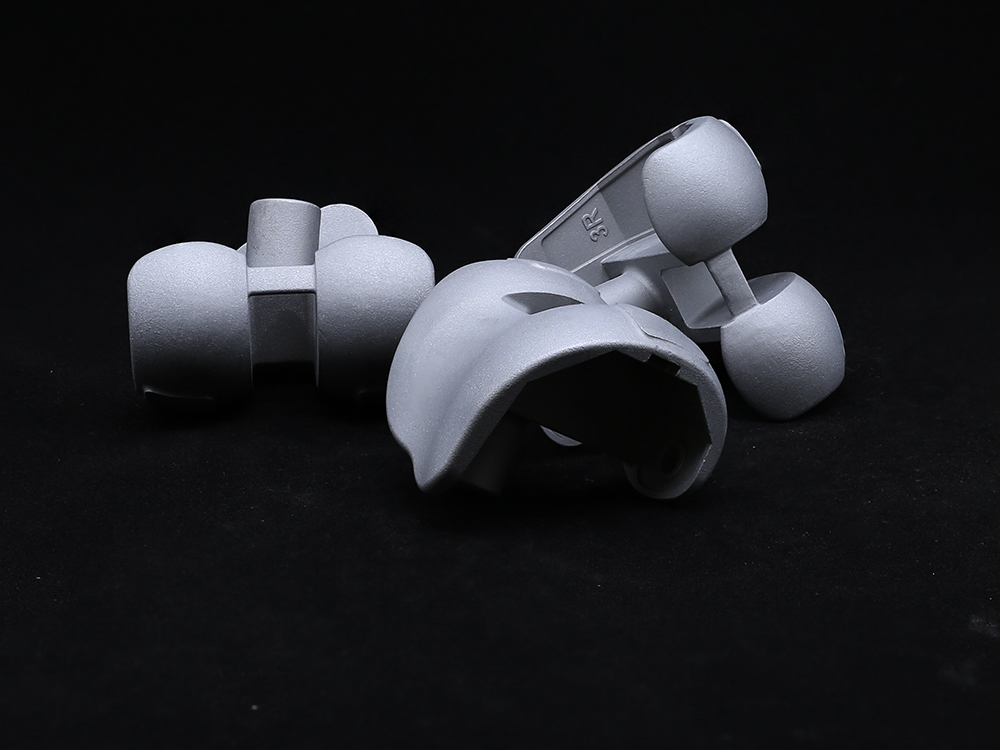 Revision Femoral CondyleThe Revision Femoral Condyle is engineered for use in knee revision surgeries, providing reliable solutions for patients requiring joint reconstruction due to implant failure, loosening, or wear. Made from biocompatible materials such as cobalt-chromium alloy, the revision condyle features enhanced durability and resistance to wear. Its design includes optimized geometry to restore proper knee function and alignment, ensuring a secure fit even in cases of significant bone loss.
-
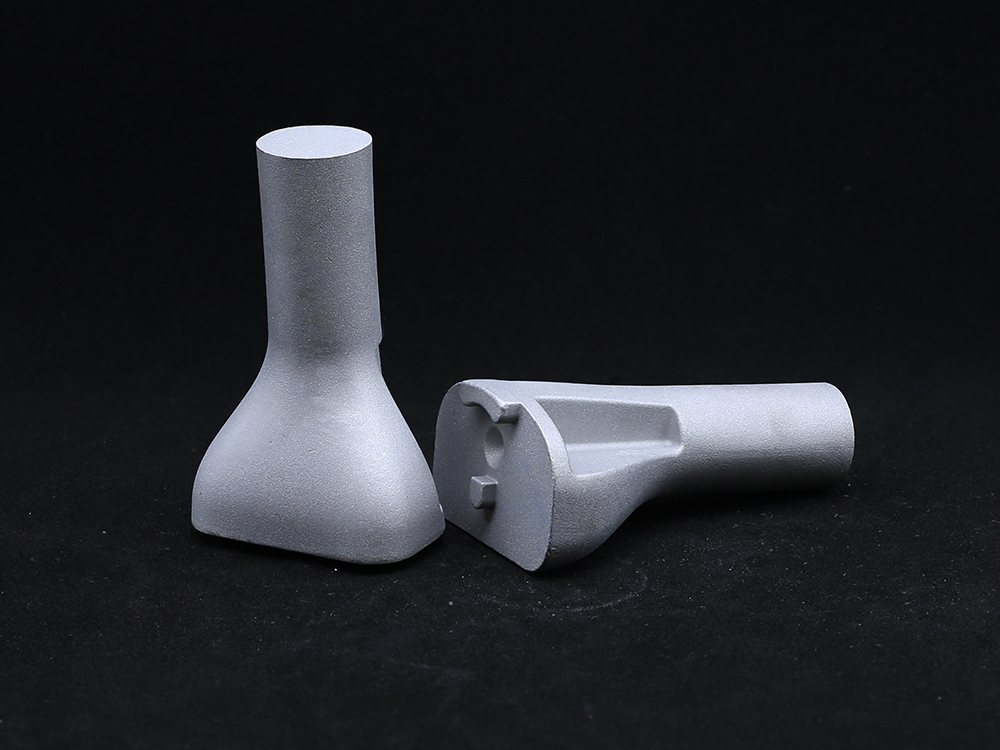 Tibial PlateauAvailable in both fixed-bearing and mobile-bearing configurations, the implants include modular baseplates and polyethylene inserts to accommodate various patient anatomies and surgical techniques.
Get a Custom Solution!
Contact Us To Provide You With More Professional Services


