- Tel: +8613911709825 /
- Email: ry@rays-casting.com /

Humeral Head Implant Manufacturing: Materials, AVN Applications, and Casting Solutions
Humeral Head Implant Manufacturing: Materials, AVN Applications, and Casting Solutions
The humeral head is a key anatomical structure of the shoulder and plays an essential role in upper-limb movement. When conditions such as avascular necrosis affect the proximal humerus, damage to the joint surface and underlying bone may eventually require orthopedic reconstruction. For medical-device manufacturers and orthopedic implant buyers, understanding the connection between shoulder anatomy, AVN-related problems, implant components, material selection, and precision manufacturing provides a practical framework for evaluating implant blanks and casting suppliers.

Humeral Head Anatomy and the Anatomical Head of Humerus in Shoulder Function
The anatomical head of humerus is the rounded proximal end of the humerus that articulates with the glenoid cavity of the scapula. Together, these structures form the glenohumeral joint, which allows the shoulder to perform a wide range of movements. The shape and orientation of the humeral head contribute to the relationship between the upper arm and shoulder socket.
Unlike a simple hinge joint, the shoulder requires coordinated movement between bones, cartilage, muscles, tendons, and ligaments. The humeral head therefore needs to maintain an appropriate relationship with the glenoid during normal motion. Its spherical geometry is an important consideration when an orthopedic implant is designed to replace or reconstruct the damaged portion of the joint.
For implant manufacturers, the anatomical head of humerus provides the clinical and anatomical starting point for understanding component geometry. The final implant may need carefully controlled dimensions and surfaces because its design is directly related to the intended shoulder reconstruction system.
AVN Humeral Head and AVN Humerus: Understanding the Orthopedic Problem
AVN humeral head refers to avascular necrosis affecting the humeral head, a condition in which impaired blood supply can result in damage to bone tissue. As the condition progresses, structural changes may develop in the affected area, potentially influencing the shape and function of the shoulder joint.
The term AVN humerus is also used when discussing avascular necrosis involving the proximal humerus. The clinical presentation and appropriate treatment depend on factors such as disease stage, extent of bone involvement, symptoms, and the condition of the surrounding joint structures. Not every case requires an implant, and treatment decisions should be made by qualified healthcare professionals.
From an orthopedic manufacturing perspective, advanced damage to the humeral head can create a need for reconstructive or replacement components. When surgical intervention involves an implant, the component must be designed around the anatomical and mechanical requirements of the shoulder.
This clinical background is important for buyers because it explains why shoulder implant manufacturing requires more than general metalworking capability. The supplier needs to understand that the casting blank will become part of a precision medical component whose geometry is connected to the patient's anatomy and the overall implant system.
Humeral Head Implant Components for Shoulder Reconstruction
A humeral head implant component is designed to reproduce the rounded geometry of the proximal humerus within an artificial shoulder system. Depending on the implant configuration, the component may interact with a glenoid-side implant or function within a different shoulder reconstruction design.
The geometry of the humeral head is consequently one of the most important considerations during implant development. Diameter, curvature, connection features, and dimensional relationships with other components may all be specified by the medical-device manufacturer. A casting blank must provide a reliable foundation for subsequent machining and finishing.
For OEM projects, the supplier may also need to support drawing review and sample development. Different implant programs can involve different dimensions, material specifications, and technical requirements. A flexible manufacturing process can make it easier to move from prototype or sample production to repeat orders.
When sourcing a humeral head implant blank, buyers should therefore evaluate the supplier's ability to maintain consistent geometry, communicate technical details, and provide controlled blanks suitable for downstream precision processing.
AVN Humeral Head Implant Materials and CoCrMo Considerations
Material selection is a central consideration for an AVN humeral head implant program. Orthopedic components may use materials selected according to the implant design, mechanical requirements, manufacturing process, and applicable medical-device specifications. Cobalt-chromium-molybdenum, commonly known as CoCrMo, is one alloy family used in orthopedic implant applications because of its mechanical properties, corrosion resistance, and wear resistance.
For an AVN humeral head, however, simply identifying an alloy is not enough when evaluating a manufacturing supplier. Buyers should also examine raw material control, melting practices, casting conditions, and inspection procedures. Consistency at the material stage provides a more dependable foundation for subsequent machining and finishing.
Material considerations should also be connected with the final component design. The supplier should understand the customer's material specification and maintain appropriate controls throughout production. This is particularly relevant for OEM customers that require repeatable results across multiple batches.
A transparent material-control process can help medical-device manufacturers evaluate whether a casting supplier is prepared to support long-term orthopedic component production rather than only one-time sample orders.
Humeral Head Manufacturing Through Investment Casting and Precision Processing
For a humeral head component, investment casting can provide a useful starting point for producing a complex three-dimensional metal blank. The casting establishes the preliminary form, after which machining, finishing, and inspection can bring the component toward its final technical requirements.
Manufacturing control is important at each stage. Pattern and mold preparation, casting allowances, shrinkage management, surface condition, dimensional repeatability, and inspection can all influence the quality of the resulting blank. A stable process can reduce unnecessary downstream correction and make production more predictable.
For manufacturers working on AVN humerus implant programs, sampling and process development can be particularly important. Before regular production begins, engineering teams may need to review drawings, confirm manufacturing feasibility, evaluate samples, and refine process parameters.
A supplier should therefore be assessed not only by its ability to cast metal, but also by how effectively it manages the transition from technical requirements to repeatable production. This is especially valuable for medical-device companies developing customized orthopedic components.
Anatomical Head of Humerus Manufacturing Support from Ray's Casting
The anatomical head of humerus represents a technically demanding anatomical form, making supplier experience an important consideration when developing related orthopedic castings. Ray's Casting focuses on artificial joint and orthopedic casting applications and provides casting capabilities for components used in different joint-replacement programs.
For customers developing humeral head components, supplier evaluation can include several connected areas: understanding of anatomical requirements, orthopedic component experience, material control, investment casting, dimensional inspection, and support for customized production.
The same approach can be applied when sourcing components associated with an AVN humeral head or AVN humerus application. The clinical condition provides the reason for reconstruction, the anatomy defines the component requirements, the material establishes important performance characteristics, and manufacturing determines how consistently the design can be translated into a usable implant blank.
-
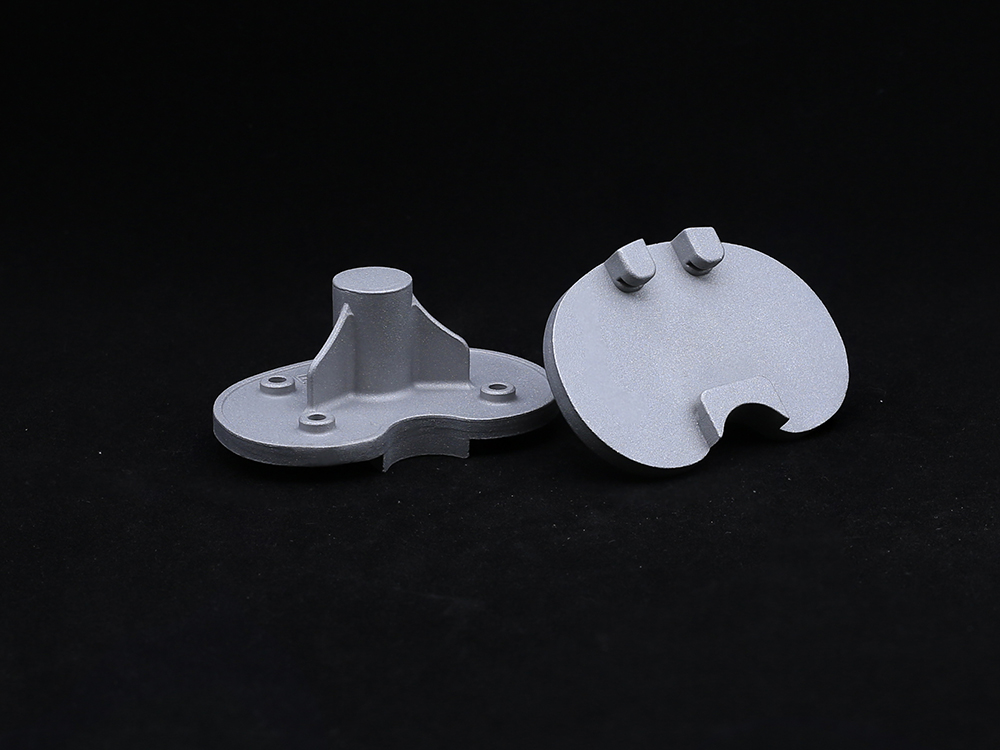 Refurbished PlatformCarefully Reprocessed To Meet The Highest Quality And Safety Standards, This Platform Is Ideal For Patients Requiring Revision Surgeries Or Those Seeking A Sustainable Option.
-
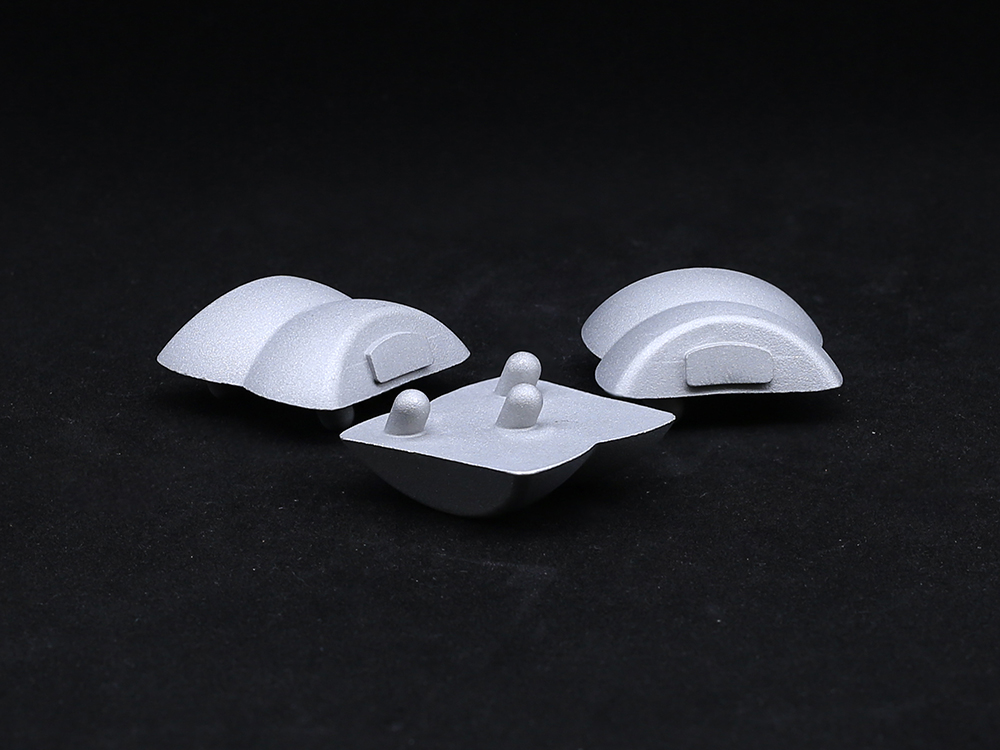 TalusTitanium alloys or PEEK materials that meet international medical standards are selected, featuring both strength and biocompatibility, effectively reducing the risk of rejection and promoting bone integration.
-
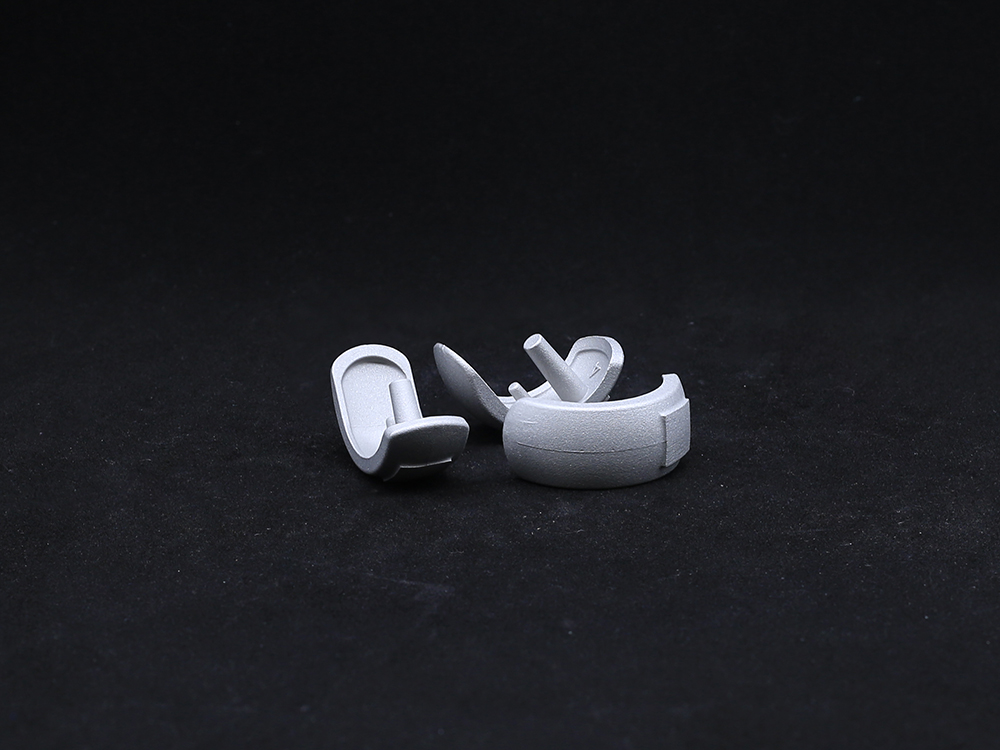 Half KneeThis minimally invasive solution preserves healthy bone, ligaments, and joint structures, enabling faster recovery and more natural knee kinematics. The system includes femoral and tibial components made from durable cobalt-chromium alloys and wear-resistant polyethylene inserts.
-
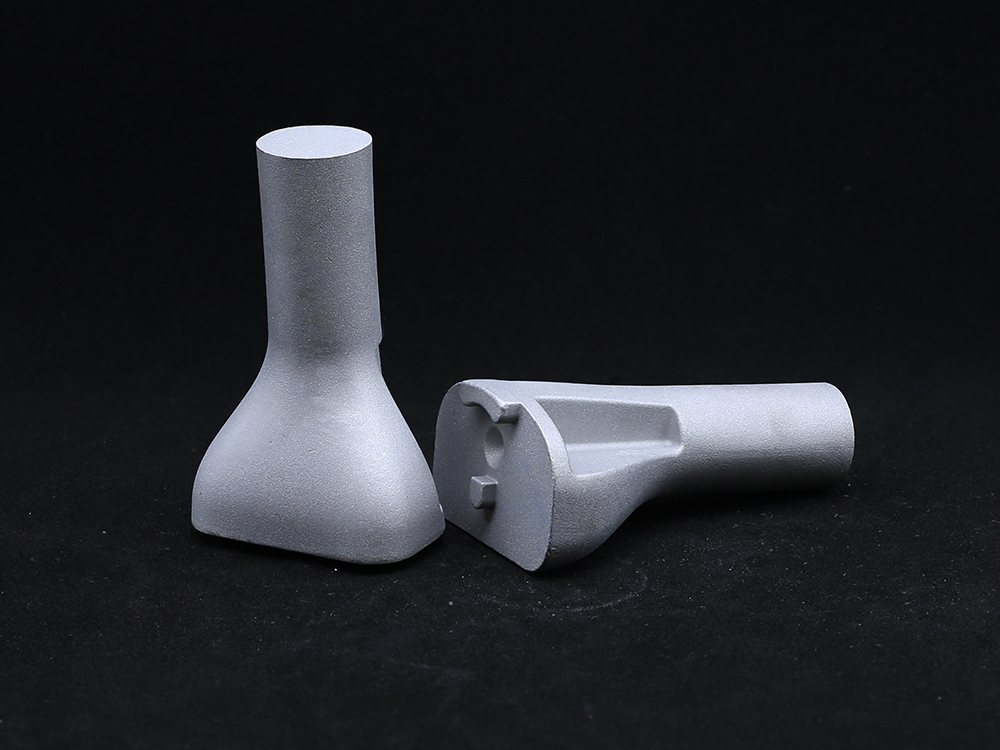 Tibial PlateauAvailable in both fixed-bearing and mobile-bearing configurations, the implants include modular baseplates and polyethylene inserts to accommodate various patient anatomies and surgical techniques.
-
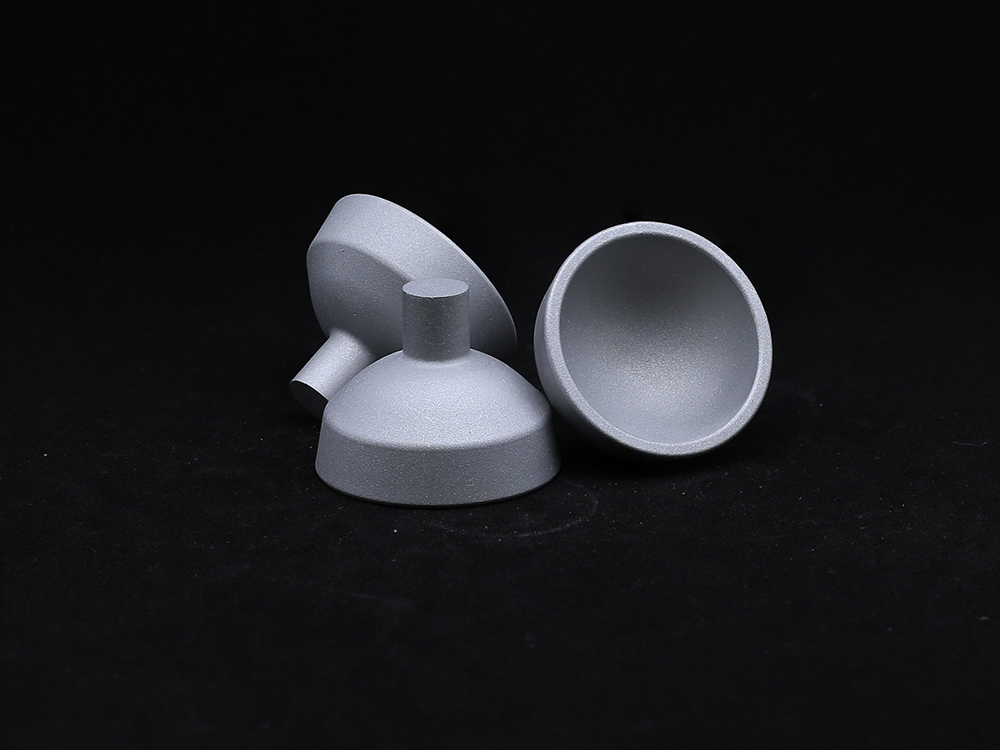 Acetabular CupMade from high-strength materials such as titanium alloy or cobalt-chromium, the Acetabular Cup ensures durability, corrosion resistance, and long-lasting performance. Its anatomical shape promotes optimal alignment and load distribution, reducing wear on bearing surfaces.
-
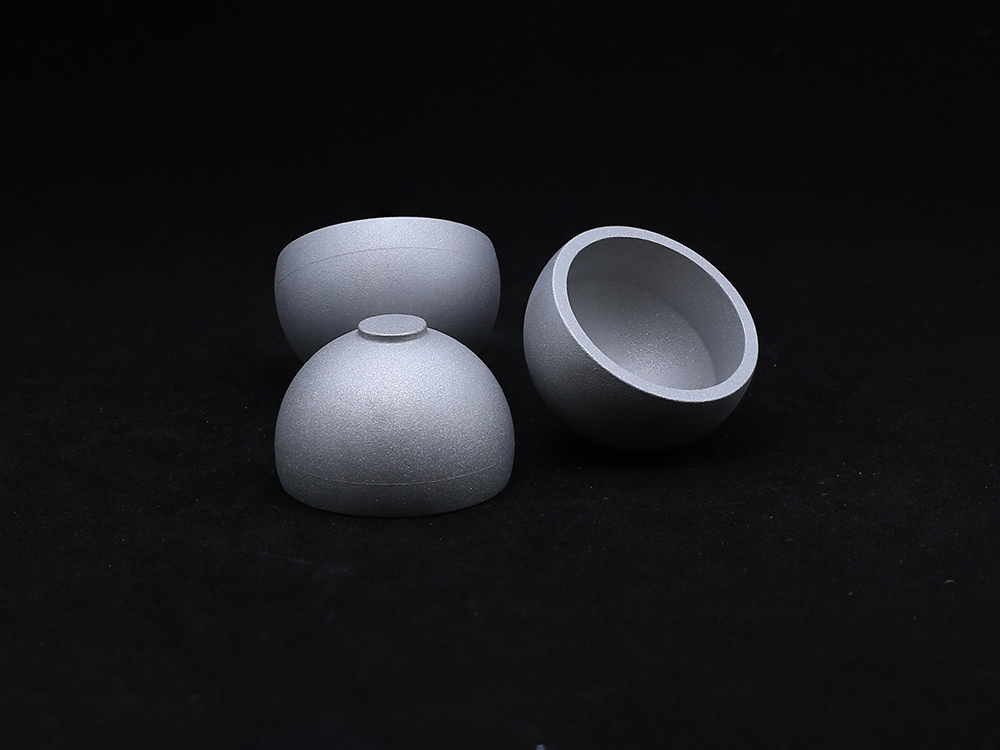 Metal CupOur Metal Cup is a critical component in hip joint replacement systems, designed to provide a durable and secure base for the acetabular implant. Manufactured from high-strength materials such as titanium alloy or cobalt-chromium, the Metal Cup offers excellent wear resistance, corrosion resistance, and long-term stability. Its anatomical design ensures proper alignment and load distribution, while its surface finish promotes optimal bone fixation.
-
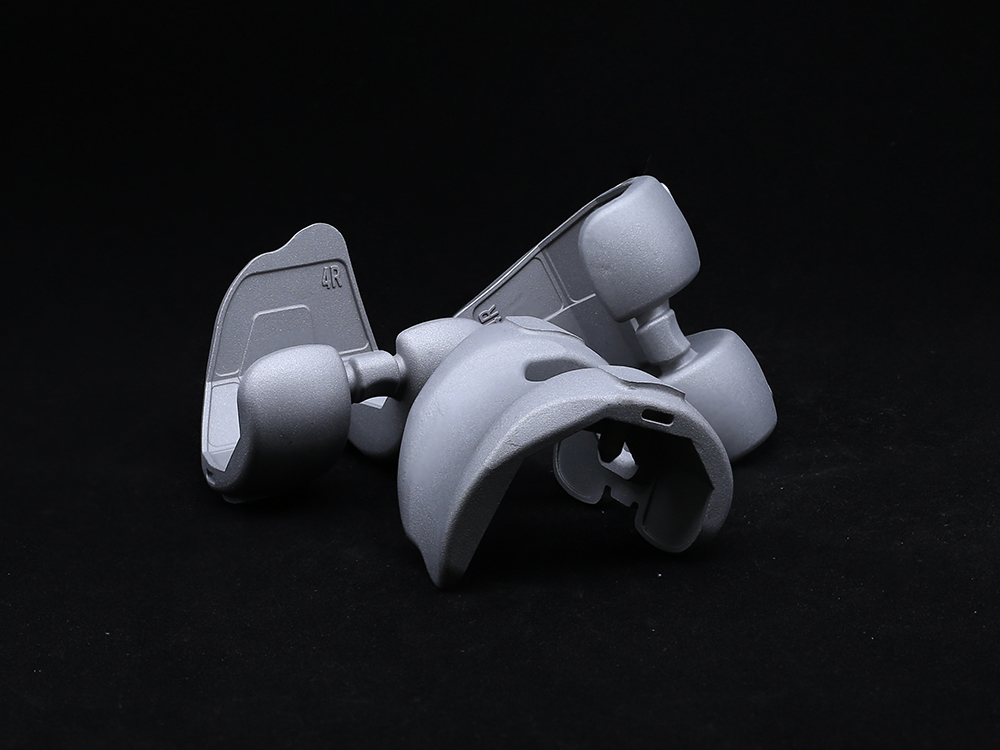 Femoral CondyleOur Half Platform system is designed to offer modular versatility in joint replacement procedures, particularly for hip and knee applications. It allows surgeons to combine components from different implant systems while maintaining biomechanical integrity and surgical efficiency.
-
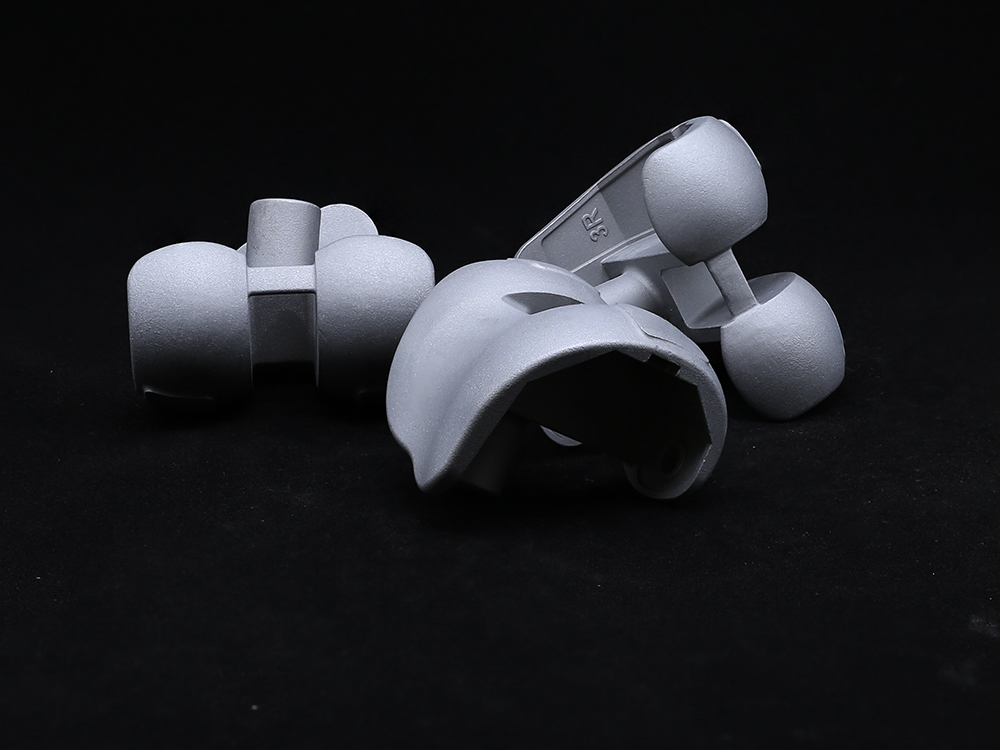 Revision Femoral CondyleThe Revision Femoral Condyle is engineered for use in knee revision surgeries, providing reliable solutions for patients requiring joint reconstruction due to implant failure, loosening, or wear. Made from biocompatible materials such as cobalt-chromium alloy, the revision condyle features enhanced durability and resistance to wear. Its design includes optimized geometry to restore proper knee function and alignment, ensuring a secure fit even in cases of significant bone loss.
Get a Custom Solution!
Contact Us To Provide You With More Professional Services


