- Tel: +8613911709825 /
- Email: ry@rays-casting.com /
Reshaping the Ankle Joint: From Synovial Structure to Ball and Socket Design, Deconstructing Modern Total Ankle Replacement Systems
Reshaping the Ankle Joint: From Synovial Structure to Ball and Socket Design, Deconstructing Modern Total Ankle Replacement Systems
The core clinical driver for ankle arthroplasty comes from post-traumatic ankle osteoarthritis. Talar fractures account for 3.4% of foot fractures, with a high risk of avascular necrosis after injury, potentially leading to talar collapse, bone loss, and ankle deformity in severe cases. The articular surface area of tibial Pilon fractures (approximately 600 mm²) is far smaller than that of the tibial plateau (approximately 1200 mm²), resulting in higher energy transfer per unit area across the tibiotalar joint, more severe chondrocyte damage, and a significantly elevated incidence of post-traumatic arthritis.
From an anatomical zoning perspective, prosthesis design faces two distinct interface requirements:
Talar Side is the core of the motion interface. The talar dome bears the entire load transmitted from the distal tibia, and its articular surface withstands cyclic stress of multiple body weights during normal gait. When avascular necrosis or collapse of the talus occurs, conventional total ankle prostheses often lack sufficient bone support for the talar component, leading to a significantly increased risk of subsidence. To address this challenge, the recently developed "Total Ankle and Total Talus Replacement (TATTR)" uses patient-specific total talus prostheses to restore talar anatomy and improve load transmission.
Tibial Side primarily serves as the fixation interface. The distal tibia has relatively adequate bone stock, but the quality of osseointegration directly determines long-term prosthesis stability. Tibial trays with dual calcium phosphate coatings have demonstrated the longest service life.

Material Selection: Functional Division Between CoCrMo and Titanium Alloy
The material strategy for total ankle prostheses follows the principle of "CoCrMo for motion interfaces, titanium alloy for bone-contact interfaces."
CoCrMo: The Preferred Choice for Articular Bearing Surfaces
CoCrMo alloy (such as Zimaloy®) provides excellent mechanical strength and wear resistance, serving as the standard material for the talar component articular surface. In the Zimmer Trabecular Metal Total Ankle, for example, the talar component is machined from forged CoCrMo alloy and diffusion-bonded to a porous tantalum surface through a commercially pure titanium intermediate layer. The core advantage of CoCrMo lies in its high wear resistance, but its potential risk is that metal ion release may cause periprosthetic osteolysis and aseptic loosening.
Titanium Alloy: The Preferred Choice for Osseointegration Interfaces
Ti6Al4V has an elastic modulus (101–113 GPa) significantly lower than CoCrMo, closer to cortical bone (5–23 GPa), which effectively reduces stress shielding-induced bone loss. The osseointegration performance of titanium alloy makes it particularly suitable for tibial components, where long-term stable fixation of the bone-prosthesis interface is critical. However, titanium alloy has poor tribological properties and is not suitable as a direct articular bearing surface; it must be used in combination with CoCrMo/polyethylene or through surface modification.
Integrated Design of Titanium Alloy and CoCrMo
In actual products, the two materials are often used in an integrated manner. A 3D-printed ankle joint system prosthesis patent employs a composite structure of "titanium alloy talar prosthesis + CoCrMo talar prosthesis": the titanium alloy portion is responsible for integration with host bone, while the CoCrMo portion provides the articular bearing surface, with the two connected through a mating structure. This zoned design simultaneously addresses the dual requirements of osseointegration and wear resistance.
Application of Investment Casting in Ankle Prosthesis Blanks
Process Principle and Positioning
Investment casting (lost-wax casting) is a classic process route for forming ankle prosthesis blanks. Its core workflow includes: wax pattern fabrication → shell mold preparation → dewaxing → high-temperature firing → metal melting and pouring → shell removal and post-processing. For ankle prostheses, the value of this process lies in achieving near-net-shape forming of complex curved contours in a single operation.
Key Process Control
Vacuum induction melting is the core step ensuring CoCrMo casting quality. Melting under vacuum or inert atmosphere prevents alloy oxidation and contamination, ensuring high purity and microstructural uniformity of the casting.
Dimensional accuracy control is a challenge in ankle prosthesis casting. The ankle anatomy is complex, and the matching accuracy between the talar dome curvature radius and the distal tibial articular surface directly affects prosthetic kinematic performance. According to casting supplier data, advanced investment casting processes can control the machining allowance tolerance of CoCrMo ankle prosthesis blanks to ±0.3 mm.
Microstructure and mechanical properties: The carbide distribution and grain size of as-cast CoCrMo alloy must be regulated through subsequent heat treatment to meet the mechanical property requirements of ASTM F75 and other standards for implant-grade cobalt-based alloys.
Comparative Positioning with Additive Manufacturing
Additive manufacturing (3D printing) demonstrates unique advantages in personalized customization, enabling direct production of patient-specific prostheses with porous structures based on CT data. However, investment casting still holds advantages in mass production, cost control, and material density. Casting blanks serve as the "near-net-shape" starting point, with final dimensions and surface quality achieved through subsequent precision machining. This "casting + machining" combined process has long been established in hip and knee prosthesis manufacturing and is equally applicable to ankle prostheses.
Ray's Casting Ankle Casting Capability Support
Based on publicly available manufacturing capability information, Ray's Casting (Hebei Ruiyiyuantong Technology Co., Ltd.) possesses the following key capabilities in ankle prosthesis blank casting:
Capability Dimension | Specific Parameters |
Material System | Medical-grade CoCrMo alloy, high-purity cobalt/chromium/molybdenum raw materials |
Melting Equipment | Vacuum induction melting furnace, preventing oxidation contamination |
Casting Process | Investment casting, silica sol shell mold system |
Dimensional Accuracy | Machining allowance tolerance ±0.3 mm |
Compliance Standards | ISO5832-4 (cobalt-based alloys for surgical implants), YY0117.3-2005 |
Production Capacity | 16,000 m² facility, over 1 million blanks supplied since 2021 |
Application Coverage | Hip, knee, shoulder, ankle joint blanks, custom per drawing |
Specifically for ankle applications, the TALUS ankle blank provided by Ray's Casting uses CoCrMo alloy as the base material, employs investment casting, and features a smooth off-white sheen surface, complying with ISO5832-4 and YY0117.3-2005 standards. This blank serves as a "near-net-shape" starting point, compatible with heat treatment and precision machining, ultimately used in the manufacture of talar or tibial components for ankle prostheses.
From an industry chain perspective, the core value of casting blank suppliers lies in providing prosthesis manufacturers with medical-standard-compliant CoCrMo near-net-shape parts at controllable cost and consistent batch quality, allowing the latter to concentrate resources on high-value-added stages such as articular surface precision machining, surface coating, and clinical validation.
Prev:
-
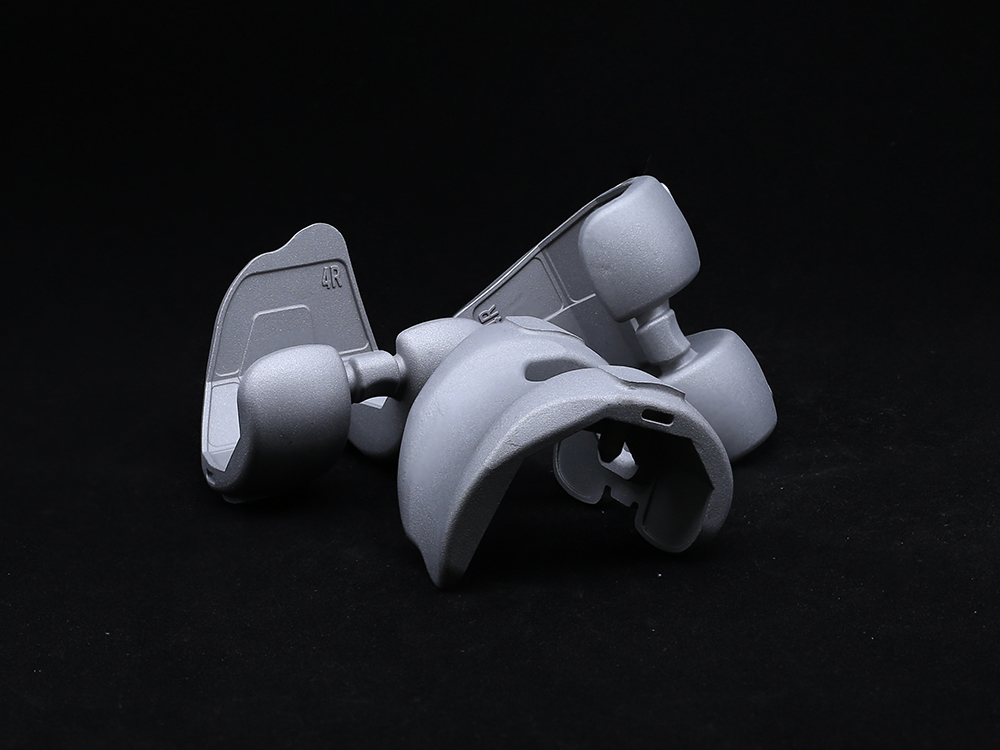 Femoral CondyleOur Half Platform system is designed to offer modular versatility in joint replacement procedures, particularly for hip and knee applications. It allows surgeons to combine components from different implant systems while maintaining biomechanical integrity and surgical efficiency.
-
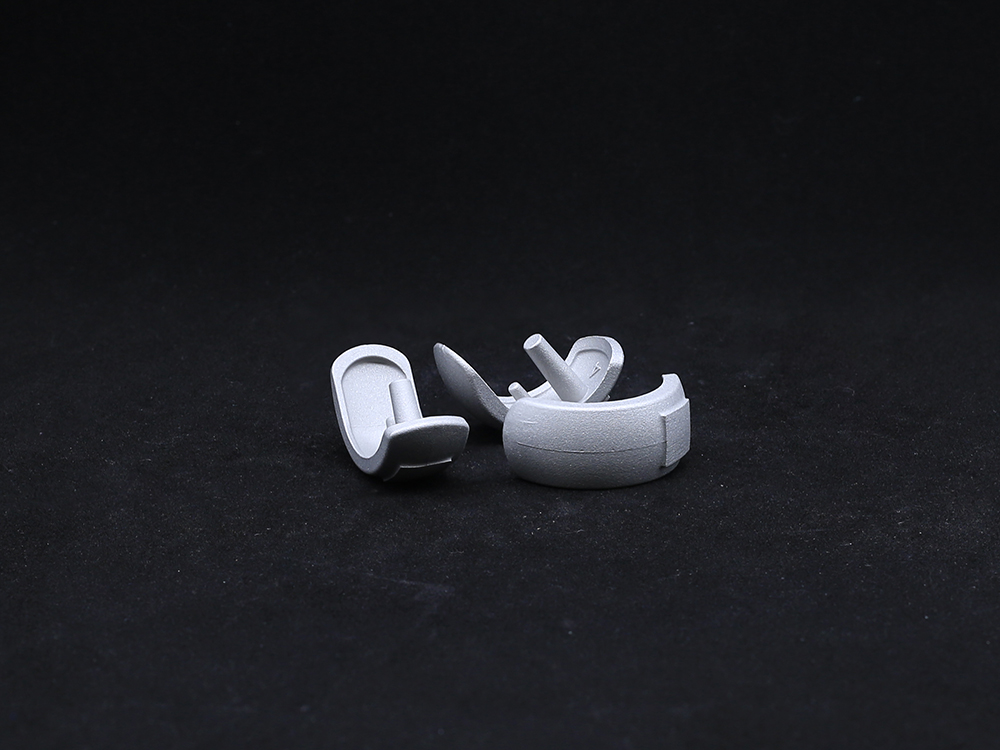 Half KneeThis minimally invasive solution preserves healthy bone, ligaments, and joint structures, enabling faster recovery and more natural knee kinematics. The system includes femoral and tibial components made from durable cobalt-chromium alloys and wear-resistant polyethylene inserts.
-
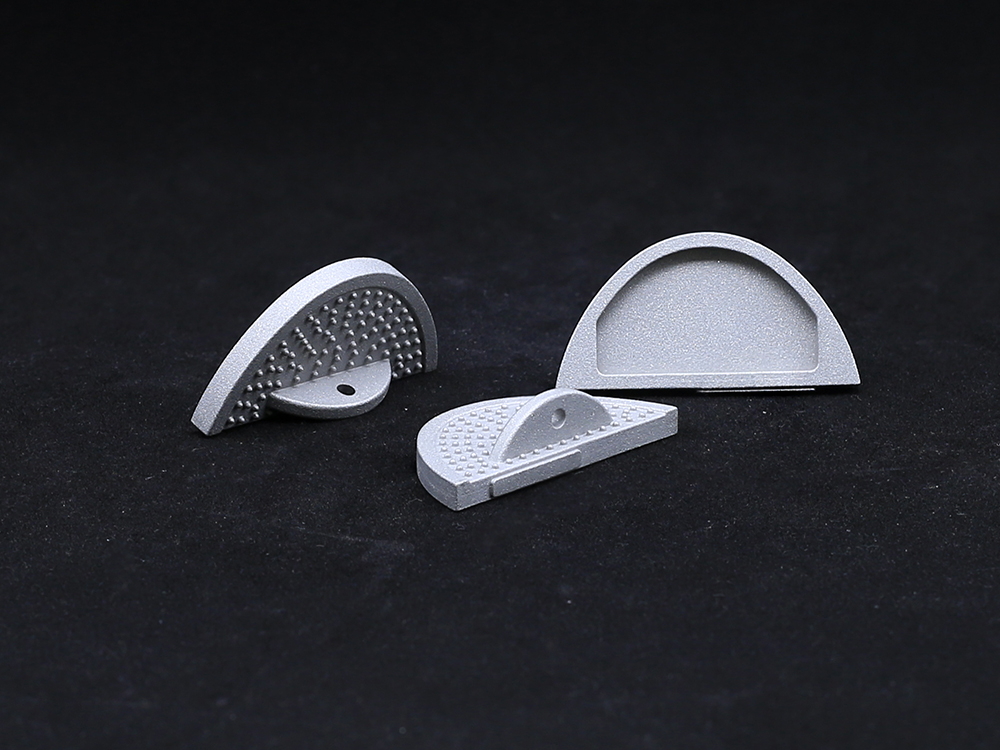 Bump Half PlatformManufactured from biocompatible, high-strength materials like titanium or cobalt-chromium alloys, it ensures durability and long-term performance. Ideal for knee, hip, or other joint replacements, the Bump Half Platform enhances surgical efficiency, minimizes inventory needs, and delivers reliable clinical outcomes with optimal joint alignment and function.
-
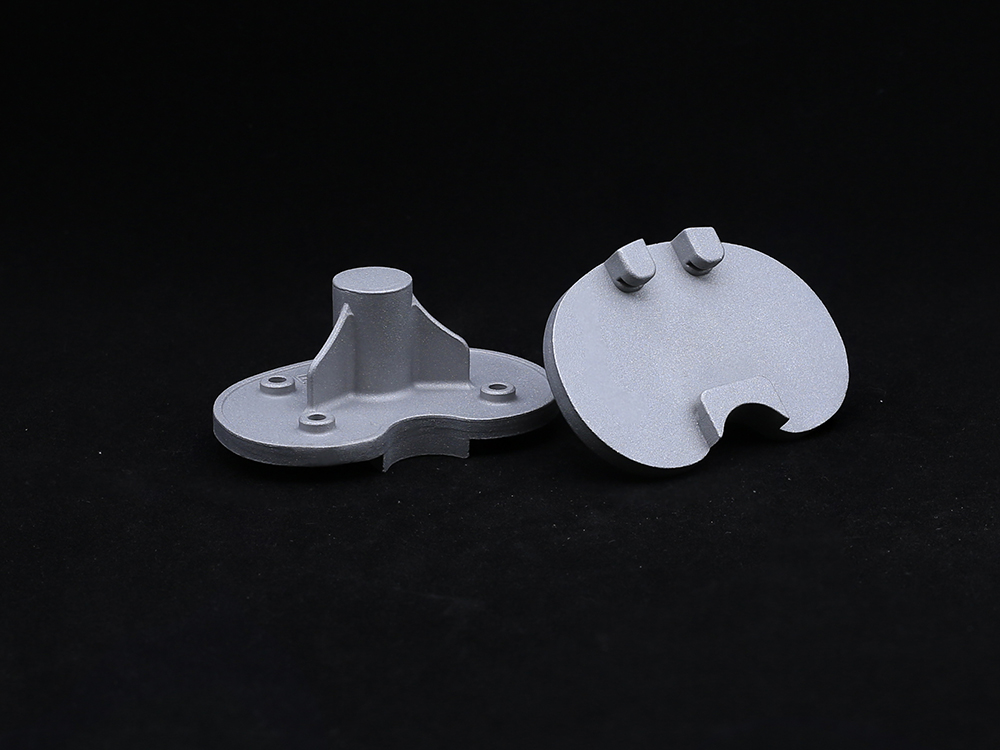 Refurbished PlatformCarefully Reprocessed To Meet The Highest Quality And Safety Standards, This Platform Is Ideal For Patients Requiring Revision Surgeries Or Those Seeking A Sustainable Option.
-
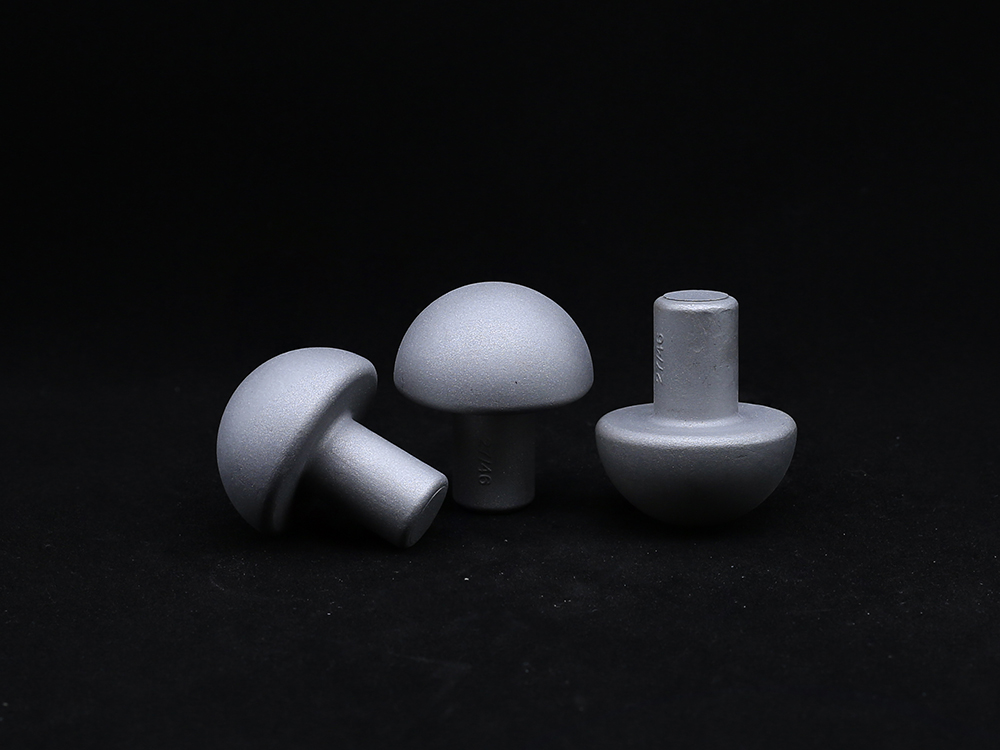 Humeral HeadAvailable in a range of diameters and offsets, they are designed to accommodate diverse patient anatomies and ensure proper soft tissue tensioning. Each humeral head is precisely machined from high-strength cobalt-chromium or ceramic materials, offering excellent wear resistance and biocompatibility.
-
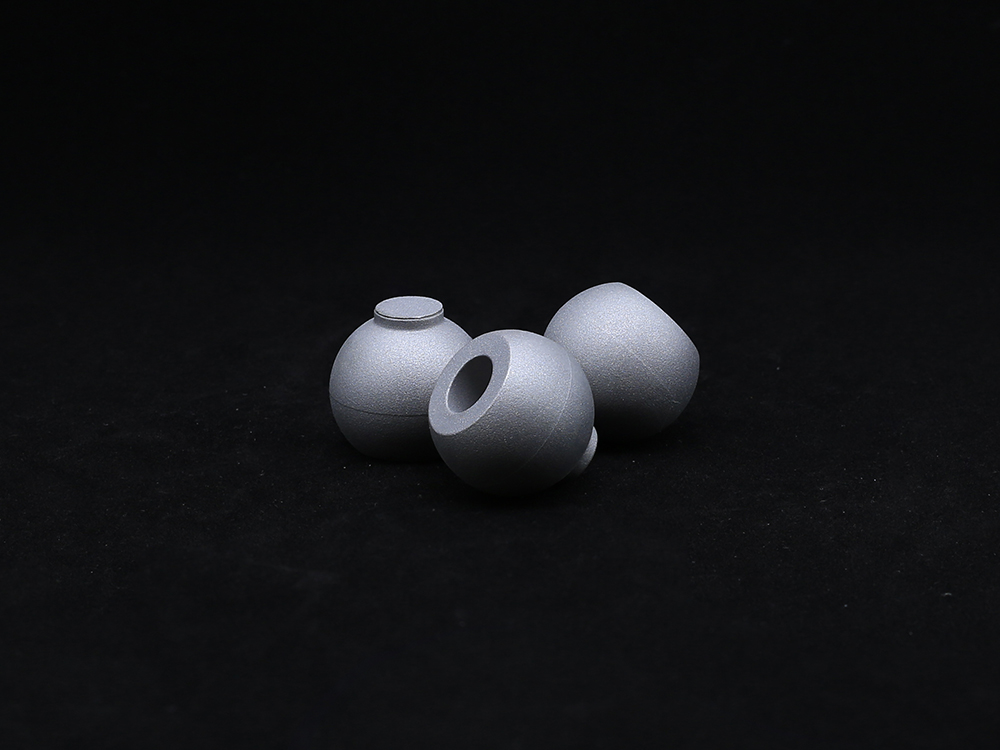 Ball HeadOur Ball Head component is designed for use in joint replacement procedures, particularly in hip and shoulder arthroplasty. Crafted from high-strength materials such as cobalt-chromium alloy or ceramic, the ball head ensures excellent wear resistance and long-term durability.
-
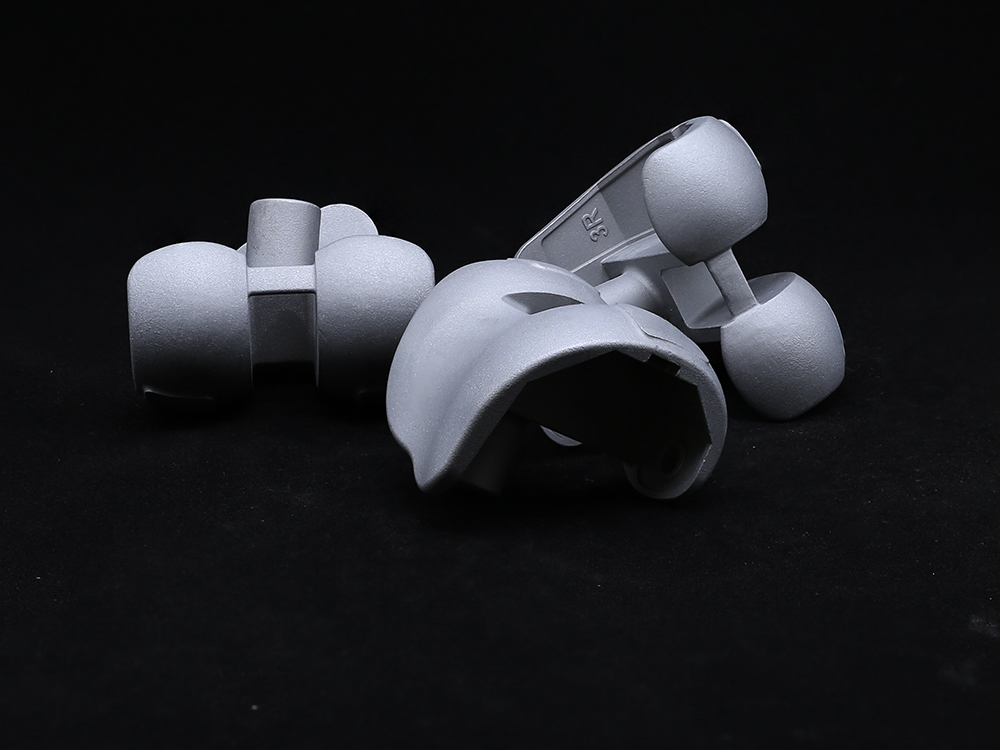 Revision Femoral CondyleThe Revision Femoral Condyle is engineered for use in knee revision surgeries, providing reliable solutions for patients requiring joint reconstruction due to implant failure, loosening, or wear. Made from biocompatible materials such as cobalt-chromium alloy, the revision condyle features enhanced durability and resistance to wear. Its design includes optimized geometry to restore proper knee function and alignment, ensuring a secure fit even in cases of significant bone loss.
-
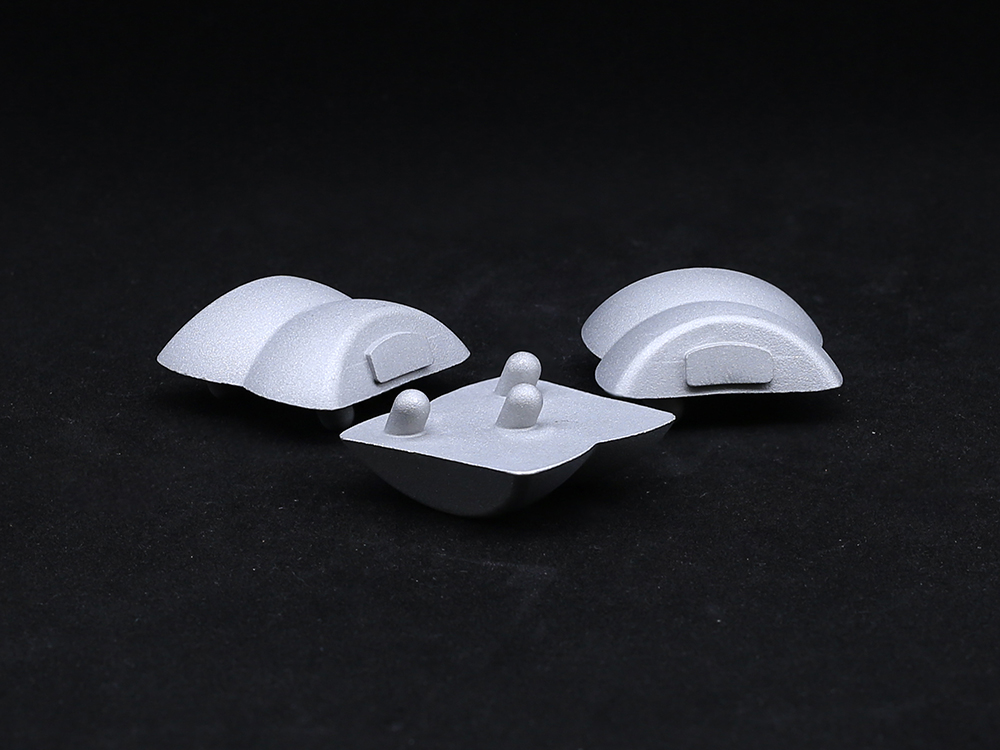 TalusTitanium alloys or PEEK materials that meet international medical standards are selected, featuring both strength and biocompatibility, effectively reducing the risk of rejection and promoting bone integration.
Get a Custom Solution!
Contact Us To Provide You With More Professional Services


