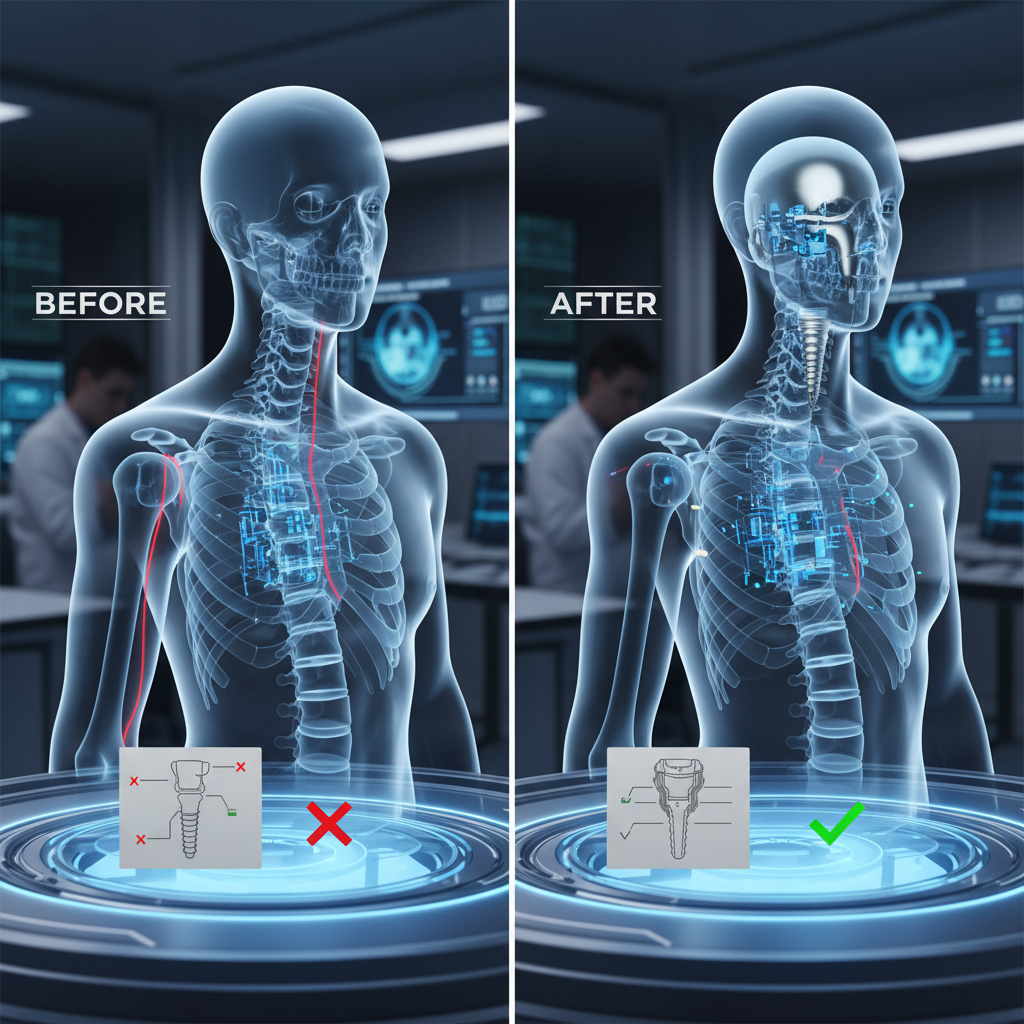
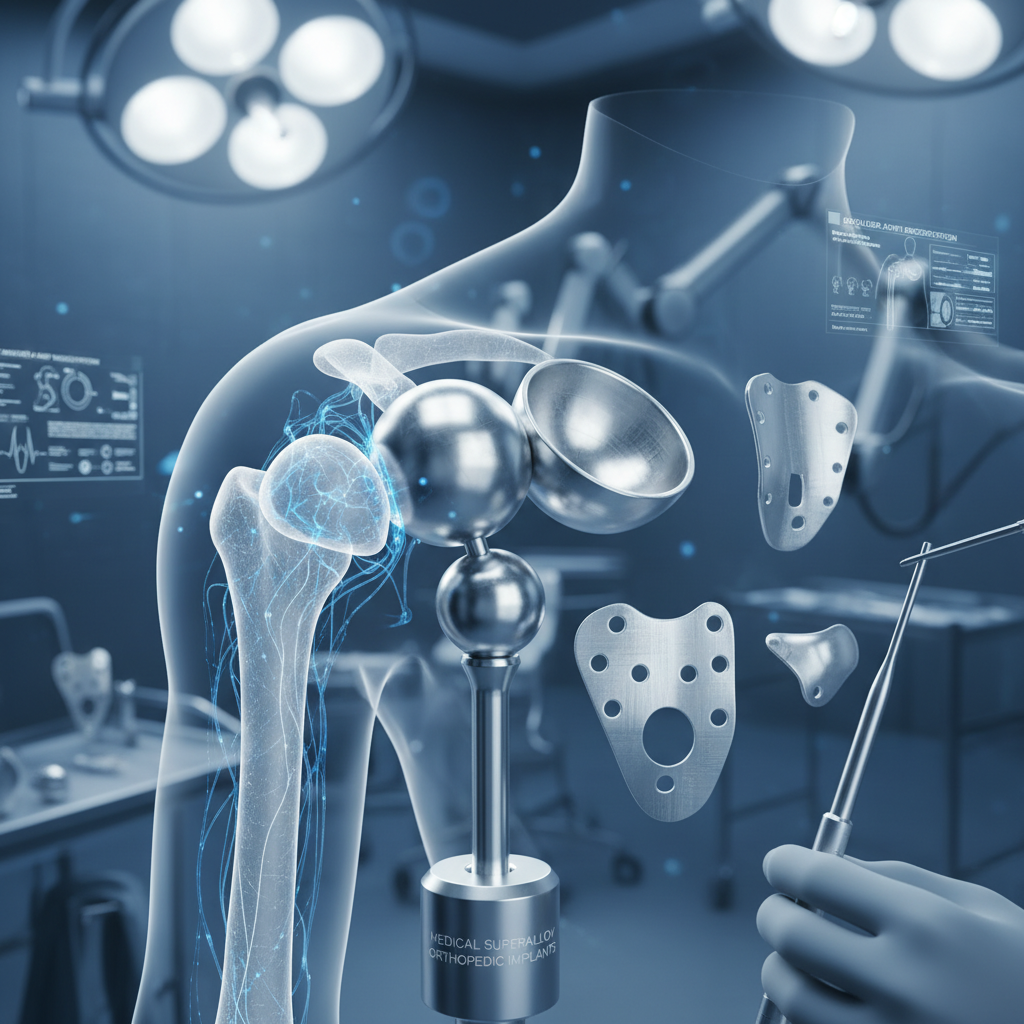
Knee replacement surgery is a transformative procedure designed to restore mobility and eliminate the debilitating effects of joint degeneration. However, the journey to recovery is often accompanied by various levels of discomfort, making it essential for patients and clinicians to understand the nature of pain after knee replacement surgery. By addressing these challenges through precision engineering and advanced materials, the medical community aims to optimize patient outcomes and accelerate the return to daily activities.
Across the globe, the prevalence of osteoarthritis and joint trauma has led to a surge in total knee arthroplasty. While the long-term prognosis is generally positive, the immediate postoperative phase often presents significant hurdles in pain management. Understanding the physiological and mechanical causes of this discomfort allows for the development of better surgical components and rehabilitation protocols, ensuring that the transition from surgery to stability is as seamless as possible.
The effectiveness of a joint replacement depends heavily on the quality of the implants used, such as the femoral condyles. When implants are manufactured with extreme precision, they reduce the likelihood of mechanical instability, which is a primary driver of pain after knee replacement surgery. By focusing on biocompatible materials and strict industry standards, manufacturers can provide a foundation for a more comfortable and lasting recovery for millions of patients worldwide.
Material Biocompatibility and Pain Reduction
The choice of material is paramount in minimizing postoperative complications. Cobalt-chromium-molybdenum alloy is utilized for artificial joint blanks due to its exceptional mechanical properties and biocompatibility. This high-strength material ensures that the implant can withstand the daily stresses of human movement without degrading, which is critical for preventing the inflammation and instability that often contribute to chronic pain.
Furthermore, the corrosion resistance of this alloy makes it an ideal candidate for long-term medical implantation. By resisting the harsh environment of the human body, these materials prevent the release of metallic ions that could otherwise cause tissue irritation. Reducing these biological stressors is a key step in mitigating the overall experience of pain after knee replacement surgery.
Precision Engineering for Patient Comfort
Precision is the cornerstone of a successful knee replacement. The femoral condyles, which are essential components of the joint, must be manufactured to a strict tolerance of ±0.3 mm. This level of accuracy ensures that the implant fits seamlessly with other components and the patient's natural anatomy, which is vital for maintaining proper alignment and weight distribution.
When an implant lacks this precision, it can lead to abnormal wear and tear or joint instability. Any discrepancy in the fit can create friction or misalignment, which are leading causes of persistent discomfort and dysfunction. By ensuring a perfect fit, surgical teams can significantly reduce the risk of complications that lead to increased pain after knee replacement surgery.
Beyond physical fit, the design of the femoral condyle is intended to facilitate greater mobility. By mimicking the natural curvature of the knee, these components help the leg move more fluidly. This mechanical harmony is essential for patients to regain their range of motion and return to a pain-free lifestyle.
Manufacturing Standards and Surgical Safety
Adherence to international and national standards is not optional in the medical device industry. The use of standards such as YY0117.3-2005 and ISO5832-4 ensures that every femoral condyle produced meets rigorous safety and quality requirements. These protocols regulate everything from material purity to structural integrity, providing a safety net that reduces the incidence of pain after knee replacement surgery.
The lost-wax casting process is employed to achieve the highest possible quality end product. By creating a precise wax model and replacing it with molten cobalt-chromium-molybdenum alloy, manufacturers can produce complex geometries with extreme accuracy. This traditional yet refined method ensures that the implant's surface is smooth and its dimensions are exact, which is a prerequisite for avoiding postoperative pain after knee replacement surgery.
Moreover, the aesthetic choice of a greyish-white color serves a functional purpose. This unique coloration allows surgeons to easily identify and distinguish the component during the implantation process. Improved visibility in the operating room leads to higher surgical accuracy, further lowering the risk of misalignment and subsequent pain after knee replacement surgery.
Impact of Implant Quality on Recovery Rates
The relationship between the quality of the joint blank and the recovery speed of the patient is direct. High-quality casting and material selection reduce the likelihood of implant failure or loosening, which are severe causes of late-stage pain. When a patient receives an implant that meets ISO standards, the biological integration is generally smoother, leading to a more predictable recovery timeline.
By comparing different manufacturing approaches, it becomes evident that precision-engineered components result in lower reported levels of discomfort during the first six months of rehabilitation. The following data illustrates how various quality factors influence the perceived comfort levels of patients.
Impact of Component Quality on Pain after Knee Replacement Surgery
Global Applications of High-Strength Alloys
The use of cobalt-chromium-molybdenum alloy extends across global healthcare systems, from advanced orthopedic centers in North America and Europe to emerging medical hubs in Asia. In these diverse regions, the demand for durable, biocompatible artificial joints is consistent. The ability to provide reliable blanks for femoral condyles allows hospitals to offer high-quality knee replacements that minimize the risk of chronic pain after knee replacement surgery.
In remote industrial zones or regions with limited access to revision surgery, the durability of the initial implant is critical. A high-strength, corrosion-resistant joint ensures that the patient does not require a second, more complex operation. By providing components that adhere to ISO5832-4, manufacturers support global health equity, ensuring patients everywhere have access to implants that promote long-term mobility.
Long-Term Value of Lost-Wax Casting
Lost-wax casting provides an unparalleled level of detail that is essential for the complex geometry of the human knee. Because the femoral condyle must distribute weight evenly across the joint, any surface irregularity can lead to uneven wear. This precision not only enhances the immediate surgical outcome but also extends the lifespan of the implant, reducing the long-term likelihood of instability-related pain.
The economic value of this process is found in its reliability. By producing parts that meet strict industry standards, the rate of implant rejection or mechanical failure is significantly lowered. This reduces the burden on healthcare systems and provides patients with the peace of mind that their implant is built to last.
Ultimately, the integration of traditional casting expertise with modern metallurgical science creates a product that balances strength and precision. This balance is the most effective defense against the complications that lead to pain after knee replacement surgery, ensuring that the patient's quality of life is permanently improved.
Future Innovations in Joint Implant Design
As we look toward the future, the integration of digital transformation and automation is set to further refine the production of artificial joints. While lost-wax casting remains a gold standard, the addition of AI-driven quality control can further reduce the tolerance margins, potentially moving beyond ±0.3 mm. Such advancements will likely lead to an even greater reduction in the instances of pain after knee replacement surgery.
Sustainability is also becoming a priority in the manufacturing of medical alloys. Research into more eco-friendly casting processes and the recycling of high-grade cobalt-chromium-molybdenum alloy is underway. This ensures that the medical industry can continue to provide life-changing implants without compromising environmental standards.
Furthermore, the development of "smart" implants that can monitor wear and inflammation in real-time may soon become a reality. By combining these sensors with the high-strength alloy blanks already in use, clinicians will be able to intervene before pain becomes a significant issue, transforming the postoperative experience into a data-driven journey of recovery.
Comparative Analysis of Implant Specifications and Patient Outcomes
| Material Grade |
Manufacturing Method |
Tolerance Level |
Pain Risk Level |
| Co-Cr-Mo Alloy (ISO) |
Lost-Wax Casting |
±0.3 mm |
Low |
| Standard Stainless Steel |
Die Casting |
±0.8 mm |
Moderate |
| Low-Grade Titanium |
CNC Machining |
±0.5 mm |
Moderate |
| Co-Cr-Mo Alloy (Non-ISO) |
Sand Casting |
±1.2 mm |
High |
| Premium Biocompatible Alloy |
Precision Investment |
±0.2 mm |
Very Low |
| Generic Alloy Blend |
Conventional Casting |
±1.0 mm |
High |
FAQS
Precision engineering, such as maintaining a tolerance of ±0.3 mm, ensures that the femoral condyles fit perfectly within the joint space. If the implant is too large or misaligned, it can cause abnormal friction, joint instability, and inflammation, all of which significantly increase the level of postoperative pain and slow down the recovery process.
Yes, the material's biocompatibility and corrosion resistance are crucial. Cobalt-chromium-molybdenum alloy is used because it minimizes the body's immune response and resists wear. Low-quality materials may release ions or degrade faster, leading to chronic inflammation and persistent pain after knee replacement surgery.
Lost-wax casting allows for the creation of highly accurate, complex shapes that mimic the natural knee. This results in a smoother articular surface and better weight distribution. A more natural fit reduces mechanical stress on the surrounding tissues, thereby reducing the physical discomfort associated with the implant.
Look for implants that comply with ISO5832-4 and YY0117.3-2005. These standards ensure that the alloy used is of medical grade and that the manufacturing process follows strict safety protocols, which is essential for reducing the risks of implant failure and pain after knee replacement surgery.
Yes, the greyish-white color of the cobalt-chromium-molybdenum alloy is an intentional design choice. It provides high contrast against biological tissues, allowing surgeons to position the femoral condyles with greater accuracy. Higher surgical precision directly correlates with a lower likelihood of postoperative pain.
Signs of implant-related issues include unexpected swelling, a feeling of instability (the knee "giving out"), or pain that returns after an initial period of improvement. These can be indicators of poor fit or material degradation, emphasizing the need for precision-engineered components to avoid pain after knee replacement surgery.
Conclusion
In summary, the mitigation of pain after knee replacement surgery is deeply connected to the quality of the implants used. By utilizing cobalt-chromium-molybdenum alloys, adhering to ISO standards, and employing the precision of lost-wax casting, manufacturers can provide the necessary foundation for a successful surgery. When precision engineering (±0.3 mm) meets biocompatible materials, the result is a durable implant that maximizes mobility and minimizes patient discomfort.
Looking forward, the fusion of advanced metallurgy and digital manufacturing will continue to push the boundaries of orthopedic care. For patients and providers, the focus must remain on quality and precision to ensure that joint replacement remains a viable, pain-free solution for mobility. To learn more about our high-quality medical casting solutions, visit our website: www.rays-casting.com