0%

Table of Contents

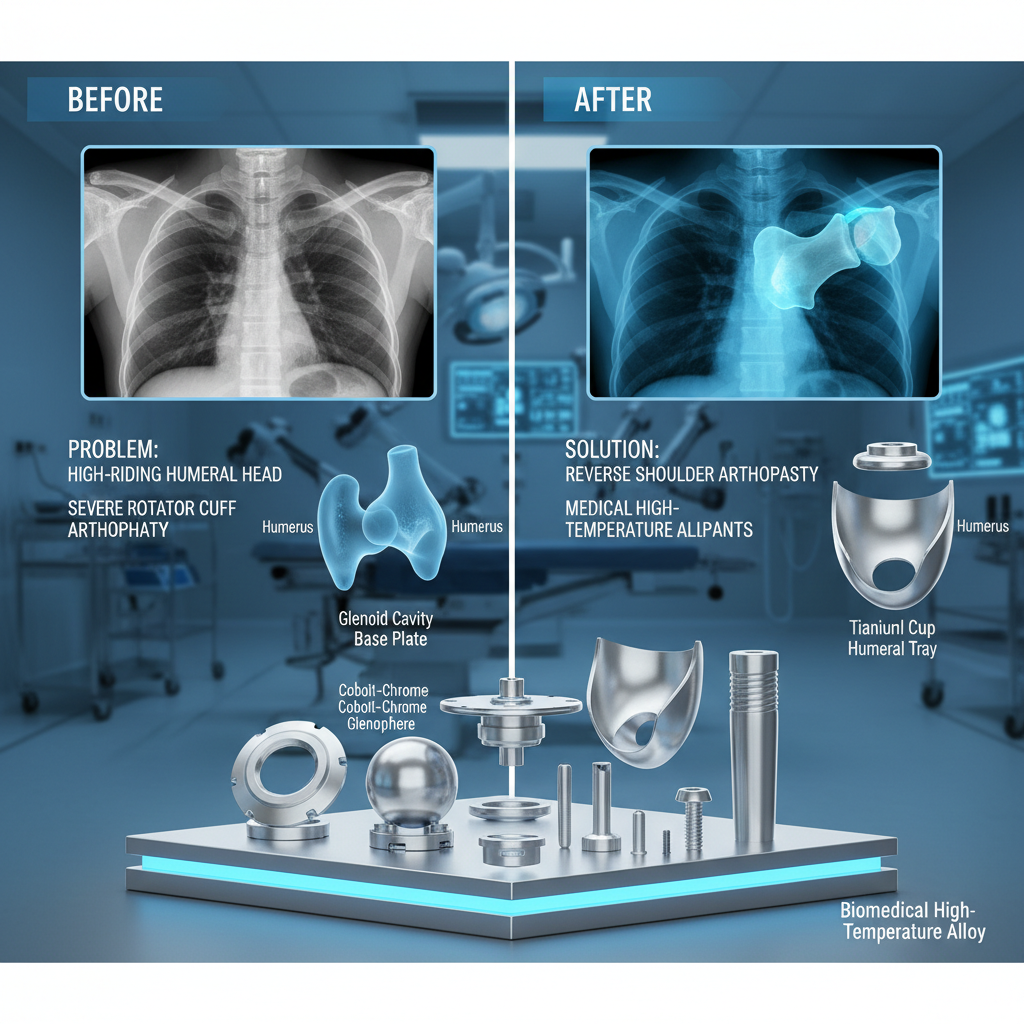
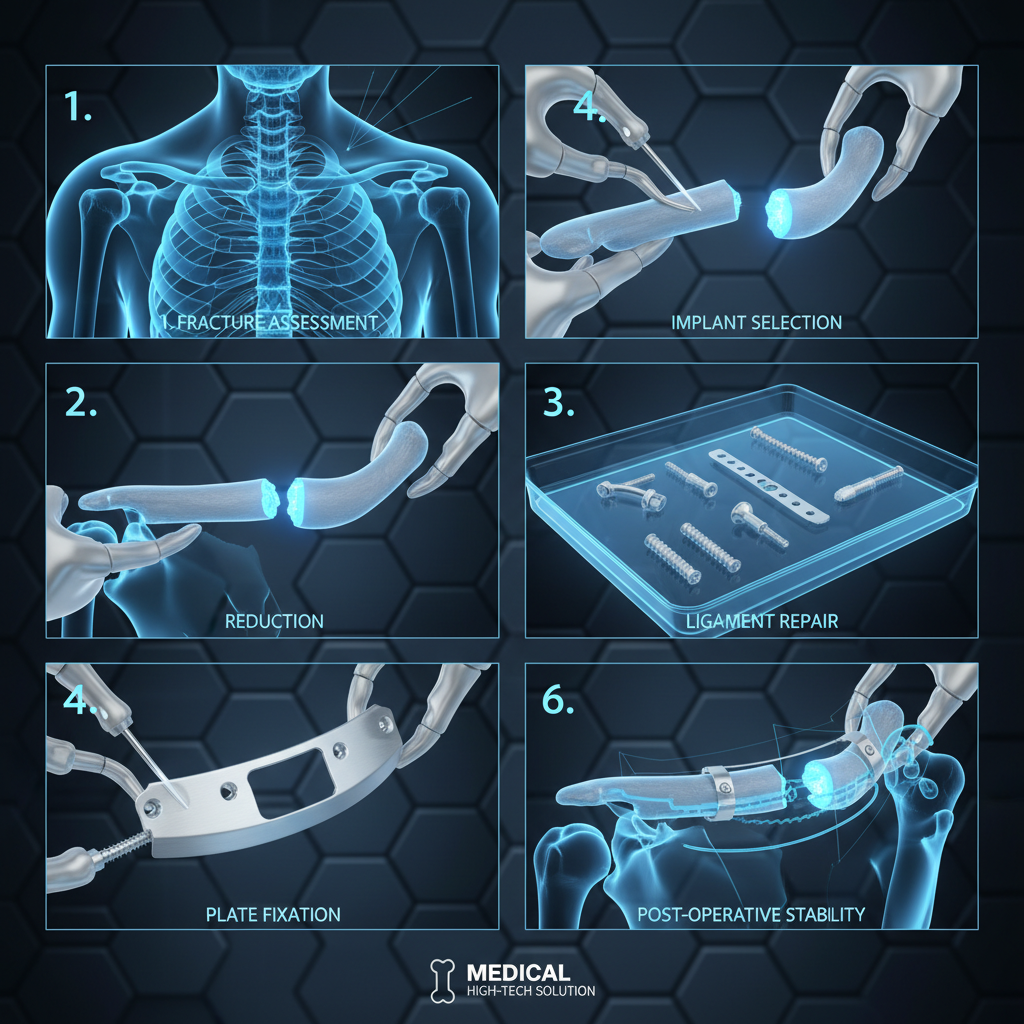
Titanium knee replacement… Honestly, it’s been a busy year. Seems like everyone’s chasing lighter, stronger, longer-lasting. We used to be happy with stainless, but these days, if it’s not titanium or some fancy alloy, people look at you sideways. There's a real push for modularity too - not just in the implant itself, but the surgical tools. Makes life easier for the surgeons, supposedly.

You know, it's funny. I was at a conference last month and they were talking about personalized implants, 3D-printed titanium, tailored to each patient’s anatomy. Sounds great on paper, but getting the quality control consistent? That’s the kicker. It's easy to fall into the trap of over-engineering, too. Too many moving parts, too much complexity… that’s just asking for trouble down the line. I’ve seen it happen.

The biggest thing, though? Bio-compatibility. You can have the strongest knee in the world, but if the body rejects it… well, you’ve got a whole different problem. Which brings us to the titanium itself. Grade 5, mostly. That's the stuff. It’s got that… almost gritty feel to it when you're handling the raw stock. Not like steel. And the smell when they machine it? Kinda metallic, but not unpleasant. Strangely enough.
titanium knee replacement

The Rise of Modern Titanium Knee Replacement

titanium knee replacement

It's not just about replacing a worn-out joint anymore. It's about getting people back to life. Active lifestyles, longer lifespans… demands are higher. And that’s pushing the boundaries of what’s possible with materials science. We’re seeing a lot of focus on porous titanium, too. Allows for bone ingrowth, creating a more stable, long-term fixation.

I encountered this at a factory in Changzhou last time, they were struggling with consistent pore size. It's a delicate balance – too small, and bone doesn’t grow in; too large, and you compromise the structural integrity. It's a real headache for the engineers, believe me.

Design Pitfalls and Material Considerations

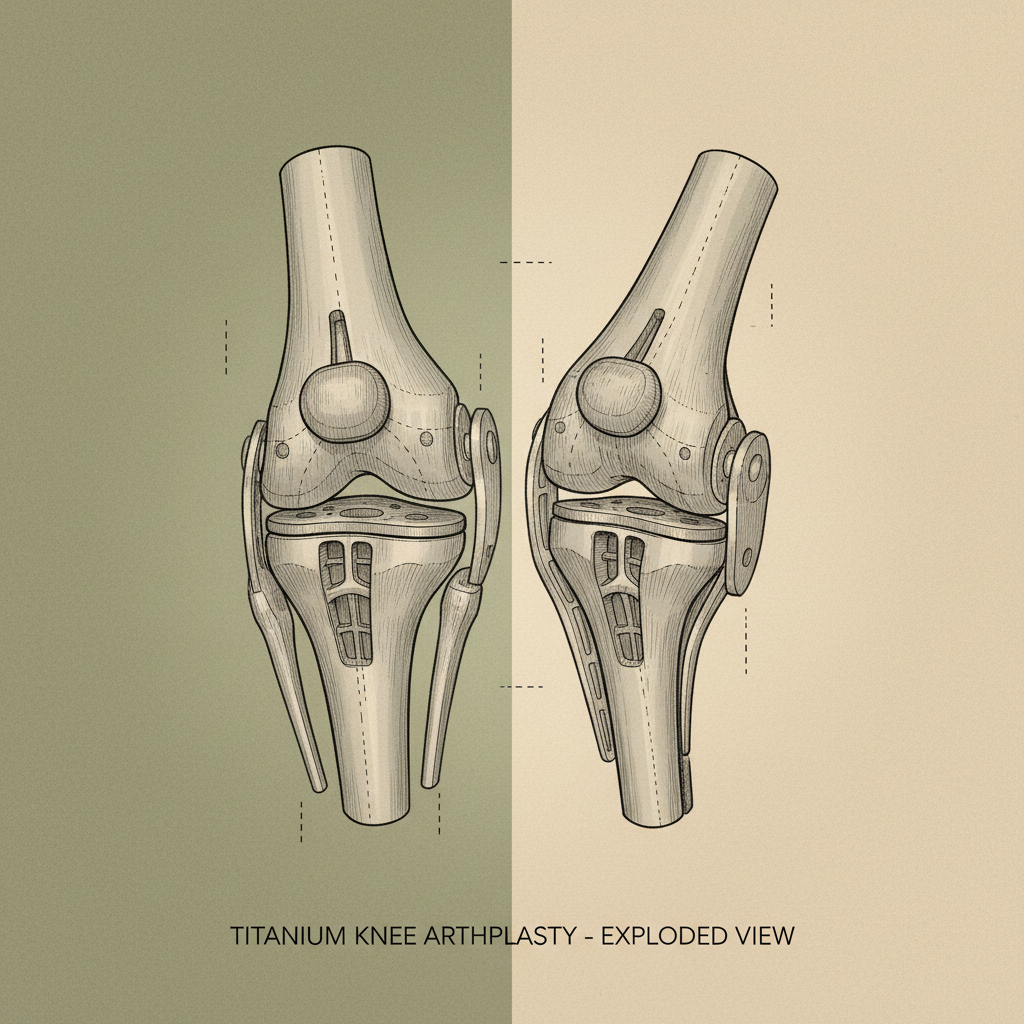
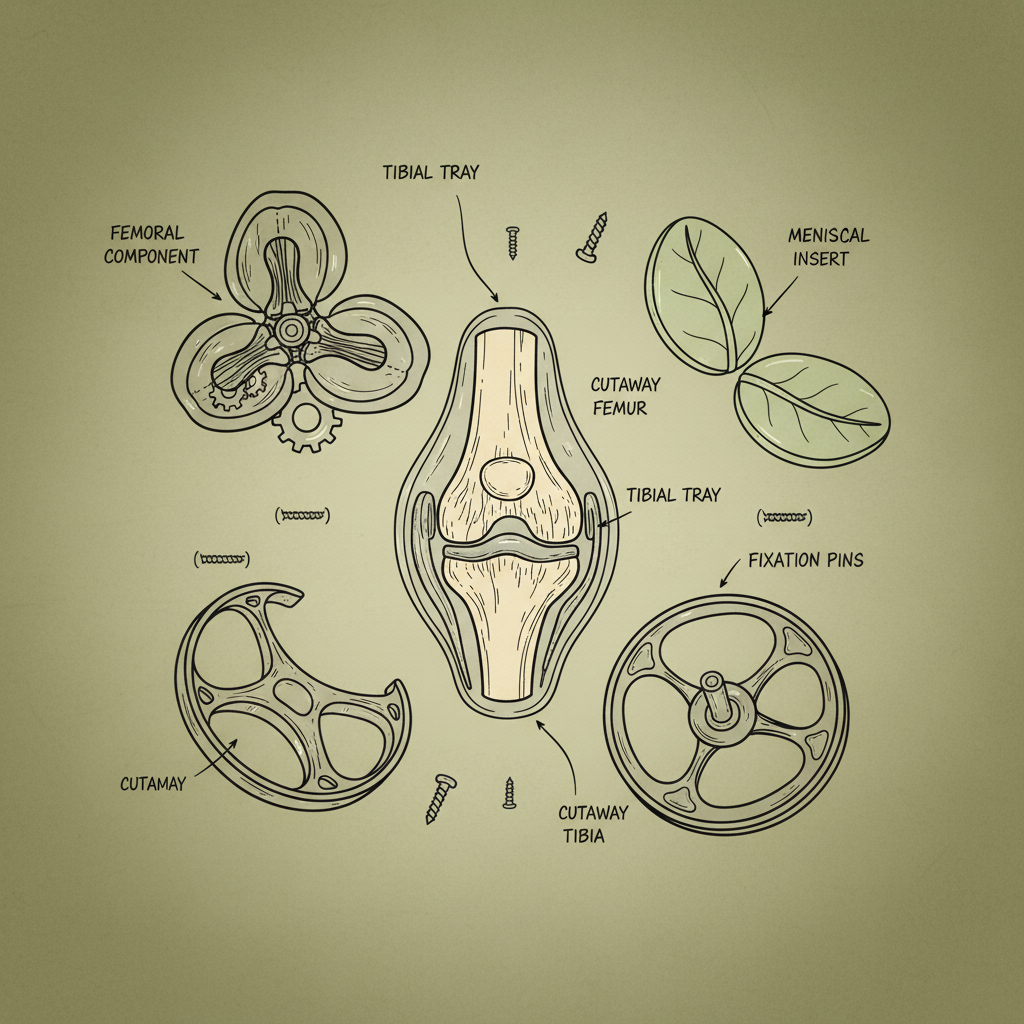
Have you noticed how many designs still rely on a simple, monolithic tibial tray? It works, sure, but it doesn't account for the subtle variations in bone density. Modular designs, where you can swap out components, are the way to go. But they add complexity. And complexity introduces points of failure. That's just physics.

There's a lot of talk about cobalt-chrome alloys, but they’re heavier, and they don't have the same bio-compatibility as titanium. We’ve been experimenting with different surface coatings – hydroxyapatite, for example – to further enhance bone ingrowth. It's all about mimicking the natural environment of the bone.

The biggest issue? Corrosion. Even titanium can corrode in the body, especially in a saline environment. That’s why passivation is so critical – creating a protective oxide layer. And it has to be consistent.

The Importance of Biocompatibility and Testing

You can design the most beautiful implant in the world, but if the body doesn't accept it, it's worthless. I mean, truly worthless. Testing isn’t just about mechanical stress; it’s about inflammatory response, tissue compatibility, the whole shebang.

We used to rely almost entirely on in-vitro testing – lab simulations. But that doesn't always translate to real-world performance. We've shifted towards more in-vivo testing – animal models, of course. And, increasingly, long-term clinical trials. It’s expensive, but it’s necessary.

I remember one engineer insisting on using a new alloy that looked promising in the lab. The animal trials showed a significant inflammatory response. He was devastated. But hey, that’s why we test.

Real-World Application and User Adaptation

Here’s where things get interesting. Surgeons want predictability, patients want immediate results. But the reality is, recovery is a process. And how patients actually use their new knee is often different than what they’re told. We’ve seen patients going back to high-impact activities way before they should.

It's a delicate dance between providing a robust implant and educating patients about post-operative care. I’ve talked to physical therapists who are practically begging patients to follow the rehab protocol. It's frustrating for everyone.

There's also the issue of weight distribution. A poorly aligned implant can put undue stress on the surrounding tissues, leading to premature failure. It’s not just about the implant; it’s about the whole system.

Titanium Knee Replacement Performance Metrics


Advantages and Limitations of Titanium Implants

The big advantage is weight, obviously. Lighter implant, less stress on the surrounding tissues. Then there’s corrosion resistance, as we talked about. And it's strong, really strong. But it's not perfect.

One downside? Cost. Titanium is expensive to machine and process. And there’s the issue of fretting corrosion – microscopic wear and tear at the articulating surfaces. We’re trying to mitigate that with different surface treatments and material pairings. Anyway, I think it's a good trade-off, most of the time.

Customization and Patient-Specific Solutions

I told you about the 3D-printed stuff earlier. That's where customization really shines. We had a case last month – a small boss in Shenzhen who makes smart home devices. He insisted on changing the interface to , even on the surgical guide! Said it was a marketing gimmick. It was… a headache. We managed to pull it off, but it added significant cost and complexity. But he was adamant.

But the real potential is in tailoring the implant geometry to the patient’s specific anatomy. Using CT scans and advanced modeling software. That's the future, I reckon. But again, quality control is key. You don't want to deliver a one-of-a-kind implant that fails because of a manufacturing defect.

A Deep Dive into Titanium Alloy Performance

We're not just talking about pure titanium here. It's usually an alloy – titanium-aluminum-vanadium (Ti-6Al-4V) being the most common. It gives you that extra bit of strength and toughness. But there are newer alloys emerging – titanium-niobium-zirconium, for example. They offer improved corrosion resistance and biocompatibility.

I’ve spent hours in metallurgy labs, looking at microstructures. It's fascinating stuff. Grain size, phase composition… it all impacts performance. And then you've got the surface treatments – anodizing, plasma spraying, nitriding. They can dramatically alter the wear characteristics and the biological response.

But ultimately, all the fancy science in the world doesn’t matter if the thing doesn't hold up under real-world stress.

Titanium Alloy Performance Summary

Alloy Composition Tensile Strength (MPa) Corrosion Resistance (1-5) Manufacturing Complexity (1-5)
Ti-6Al-4V 895 4 3
Ti-6Al-4V ELI 860 4.5 3.5
Ti-3Al-2.5V 620 4 2
Ti-Nb-Zr 700 5 4
Beta Titanium Alloys 950-1100 3.5 4.5
Commercially Pure Titanium (CP Ti) 435 4.5 2

FAQS

What is the typical lifespan of a titanium knee replacement?

The lifespan varies greatly depending on patient activity level, weight, and bone quality, but generally, a well-implanted titanium knee replacement can last 15-20 years or more. However, it’s not a lifetime guarantee. Regular check-ups and following post-operative instructions are crucial for maximizing longevity. We’re seeing improvements in implant designs and materials that are extending those lifespans, but it’s still a mechanical device, and wear and tear are inevitable.

How does titanium compare to other materials like cobalt-chrome in terms of cost?

Titanium is typically more expensive than cobalt-chrome. This is due to the more complex manufacturing processes required for titanium alloys, and the higher cost of the raw material itself. However, the potential for longer life and reduced revision surgeries with titanium can sometimes offset the initial higher cost, especially when considering the overall cost of healthcare. Plus, the lighter weight can sometimes lead to faster recovery times, which also has economic benefits.

What are the signs that a titanium knee replacement may need to be revised?

Common signs include persistent pain that doesn't respond to conservative treatment (like pain medication or physical therapy), loosening of the implant, instability of the knee joint, or infection. Radiographic imaging (X-rays) can also reveal signs of wear and tear or bone loss around the implant. Any significant change in knee function should be evaluated by a surgeon.

Is titanium knee replacement suitable for all patients?

Not necessarily. Patient suitability depends on several factors, including age, weight, activity level, bone quality, and overall health. Patients with certain medical conditions, such as severe osteoporosis or active infections, may not be ideal candidates. A thorough medical evaluation is essential to determine the best treatment option for each individual.

What is involved in the recovery process after titanium knee replacement surgery?

Recovery typically involves several months of physical therapy to regain strength, range of motion, and function. Pain management is also a key component. Patients will start with gentle exercises and gradually progress to more challenging activities. Following the surgeon’s and physical therapist's instructions is vital for a successful outcome. Don’t push it too hard, too soon.

Are there any risks associated with titanium allergies?

True titanium allergies are extremely rare, but possible. The titanium used in knee replacements is often alloyed with other metals, and a patient could be allergic to those. Sensitivities are more common, and can present as localized skin reactions. Thorough allergy testing is available, but is not routinely performed unless there’s a specific concern.

Conclusion

So, where does that leave us? Titanium knee replacement has come a long way. It’s not a magic bullet, but it’s a solid, reliable option for a lot of patients. The focus on biocompatibility, improved materials, and customization is pushing the boundaries of what’s possible, and we’re seeing better outcomes as a result. It's about balancing innovation with practical considerations, avoiding over-engineering, and remembering that this isn’t just about the implant itself – it’s about the patient's whole life.

Ultimately, whether this thing works or not, the worker will know the moment he tightens the screw. You can run all the simulations you want, build all the fancy prototypes, but the real test is on the operating table, in the patient’s body, and during their recovery. That’s what keeps me going, that’s what makes it all worthwhile.


Daniel Wilson

Daniel Wilson

Daniel Wilson is the International Sales Manager at Hebei Ruiyi Yuan Tong Technology. Daniel leads the company's import and export trade efforts, focusing on building strong relationships with customers globally. He is responsible for understanding customer needs and providing tailored solutions utilizing the company’s comprehensive precision casting and machining services.
Previous Advancements in Titanium for Knee Replacement and Orthopedic Applications
Next titanium knee replacement manufacturers