- Tel: +8613911709825 /
- Email: ry@rays-casting.com /

Tibial Plateau Injury: Understanding Broken Tibia Plateau and Bruised Tibial Plateau for Implant & Material Solutions
Tibial Plateau Injury: Understanding Broken Tibia Plateau and Bruised Tibial Plateau for Implant & Material Solutions
Tibial plateau injuries are serious forms of knee trauma that may result from high-impact accidents, sports injuries, or falls. The tibial plateau forms the upper surface of the tibia and supports the femur as part of the knee joint. Severe damage to this area can affect joint stability, cartilage function, and mobility. While some injuries can be managed through conservative treatment or fracture repair, advanced joint degeneration may eventually require knee replacement surgery.
For orthopedic implant manufacturers, knee replacement components must meet strict requirements for dimensional accuracy, mechanical performance, material consistency, and surface quality. Cobalt-chromium-molybdenum (CoCrMo) alloy is widely used in selected orthopedic implant applications because of its wear resistance, strength, and corrosion resistance. Precision casting provides a manufacturing route for producing complex metal components with carefully controlled geometries and material properties.

Understanding Tibial Plateau Injuries and Their Relationship to Knee Replacement
Tibial plateau injuries can range from bone bruising to displaced fractures. A bruised tibial plateau involves damage within the bone without a clearly displaced fracture, whereas a broken tibia plateau refers to a fracture involving the upper surface of the tibia. The severity of the injury, the condition of the articular surface, and the extent of cartilage damage influence treatment decisions.
Many tibial plateau fractures can be treated with conservative management or surgical fracture fixation. However, severe fractures, substantial cartilage damage, or subsequent post-traumatic arthritis may lead to persistent pain and reduced knee function. In selected cases, knee replacement surgery may be considered when joint damage cannot be adequately managed through other treatments.
Knee replacement components serve a different purpose from fracture fixation devices. Instead of holding fractured bone fragments together, joint replacement implants reconstruct damaged articulating surfaces to improve joint function. Depending on the procedure, implant systems may include femoral components, tibial components, and bearing inserts made from materials selected for their specific mechanical and tribological requirements.
CoCrMo alloy is commonly considered for femoral components and other selected load-bearing orthopedic applications because it offers high strength, hardness, and resistance to wear. The choice of material depends on implant design, applicable medical device standards, and the intended clinical application. Understanding the difference between tibial plateau fracture treatment and knee replacement is essential when defining the manufacturing requirements for orthopedic components.
CoCrMo Alloy Selection for Knee Replacement Components
Material selection is a critical step in manufacturing knee replacement components. CoCrMo alloy is valued for its mechanical strength, corrosion resistance, and ability to withstand repeated contact and loading in demanding orthopedic applications. These characteristics make it suitable for selected components that require durable articulating surfaces and reliable long-term performance.
The properties of CoCrMo alloy depend on its chemical composition, microstructure, processing conditions, and final heat treatment. Manufacturers must control the proportions of cobalt, chromium, and molybdenum within the specified material grade. Chromium contributes to corrosion resistance through the formation of a protective passive oxide layer, while molybdenum supports corrosion resistance and influences the alloy's mechanical properties.
For precision-cast knee replacement components, material consistency is particularly important. Variations in chemical composition, porosity, inclusions, or microstructure may affect the mechanical performance and surface integrity of the finished part. Therefore, raw materials and casting processes should be controlled according to the applicable material specifications and quality management requirements.
The component design also determines the required material properties. Femoral knee components typically require accurate articulation geometry, a suitable surface finish, and sufficient resistance to repeated loading and wear. Other implant components may use different materials depending on their structural and functional roles. Manufacturers should evaluate the alloy, component geometry, and finishing process as an integrated system rather than treating material selection as an isolated decision.
By establishing clear material specifications and process controls, manufacturers can improve consistency between production batches and support the quality requirements of orthopedic implant customers.
CoCrMo Precision Casting Process for Knee Replacement Components
Precision casting is an important manufacturing method for producing complex CoCrMo orthopedic components. It can create near-net-shape geometries that reduce the amount of material removed during subsequent machining. For knee replacement components, this approach can support the production of intricate contours while maintaining the potential for controlled dimensional finishing.
The process typically begins with pattern production and preparation of the ceramic shell. In investment casting, a wax pattern representing the component geometry is coated with refractory ceramic materials. After the shell reaches the required strength, the wax is removed to create a cavity for the molten alloy.
The CoCrMo alloy is then melted under controlled conditions and poured into the prepared mold. Because orthopedic alloys require careful processing, manufacturers must manage melting temperature, mold conditions, pouring parameters, and contamination risks. After solidification and cooling, the ceramic shell is removed, and the cast component is separated from the gating system.
The casting undergoes initial inspection before further processing. Depending on the component design and manufacturing specification, subsequent operations may include heat treatment, gate removal, grinding, CNC machining, and surface finishing. Machining establishes critical dimensions and functional features, while polishing or other approved finishing processes help achieve the specified surface condition.
For knee replacement components, casting accuracy alone is not sufficient. Critical articulating surfaces, connecting features, and dimensional interfaces must meet the approved engineering drawings and tolerances. Manufacturers should therefore establish a controlled relationship between casting allowances, machining operations, and final inspection criteria.
A documented process helps reduce variation, improve production repeatability, and support consistent manufacturing outcomes for orthopedic implant components.
Quality Requirements for CoCrMo Knee Replacement Casting
Quality control is essential throughout the production of CoCrMo knee replacement components. Because these products are intended for medical applications, manufacturers must establish inspection procedures appropriate to the component design, material specification, and applicable regulatory requirements.
Chemical composition testing verifies that the alloy meets the specified grade. Mechanical testing and microstructural examination may be required to assess properties such as strength, hardness, and material integrity. The applicable tests should be defined by the relevant material standards and customer specifications.
Dimensional inspection confirms that critical features conform to approved drawings. Coordinate measuring machines and other suitable metrology equipment can be used to evaluate complex geometries and critical interfaces. Surface inspection is also important because cracks, inclusions, roughness, or other unacceptable defects may compromise component quality.
Non-destructive testing methods, such as radiographic or penetrant inspection, may be used when required by the product specification and risk assessment. The selected method should be appropriate for the material, component geometry, and types of defects being evaluated.
Traceability is another essential requirement. Manufacturers should maintain records linking raw materials, casting batches, processing operations, inspection results, and final product status. These records support quality investigations and help demonstrate that production follows established procedures.
CoCrMo precision casting for knee replacement components requires coordinated control of material selection, mold preparation, melting, casting, machining, finishing, and inspection. By maintaining clear specifications and robust quality systems, manufacturers can produce orthopedic components with consistent geometry, material integrity, and surface quality to support the demanding requirements of knee replacement applications.
-
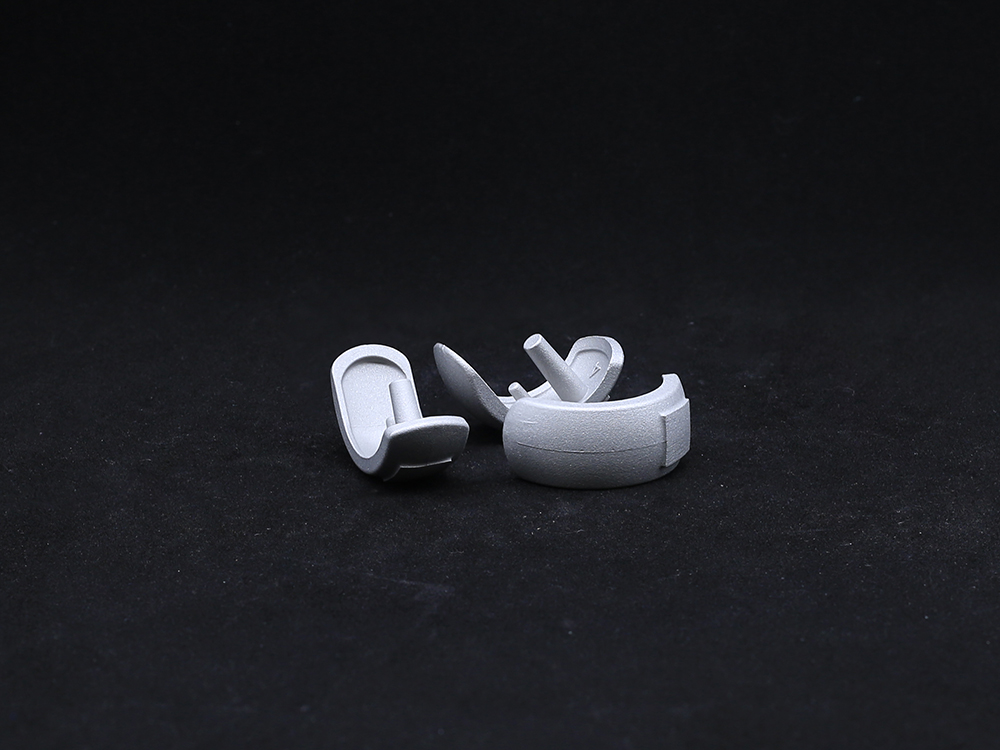 Half KneeThis minimally invasive solution preserves healthy bone, ligaments, and joint structures, enabling faster recovery and more natural knee kinematics. The system includes femoral and tibial components made from durable cobalt-chromium alloys and wear-resistant polyethylene inserts.
-
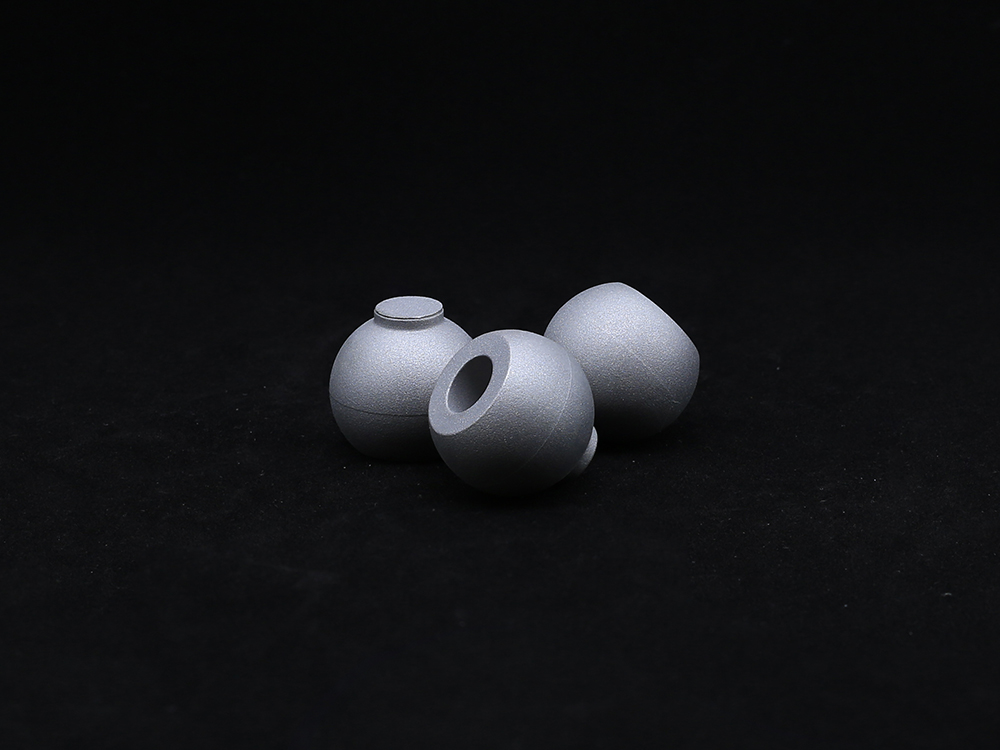 Ball HeadOur Ball Head component is designed for use in joint replacement procedures, particularly in hip and shoulder arthroplasty. Crafted from high-strength materials such as cobalt-chromium alloy or ceramic, the ball head ensures excellent wear resistance and long-term durability.
-
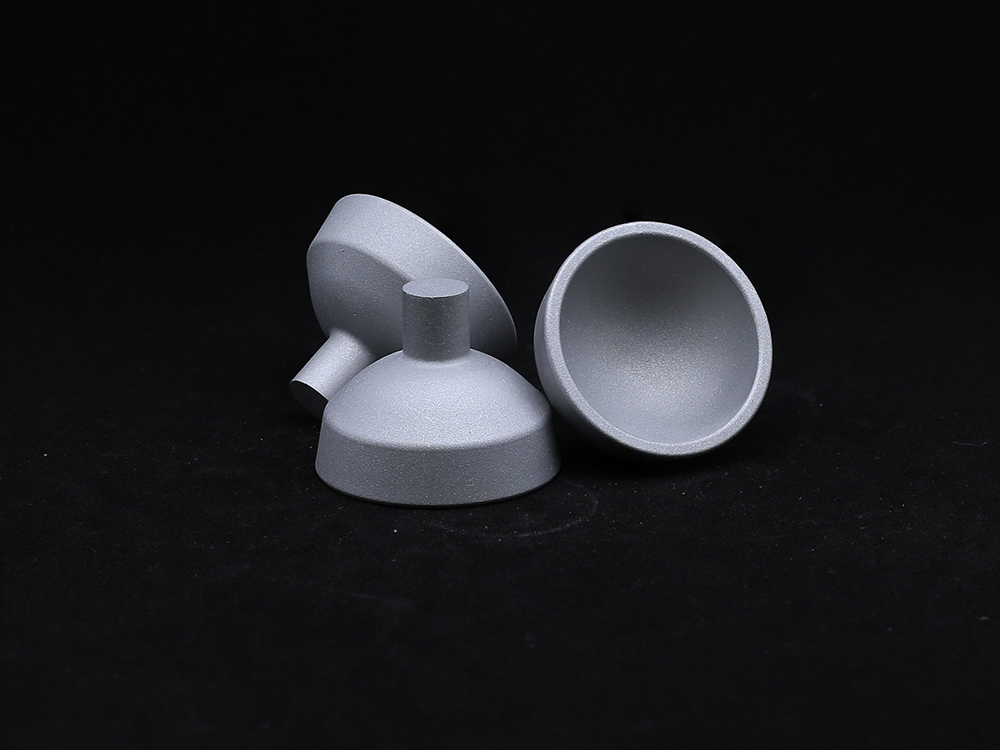 Acetabular CupMade from high-strength materials such as titanium alloy or cobalt-chromium, the Acetabular Cup ensures durability, corrosion resistance, and long-lasting performance. Its anatomical shape promotes optimal alignment and load distribution, reducing wear on bearing surfaces.
-
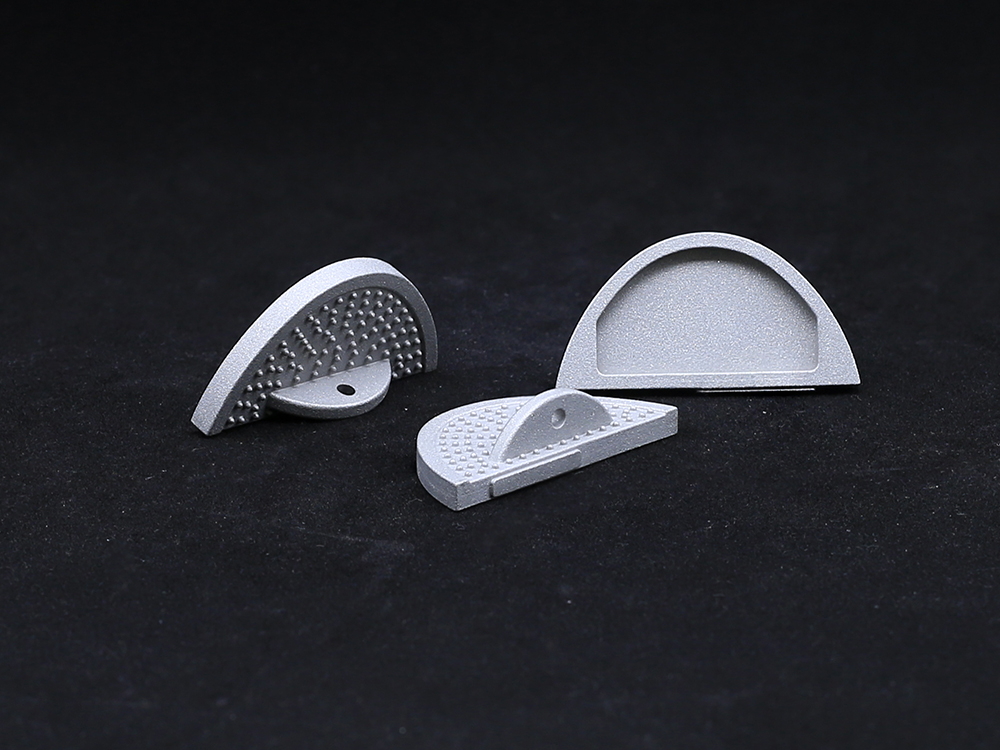 Bump Half PlatformManufactured from biocompatible, high-strength materials like titanium or cobalt-chromium alloys, it ensures durability and long-term performance. Ideal for knee, hip, or other joint replacements, the Bump Half Platform enhances surgical efficiency, minimizes inventory needs, and delivers reliable clinical outcomes with optimal joint alignment and function.
-
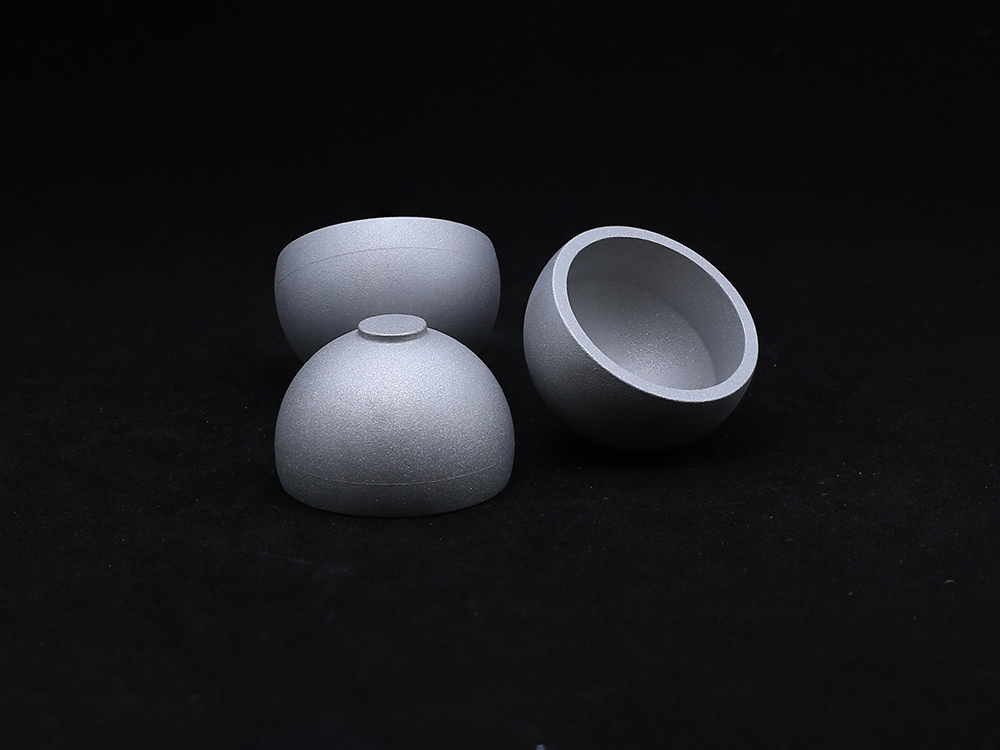 Metal CupOur Metal Cup is a critical component in hip joint replacement systems, designed to provide a durable and secure base for the acetabular implant. Manufactured from high-strength materials such as titanium alloy or cobalt-chromium, the Metal Cup offers excellent wear resistance, corrosion resistance, and long-term stability. Its anatomical design ensures proper alignment and load distribution, while its surface finish promotes optimal bone fixation.
-
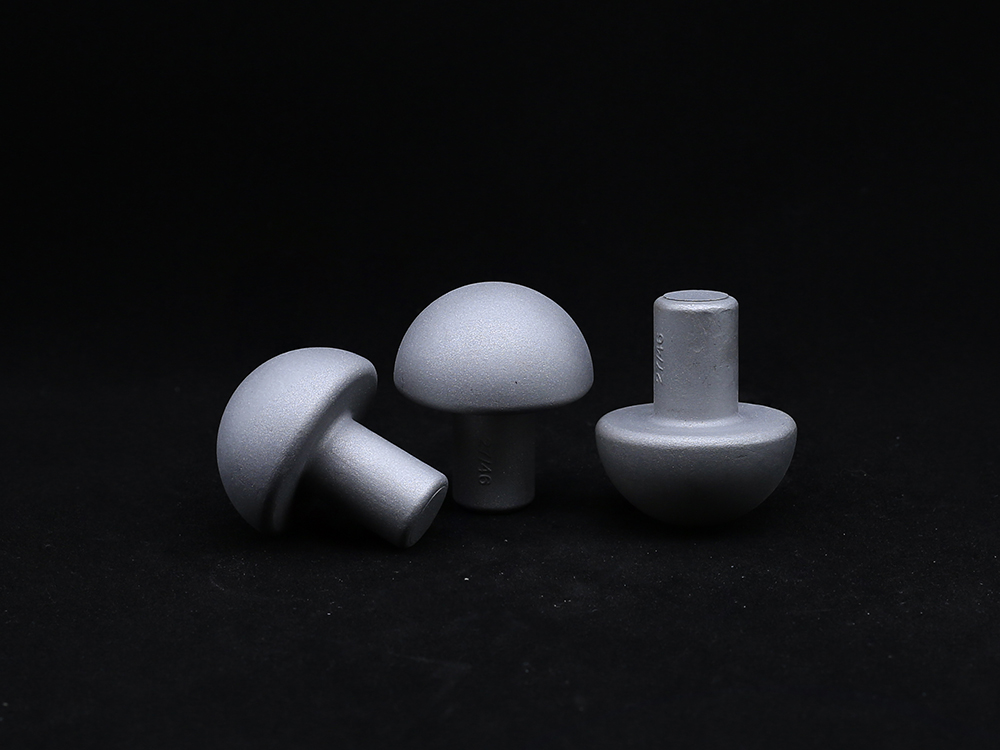 Humeral HeadAvailable in a range of diameters and offsets, they are designed to accommodate diverse patient anatomies and ensure proper soft tissue tensioning. Each humeral head is precisely machined from high-strength cobalt-chromium or ceramic materials, offering excellent wear resistance and biocompatibility.
-
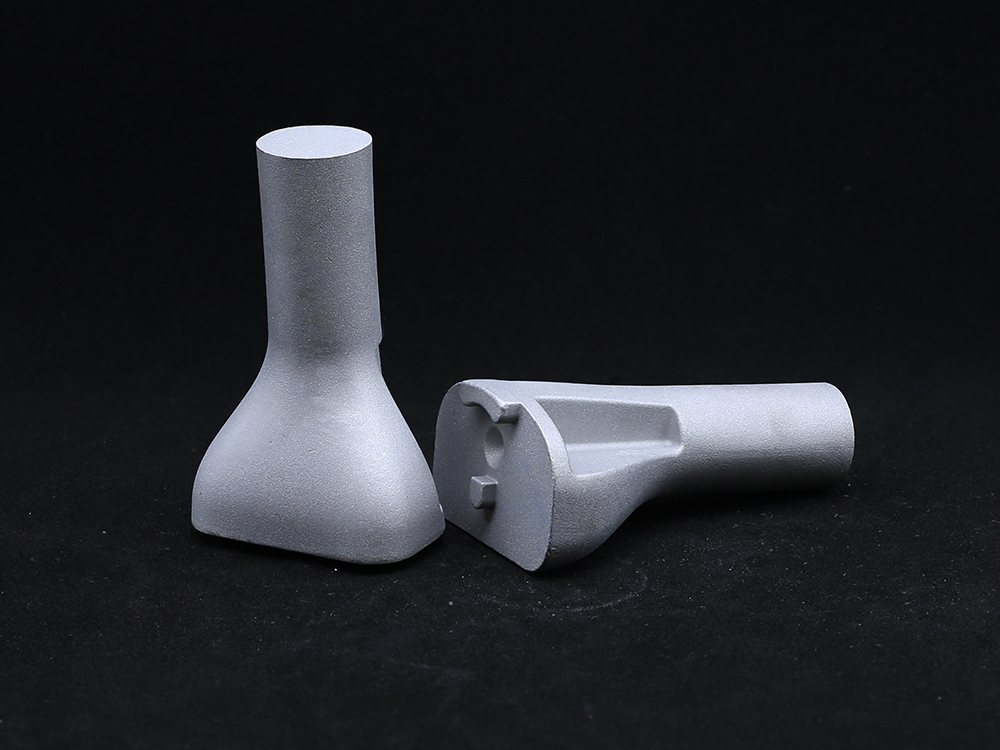 Tibial PlateauAvailable in both fixed-bearing and mobile-bearing configurations, the implants include modular baseplates and polyethylene inserts to accommodate various patient anatomies and surgical techniques.
-
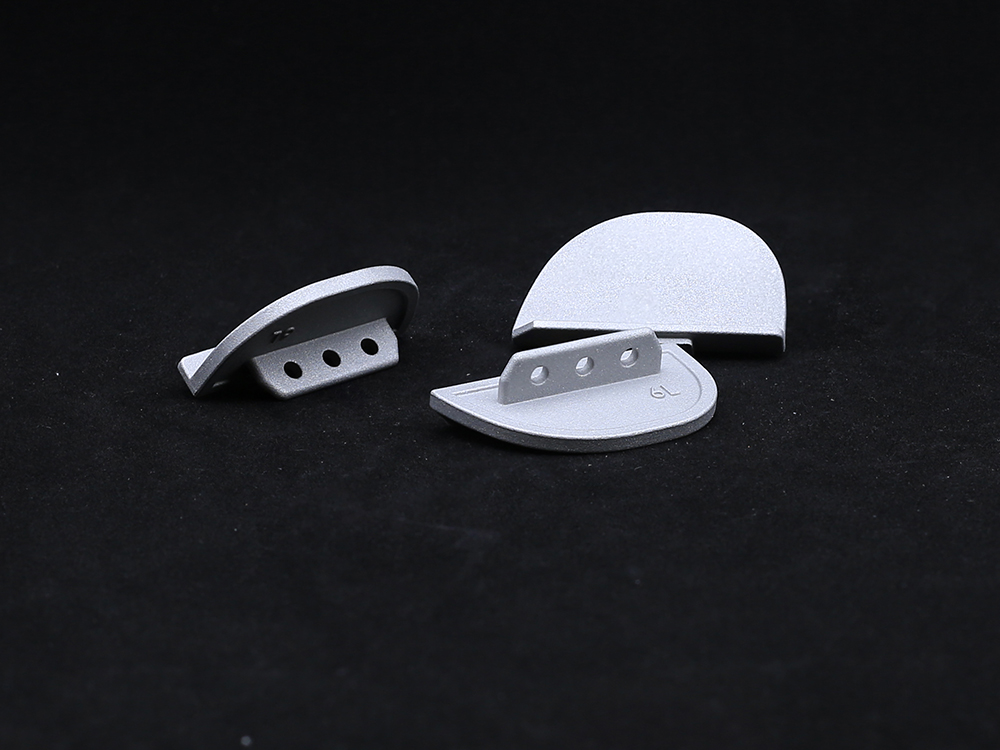 Unilateral Tibial PlateauThe unilateral tibial plateau is an orthopedic implant used in partial knee arthroplasty to replace the damaged medial or lateral tibial joint surface, thereby restoring function, relieving pain, and ensuring knee stability.
Get a Custom Solution!
Contact Us To Provide You With More Professional Services


