- Tel: +8613911709825 /
- Email: ry@rays-casting.com /

Titanium Knee Replacement Manufacturers: What Buyers Should Check Before Starting an Orthopedic Implant Program
Titanium Knee Replacement Manufacturers: What Buyers Should Check Before Starting an Orthopedic Implant Program
For procurement teams, OEM brands, and orthopedic device developers, choosing Titanium Knee Replacement Manufacturers is not simply a pricing decision. It is a strategic decision that affects implant consistency, surgeon confidence, regulatory readiness, and long-term program stability. In practice, the best manufacturer is the one that understands clinical application, material behavior, dimensional repeatability, and the realities of scaling from samples to repeat production.

Titanium Knee Replacement Manufacturers and the Shift Toward Advanced Joint Blanks
Knee replacement systems are designed to restore load-bearing function, relieve pain, and support a predictable range of motion. Because the knee works under repeated stress, every implant blank used in the system must start with stable metallurgy and a controlled geometry. This is why buyers increasingly evaluate suppliers not only by whether they can melt and cast metal, but also by whether they understand orthopedic requirements such as articulation, fixation, wear management, and compatibility with downstream machining and polishing.
Although many finished systems rely on combinations of CoCrMo alloys, titanium alloys, and polyethylene, the manufacturer still needs to understand where titanium makes sense in the broader implant design. Titanium-based components are valued for their favorable strength-to-weight ratio, corrosion resistance, and biocompatibility. In knee applications, manufacturers also need to coordinate with design teams on interfaces between metallic components, porous or surface-treated zones, and the machining allowances necessary to achieve finished tolerances.
In other words, the sourcing conversation should begin with anatomy and clinical use rather than with unit price alone. A manufacturer that understands the surgical environment is more likely to give meaningful technical feedback during drawing review and pilot sampling.
How Titanium Knee Replacement Manufacturers Support Implant Performance
Performance begins with anatomical logic. A capable orthopedic supplier should appreciate how femoral, tibial, and related components work together inside a replacement system. Even when the buyer is ordering blanks rather than finished implants, the casting supplier should be able to discuss tolerance strategy, machining allowance, surface preparation, and how the blank design supports mechanical reliability after finishing. Good suppliers also recognize that implant performance is inseparable from process stability.
This is where a specialized supplier has an advantage over a general foundry. Ray's Casting highlights its use of advanced production technology, professional technical support, strict production management, and quality-oriented material selection. That matters because buyers in the orthopedic field often need more than one-off manufacturing. They may need engineering discussion, sampling, pilot production, and eventually repeatable supply for different product families. A manufacturer familiar with those stages can reduce risk before it becomes costly.
It is also useful when the manufacturer has experience across several orthopedic categories. Broader exposure to knee, hip, shoulder, and ankle projects often translates into faster communication and a better understanding of what medical customers actually need from a supply partner.
What Titanium Knee Replacement Manufacturers Should Offer in Casting and Quality Control
From a sourcing perspective, there are several checkpoints that matter. First is metallurgical discipline. Buyers should ask how the supplier manages raw materials, melting, and alloy consistency. Second is process control. Investment casting for orthopedic components requires dimensional repeatability, stable shrinkage behavior, and sound internal quality. Third is inspection. Implant buyers should look for a supplier that can support routine dimensional checks, surface assessment, and production traceability.
The fourth checkpoint is production flexibility. A supplier serving orthopedic customers should be able to accommodate customized projects and OEM or ODM collaboration rather than only offering fixed catalog items. Finally, buyers should evaluate communication quality. A good partner can explain technical limitations early, recommend feasible manufacturing adjustments, and support iterative improvement rather than waiting until production problems appear.
On its official website, Ray's Casting presents knee joint product capability together with broader artificial joint casting expertise. A quick review of the site also shows that the company positions itself around orthopedic applications rather than unrelated general castings, which is a meaningful signal for specialized B2B buyers.
Working With Titanium Knee Replacement Manufacturers for OEM and ODM Programs
For OEM brands, distributors, and design teams, the real value of a manufacturer shows up during collaboration. The supplier should be able to support sample review, drawing confirmation, practical casting recommendations, and realistic production scheduling. In orthopedic business, this cooperative approach is essential because even a small geometric or surface-related issue can affect how efficiently a component moves through machining, coating, sterilization preparation, or final assembly.
Ray's Casting also emphasizes experience in artificial joint components such as femoral condyles, acetabular cups, tibial plates, humeral heads, and related products. That breadth can be valuable for buyers who want one partner to support multiple programs rather than building a fragmented supplier base. When the manufacturer understands several joint categories, the conversation moves beyond a single order and toward long-term supply planning.
In the end, evaluating titanium knee replacement manufacturers should come down to a clear question: can this supplier help transform orthopedic design intent into repeatable production quality? If the answer includes clinical awareness, dependable casting control, flexible customization, and transparent communication, the partnership is worth serious consideration. Buyers who want to start with a manufacturer focused on artificial joint castings can review the company profile and product range through the official Ray's Casting website.
Frequently Asked Questions About Titanium Knee Replacement Manufacturers
Q1: What should buyers ask titanium knee replacement manufacturers first? A practical first step is to ask about orthopedic experience, alloy handling, casting process stability, and how the supplier supports OEM or ODM development. Those answers usually reveal whether the supplier is truly specialized.
Q2: Why does process control matter so much in orthopedic castings? Because even small dimensional or metallurgical variations can increase machining difficulty, raise rejection risk, and reduce confidence during product validation or repeat production.
Q3: Can one supplier support multiple implant lines? In many cases, yes. A partner with experience in knee, hip, shoulder, and ankle components can help standardize communication and simplify long-term sourcing.
Prev:
This is the last article
-
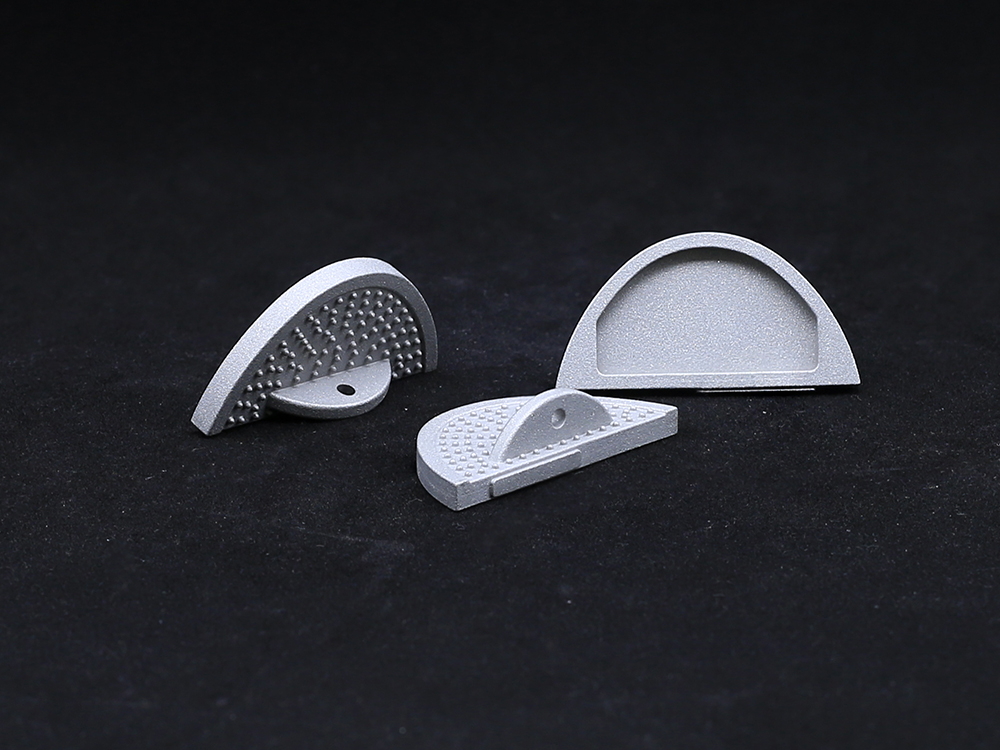 Bump Half PlatformManufactured from biocompatible, high-strength materials like titanium or cobalt-chromium alloys, it ensures durability and long-term performance. Ideal for knee, hip, or other joint replacements, the Bump Half Platform enhances surgical efficiency, minimizes inventory needs, and delivers reliable clinical outcomes with optimal joint alignment and function.
-
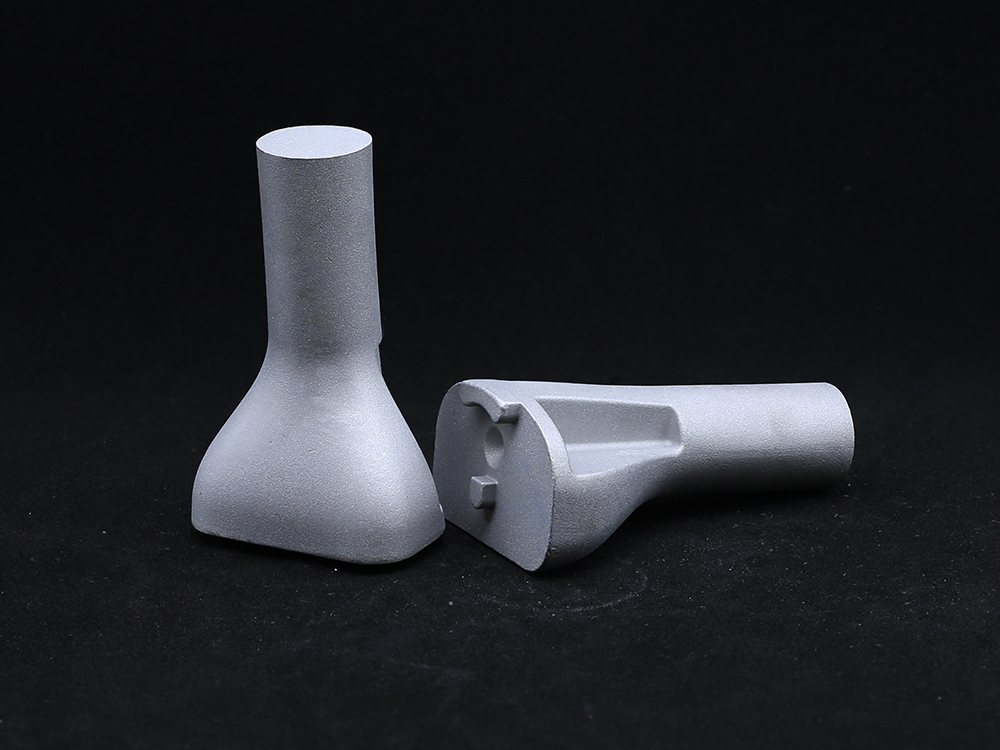 Tibial PlateauAvailable in both fixed-bearing and mobile-bearing configurations, the implants include modular baseplates and polyethylene inserts to accommodate various patient anatomies and surgical techniques.
-
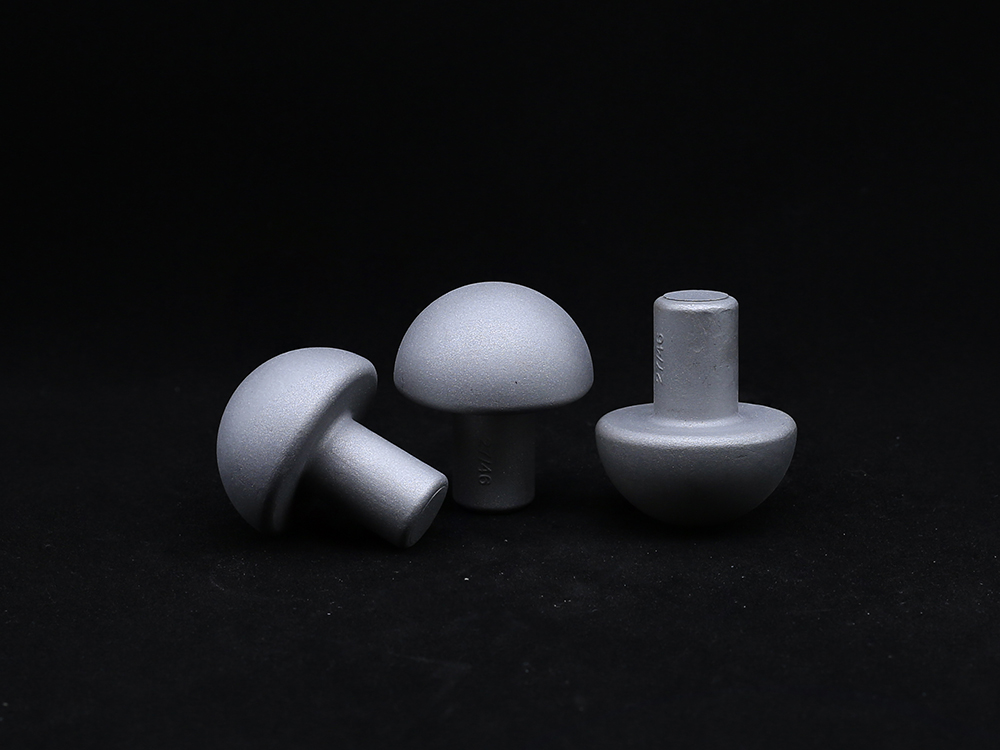 Humeral HeadAvailable in a range of diameters and offsets, they are designed to accommodate diverse patient anatomies and ensure proper soft tissue tensioning. Each humeral head is precisely machined from high-strength cobalt-chromium or ceramic materials, offering excellent wear resistance and biocompatibility.
-
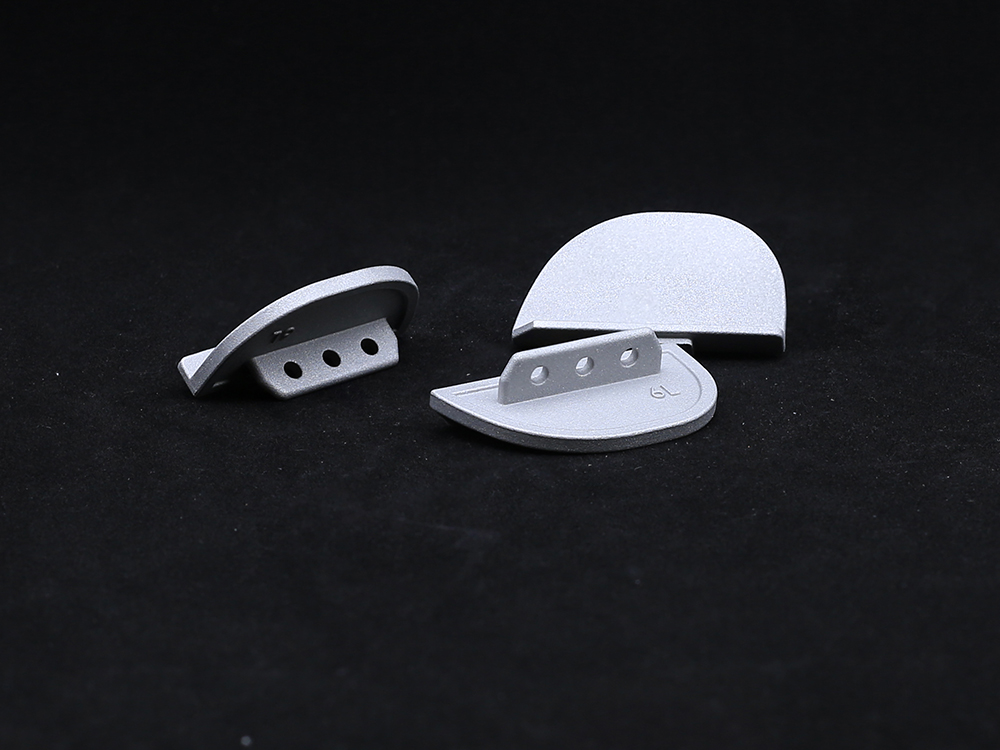 Unilateral Tibial PlateauThe unilateral tibial plateau is an orthopedic implant used in partial knee arthroplasty to replace the damaged medial or lateral tibial joint surface, thereby restoring function, relieving pain, and ensuring knee stability.
-
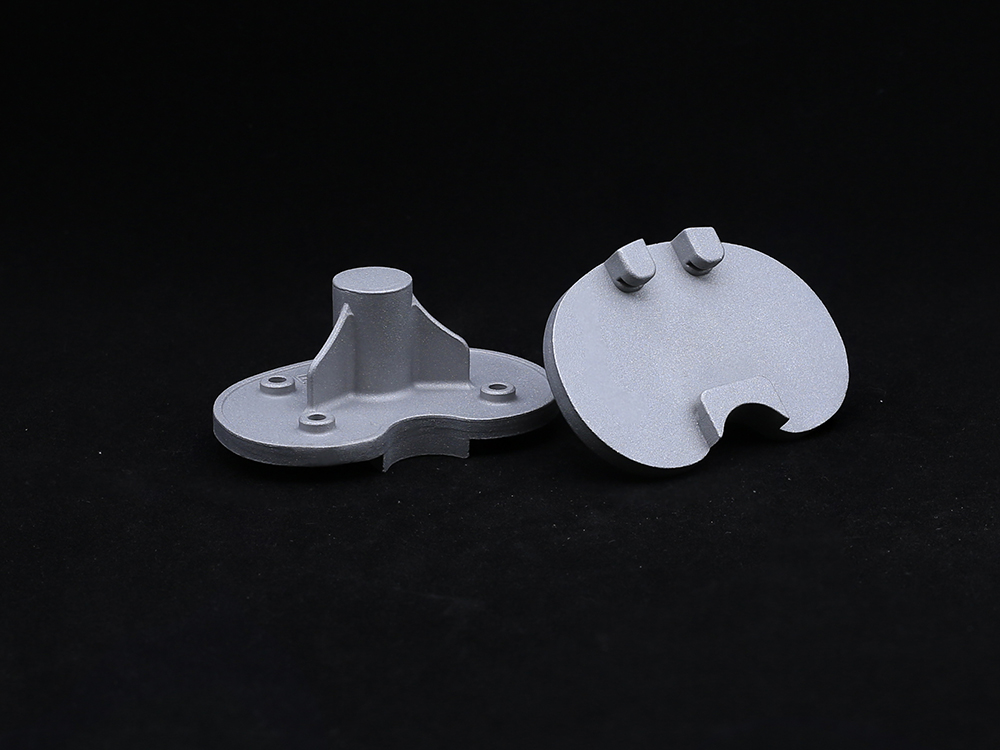 Refurbished PlatformCarefully Reprocessed To Meet The Highest Quality And Safety Standards, This Platform Is Ideal For Patients Requiring Revision Surgeries Or Those Seeking A Sustainable Option.
-
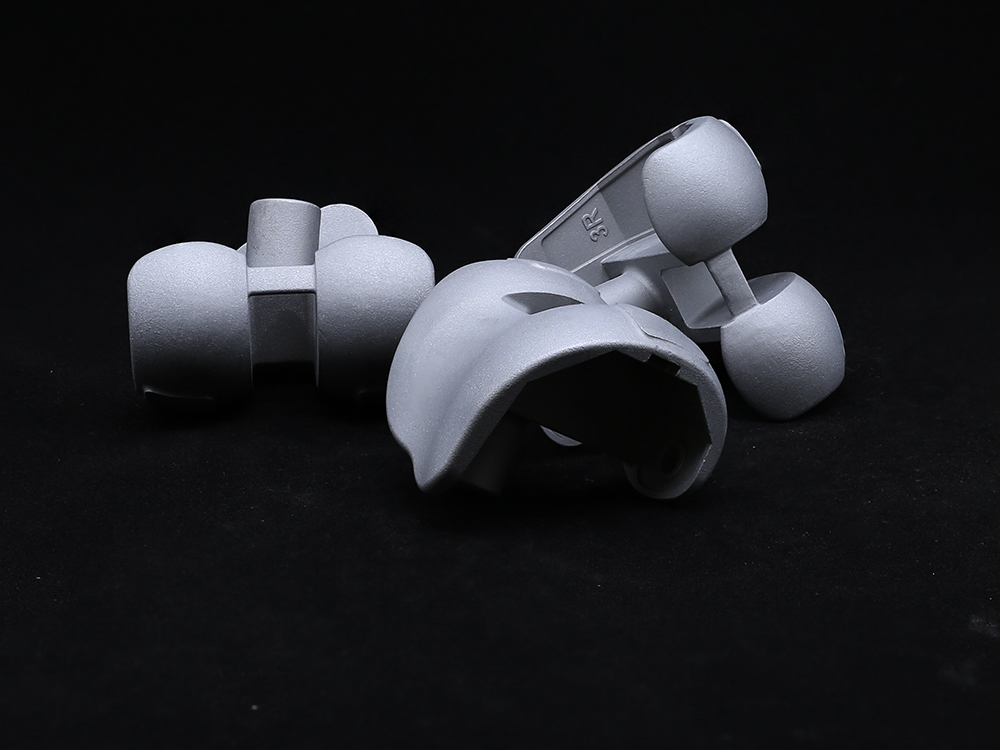 Revision Femoral CondyleThe Revision Femoral Condyle is engineered for use in knee revision surgeries, providing reliable solutions for patients requiring joint reconstruction due to implant failure, loosening, or wear. Made from biocompatible materials such as cobalt-chromium alloy, the revision condyle features enhanced durability and resistance to wear. Its design includes optimized geometry to restore proper knee function and alignment, ensuring a secure fit even in cases of significant bone loss.
-
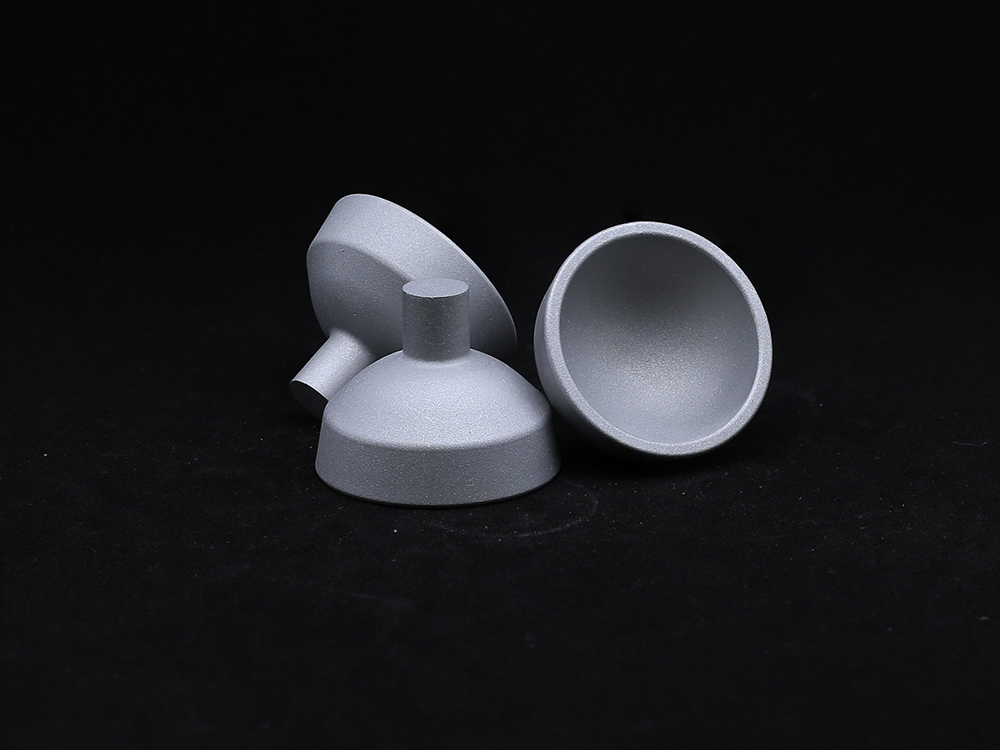 Acetabular CupMade from high-strength materials such as titanium alloy or cobalt-chromium, the Acetabular Cup ensures durability, corrosion resistance, and long-lasting performance. Its anatomical shape promotes optimal alignment and load distribution, reducing wear on bearing surfaces.
-
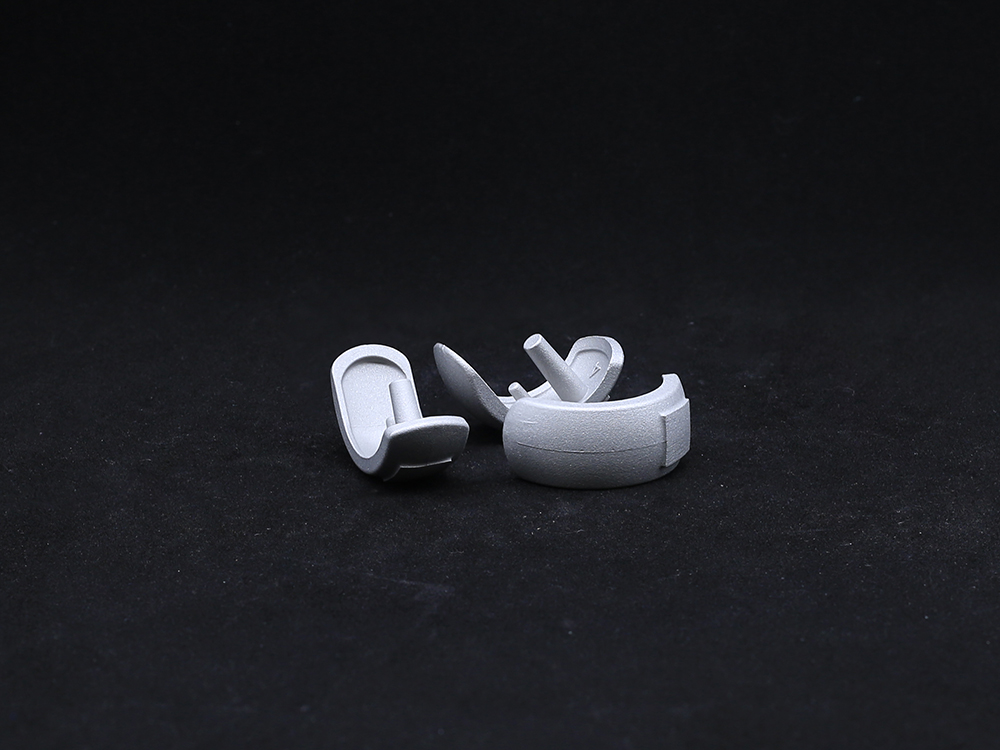 Half KneeThis minimally invasive solution preserves healthy bone, ligaments, and joint structures, enabling faster recovery and more natural knee kinematics. The system includes femoral and tibial components made from durable cobalt-chromium alloys and wear-resistant polyethylene inserts.
Get a Custom Solution!
Contact Us To Provide You With More Professional Services


