- Tel: +8613911709825 /
- Email: ry@rays-casting.com /

Acetabular Cup Sizing: What Separates a Hip Replacement That Lasts From One That Loosens
Acetabular Cup Sizing: What Separates a Hip Replacement That Lasts From One That Loosens
The acetabular cup is the half-shell that anchors a total hip replacement into the pelvis, and it is also the part most likely to decide whether the implant stays solid for twenty years or starts to loosen within five. Reading about hip surgery, you will find far more attention given to the femoral stem and the bearing surface, yet the cup deserves the same scrutiny. Get the diameter wrong and the shell sits proud of the bone, with poor contact that never heals into place. Get the version wrong and the joint is unstable from the day of surgery. This piece looks at the acetabular cup from the angle that matters most in a busy practice: how its size, its position, and the way it is actually manufactured decide how long it lasts. It is written for surgeons who open the tray, for procurement teams who place the order, and for anyone who has wondered why one cup disappears into bone while another quietly works loose.

How Hip Socket Anatomy Sets the Cup’s Shape and Fit
The human hip socket, or acetabulum, is not a plain half-sphere. It is a curved recess with a thickened rim, a load-bearing dome, and an opening that faces forward and slightly downward. Hip socket anatomy sets the rules for everything that comes after it, and it is the first thing a surgeon thinks about when a tray is opened. An under-sized cup is pressed into a cavity that is too small, leaving the rim standing proud and the fixation patchy across the dome. An over-sized cup forces the surgeon to ream away healthy bone, thinning the very support that the shell depends on for bony ingrowth. The correct diameter is not the biggest reamer available; it is the size that gives full rim coverage and good bone contact without over-reaming. That single decision, made in a few seconds in the operating room, sets the stage for the next two decades of the patient’s life, and it relies on having a component whose true geometry matches what the label says. A cup that is visually similar but slightly out of round can fail to seat fully, and that gap, though it looks trivial on paper, is exactly where late loosening begins.
Acetabular Femoral Joint: Why the Cup Has to Match the Load
The acetabular femoral joint is where the ball of the femur meets the socket, and it carries a surprisingly heavy load with every single step. When the cup is chosen well, that load spreads evenly across the full hemisphere of the shell. When it is not, a small portion of the component takes the entire force, and the bone beneath that concentrated area slowly remodels and gives way over the years. This is why a dependable acetabular cup is more than round on the outside. Its wall thickness must be even, so the shell does not flex unevenly under load and does not transfer stress to one edge of the socket. Manufacturing method matters here more than most people expect. A shell with hidden porosity or an uneven wall turns what should be a rigid anchor into a component that works against itself, and the failure often does not appear until years after the wound has healed. Patients notice it as a growing ache in the groin when they stand up from a chair, a symptom easy to blame on age and easy for a busy clinic to miss.
Acetabular Cup Anteversion: Positioning That Has to Hold
Acetabular cup anteversion describes how far the opening of the cup is rotated forward relative to the patient’s midline. Get it right and the hip moves through a normal range without the head slipping out of the socket. Get it wrong and the patient either dislocates the hip easily or feels restricted in almost every direction of movement. What surgeons rarely mention is that the component itself has to hold the position the surgeon sets. If the shell is machined out of tolerance, or if its rim sits unevenly against the reamed bone, the planned angle can drift before the cement or the screws ever set. A cup that has been precision-cast and finished to tight concentricity lets the surgeon place it once and trust it. This is the difference between a procedure that feels controlled and one where every step is a compromise that shows up later. In revision work, where the bone is scarred and the landmarks are gone, that reliability stops being a convenience and starts being the difference between a smooth recovery and a second operation.
Acetabular Cup Size and the Precision Casting Behind It
Acetabular cup size is measured not only by diameter but by how the internal taper meets the liner that sits inside it. In a precision-cast component, the outer shell is cast close to its final shape and then CNC-finished, so the dome, the rim and the taper stay concentric within a tight tolerance. That concentricity is what keeps the liner locked and the anteversion stable once the cup is seated. A cup that is simply machined from stock can look identical on paper and yet vary from part to part. A casting produced under a controlled vacuum melt gives the surgeon a component that behaves the same way every single time, which is exactly what a reproducible procedure demands. When a hospital reports that one surgeon’s cup always seats cleanly while another’s fights the reamer, the difference is often not the surgeon; it is the consistency of the component in the box. That consistency is not a marketing claim; it is a number that can be printed on the inspection sheet beside every serial number.
Choosing a Hip Cup: What Buyers Should Ask Before Ordering
When you order a hip cup, whether for a standard primary tray or for a revision case that leaves little room for error, a few questions separate a dependable component from a risky one. Ask for the material certificate and the source of the melt. Ask whether the shell is cast or machined, and whether porosity is checked on every lot rather than on a sample. Ask for the tolerance held on the taper and the wall thickness, and for a batch number that lets you trace the part back to its production run. A cup that answers all of these is a medical device you can plan surgery around. A cup that cannot answer them is a gamble you carry into the operating room, and the operating room is the worst place for a gamble. The price difference between the two is often small; the difference in outcome is not.
Ray's Casting is a high-tech manufacturer specialising in precision castings for medical implants, including acetabular cup components for hip arthroplasty. Backed by years of experience in medical-grade alloy work, our production runs on vacuum melting, precision casting and CNC finishing, with inspection and full material traceability on every order. Every shell leaves the plant with its melt record and dimensional report, so the cup you receive is the cup you planned for. If you are developing a hip system or need a dependable supply of acetabular cups, send our team your drawings and specifications — we will work with you to deliver components that meet your exact requirements, on time and to specification.
-
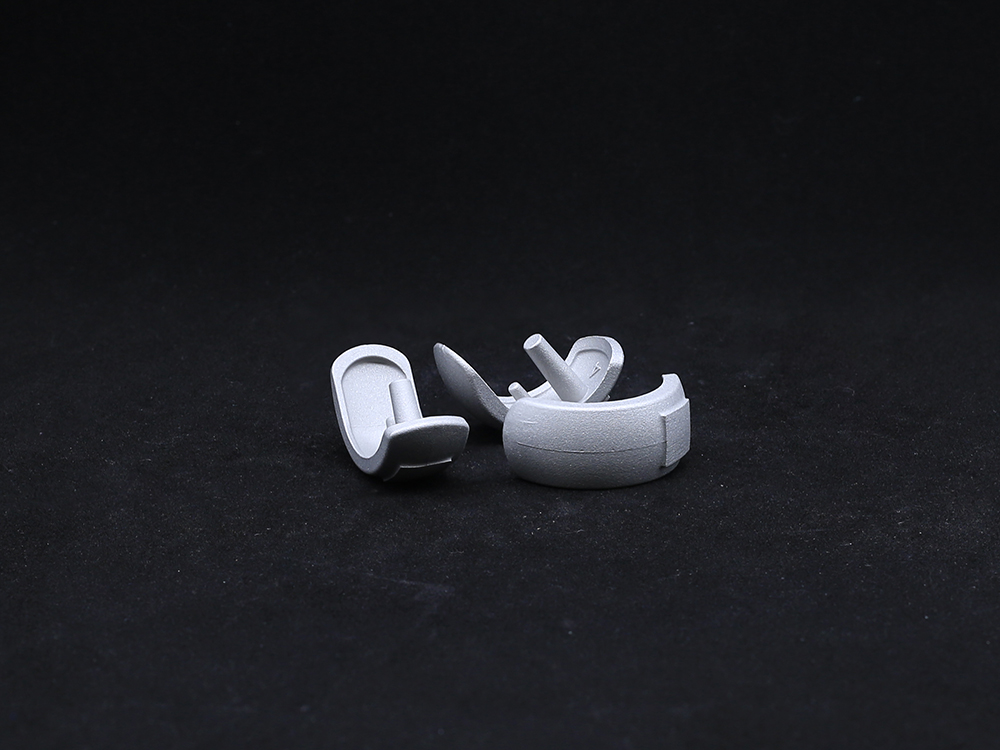 Half KneeThis minimally invasive solution preserves healthy bone, ligaments, and joint structures, enabling faster recovery and more natural knee kinematics. The system includes femoral and tibial components made from durable cobalt-chromium alloys and wear-resistant polyethylene inserts.
-
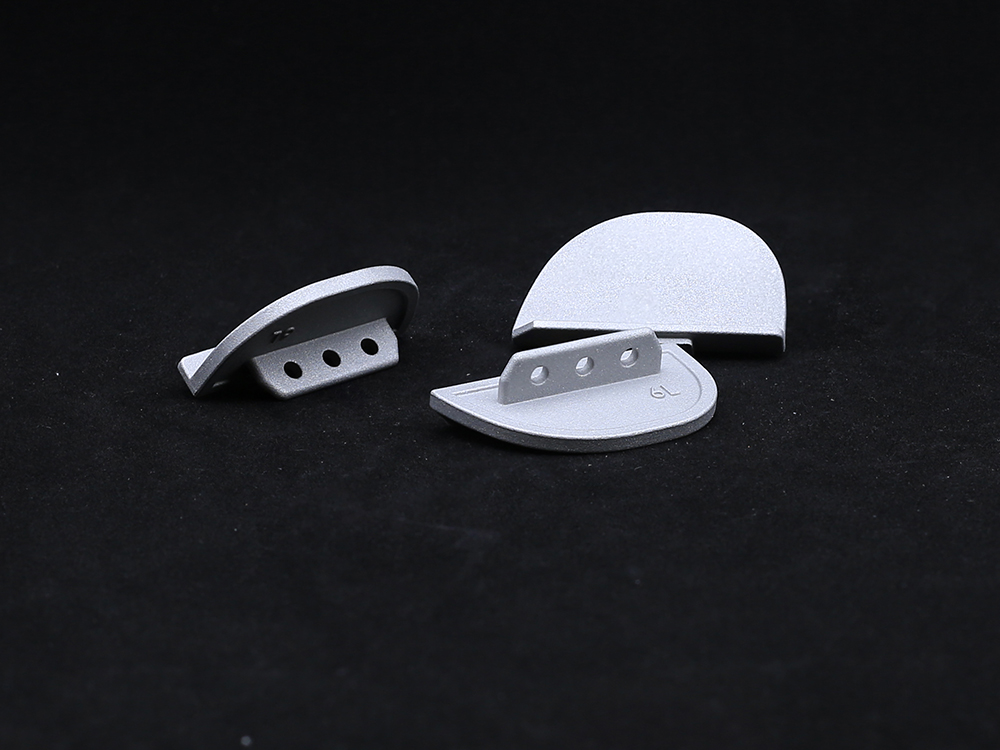 Unilateral Tibial PlateauThe unilateral tibial plateau is an orthopedic implant used in partial knee arthroplasty to replace the damaged medial or lateral tibial joint surface, thereby restoring function, relieving pain, and ensuring knee stability.
-
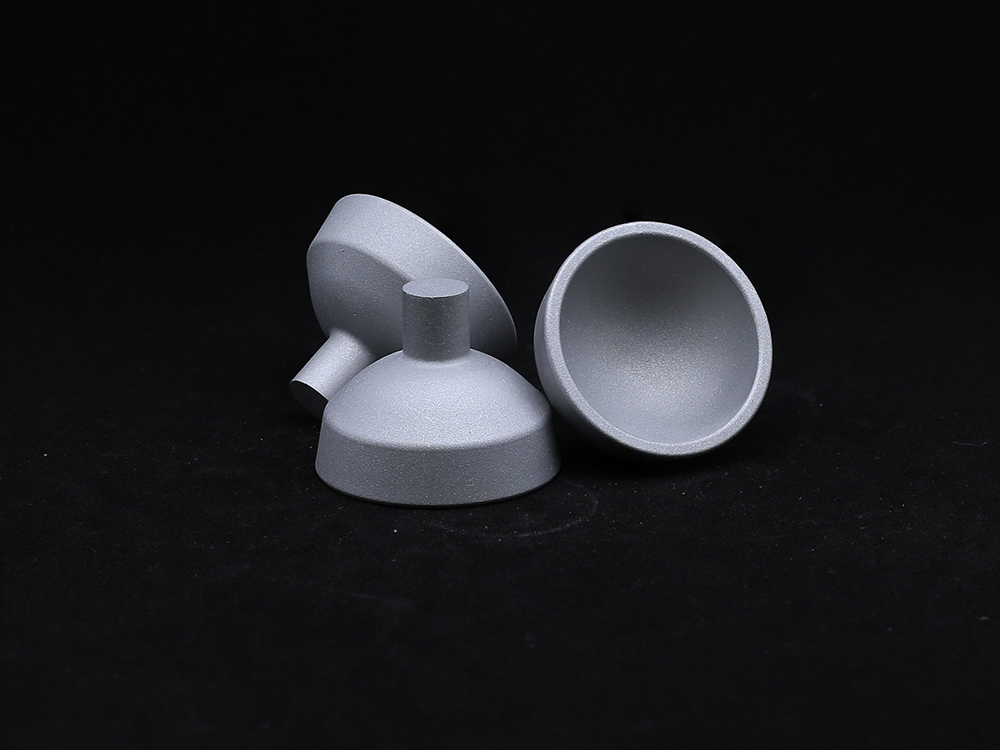 Acetabular CupMade from high-strength materials such as titanium alloy or cobalt-chromium, the Acetabular Cup ensures durability, corrosion resistance, and long-lasting performance. Its anatomical shape promotes optimal alignment and load distribution, reducing wear on bearing surfaces.
-
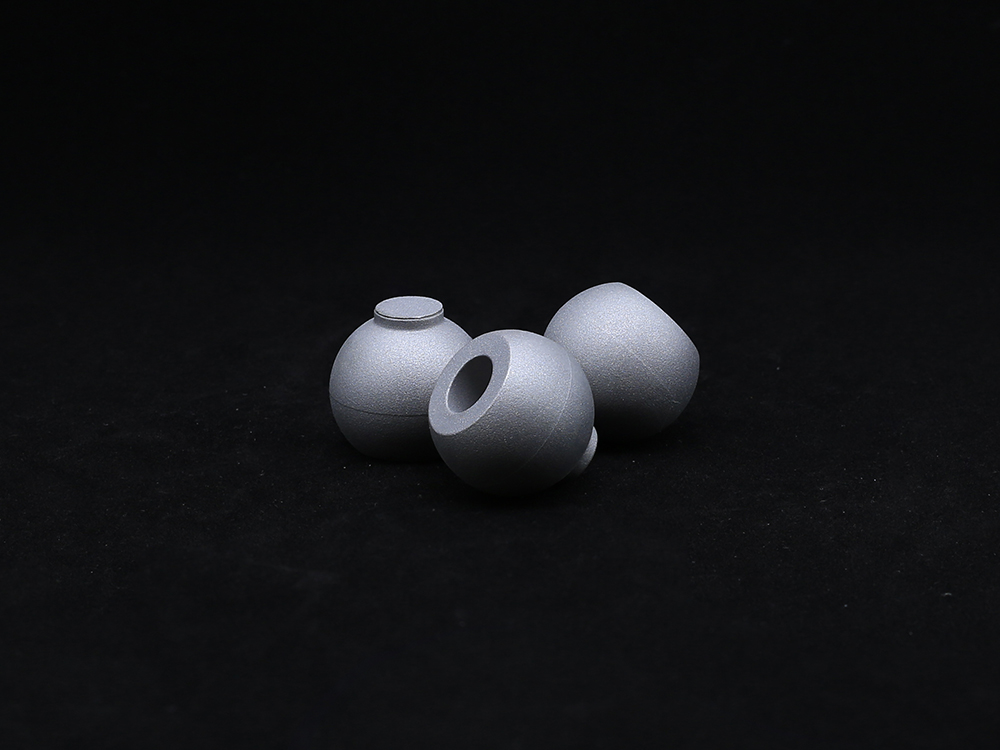 Ball HeadOur Ball Head component is designed for use in joint replacement procedures, particularly in hip and shoulder arthroplasty. Crafted from high-strength materials such as cobalt-chromium alloy or ceramic, the ball head ensures excellent wear resistance and long-term durability.
-
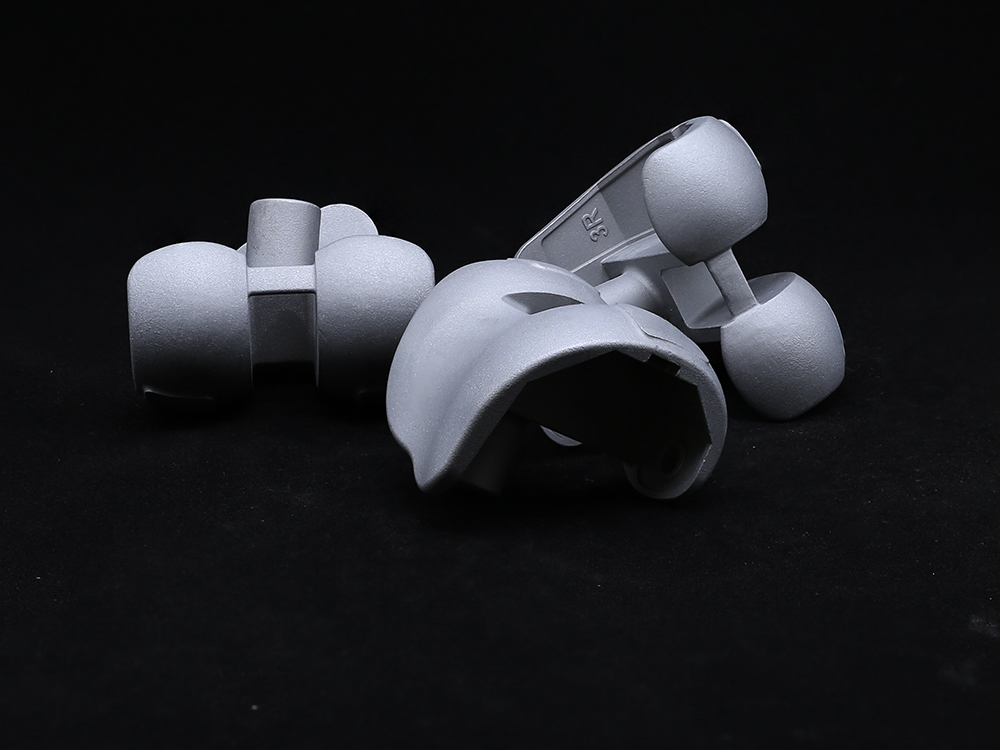 Revision Femoral CondyleThe Revision Femoral Condyle is engineered for use in knee revision surgeries, providing reliable solutions for patients requiring joint reconstruction due to implant failure, loosening, or wear. Made from biocompatible materials such as cobalt-chromium alloy, the revision condyle features enhanced durability and resistance to wear. Its design includes optimized geometry to restore proper knee function and alignment, ensuring a secure fit even in cases of significant bone loss.
-
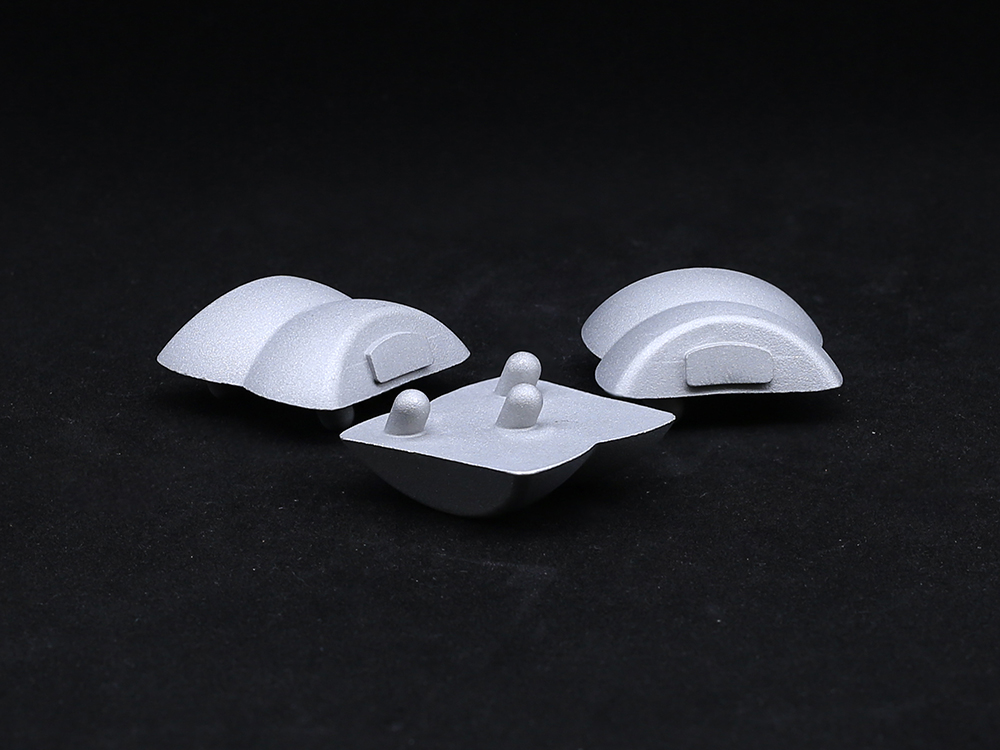 TalusTitanium alloys or PEEK materials that meet international medical standards are selected, featuring both strength and biocompatibility, effectively reducing the risk of rejection and promoting bone integration.
-
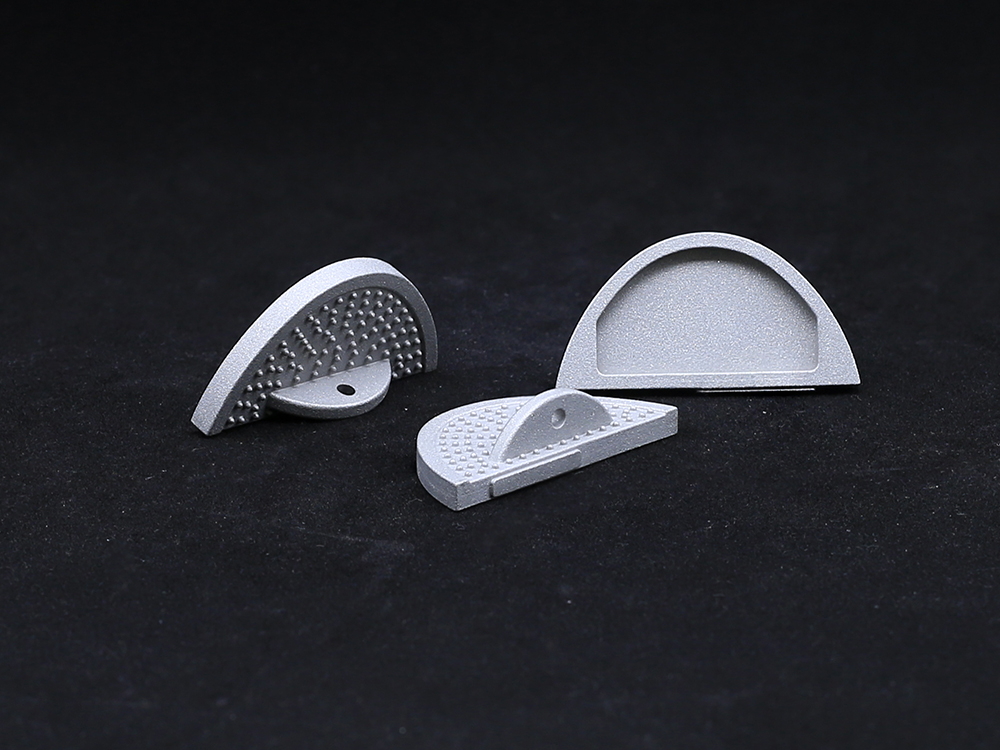 Bump Half PlatformManufactured from biocompatible, high-strength materials like titanium or cobalt-chromium alloys, it ensures durability and long-term performance. Ideal for knee, hip, or other joint replacements, the Bump Half Platform enhances surgical efficiency, minimizes inventory needs, and delivers reliable clinical outcomes with optimal joint alignment and function.
-
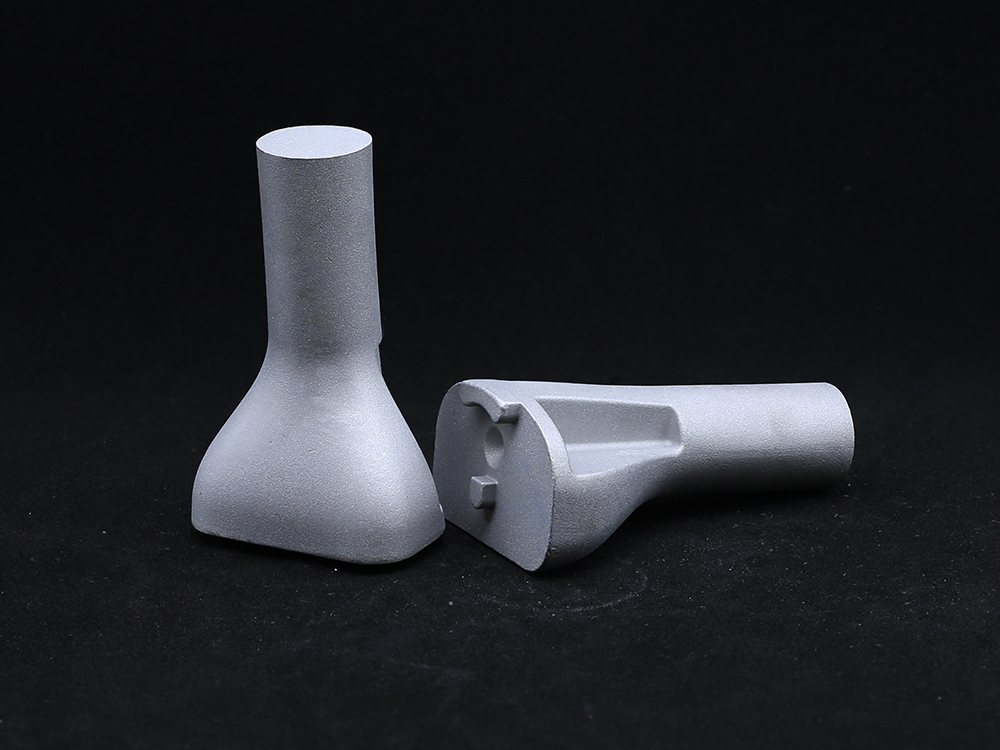 Tibial PlateauAvailable in both fixed-bearing and mobile-bearing configurations, the implants include modular baseplates and polyethylene inserts to accommodate various patient anatomies and surgical techniques.
Get a Custom Solution!
Contact Us To Provide You With More Professional Services


