- Tel: +8613911709825 /
- Email: ry@rays-casting.com /

Lateral Tibial Plateau Components: Where Manufacturing Consistency Defines Performance
Lateral Tibial Plateau Components: Where Manufacturing Consistency Defines Performance
Lateral tibial plateau forms the primary load-bearing base for a total knee replacement. Most technical discussions focus on femoral articulation and bearing material, yet the plateau component largely decides whether the implant stays seated or develops micromotion years after surgery. Two components made to the same two-dimensional drawing can deliver very different service life. Small deviations in wall thickness, concentricity or hidden porosity rarely show up in a visual check, but under cyclic load they become the start of loosening. This article looks at the component from both ends of the chain: what the implant does in service and which manufacturing choices decide whether it keeps doing it, for design engineers and for the buyers who have to qualify the supplier.
The commercial consequence is easy to miss at the quotation stage. A tray that loosens at year five costs the distributor a revision, a complaint and a reputation long before it costs the manufacturer anything, which is why the questions in this article belong in the purchase order rather than in the complaint file.

Medial Tibial Plateau: How Asymmetric Load Reshapes the Manufacturing Route
The medial tibial plateau carries a heavier share of load than the lateral side, and the component has to absorb that concentration across its inner section. A part that is geometrically correct but metallurgically thin in that zone will fatigue early, even when every dimension on the drawing reads inside tolerance.
That asymmetry translates directly into shop constraints. The medial tibial plateau needs a heavier local wall, so sharing one blank with the lateral variant usually creates porosity risk exactly where the load sits. The route out is a dedicated casting blank or an oversized wrought bar, a separate CNC programme and its own fixture. Thick sections also need zoned CT inspection, because a void in a high-stress wall becomes an initiation site rather than a cosmetic defect. Buyers often push for one shared blank to hold unit cost down; the honest answer is that the shortcut shows up later as scrap rate and field failure.
The lateral side is the other half of the same argument. It is smaller, convex and shallower, and it takes a thinner wall where the bearing face meets the fixation feature, so it runs as its own programme with its own stock allowance and its own inspection sheet. Reusing the medial set-up for it produces a part that looks right on a bench and measures thin in the hand, and thin walls are where a casting shows the porosity nobody planned for.
Tibial Plateau Bone: How Host-Site Fit Turns Into Component Geometry
A component only performs as well as its fit to the prepared tibial plateau bone. An oversized part removes bone stock that was carrying load and leaves the rim unsupported; an undersized one overhangs the rim and concentrates pressure at the edge. Two parts that look alike on a bench can fit completely differently if the machined geometry has drifted from nominal.
What reads as a fitting problem in the theatre usually starts upstream. Working from the bone-contact parameters a device client supplies, a manufacturer chooses between a near-net investment casting and machining from solid bar, and the same inputs set HIP requirements, blast texture on the fixation face and the zones for CT inspection. The common procurement mistake is to send an outer-profile drawing and leave out the interface specification; the parts then pass inspection and still sit badly.
That omission has a price that surfaces later. A tray that sits low leaves the joint line short and the mantle thin, and the customer discovers it in a revision rather than in goods-in, where the dimensional report looked perfect. Suppliers who quote without asking for the interface parameters are guessing at the one input that decides whether the part works, and the guess is usually the customer's to pay for.
Knee Plateau: Size Steps and the Casting Matrix Behind Them
A full knee plateau range is a matrix of sizes, not a single part number. Each added step can mean a new mould, a revised tool path and its own traceability record, and that cost is paid before the first order for the size arrives.
Low-volume variant orders put pressure on exactly that investment. Customers expect the full range on short lead times, which tests mould management and batch discipline more than machining skill. Concentricity and wall thickness cannot be assumed to carry across every size either, so each run is checked rather than sampled from the popular sizes only.
Stock policy follows the matrix rather than the catalogue. We hold the sizes that repeat, in the steps the case mix supports, and quote the rest as short-run work, so a distributor can pull one tray, keep its certificate attached and ship inside a week. A missing size is a cancelled case, and the discount that caused it is never remembered at the hospital.
Condyle and Plateau: Why Mismatched Sourcing Shows Up as Wear
When condyle and plateau come from separate suppliers, each part can pass its own drawing and still articulate badly. Different shops establish different datums, the stack accumulates, and the result is edge loading and micromotion that no single-part inspection will ever flag.
Sourcing both from one plant removes most of that risk. A single source holds one datum for machining and one CMM protocol for the mating faces, and it verifies the pair as an assembly rather than as two certificates. Plenty of field wear complaints trace back not to a bad tolerance but to a datum disagreement between two suppliers.
The paired route also changes packaging and paperwork. One box, one inspection report, one heat-number trail, and a stack value measured on the parts inside it. Split sourcing delivers two of everything, including two answers when a surgeon asks why the pair does not feel right.
Knee Plateau Buyer Checklist: What to Request Before Ordering
A buyer qualifying any of this should ask for the documents rather than the promise. Mill certificates that confirm the alloy, in the case of Ti-6Al-4V ELI or cobalt-chrome; CT porosity inspection by zone rather than by random sample; CMM reports that cover the mating faces as well as the wall thickness; and a traceability chain that runs from the finished part back to the melt. A low unit price means little when the inspection file cannot be produced on request, and in implant work the file is the product, and a buyer who cannot read it is buying an unverified component.
Two more items belong on the list. A first-article report on the initial order, so the first lot is checked feature by feature rather than sampled. And a change-notification clause, because a supplier that switches a shell supplier or a heat-treat cycle without telling the buyer has changed the part while the drawing stayed the same.
Ray’s Casting is an ISO 13485-certified OEM manufacturer of orthopaedic precision investment castings. Vacuum melting, investment casting, HIP, CNC finishing and dimensional plus non-destructive inspection all run in-house, covering condyles, tibial trays, plateaus and related knee components for distributors and device OEMs across North America, Europe and the Middle East. Every shipment carries heat-number traceability, CT data and CMM reports, standard sizes leave within weeks, and paired sets can be quoted as one stack. Send your drawings and performance requirements to our sales team for a quotation and the technical dossier behind it.
Prev:
This is the last article
-
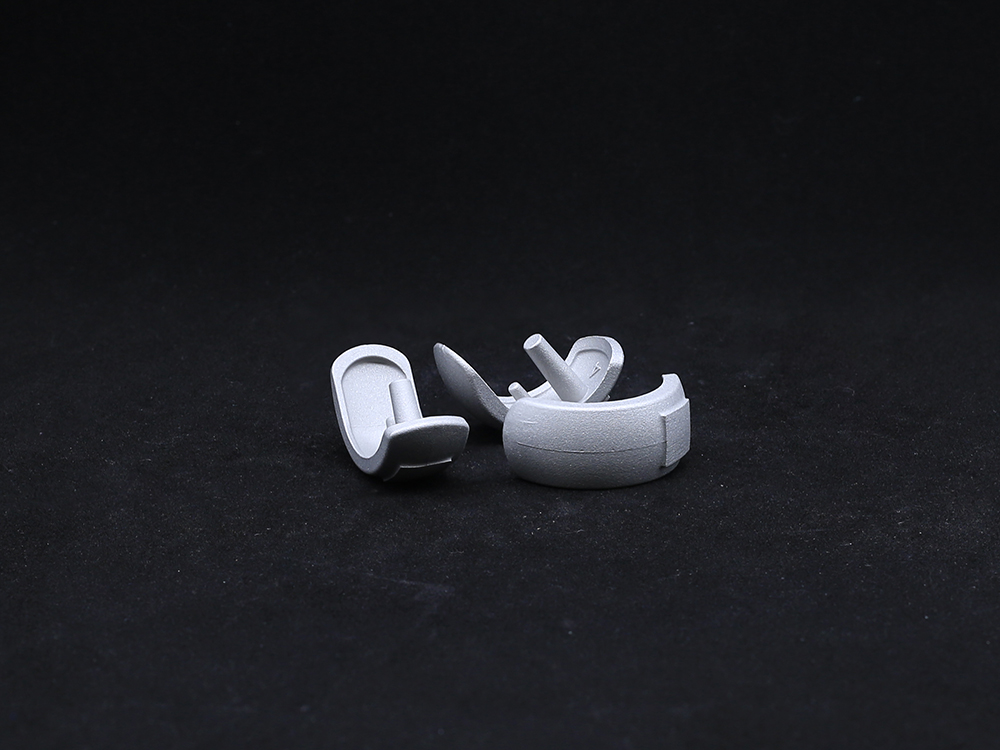 Half KneeThis minimally invasive solution preserves healthy bone, ligaments, and joint structures, enabling faster recovery and more natural knee kinematics. The system includes femoral and tibial components made from durable cobalt-chromium alloys and wear-resistant polyethylene inserts.
-
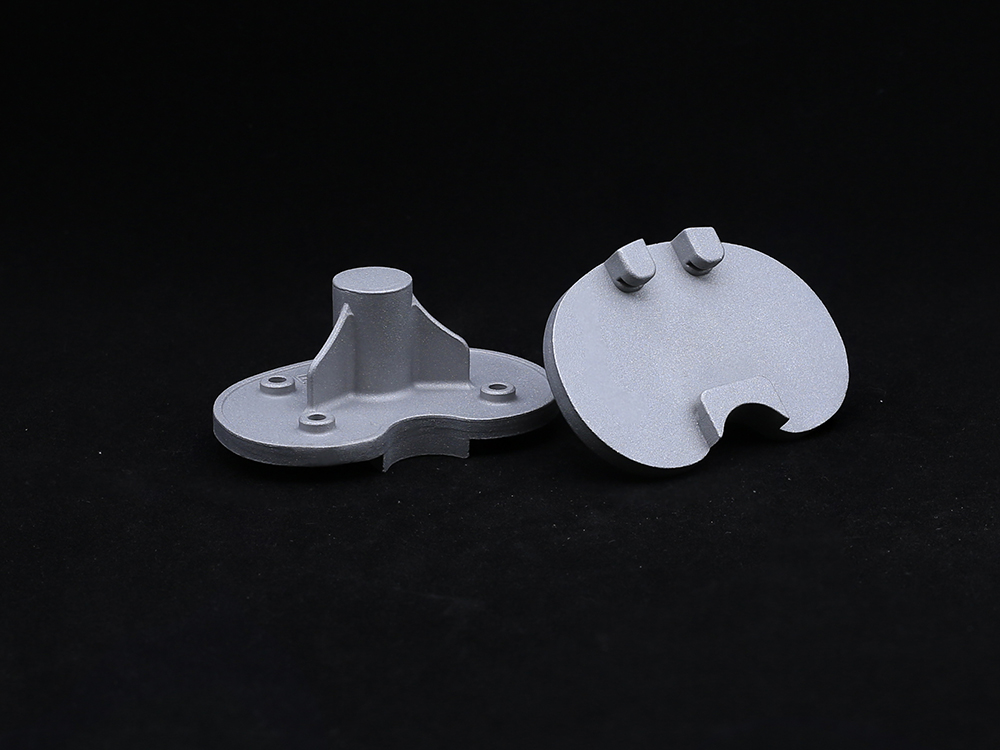 Refurbished PlatformCarefully Reprocessed To Meet The Highest Quality And Safety Standards, This Platform Is Ideal For Patients Requiring Revision Surgeries Or Those Seeking A Sustainable Option.
-
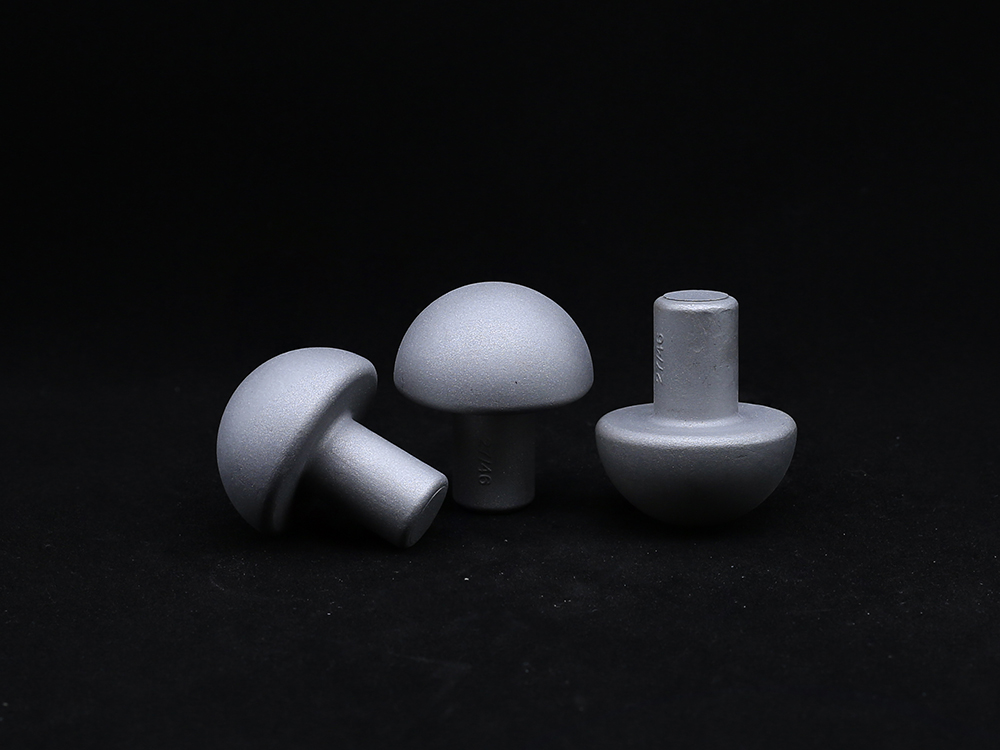 Humeral HeadAvailable in a range of diameters and offsets, they are designed to accommodate diverse patient anatomies and ensure proper soft tissue tensioning. Each humeral head is precisely machined from high-strength cobalt-chromium or ceramic materials, offering excellent wear resistance and biocompatibility.
-
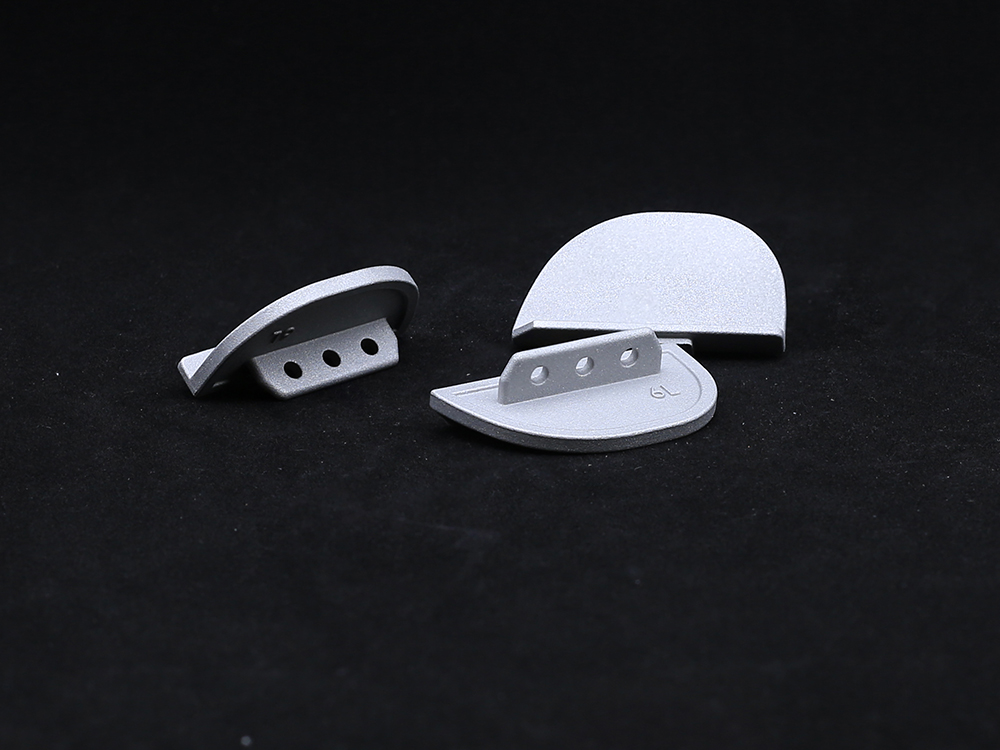 Unilateral Tibial PlateauThe unilateral tibial plateau is an orthopedic implant used in partial knee arthroplasty to replace the damaged medial or lateral tibial joint surface, thereby restoring function, relieving pain, and ensuring knee stability.
-
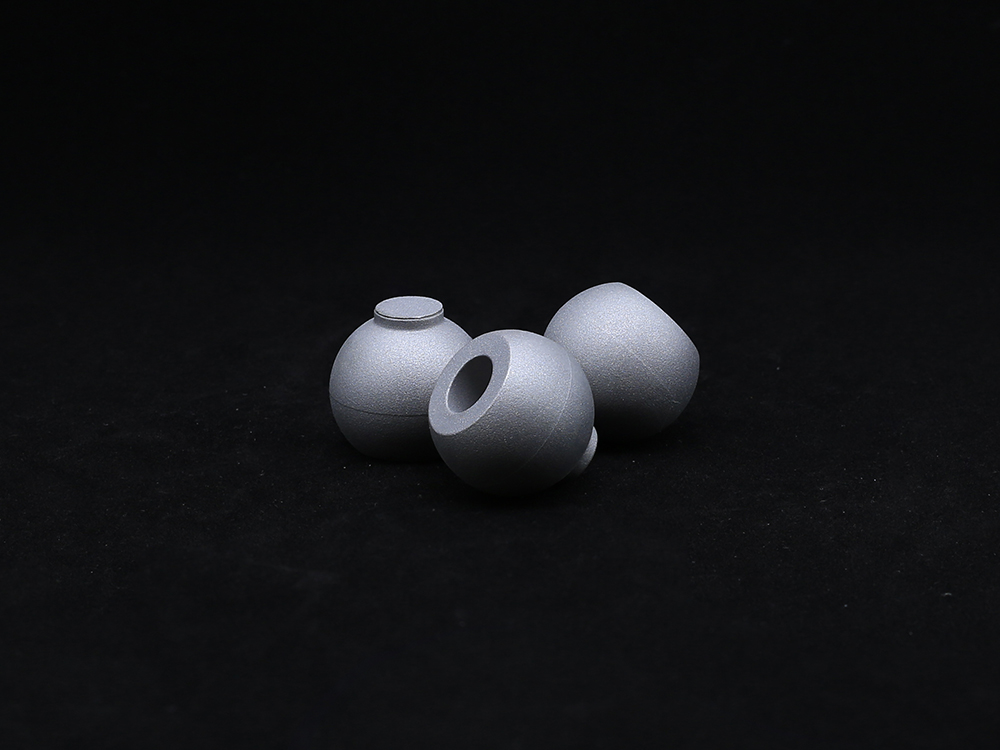 Ball HeadOur Ball Head component is designed for use in joint replacement procedures, particularly in hip and shoulder arthroplasty. Crafted from high-strength materials such as cobalt-chromium alloy or ceramic, the ball head ensures excellent wear resistance and long-term durability.
-
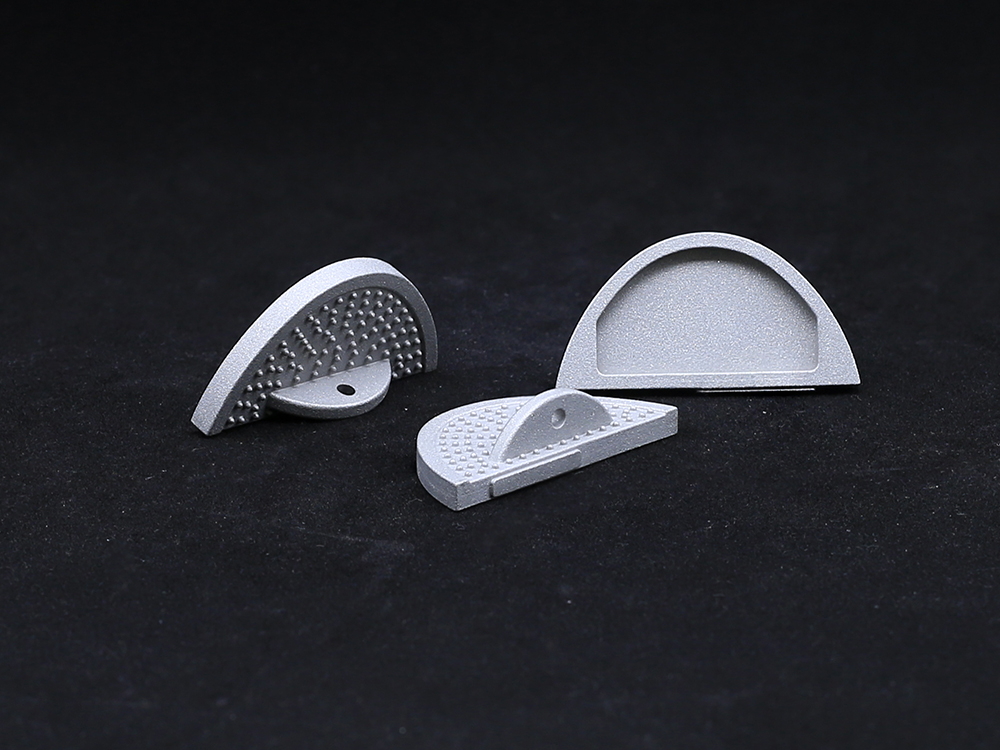 Bump Half PlatformManufactured from biocompatible, high-strength materials like titanium or cobalt-chromium alloys, it ensures durability and long-term performance. Ideal for knee, hip, or other joint replacements, the Bump Half Platform enhances surgical efficiency, minimizes inventory needs, and delivers reliable clinical outcomes with optimal joint alignment and function.
-
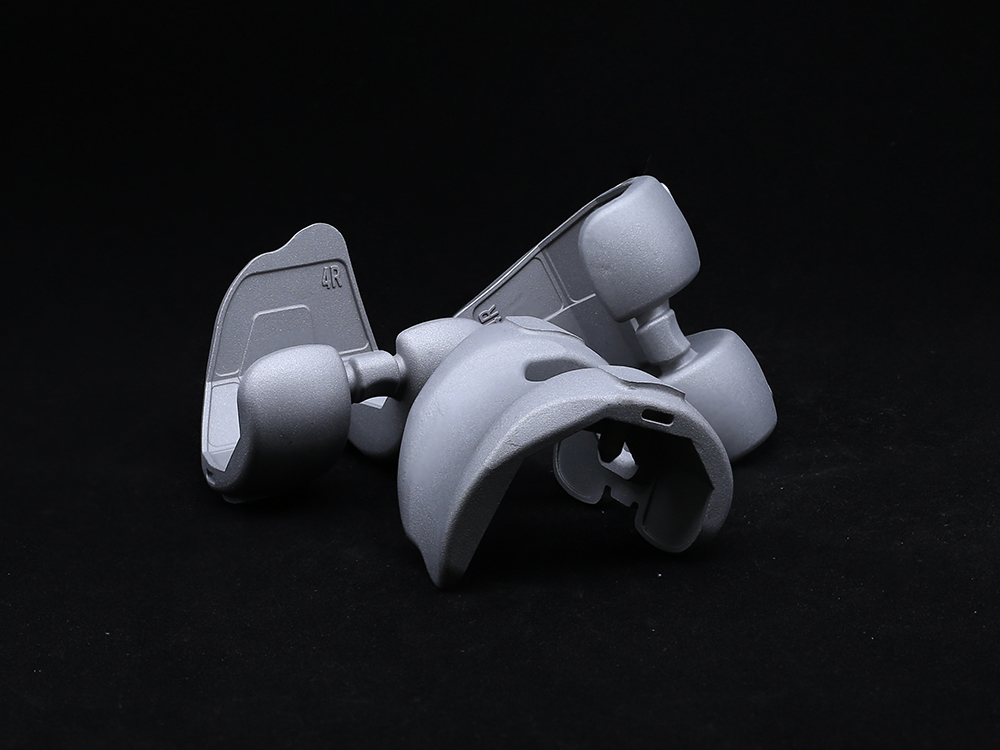 Femoral CondyleOur Half Platform system is designed to offer modular versatility in joint replacement procedures, particularly for hip and knee applications. It allows surgeons to combine components from different implant systems while maintaining biomechanical integrity and surgical efficiency.
-
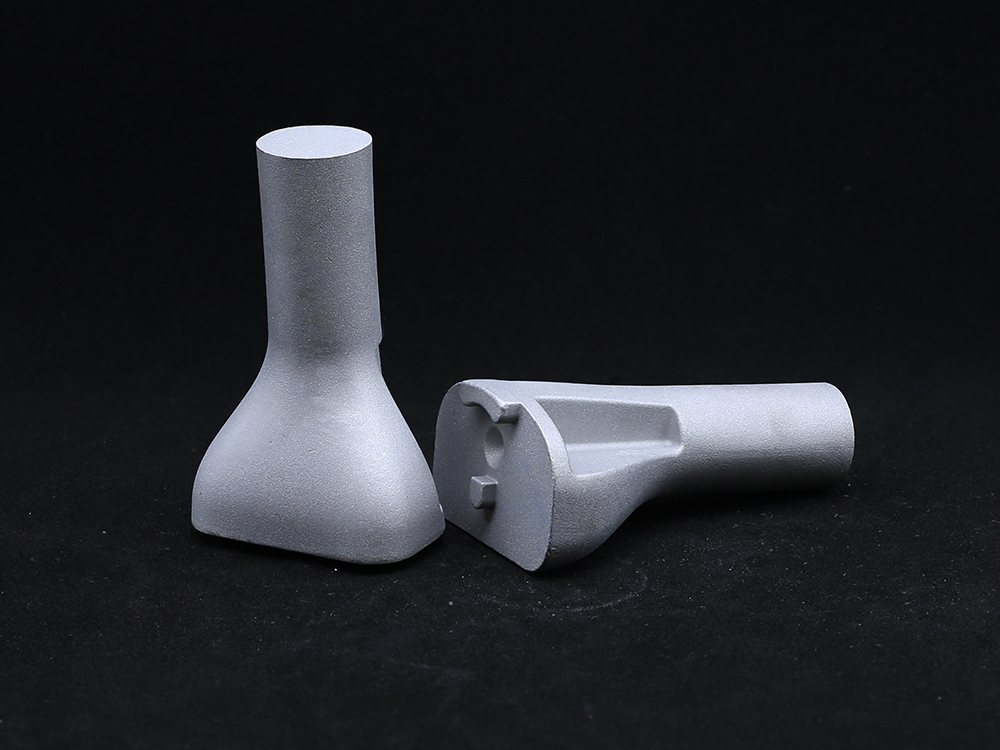 Tibial PlateauAvailable in both fixed-bearing and mobile-bearing configurations, the implants include modular baseplates and polyethylene inserts to accommodate various patient anatomies and surgical techniques.
Get a Custom Solution!
Contact Us To Provide You With More Professional Services


